Cannabis for Sleep: What Actually Works (Science + Best Products)

Show Quick Read

Summary is AI-generated, newsroom-reviewed

Ask around and you'll find plenty of people who swear a gummy or a few drops of tincture helps them wind down at night. Ask researchers, and you'll get a more cautious answer. Cannabis and sleep is one of the most popular topics in the wellness aisle and one of the least settled in the lab.

This guide separates what the research actually says from what the marketing implies, walks through the cannabinoids and product types most often used for sleep, and shows how to shop smart at our CBD and wellness collection. It's educational, not medical advice, and if you struggle with sleep regularly, a healthcare provider should be part of the conversation.


What the Science Actually Says

The honest summary is that the evidence is limited and mixed. A systematic review of cannabis dosing and administration for sleep, published in the journal SLEEP, found that people often reported subjective improvements in sleep quality, but diagnostic testing did not show improvements in sleep architecture, and it concluded that high-quality evidence supporting cannabis for sleep remains limited.

That doesn't mean people are imagining their experiences. It means the research hasn't yet caught up with real-world use, and that results depend heavily on which cannabinoids are involved, how much, and who's taking them. Here's what's known so far.

THC and Sleep

THC can feel sedating, and some research suggests it may help people fall asleep faster. But reviews also note that it could affect sleep quality over time, and higher doses may suppress REM sleep. Regular use can build tolerance, which may make it harder to sleep without it. A broader 2025 analysis of observational studies found that current recreational cannabis use was associated with poorer sleep quality and more insomnia symptoms, though those studies can't prove cause and effect. In short, THC may help some people drift off, but it isn't a guaranteed or long-term sleep solution.

CBD and Sleep

CBD is non-intoxicating and commonly associated with calming effects. Research on CBD alone for sleep is still thin and inconsistent, with some trials showing benefit and others showing little difference from placebo. It may be more helpful for people whose sleep is disrupted by stress or restlessness than as a standalone sleep aid.

CBN and Sleep

CBN (cannabinol) has become the "sleep cannabinoid" in marketing, but much of its reputation comes from anecdotal use. Early studies suggest it may help when combined with other cannabinoids, particularly CBD, but researchers say more studies with longer durations and objective sleep measures are needed. Our CBD and Cannabis Wellness Guide makes the same point: much of CBN's sleep reputation comes from anecdotal use rather than robust clinical research.

Terpenes and Sleep

Terpenes like myrcene and linalool are often linked to relaxing effects, and many consumers find them appealing at night. The research connecting specific terpenes to better sleep is still limited, so think of them as one factor in how a product smells, tastes, and feels rather than a proven sleep aid. You can browse by terpene to find profiles you enjoy.


Cannabis for Sleep: What Actually Works (Science + Best Products)


What Tends to Work Best in Practice

Given the mixed evidence, a few patterns hold up across both research and consumer experience.

Lower and more targeted beats bigger. More THC doesn't reliably mean better sleep, and higher amounts may do more harm than good for sleep quality. Many people find a modest, balanced product works better than a strong one.

Blends often outperform single cannabinoids. Products that combine CBD, CBN, and a small amount of THC are designed to work together through what researchers call the entourage effect, and they're the most common format for nighttime wellness products.

Consistency matters more than intensity. Many wellness cannabinoids are believed to work best with consistent use, and sleep tends to respond to routine more than to any single dose.

Timing is half the battle. A product taken at the wrong time can leave you groggy in the morning or still awake at midnight.


Best Product Types for Sleep

Different formats suit different needs. Here's how the most common options compare.

Tinctures

Tinctures are taken under the tongue and typically act within 15 to 45 minutes. Their biggest advantage is flexible, small-increment dosing, which makes them a good fit for anyone who wants to find the lowest amount that works. They're a popular choice for people who prefer not to eat a sweet or smoke anything before bed.

Gummies and Edibles

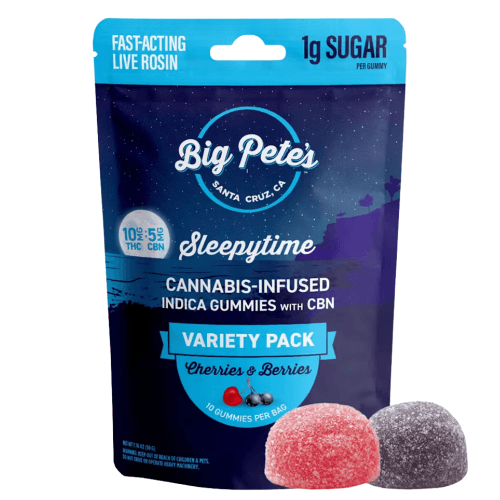
Gummies are easy to dose and widely available in nighttime blends. The tradeoff is timing: traditional edibles can take 30 minutes to two hours to kick in and last four to eight hours, which means a product taken too close to bedtime may not work until you're already trying to sleep, and one taken too late may linger into the morning. Our explainer on how long edibles take to kick in is worth a read before you pick your timing.

Capsules and Softgels

Capsules offer pre-measured, consistent dosing with no flavor, which suits people who want a routine, supplement-like habit. Like edibles, they take time to work, so plan accordingly.

Ratio Products

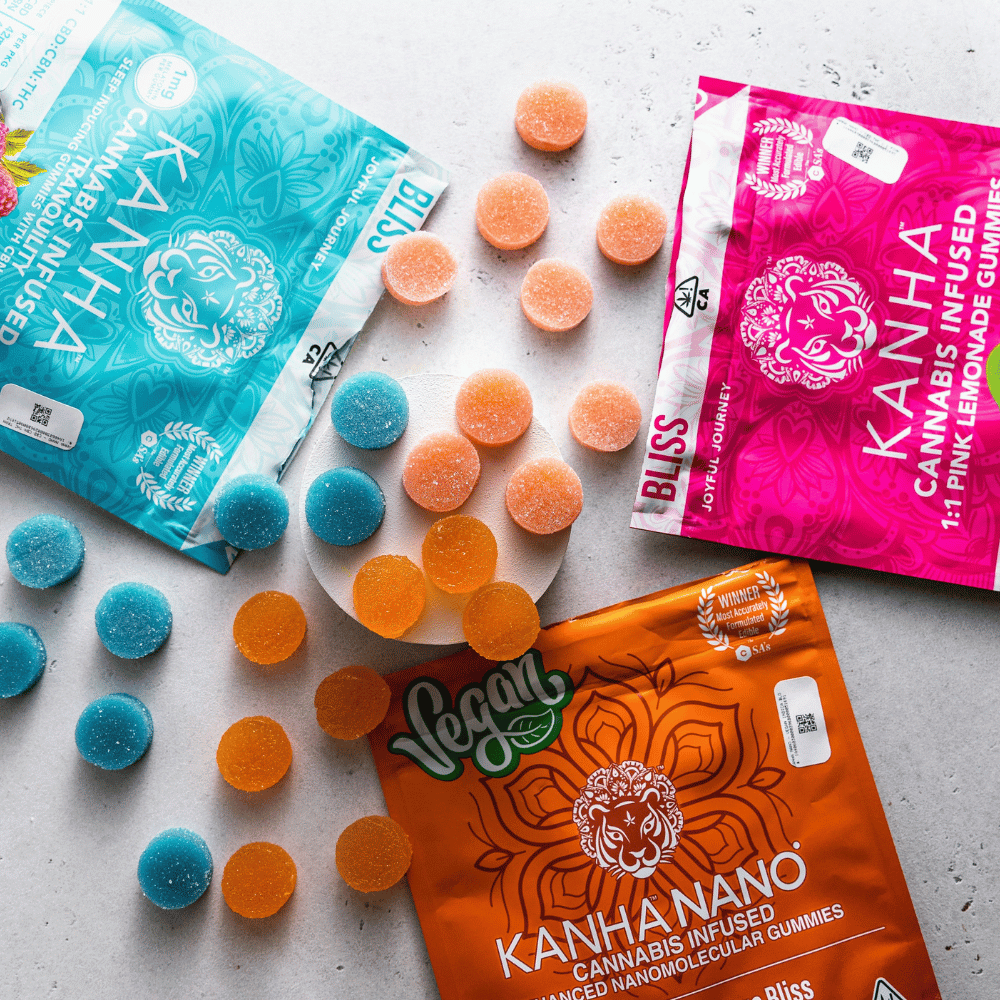
Products labeled with ratios such as 1:1 or 2:1 pair CBD and THC in set proportions. If you're sensitive to THC, a higher CBD ratio can give you a gentler experience. Our guide to ratio edibles explains how to read them, and makers like Kanha list gummies in 2:1 ratios.

Flower and Vapes

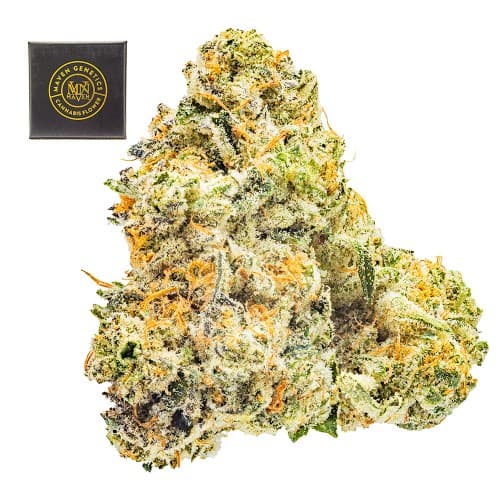
Smoking or vaping acts within minutes, which some people prefer for winding down. The effects also fade sooner, and inhaling right before bed isn't ideal for everyone. If you go this route, remember the research caution about relying on THC for sleep, and explore options at a lower potency.


How to Time It

The most common mistake is taking a product too late. Because edibles and capsules can take up to two hours to arrive, many people take them earlier in the evening, well before they plan to be asleep. Tinctures act faster, so they can be taken closer to bedtime. Whatever you choose, wait for the full effect before taking more. Taking a second dose too soon is one of the most common causes of grogginess the next day.


What to Look For on the Label

When you're shopping for a nighttime product, check:

  1. The cannabinoid breakdown, listing exact milligrams of CBD, CBN, and THC per serving
  2. THC content, especially if you want to avoid or limit it
  3. Full spectrum, broad spectrum, or isolate designation
  4. Serving size, so you know how many pieces or drops make a dose
  5. Third-party lab results, confirming potency and checking for contaminants

You can learn more about individual cannabinoids on our CBN page and CBD page, or browse the full cannabinoids collection.


Habits That Matter More Than Any Product

No gummy or tincture can undo a sleep routine that works against you. Sleep specialists consistently point to a few foundations: a regular sleep and wake time, a dark, cool, quiet bedroom, limiting caffeine later in the day, and putting screens away before bed. Alcohol can make you drowsy but tends to fragment sleep later in the night. If cannabis becomes part of your routine, treat it as one tool alongside these habits rather than a replacement.


Risks and When to Talk to a Doctor

A few cautions are worth knowing.

Medication interactions. Cannabinoids, including CBD, can affect how your liver processes certain medications. If you take prescription medication, talk to a healthcare provider before starting a new routine.

Next-day grogginess. Products that are too strong or taken too late can leave you foggy in the morning. Avoid driving until you know how a product affects you.

Tolerance. Regular THC use can build tolerance, and some people experience trouble sleeping when they stop.

Pregnancy and breastfeeding. Cannabis use while pregnant or breastfeeding may be harmful.

Persistent sleep problems. If you've had trouble sleeping for weeks, or you suspect conditions like sleep apnea, a doctor can look for underlying causes that no supplement will fix.


Common Myths About Cannabis and Sleep

"Indica Always Puts You to Sleep"

Strain labels are an unreliable guide to effect. The cannabinoid and terpene profile of the specific batch matters far more than the indica or sativa tag.

"More THC Means Better Sleep"

Higher doses of THC may disrupt sleep quality and aren't linked to better sleep in the research.

"CBN Is a Proven Sleep Aid"

CBN is promising and popular, but the clinical evidence is still developing and doesn't yet support strong claims.

"If It Helped Once, It Will Keep Working"

Tolerance and changing routines mean what works one month may need adjusting the next.


Cannabis for Sleep: What Actually Works (Science + Best Products)


Bringing It All Together

Cannabis can be part of a nighttime routine for some people, but the science doesn't support treating it as a proven cure for insomnia. The most sensible approach is to start with a lower-potency, balanced product, time it carefully, give it consistent use, and pair it with solid sleep habits. If you've tried a few options without success, or your sleep problems persist, it's time to talk with a healthcare professional.

For a complete look at cannabinoids, product types, and how to build a wellness routine, read our CBD and Cannabis Wellness Guide. If you're also curious about gummies and dosing, our Cannabis Edibles Guide covers formats and dose tiers in detail.

Ready to explore? Browse our full CBD and wellness collection to compare tinctures, gummies, capsules, and blends, and check out our brand and strain pages to find makers and genetics you trust.

FAQ

Jenna Renz

Jenna is a California-based creative copywriter who’s been lucky enough to have worked with a diverse range of clients before settling into the cannabis industry to explore her two greatest passions: writing and weed.

  • Social media icon

Related Blogs

High-Dose vs Microdose Edibles: Which Is Right for You?

High-Dose vs Microdose Edibles: Which Is Right for You?

Walk through the edibles section and the milligram counts can be all over the map. One gummy is 2.5 mg, the next is 10 mg, and some packages are built for people with a lot more experience than most. For a beginner, that spread raises a fair question: is a tiny dose worth taking, and who actually needs a high-dose edible?

8 Min Oct 06, 2026Jenna Renz

Single Pre-Roll vs Pre-Roll Pack: When to Buy Each

Single Pre-Roll vs Pre-Roll Pack: When to Buy Each

Open the pre-roll section and you'll notice the same strain sold two ways: one joint on its own, or a pack with several. The pack looks like the better deal, and sometimes it is. But sometimes the single is the smarter buy, and a pack can quietly turn into a drawer full of joints that dry out before you finish them.

8 Min Oct 06, 2026Jenna Renz

Cannabis Diamonds Explained: THCA Crystals & How to Use Them

Cannabis Diamonds Explained: THCA Crystals & How to Use Them

Browse the concentrates case at a California dispensary and you'll eventually spot something that looks like a jar of tiny glittering crystals sitting in golden syrup. Those are diamonds, one of the most talked-about and most potent products in the category. They also come with a lot of questions. Are they really "pure THC"? Why is the label full of THCA? And what do you actually do with them?

8 Min Oct 06, 2026Jenna Renz