High-Dose vs Microdose Edibles: Which Is Right for You?

Show Quick Read

Summary is AI-generated, newsroom-reviewed

Walk through the edibles section and the milligram counts can be all over the map. One gummy is 2.5 mg, the next is 10 mg, and some packages are built for people with a lot more experience than most. For a beginner, that spread raises a fair question: is a tiny dose worth taking, and who actually needs a high-dose edible?

The answer depends on your tolerance, your goals, and the kind of experience you're after. Here's what each end of the range really means, how they differ, and how to pick the one that fits.


What Counts as a Microdose, a Standard Dose, and a High Dose?

There's no single official definition, but the cannabis industry generally sorts edibles into a few tiers.

A microdose is a very small amount of THC, typically 2.5 mg or less, though many people use the term loosely for anything up to about 5 mg. The goal is subtle effects without significant impairment.

A standard dose in California is 10 mg, which is also the maximum allowed in a single serving. It's considered a moderate dose for most adults with some prior experience.

A high dose generally means 20 to 50 mg or more in a sitting, intended for experienced consumers with an established tolerance. Doses at the top of that range are meant for very experienced consumers only, and even they can find them overwhelming, especially on an empty stomach.

California law caps each edible package at 100 mg of total THC and each serving at 10 mg, which is why higher totals usually come from eating several servings rather than one piece. That makes it easy to scale a dose up or down, but also easy to eat more than you meant to.


High-Dose vs Microdose Edibles: Which Is Right for You?


What a Microdose Is Like

Microdosing is about keeping things light. At a very low dose, many people report mild relaxation or a gentle mood lift rather than a strong high, and they're often able to go about their day. Effects vary from person to person, and some people won't notice much at the lowest doses at all, which is part of the point of experimenting gradually.

Microdosing tends to appeal to:

  • First-time edible users who want to learn how their body responds without a big commitment
  • Low-tolerance consumers who find even a standard serving too strong
  • People who want to stay functional, such as during an afternoon or an evening at home
  • Anyone sensitive to THC who prefers to avoid racing thoughts or anxiety that can come with larger doses

If you like the idea of a gentler experience, balanced CBD-to-THC products can soften the effect further. Our explainer on ratio edibles and what 1:1, 2:1, and 5:1 mean walks through how those formulas work.


What a High-Dose Edible Is Like

At higher doses, effects are typically strong, body-heavy, and long-lasting. Edibles generally take 30 minutes to two hours to kick in, peak around two to four hours after eating, and can last anywhere from four to eight hours in total. A higher dose doesn't make that timeline faster, but it usually makes the experience more intense and can make the effects feel longer.

High doses are generally for:

  • Experienced consumers who have built a tolerance through regular use
  • People who have tried standard doses repeatedly and want to see what a stronger experience feels like
  • Planned, unhurried occasions at home with nothing else on the schedule

Higher isn't automatically better. A bigger dose can bring more of the less pleasant side, including anxiety, disorientation, or a groggy next morning. Plenty of experienced consumers stay at standard doses simply because they prefer how it feels.


Microdose vs High Dose: The Real Differences

The most obvious difference is intensity, but several other factors shape the experience.

Impairment. Microdoses are meant to be subtle, though you should still avoid driving or operating machinery after any edible. High doses cause significant impairment that can last for many hours.

Planning. A microdose is easy to fit into an ordinary day. A high dose calls for an open schedule, a comfortable space, and ideally someone nearby.

Margin for error. At a low dose, a misjudgment is a minor inconvenience. At a high dose, it can mean a long, uncomfortable evening.

Tolerance. Your tolerance determines where each tier lands for you. A dose that feels high to a beginner may feel mild to a daily consumer. Starting low is the safest way to find your own range.

Cost and packaging. Smaller-dose gummies and drinks are often sold in lower-milligram packages, while higher totals mean either larger packages or multiple servings. The cheaper option per milligram isn't always the better experience, so it's worth thinking about what you actually want first.


How to Choose the Right Dose for You

Start With Your Experience

If you're new to edibles, begin at 2.5 to 5 mg, even if you smoke or vape regularly. Edibles are processed through the liver, which can make them feel stronger and more body-focused than the same amount inhaled, so tolerance to smoking doesn't automatically carry over.

Think About Your Goal

If you want something subtle and easygoing, a microdose or low dose is a natural fit. If you want a stronger, more immersive experience, you can work up gradually, but only after you've felt how a standard dose lands.

Consider Your Schedule

Because edibles take time to arrive and last for hours, plan around them. Microdoses fit into a normal day. Higher doses need a clear evening or a day with no obligations.

Account for What You've Eaten

Taking an edible on an empty stomach can speed up onset and intensify effects, while eating beforehand tends to slow and soften them. Neither is wrong, but knowing which you're doing helps you set expectations.


How to Microdose Well

A few simple habits make microdosing more useful.

  • Pick a product with clear dosing. Gummies are typically 2.5, 5, or 10 mg per piece, and you can easily cut a piece. Browse our gummies for precise options. Look for products that are clearly scored when you plan to split them, since uneven cutting makes it hard to know your actual dose.
  • Wait at least two hours before taking more. This is the single most important rule with any edible. Our guide on how long edibles take to kick in explains why patience matters so much.
  • Keep a simple log. Jot down the product, dose, time, and how you felt. Over a few tries, you'll find your sweet spot.
  • Consider alternatives with faster onset. Tinctures and fast-acting drinks can be measured in small amounts and often act sooner than traditional edibles, which some people find easier to fine-tune.
  • Explore CBD blends. Our CBD and Cannabis Wellness Guide covers ratio products and other minor cannabinoids that can shape a gentler experience.


How to Approach Higher Doses Responsibly

If you're an experienced consumer considering a higher dose, a few precautions apply.

  • Increase gradually. Don't jump from a standard dose to the top of the range. Work up in small steps over separate occasions.
  • Never redose early. Taking more before the first dose has fully arrived is the most common cause of overconsumption.
  • Skip the alcohol. Combining the two can intensify both effects and make it harder to judge how impaired you are.
  • Set up your space. Plan a comfortable, safe place, keep water nearby, and consider having a trusted person around.
  • Know what to do if it's too much. Cannabis overconsumption is uncomfortable but not medically dangerous in the way alcohol can be. Sit or lie down somewhere comfortable, stay hydrated, and remember that effects are temporary and typically pass within a few hours. If you have physical health concerns, contact a medical professional or poison control.


Reading the Label

Before you buy, check the THC per serving and the total THC per package, both listed in milligrams. The serving size tells you how many pieces equal one dose, which matters more than the package total. A 100 mg package of ten 10 mg pieces is very different from a single piece with a high dose. Every legal California edible also includes lab-tested results and an ingredient list, so you can verify potency and check for allergens.


High-Dose vs Microdose Edibles: Which Is Right for You?


Safe Storage Matters, Especially at Higher Doses

Edibles are easy to mistake for ordinary candy, cookies, or snacks. The FDA has warned consumers about accidental ingestion of THC edibles by children and advises keeping these products in a safe place out of reach. Store edibles in their original labeled packaging, ideally in a locked container, away from kids and pets, and call poison control at 1-800-222-1222 if anyone accidentally eats one.


Common Mistakes to Avoid

  • Assuming smoking tolerance applies to edibles. Start low regardless of your experience with other methods.
  • Redosing too soon. Wait the full two hours before deciding you need more.
  • Splitting pieces unevenly. It makes your actual dose unpredictable.
  • Choosing a dose based on someone else's experience. Tolerance and body chemistry vary widely.
  • Treating a high dose as a goal. More isn't better if you don't enjoy the experience.


Bringing It All Together

Microdose and high-dose edibles aren't opposites so much as different tools. Microdoses are best for gentle, functional experiences and for learning how your body responds. High doses are for experienced consumers who plan ahead and know their tolerance. For most people, the best approach is to start low, wait, and adjust gradually, and for many, a standard or lower dose turns out to be exactly right.

For a full overview of formats, dosing tiers, and labels, check out our Cannabis Edibles Guide.

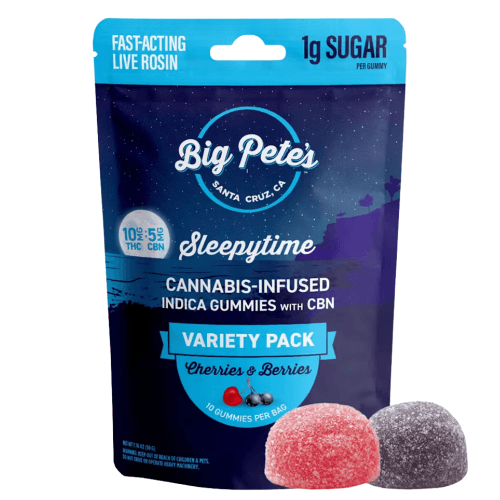
Ready to find your dose? Browse our full edibles selection and filter by milligram strength and format. You can also explore makers like Kanha, which lists gummies including ratio options, and Big Pete's Treats for baked goods, or browse our full brand page and strain page.

FAQ

Jenna Renz

Jenna is a California-based creative copywriter who’s been lucky enough to have worked with a diverse range of clients before settling into the cannabis industry to explore her two greatest passions: writing and weed.

  • Social media icon

Related Blogs

Single Pre-Roll vs Pre-Roll Pack: When to Buy Each

Single Pre-Roll vs Pre-Roll Pack: When to Buy Each

Open the pre-roll section and you'll notice the same strain sold two ways: one joint on its own, or a pack with several. The pack looks like the better deal, and sometimes it is. But sometimes the single is the smarter buy, and a pack can quietly turn into a drawer full of joints that dry out before you finish them.

8 Min Oct 06, 2026Jenna Renz

Cannabis Diamonds Explained: THCA Crystals & How to Use Them

Cannabis Diamonds Explained: THCA Crystals & How to Use Them

Browse the concentrates case at a California dispensary and you'll eventually spot something that looks like a jar of tiny glittering crystals sitting in golden syrup. Those are diamonds, one of the most talked-about and most potent products in the category. They also come with a lot of questions. Are they really "pure THC"? Why is the label full of THCA? And what do you actually do with them?

8 Min Oct 06, 2026Jenna Renz