Cannabis Diamonds Explained: THCA Crystals & How to Use Them

Show Quick Read

Summary is AI-generated, newsroom-reviewed

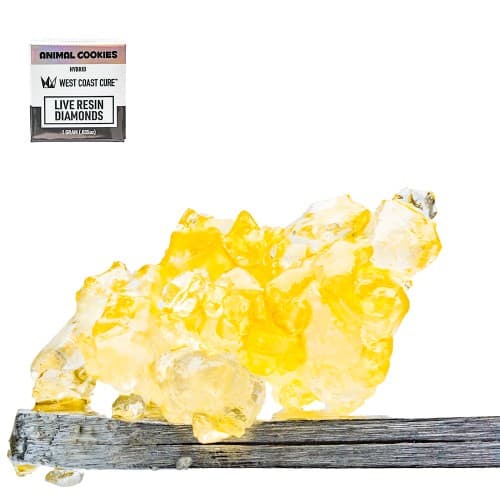
Browse the concentrates case at a California dispensary and you'll eventually spot something that looks like a jar of tiny glittering crystals sitting in golden syrup. Those are diamonds, one of the most talked-about and most potent products in the category. They also come with a lot of questions. Are they really "pure THC"? Why is the label full of THCA? And what do you actually do with them?

This guide explains what diamonds are, how THCA works, how people typically use them, and how to shop for a good jar without overspending or overdoing it.


What Are Cannabis Diamonds?

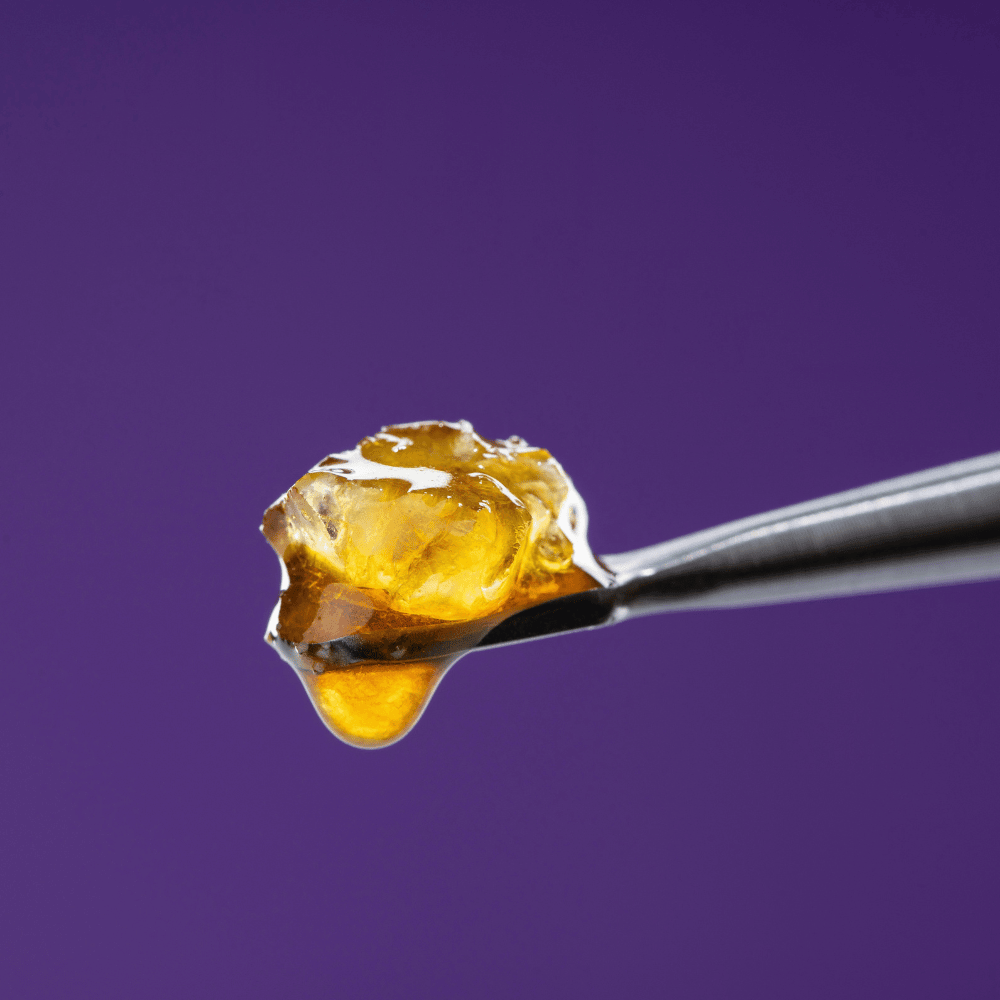
Cannabis diamonds are crystalline structures made of nearly pure THCA. They form when a cannabis extract is allowed to slowly crystallize over time, separating from the surrounding terpene-rich liquid. The result is a solid, translucent crystal that can test above 95% THCA, which makes diamonds among the most potent concentrates available.

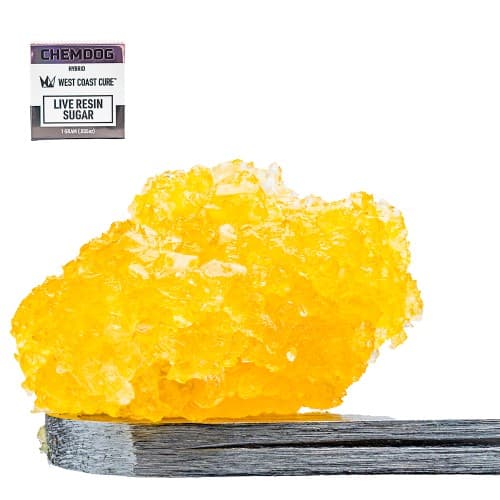
You'll most often see them sold as diamonds and sauce, where the crystals are suspended in a liquid called sauce. The diamonds supply the raw potency, and the sauce supplies the flavor and aroma. Together they deliver an intense, terpene-forward experience that's very different from a flower or a standard wax.


Cannabis Diamonds Explained: THCA Crystals & How to Use Them


What Is THCA, and Why Does It Matter?

THCA (tetrahydrocannabinolic acid) is the natural, acidic precursor to THC. It's the form most cannabinoids take while the plant is growing, and it's not intoxicating on its own. The "high" comes from THC, which is created when THCA is exposed to heat in a process called decarboxylation.

That's why heat is the key to using diamonds. When THCA is heated through dabbing, vaporizing, or smoking, it converts into THC. Research on acidic cannabinoids has found that this conversion is essentially complete during the smoking process, which is why a jar of diamonds is treated as a high-potency product even though the main compound on the label is THCA rather than THC.

This also explains why labels can look unfamiliar. Alongside THCA and THC percentages, you'll often see a "total THC" figure that accounts for the amount of THCA that will convert once heated. If you want to explore how these compounds fit together, our cannabinoids page is a helpful starting point.


How Diamonds Are Made

Diamonds start as a hydrocarbon extract, usually made with butane or propane. After extraction, the concentrate is held under carefully controlled conditions, which allows THCA to slowly separate and form crystals. Producers then separate the crystals from the liquid, or leave some of the liquid in as sauce.

Because diamonds are a solvent-based product, they must go through a purge and pass lab testing for residual solvents before they can be sold at a licensed California dispensary. If you're curious how that testing fits into the bigger picture, our Cannabis Concentrates Guide explains solvent-based and solventless extraction side by side.


Diamonds, Sauce, and Other Concentrates

It helps to know where diamonds sit among their neighbors on the shelf.

Compared with live rosin, diamonds are more potent but less "whole-plant." Live rosin is solventless and prized for a full, nuanced terpene profile, while diamonds trade some of that complexity for sheer THCA content. If you're comparing options, our guide on rosin pre-rolls and whether they're worth the price covers how solventless products stack up on value.

Compared with wax, budder, and badder, diamonds are usually stronger and often pricier. Waxes typically land in the 65% to 85% THC range and are a reliable, moderately priced everyday choice.

Compared with distillate, diamonds retain more of their terpene character when sold with sauce, while distillate is flavorless on its own and mostly used as an ingredient in vapes and edibles.


How to Use Cannabis Diamonds

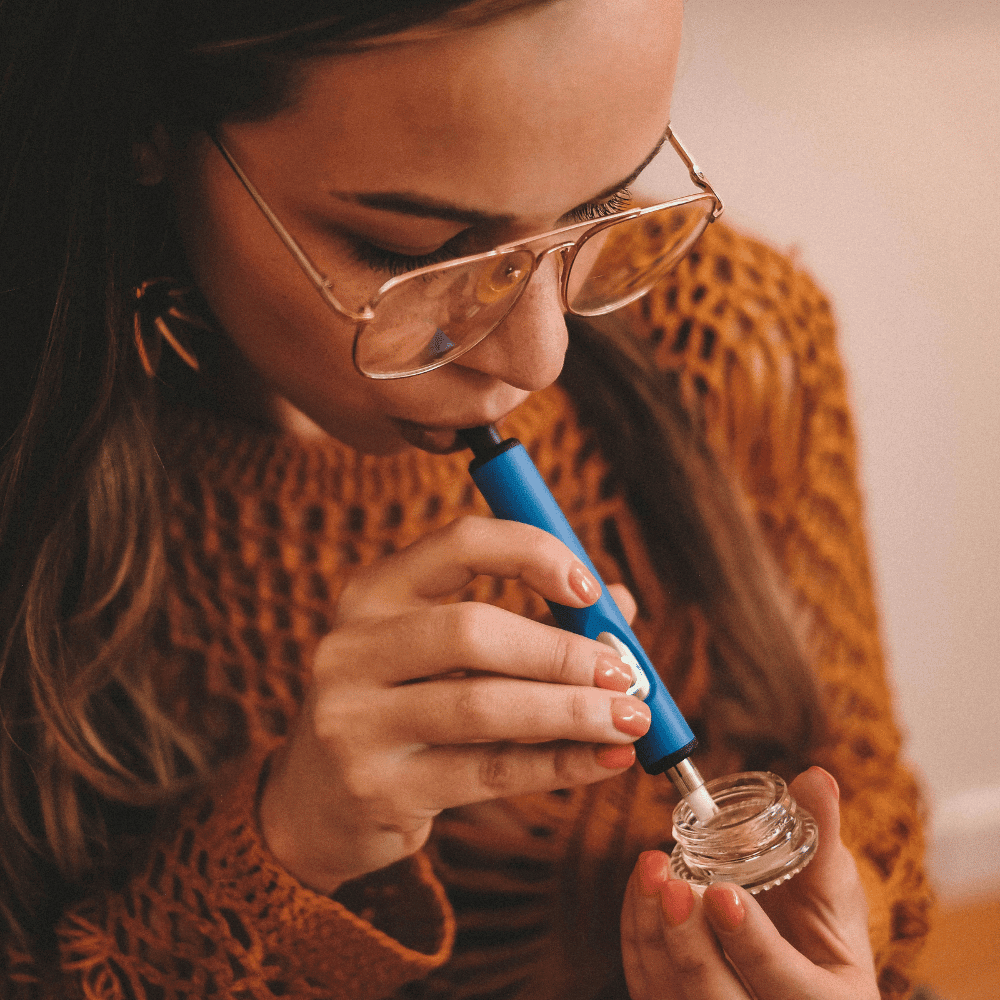
Diamonds are designed to be heated, and there are a few common ways people do it. Because they're so potent, the golden rule is to use far less than you think you need.

Dabbing With a Rig

Dabbing is the traditional method: a small amount of concentrate is placed on a heated surface and the vapor is inhaled through a dab rig. Many people prefer lower-temperature dabs because they preserve more flavor and tend to feel smoother, while very high temperatures can taste harsh and burn off delicate terpenes. If you're new to dabbing, ask a knowledgeable budtender to walk you through the setup in person, since the equipment and heat source are the trickiest part.

E-Rigs and Electronic Dab Devices

Electronic rigs and e-nails heat the surface electronically, which makes it easier to control temperature and avoid a torch. They're a popular choice for people who want consistent results with a gentler learning curve, though they're a bigger upfront investment.

Concentrate Vape Pens

Portable concentrate pens use a small heating element designed for waxes and crystals. They're discreet and convenient, though they usually work best with a small amount and regular cleaning to avoid residue buildup.

Adding Diamonds to Flower

Some consumers sprinkle a few small crystals on top of a bowl or into a joint for an extra boost. This is an easy way to try diamonds without special equipment, but it's also very easy to overdo, so use a tiny amount. If you like the idea of infused flower but don't want to build it yourself, our Complete Pre-Roll Guide covers infused and rosin joints that are already assembled.


Dosing: Start Smaller Than You Think

A single small crystal can be a substantial dose, especially for anyone whose tolerance was built on flower. Diamonds can test above 95% THCA, compared with roughly 15% to 30% for flower, so a tiny amount goes a long way.

A few habits help:

  • Start with a very small amount and wait several minutes before deciding whether you want more.
  • Go slower than your flower habits suggest. Concentrates hit faster and harder than a puff of flower.
  • Avoid combining sessions with other high-potency products, especially early on.
  • Don't drive or operate machinery after using concentrates.

Onset with diamonds is fast, typically within minutes. That's the opposite of edibles, where the wait can stretch an hour or more, and it's why dosing mistakes tend to look very different between the two. Our explainer on how long edibles take to kick in is a useful contrast if you use both.


How to Read a Diamonds Label

Every concentrate sold at a licensed California dispensary comes with lab-tested results. For diamonds, look for:

  1. THCA percentage and total THC, which shows potency after heating
  2. Extraction method, which will be solvent-based for diamonds
  3. Starting material, such as fresh frozen or dried and cured
  4. Terpene profile, especially important if the product includes sauce
  5. Residual solvent results, confirming the product passed state testing
  6. Batch date and testing lab

Diamonds made from fresh frozen material and sold with a detailed terpene breakdown are generally a good sign of a quality-focused producer. You can browse concentrates by terpene to find flavors you enjoy.


Choosing Your First Jar

If you've decided to try diamonds, a few simple filters make the choice easier. Pick a small size first, since a gram goes a long way and fresh sauce is at its best within a reasonable window. Favor products that list a terpene profile, because that tells you how the sauce will actually taste. And choose a strain whose flavor you already like in flower, which makes it easier to know what to expect. Tracking the cultivators you enjoy over time helps, too, since consistency from batch to batch is a good sign of a careful producer.


Are Diamonds Worth the Price?

Diamonds often cost more per gram than waxes or shatter, and the answer depends on what you value. If you're chasing maximum potency, they can actually be efficient, since you use less per session. If flavor and a fuller terpene experience matter most, diamonds with sauce or a live rosin product may be a better fit. If you simply want an affordable, reliable concentrate, a wax or badder usually gives you more for less.


Cannabis Diamonds Explained: THCA Crystals & How to Use Them


Common Myths About Diamonds

"Diamonds Are Pure THC"

Diamonds are nearly pure THCA, not THC. They only become THC once heated, which is part of why they're sold and labeled differently than other products.

"Diamonds Are Solventless"

Diamonds are almost always solvent-based, formed after hydrocarbon extraction. Solventless products like live rosin and hash are made differently. You can explore those on our solventless rosin and hash pages.

"Stronger Always Means Better"

Potency is only one part of the experience. A less intense concentrate with rich flavor can be far more enjoyable than the strongest product on the shelf.

"Beginners Should Start With Diamonds"

Most beginners are better served by lower-potency options like hash or kief before stepping up to diamonds. Concentrates are significantly stronger than flower, and diamonds sit at the top of that range.


Storing Diamonds

Keep diamonds in an airtight glass or silicone container, away from heat and direct light. Sauce is more temperature-sensitive than the crystals themselves, so refrigeration can help extend shelf life for jars that include a lot of terpene liquid. Let the jar come to room temperature before opening to avoid moisture.


Bringing It All Together

Diamonds are a standout in the concentrate world: highly potent crystals of THCA that become THC when heated, often paired with a terpene-rich sauce for flavor. They reward careful use, small amounts, and a little patience. If you understand what THCA is, read the label, and start low, they can be a flavorful and efficient way to enjoy concentrates.

For a broader look at every concentrate type, from rosin to shatter, our Cannabis Concentrates Guide is the best next stop.

Ready to explore? Browse our full concentrates selection to compare diamonds, sauce, and more, and check out our brand and strain pages to find cultivators and genetics you enjoy.

FAQ

Jenna Renz

Jenna is a California-based creative copywriter who’s been lucky enough to have worked with a diverse range of clients before settling into the cannabis industry to explore her two greatest passions: writing and weed.

  • Social media icon

Related Blogs

High-Dose vs Microdose Edibles: Which Is Right for You?

High-Dose vs Microdose Edibles: Which Is Right for You?

Walk through the edibles section and the milligram counts can be all over the map. One gummy is 2.5 mg, the next is 10 mg, and some packages are built for people with a lot more experience than most. For a beginner, that spread raises a fair question: is a tiny dose worth taking, and who actually needs a high-dose edible?

8 Min Oct 06, 2026Jenna Renz

Single Pre-Roll vs Pre-Roll Pack: When to Buy Each

Single Pre-Roll vs Pre-Roll Pack: When to Buy Each

Open the pre-roll section and you'll notice the same strain sold two ways: one joint on its own, or a pack with several. The pack looks like the better deal, and sometimes it is. But sometimes the single is the smarter buy, and a pack can quietly turn into a drawer full of joints that dry out before you finish them.

8 Min Oct 06, 2026Jenna Renz