CBD and Cannabis Wellness Guide 2026: Cannabinoids, Products and How to Actually Use Them

Cannabis wellness has moved well beyond CBD oil in a dropper bottle. In 2026, dispensary shelves are stocked with a growing lineup of minor cannabinoids, functional blends, and targeted products designed for sleep, recovery, focus, and stress relief, often with little or no intoxicating effect at all. For anyone curious about using cannabis for wellness rather than a traditional high, the options can feel just as overwhelming as the psychoactive side of the market.

This guide breaks down the major cannabinoids behind the wellness category, explains what each one is believed to do, covers the most common product types, and gives you a practical framework for actually using these products in a way that fits your goals.


What Does "Cannabis Wellness" Actually Mean?

Cannabis wellness generally refers to using cannabinoids, the natural compounds found in the cannabis plant, for functional benefits like relaxation, sleep support, pain relief, or stress management, often with minimal to no intoxicating effect. This is different from traditional recreational use, where THC and its psychoactive properties are typically the main draw.

Wellness focused products can be entirely non intoxicating, like pure CBD isolate, or they can include small amounts of THC alongside other cannabinoids in a carefully balanced ratio designed to support a specific outcome rather than a strong high.


CBD and Cannabis Wellness Guide 2026: Cannabinoids, Products and How to Actually Use Them


The Major Cannabinoids Behind the Wellness Category

CBD (Cannabidiol)

CBD is the most well known non intoxicating cannabinoid and remains the foundation of the wellness category. It doesn't produce a high on its own and is commonly associated with calming, anti inflammatory, and stress relieving effects, though research is still evolving and individual experiences vary.

Common uses: General relaxation, everyday stress management, and as a base ingredient in balanced THC to CBD products.

CBG (Cannabigerol)

Often called the "mother cannabinoid" because other cannabinoids are synthesized from it earlier in the plant's growth cycle, CBG has become increasingly popular in its own right. It's non intoxicating and is often associated with focus and mental clarity rather than sedation.

Common uses: Daytime products marketed for concentration, mood support, and gentle energy without the grogginess sometimes associated with CBD alone.

CBN (Cannabinol)

CBN forms as THC ages and breaks down over time, and it's mildly intoxicating in higher concentrations, though far less potent than THC. It's become closely associated with sleep support, though much of this reputation comes from anecdotal use rather than robust clinical research.

Common uses: Nighttime products, sleep gummies, and evening tinctures, often paired with a small amount of THC for enhanced effect.

CBC (Cannabichromene)

CBC is a lesser known, non intoxicating cannabinoid that's gaining attention in the wellness space, often included in full spectrum products alongside CBD and CBG rather than sold on its own.

Common uses: Typically found in blended wellness products rather than as a standalone item, often included for its potential contribution to the entourage effect.

THCV (Tetrahydrocannabivarin)

THCV behaves differently than standard THC, and depending on dose, some report it feels more energizing and appetite suppressing rather than sedating or appetite stimulating. It's often marketed toward consumers looking for an active, clear headed cannabis experience.

Common uses: Daytime and fitness oriented products, often paired with CBG for an energizing, focus supportive combination.

Minor Cannabinoid Blends

Many 2026 wellness products don't rely on a single cannabinoid, instead combining several, such as CBD with CBG for daytime focus, or CBD with CBN for nighttime relaxation. These blended formulas are designed to work together, leaning on the entourage effect rather than any single compound acting alone.


Understanding the Entourage Effect

The entourage effect refers to the theory that cannabinoids and terpenes work synergistically, producing a different and often more effective result together than any single compound would alone. This is a major reason full spectrum and broad spectrum products have grown in popularity within the wellness category.

Full spectrum products contain the complete range of cannabinoids naturally found in the plant, including trace amounts of THC, typically at or below the legal threshold for hemp derived products.

Broad spectrum products contain multiple cannabinoids and terpenes but have THC removed entirely, appealing to consumers who want the potential benefits of multiple cannabinoids without any THC at all.

Isolate products contain a single, purified cannabinoid, most commonly CBD, with everything else removed. These are the most straightforward option for anyone wanting a specific, predictable compound without additional variables.


Common Cannabis Wellness Product Types

Tinctures and Oils

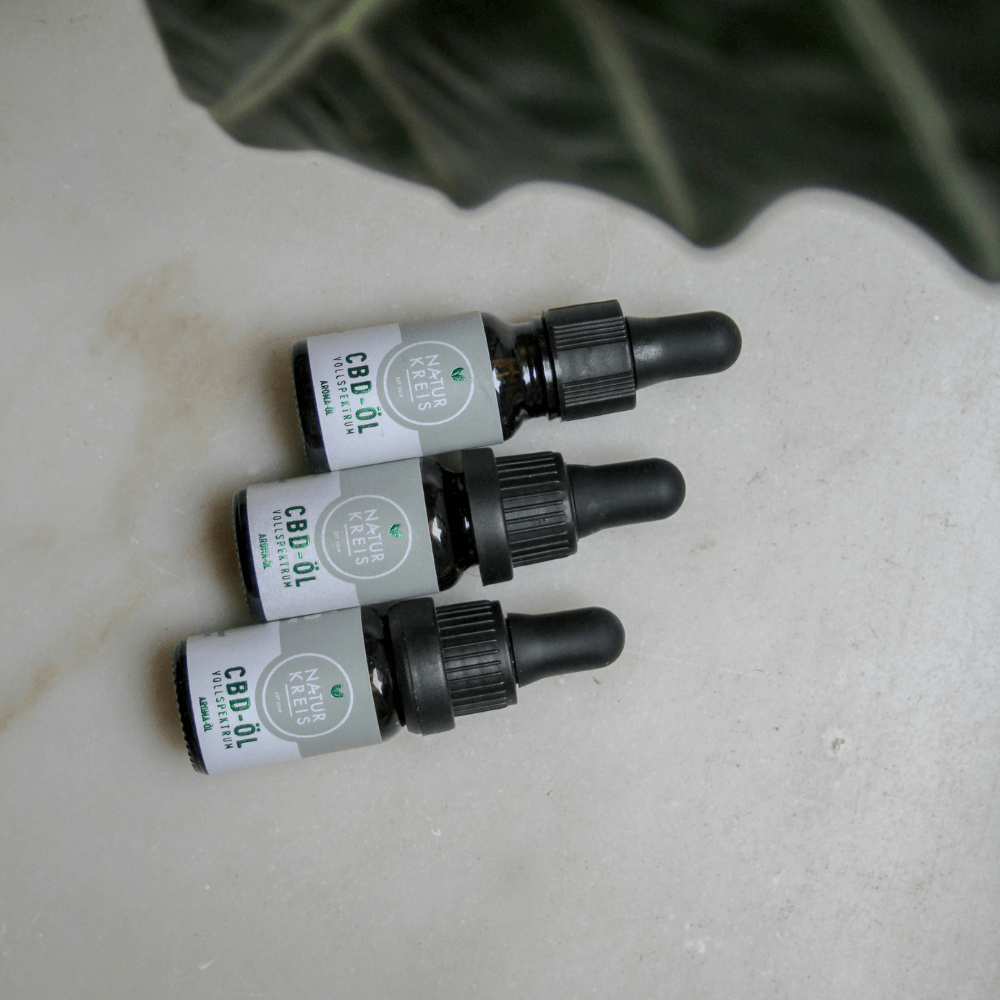
Tinctures are liquid extracts typically taken sublingually, under the tongue, allowing for relatively fast absorption compared to edibles. They offer flexible, easily adjustable dosing since most come with a marked dropper.

Best for: Consumers who want precise control over dosage and faster onset than a standard edible.

Capsules and Softgels

Capsules provide pre measured, consistent dosing without any flavor or added ingredients, making them a straightforward option for consumers who want a routine, supplement like approach to cannabinoids.

Best for: Consumers who prefer a familiar, no fuss format similar to a daily vitamin or supplement.

Wellness Gummies

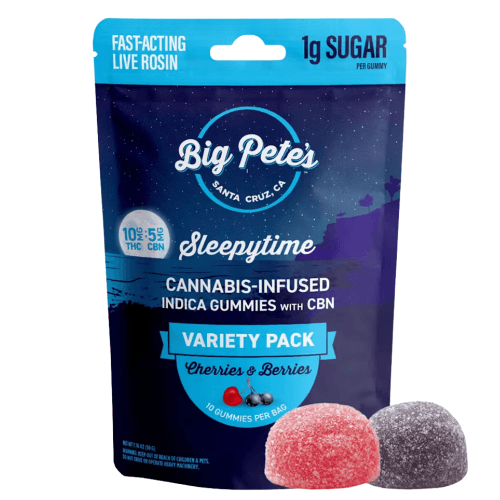
Functional gummies formulated for specific goals, like sleep, relaxation, or focus, have become one of the most popular formats in the category thanks to easy dosing and pleasant flavor.

Best for: Consumers who want a tasty, precisely dosed option targeted at a specific outcome.

Topicals

Balms, creams, and lotions infused with cannabinoids are applied directly to the skin and are typically used for localized relief, such as sore muscles or joint discomfort, rather than a systemic or intoxicating effect.

Best for: Consumers targeting a specific area of the body rather than looking for a whole body effect.

Beverages

Cannabinoid infused beverages, including CBD sparkling waters and functional wellness drinks, offer a social, easy to dose option that fits naturally into daily routines.

Best for: Consumers who want a low key, drink based way to incorporate cannabinoids without smoking, vaping, or eating a gummy.


How to Read a Wellness Product Label

Understanding a label is especially important in the wellness category, since so many products combine multiple cannabinoids in specific ratios. Look for:

  1. Cannabinoid breakdown, listing the exact milligrams of CBD, CBG, CBN, or other cannabinoids per serving
  2. THC content, whether it's THC free, contains a small functional amount, or is part of a specific balanced ratio
  3. Full spectrum, broad spectrum, or isolate designation
  4. Serving size guidance and total product content
  5. Third party lab testing results, confirming both potency accuracy and the absence of contaminants

Because wellness products are often taken regularly as part of a routine, consistent batch testing and clear cannabinoid breakdowns matter even more than they might for a one off recreational purchase.


CBD and Cannabis Wellness Guide 2026: Cannabinoids, Products and How to Actually Use Them


How to Actually Use Cannabis Wellness Products

Start With Your Goal, Not the Cannabinoid

Rather than starting with a specific cannabinoid in mind, start with what you're trying to achieve. Looking for better sleep points you toward CBN or THC and CBD blends. Wanting daytime focus points toward CBG or THCV. Managing everyday stress points toward straightforward CBD products.

Start Low and Track Your Response

Because individual response to cannabinoids varies significantly, begin with a lower dose than you think you need, and give it time to work before adjusting. This is especially true for edibles and capsules, which take longer to take effect than tinctures or beverages.

Be Consistent

Many wellness focused cannabinoids, particularly CBD, are believed to work best with consistent daily use rather than occasional, as needed dosing. If you're trying a new product for a specific goal like stress management, give it a few weeks of regular use before deciding whether it's working for you.

Consider Time of Day

Match product timing to intended effect. CBG and THCV leaning products are generally better suited for morning or daytime use, while CBN and THC and CBD blends are typically formulated for evening or nighttime use.

Watch for Interactions

Cannabinoids, including CBD, can interact with certain medications by affecting how your liver metabolizes them. If you're taking prescription medication, it's worth discussing cannabinoid use with a healthcare provider before starting a new wellness routine.


Choosing the Right Wellness Product for You

For Sleep Support

Look for products combining CBN with a small amount of THC, or full spectrum formulas designed specifically for nighttime use.

For Stress and Relaxation

Standard CBD products, whether tinctures, gummies, or capsules, remain the most straightforward and widely available option for general stress relief.

For Daytime Focus and Energy

CBG and THCV forward products are typically marketed for mental clarity and gentle energy without sedation.

For Localized Relief

Topicals offer a targeted option for sore muscles or joint discomfort without any systemic or intoxicating effect.


California Regulations for CBD and Wellness Products

Hemp derived CBD products with 0.3% THC or less by dry weight are legal at the federal level and widely available outside licensed dispensaries, though quality and testing standards vary significantly between unregulated retailers. Cannabis derived wellness products sold at licensed California dispensaries, including those with higher THC content or specific cannabinoid ratios, must pass the same lab testing requirements as any other regulated cannabis product, covering potency accuracy, pesticides, and contaminants.

Buying wellness products from a licensed dispensary generally offers more reliable testing and labeling than unregulated retail or online sources, particularly for products combining multiple cannabinoids in specific ratios.


Final Thoughts

Cannabis wellness in 2026 offers a genuinely broad toolkit beyond just CBD oil, with targeted cannabinoids and blended formulas designed for sleep, focus, relaxation, and recovery. The key to getting real value from these products is starting with your specific goal, choosing a cannabinoid or blend that matches it, and giving your body time to respond consistently rather than expecting an immediate, one time effect.

Ready to explore California's cannabis wellness selection? Browse our full range of CBD, CBG, CBN, and blended wellness products at https://hyperwolf.com/shop/cbd-wellness to find what fits your goals.

FAQ

Jenna Renz

Jenna is a California-based creative copywriter who’s been lucky enough to have worked with a diverse range of clients before settling into the cannabis industry to explore her two greatest passions: writing and weed.

  • Social media icon

Related Blogs

The Complete Pre-Roll Guide 2026: Classic Joints, Infused Pre-Rolls & Rosin Joints Explained

The Complete Pre-Roll Guide 2026: Classic Joints, Infused Pre-Rolls & Rosin Joints Explained

Pre-rolls have quietly become one of the most popular categories in cannabis retail, and it's easy to see why. There's no grinding, no rolling papers, no fumbling with a filter. You just grab one, light it, and go. But the pre-roll category in 2026 looks nothing like it did even a few years ago. What used to be a simple, sometimes lower quality convenience item has evolved into a genuinely premium product line, with infused options and rosin coated joints that rival or exceed the experience of r

8 Min Aug 07, 2026Jenna Renz