THC % vs Terpenes: How to Choose Flower That Actually Feels Right

Most people shopping for cannabis flower do the same thing when they walk up to the counter or scroll through a menu: they look for the highest THC percentage on the label. It feels like a shortcut to a better high, but anyone who has bought a 28 percent THC strain expecting fireworks and instead felt flat, or grabbed a modest 18 percent strain that hit surprisingly hard, already knows THC percentage is not the whole story.

The missing piece is terpenes. These aromatic compounds do more than make flower smell like citrus, pine, or diesel fuel. They interact with cannabinoids to shape whether an experience feels sedating, energizing, focused, or foggy. If you want flower that actually feels right, you need to stop reading THC percentage in isolation and start reading it alongside the terpene profile.


Why THC Percentage Alone Falls Short

THC, or tetrahydrocannabinol, is the primary compound responsible for the psychoactive effects of cannabis. It is an easy number to compare across products, which is exactly why it became the industry's default shorthand for potency. But a few things get lost when THC percentage is treated as the whole picture.

Percentage Measures Strength, Not Character

A higher THC percentage generally means a stronger psychoactive pull, but it says nothing about what that pull will feel like. Two flowers with nearly identical THC percentages can produce completely different experiences depending on their supporting cannabinoids and terpenes. One might leave you couch locked, while the other keeps you clear headed and social.

Tolerance and Consumption Method Matter Too

How intensely you feel THC depends on more than the label. Your personal tolerance, how much you consume, and whether you smoke, vaporize, or combust the flower all change the equation. Someone with a low tolerance can feel a 16 percent THC flower just as strongly as an experienced consumer feels a 26 percent flower.

High THC Does Not Guarantee a Good Experience

Chasing the highest number on the shelf can backfire, especially for newer consumers or anyone sensitive to anxiety. A very high THC flower with an unbalanced terpene profile can tip an experience toward jittery or overwhelming rather than pleasant. This is part of why understanding how THC and CBD interact matters just as much as chasing a big number.


THC % vs Terpenes: How to Choose Flower That Actually Feels Right


What Terpenes Actually Do

Terpenes are the aromatic oils found throughout the plant kingdom, not just in cannabis. They give lavender its calm floral scent, citrus its brightness, and pine trees their sharp, resinous smell. In cannabis, terpenes are responsible for a strain's distinct aroma and flavor, and a growing body of research suggests they also help shape how a strain feels once it takes effect.

The Terpenes Worth Knowing

Getting familiar with a handful of common terpenes makes reading a label far more useful than staring at a THC number alone.

Myrcene carries an earthy, musky aroma and is commonly linked to relaxing, sedative effects, which is why it shows up so often in evening or sleep focused strains.

Limonene brings a bright citrus scent and is associated with an uplifted mood and stress relief, making it a common thread in strains meant for daytime use.

Caryophyllene stands out with peppery, spicy notes and may contribute to anti-inflammatory effects, offering a body forward feel without heavy sedation.

Linalool has a floral, lavender-like aroma often linked to calming effects, and it frequently pairs with myrcene in strains built for winding down.

Pinene delivers a fresh pine scent tied to alertness and focus, which can offset some of the grogginess that heavier strains produce.

Terpinolene has an herbal, slightly floral quality and tends to show up in more uplifting, sativa-leaning flower.

The Entourage Effect

The theory that cannabinoids and terpenes work together rather than independently is known as the entourage effect. A recent scientific review of the existing research found exploratory evidence pointing to real therapeutic roles for individual terpenes, such as myrcene for relaxation, linalool as a sleep aid, and limonene as a possible analgesic, though the same review was careful to note that clear proof of a true synergistic boost between terpenes and cannabinoids is still limited, and more clinical trials are needed before the effect can be considered confirmed. In other words, the entourage effect is a promising and increasingly credible theory, not a settled fact, but it lines up with what a lot of consumers already notice: strains with the same THC percentage can feel completely different depending on their terpene makeup. If you want the fuller research picture, the comprehensive review of the entourage effect published in Pharmaceuticals is a good starting point.


Reading a Label the Right Way

California dispensaries are required to provide lab-tested results for every batch of flower sold, and that testing data is the most reliable tool you have for predicting how a strain will feel before you try it.

Start with the THC and CBD percentages to get a sense of overall strength, then move directly to the terpene profile, which usually lists the top three to five terpenes and their relative percentages. A strain dominated by myrcene or linalool is a reasonable bet for something relaxing. A strain led by limonene or pinene is more likely to feel energizing and clear headed.

Check the harvest or package date too. Terpenes are delicate and begin to degrade over time, so fresher flower tends to deliver a more accurate and vivid version of its labeled profile. A batch with a detailed terpene breakdown and a recent package date is often a better indicator of quality than THC percentage by itself.


A Simple Framework for Choosing Flower

Instead of scanning shelves for the biggest THC number, try working through these steps in order.

First, decide what you actually want out of the experience. Relaxation, focus, socializing, or sleep should guide your terpene choice before potency ever enters the conversation.

Second, be honest about your tolerance. Lower potency flower, generally under 18 percent THC, is a safer starting point for newer or lower-tolerance consumers, while experienced consumers have more room to explore higher potency options.

Third, treat the terpene profile as your primary filter and THC percentage as a secondary check. This single adjustment tends to produce more consistent, satisfying purchases than potency shopping alone.

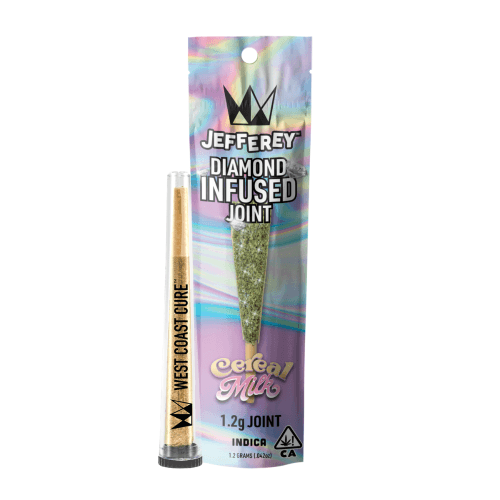
Fourth, think about how you plan to consume it. Vaporizing at lower temperatures tends to preserve more terpenes than combustion, which means the same flower can taste and feel noticeably different depending on how it is used. If you are still deciding between formats, our breakdown of classic versus infused pre-rolls is a useful next stop.

Finally, always buy from a licensed, lab-tested source. Testing confirms that what is printed on the label actually matches what is in the jar, which is the only way any of this framework works in practice.


THC % vs Terpenes: How to Choose Flower That Actually Feels Right


Matching Terpene Profiles to Common Goals

A few real-world pairings make this easier to apply at the counter.

If you are chasing deep relaxation or better sleep, look for myrcene- and linalool-forward flower, similar to the profile found in many classic OG Kush leaning strains.

If you want an energizing, social, daytime experience, look for limonene- or pinene-dominant flower, the kind of profile that shows up in diesel-leaning sativas.

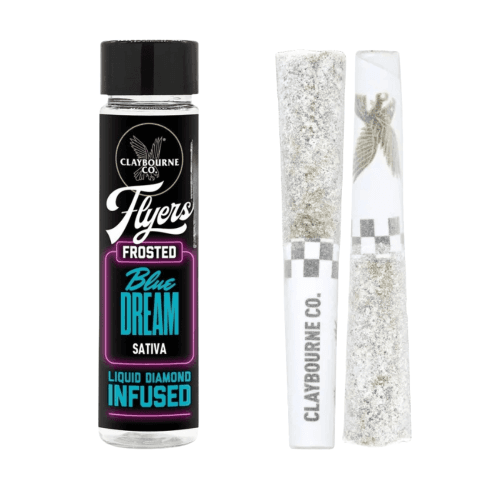
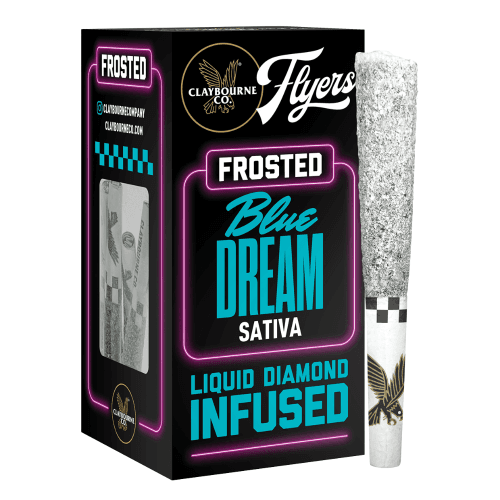
If you want a balanced experience that will not tip too far in either direction, a hybrid with a mixed terpene profile, such as Blue Dream, tends to offer a gentle, uplifting-yet-relaxing middle ground that works well for a wide range of consumers.

You can also browse flower by terpene profile directly, which makes it easier to shop by desired effect rather than strain name alone.


Common Mistakes Shoppers Make With Potency

Even experienced consumers fall into a few predictable traps when THC percentage is the only thing guiding a purchase.

Assuming Percentage Predicts Intensity in a Straight Line

A jump from 20 percent to 28 percent THC does not necessarily mean an experience that feels 40 percent stronger. How intense a strain feels depends heavily on the surrounding terpene and minor cannabinoid profile, plus your own tolerance that day. Treating THC percentage like a precise dial rather than a rough estimate is one of the most common reasons people end up disappointed with a high potency purchase.

Ignoring Freshness

Terpenes are volatile and begin breaking down as soon as flower is harvested, and even faster once a jar or bag is opened repeatedly. A strain with an impressive terpene profile on paper can taste and feel noticeably duller if it has been sitting on a shelf for months. Checking the package date is just as important as checking the percentages themselves.

Buying on Strain Name Alone

Genetics drift. The same strain name grown by two different cultivators can carry different terpene profiles, different potency, and a different overall feel, even if the name on the jar is identical. Strain names are useful for tracking preferences over time, but the lab results on the specific batch in front of you are always the more reliable guide.

Overlooking Storage After Purchase

Even a perfectly cured batch can lose potency and aroma quickly if it is left in a hot car, a plastic bag, or direct sunlight. Storing flower in an airtight glass container in a cool, dark spot helps preserve both the cannabinoid content and the terpene profile you picked it for in the first place.


THC % vs Terpenes: How to Choose Flower That Actually Feels Right


The Bottom Line

THC percentage is useful, but it was never designed to be the only number that matters. Terpenes are the part of the label that actually predicts how a strain will smell, taste, and feel once it kicks in. Once you start reading potency and terpene data together instead of chasing the highest number on the shelf, you will have a much easier time finding flower that consistently feels right, not just strong.

For a deeper look at strain types, potency ranges, and how to shop smarter overall, our complete cannabis flower guide covers everything this article builds on. And if edibles are part of your routine alongside flower, our edibles dosing guide is worth bookmarking too.

Ready to shop with terpenes in mind? Browse our full flower collection and start reading labels like someone who knows what they are looking for.

FAQ

Jenna Renz

Jenna is a California-based creative copywriter who’s been lucky enough to have worked with a diverse range of clients before settling into the cannabis industry to explore her two greatest passions: writing and weed.

  • Social media icon

Related Blogs

What Is CBN? The Sleep Cannabinoid Every Insomniac Should Know

What Is CBN? The Sleep Cannabinoid Every Insomniac Should Know

If you have spent any time in the CBD and wellness section of a dispensary lately, you have probably noticed CBN showing up on more and more labels, almost always paired with the word sleep. Nighttime gummies, evening tinctures, sleep drops. The marketing is everywhere, and for once, there is genuine science starting to catch up with the hype.

8 Min Sep 05, 2026Jenna Renz

Gummies vs Chocolates vs Baked Goods: Which Edible Format Hits Best?

Gummies vs Chocolates vs Baked Goods: Which Edible Format Hits Best?

Walk through the edibles case at any California dispensary and you will find the same milligram dose of THC packed into gummies, chocolate squares, and baked treats sitting side by side. On paper, 10 milligrams is 10 milligrams no matter what it is wrapped in. In practice, plenty of consumers swear one format hits harder, faster, or differently than another, and they are not entirely imagining it.

8 Min Sep 05, 2026Jenna Renz