Classic Pre-Rolls vs Infused Pre-Rolls: Which Should You Buy?

Scan the pre-roll section of any dispensary shelf and you'll notice the price range is wider than you'd expect for what looks like the same product: a rolled joint. A three-dollar classic sits next to a fifteen-dollar infused pre-roll, and at a glance, it's not always obvious why one costs five times as much as the other.

The answer comes down to what's actually inside. Classic and infused pre-rolls start from the same basic idea, ground flower rolled into a ready-to-smoke joint, but infused versions add another layer of cannabis product that changes potency, flavor, and price dramatically. Here's what actually separates the two, and how to decide which one belongs in your bag.


What Makes a Pre-Roll "Classic" vs "Infused"

Classic Pre-Rolls

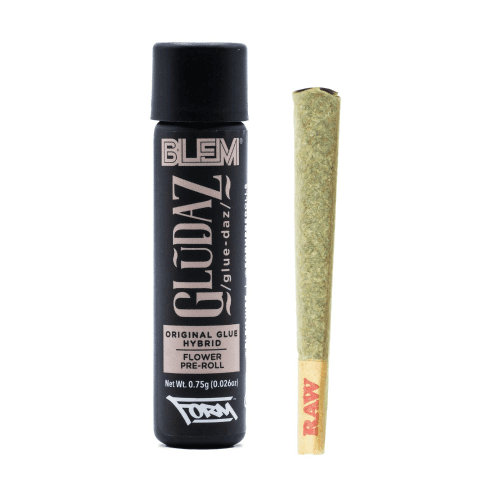
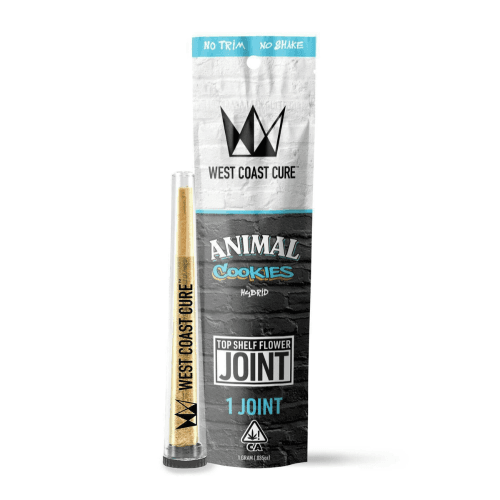
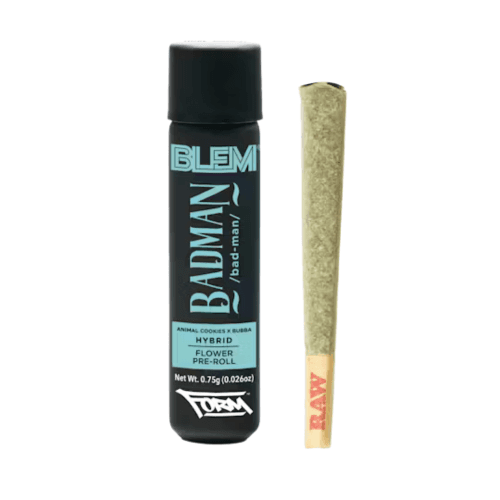
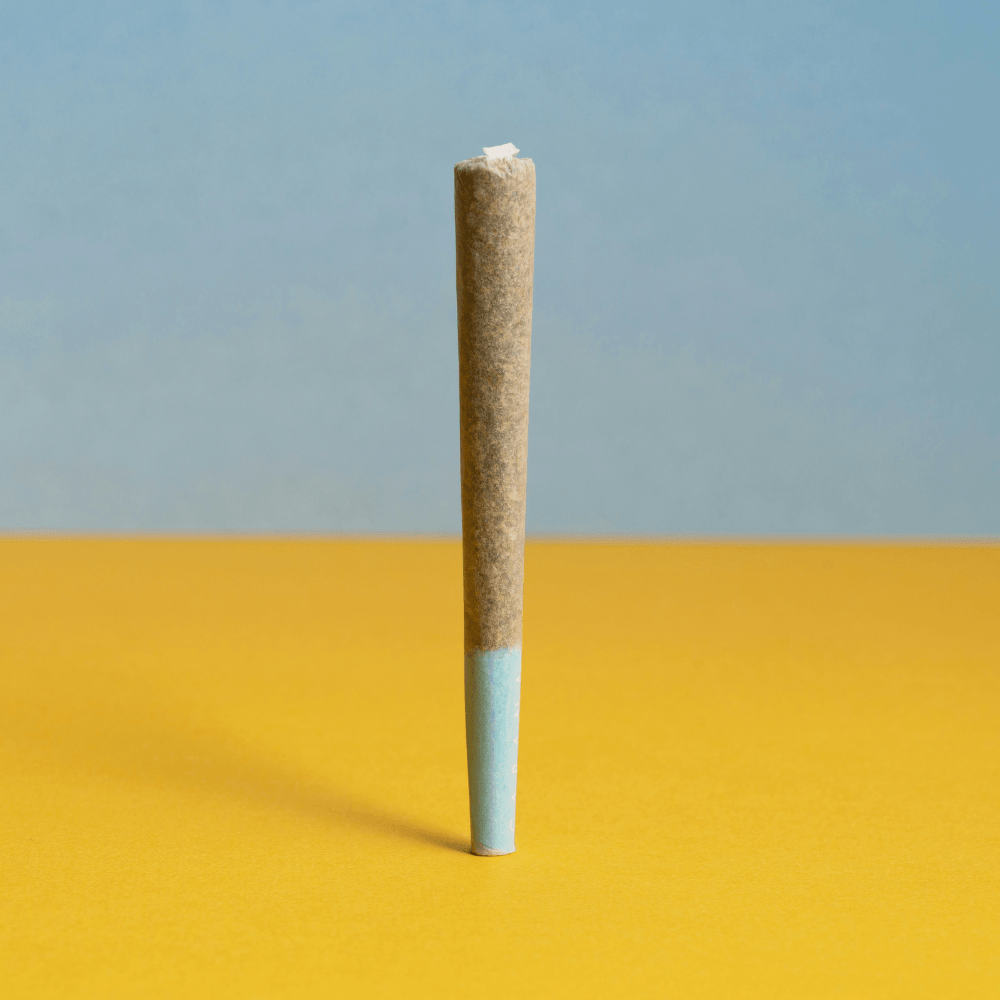
A classic pre-roll is ground cannabis flower rolled into a paper or cone, with nothing else added. What you get is a clean, traditional smoking experience that reflects the natural potency and terpene profile of the flower it was rolled from, generally landing in the same 15% to 25% THC range you'd expect from that strain in jar form.

Infused Pre-Rolls

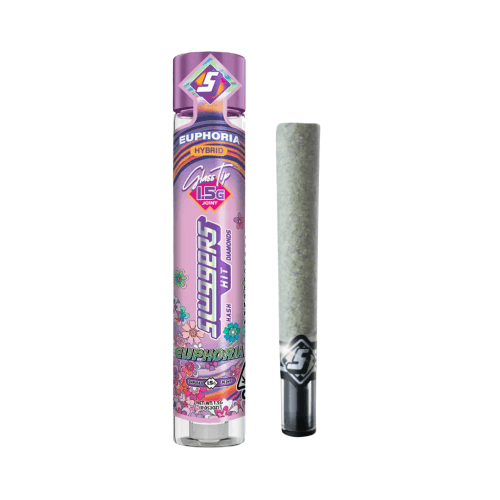
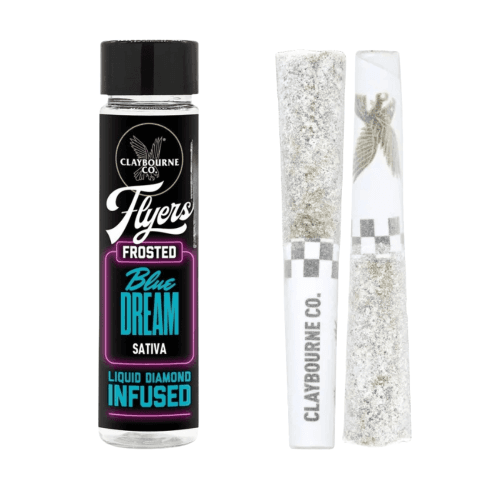
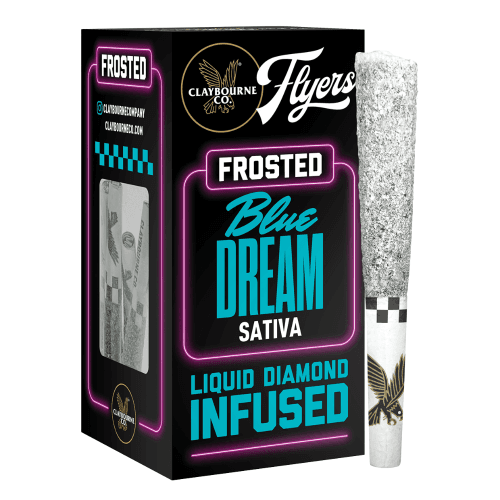
An infused pre-roll takes that same base joint and adds another cannabis product on top, most commonly kief, distillate, or a concentrate like live resin. That extra layer significantly boosts potency, often pushing infused pre-rolls into the 25% to 40%+ THC range, and can add a noticeably richer flavor depending on what's used for the infusion.


Classic Pre-Rolls vs Infused Pre-Rolls: Which Should You Buy?


Classic vs Infused: Quick Comparison

Classic pre-rolls contain ground flower only, making them the most straightforward option for consumers who want to experience the flower’s natural flavor and effects. They typically fall around 15%–25% THC and are generally the more affordable option, making them a good choice for everyday use, casual sessions, or newer consumers.

Infused pre-rolls combine ground flower with an additional cannabis product such as kief, distillate, or concentrate, typically resulting in higher potency, often around 25%–40%+ THC. The added infusion can enhance or change the flavor profile depending on the type used, and these pre-rolls generally cost more because of the additional product. They’re best suited for consumers looking for a stronger, more elevated session, particularly those with more experience.


What's Actually Inside an Infused Pre-Roll

Not all infused pre-rolls are built the same way, and the specific infusion matters just as much as the "infused" label itself.

Kief Infusion

Kief is the fine trichome powder collected from cannabis flower, often dusted onto the outside of the joint or mixed into the ground flower before rolling. It's a straightforward, cost-effective way to bump up potency without dramatically changing the price.

Distillate Infusion

Distillate is a highly refined, nearly flavorless cannabis oil, often injected into the joint or coated on the outside. It raises THC percentage substantially but contributes little in the way of taste, since most terpenes are stripped out during the distillation process.

Live Resin or Rosin Infusion

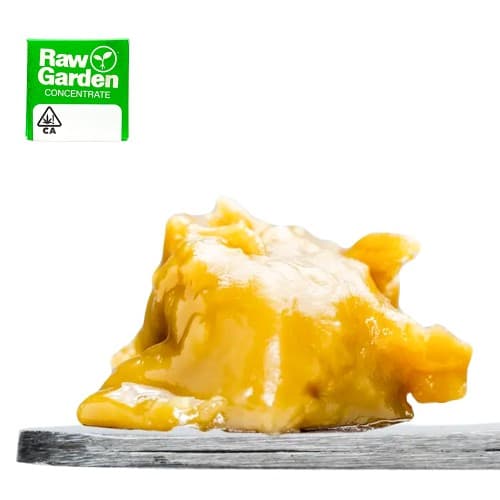
The most sought-after infused pre-rolls use live resin or live rosin, both of which retain much more of the plant's original terpene profile than distillate. These cost more, but the payoff is a noticeably richer, more strain-true flavor alongside the potency boost. Rosin-infused pre-rolls in particular are often marketed as the connoisseur-grade option, since rosin is produced with only heat and pressure and no chemical solvent.


Which One Should You Actually Buy?

Choose a Classic Pre-Roll If...

  • You're new to cannabis or have a lower tolerance and want a moderate, predictable experience
  • You smoke casually or socially and don't want an intense high
  • You're prioritizing value and want the best price per gram
  • You want a clean reflection of a specific strain's natural flavor and effects

Choose an Infused Pre-Roll If...

  • You have some smoking experience and want a stronger, more elevated session
  • Flavor is a priority and you're choosing a live resin or rosin infusion specifically
  • You want to save a dab rig or vape session for another time but still want concentrate-level potency
  • You're setting aside dedicated time to enjoy a slower, more intense smoke


A Quick Word on Reading the Label

Whichever type you choose, every legal pre-roll sold in California must carry lab-tested results and clear labeling. The California Department of Public Health's packaging requirements require every flower and pre-roll product to disclose net weight, the universal cannabis symbol, and a unique tracking number, on top of the potency and contaminant testing already required for all cannabis products. When you're comparing pre-rolls, check the label for:

  1. Total THC percentage
  2. Infusion type, if applicable, such as kief, distillate, live resin, or rosin
  3. Net weight, especially important when comparing multi-packs
  4. Strain name and whether it's a single strain or a blend
  5. Testing lab results confirming potency and screening for contaminants

An infused pre-roll that just says "infused" without specifying the concentrate type is worth a second look; the difference between a kief dusting and a live rosin infusion is significant, both in experience and in price.


Classic Pre-Rolls vs Infused Pre-Rolls: Which Should You Buy?


Don't Overlook Rosin Pre-Rolls

Rosin pre-rolls technically fall under the infused category, but they deserve their own callout. Because rosin is a solventless concentrate made using only heat and pressure, rosin-infused joints tend to deliver the fullest flavor of any infused option, often finished with an outer coating of kief or hash for an extra layer of potency. If you've tried a distillate-infused pre-roll and found the flavor underwhelming, a rosin version is worth the upgrade before writing off infused pre-rolls altogether. For a full breakdown of rosin, distillate, and every other pre-roll format, our Complete Pre-Roll Guide covers cones, blunts, minis, and multi-packs in more depth.


Storing Both Types for Freshness

Pre-rolls, classic or infused, are more exposed to air than flower stored in a jar, so they tend to dry out faster if left unprotected.

  • Store in an airtight container, away from direct light and heat
  • Transfer unused joints from a multi-pack into a small glass jar with a humidity pack if you won't finish them right away
  • Avoid leaving pre-rolls loose in a bag or pocket for extended periods, since that accelerates moisture loss and dulls flavor
  • Infused and rosin pre-rolls, in particular, benefit from careful storage since their added terpene content is more delicate than plain ground flower


How Pre-Roll Format Affects the Comparison

The classic-versus-infused decision isn't the only variable at play. The physical format of the pre-roll itself changes the experience, regardless of what's inside.

Cone-Style Pre-Rolls

The most common format uses a pre-formed paper cone, machine- or hand-filled with ground flower. Cones burn evenly and are widely available in both classic and infused versions, making them the easiest starting point for comparing the two directly.

Blunts

Pre-rolled blunts swap traditional rolling paper for a tobacco leaf or hemp wrap, which slows the burn and adds its own flavor. Infused blunts exist too, though the wrap's flavor can compete with a delicate rosin or live resin infusion more than a standard paper cone would.

Multi-Packs vs. Singles

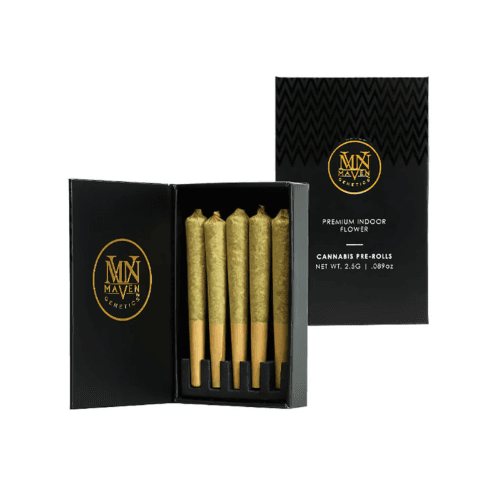
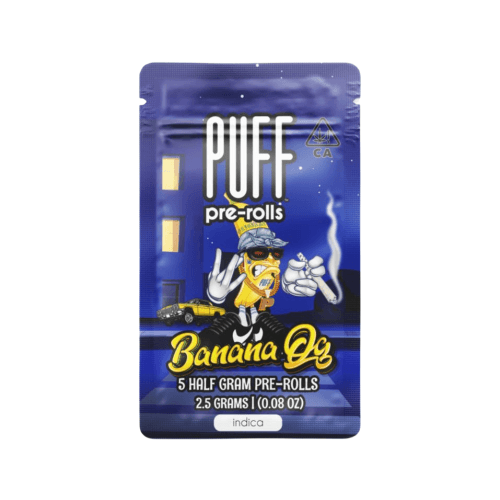
Classic pre-rolls are frequently sold in multi-packs of five, seven, or ten, since the lower per-unit cost makes bulk buying practical for everyday use. Infused and rosin pre-rolls are more commonly sold as singles or in smaller two- or three-packs, reflecting both the higher production cost and the fact that most consumers don't need several high-potency joints on hand at once.

Mini Pre-Rolls

Smaller "dogwalker" style minis have become popular in both categories. A classic mini is a great low-commitment option for a quick solo session, while an infused mini lets you sample a stronger, more concentrated experience without committing to a full-sized joint.


Common Mistakes to Avoid

A few missteps come up often when consumers are choosing between classic and infused pre-rolls:

Assuming All Infused Pre-Rolls Are Interchangeable

Two pre-rolls labeled "infused" can deliver completely different experiences depending on whether the infusion is kief, distillate, or rosin. Always check the specific concentrate type before assuming you know what you're getting.

Buying Based on THC Percentage Alone

A higher THC percentage doesn't guarantee a better smoke if the infusion strips out flavor, as distillate often does. If flavor matters to you, prioritize the infusion type over the number on the label.

Jumping Straight to Rosin or Live Resin Infusions

If you haven't tried an infused pre-roll before, starting with the most potent, most expensive option isn't necessarily the best entry point. A kief-infused pre-roll offers a gentler step up from classic before committing to a full rosin experience.

Forgetting That Format Affects Freshness

A multi-pack of classic pre-rolls left open in a bag will dry out faster than a single infused pre-roll stored properly. Regardless of which type you buy, storage habits have a real impact on how the joint smokes.


Classic Pre-Rolls vs Infused Pre-Rolls: Which Should You Buy?


Bringing It All Together

Classic and infused pre-rolls aren't really competing products, they're built for different moments. A classic pre-roll is the reliable, moderate option for everyday use, while an infused or rosin pre-roll is the upgrade for when you want a stronger, more flavorful session without setting up a dab rig or reaching for a vape. Neither is objectively "better," and plenty of regular consumers keep both types on hand depending on the day.

If you're unsure where to start, a classic pre-roll is the safer first move, especially if you haven't already built a tolerance around concentrates. From there, work your way toward kief, then distillate, then live resin or rosin infusions as you get a feel for how much of a potency jump you're comfortable with.

For more on cannabis formats beyond the joint, check out our guides to cannabis concentrates, cannabis edibles, and CBD and cannabis wellness.

Ready to compare for yourself? Browse our full pre-roll selection to find the potency, infusion type, and price point that fits your next session, and check out our brand and strain pages to find genetics and cultivators you already trust.

FAQ

Jenna Renz

Jenna is a California-based creative copywriter who’s been lucky enough to have worked with a diverse range of clients before settling into the cannabis industry to explore her two greatest passions: writing and weed.

  • Social media icon

Related Blogs

Edibles Dosing Guide: How Much Should You Actually Take?

Edibles Dosing Guide: How Much Should You Actually Take?

More edible-related mishaps come down to one thing: not understanding that edibles work on a completely different timeline than smoking or vaping. With flower or a vape, you feel effects within minutes and can adjust in real time. With an edible, you might not feel anything for an hour or two, which makes it dangerously easy to assume the first dose "isn't working" and take more before it's actually kicked in.

8 Min Aug 21, 2026Jenna Renz

Solventless vs Solvent-Based Concentrates: What's the Actual Difference?

Solventless vs Solvent-Based Concentrates: What's the Actual Difference?

Open the concentrates case at any California dispensary and you'll see two words used constantly: solventless and solvent-based. They sound like a simple either/or choice, but the distinction actually explains a lot about why a gram of live rosin costs three times as much as a gram of shatter, and why some concentrates are prized for flavor while others are prized for raw potency.

8 Min Aug 21, 2026Jenna Renz