The Complete Cannabis Flower Guide 2026: Strains, Potency, Terpenes & How to Choose

Cannabis flower remains the most popular way to experience cannabis, and for good reason. It's versatile, fast-acting, and offers a sensory experience that concentrates and edibles simply can't replicate. But walking into a dispensary today means facing shelves packed with unfamiliar strain names, potency percentages, and terpene profiles that can make even seasoned consumers pause.

This guide breaks down everything you need to know to shop smarter in 2026,  from understanding strain types and THC potency to reading terpene profiles and choosing the right flower for your needs. Whether you're new to cannabis or a longtime flower enthusiast in California, consider this your complete reference.


What Is Cannabis Flower?

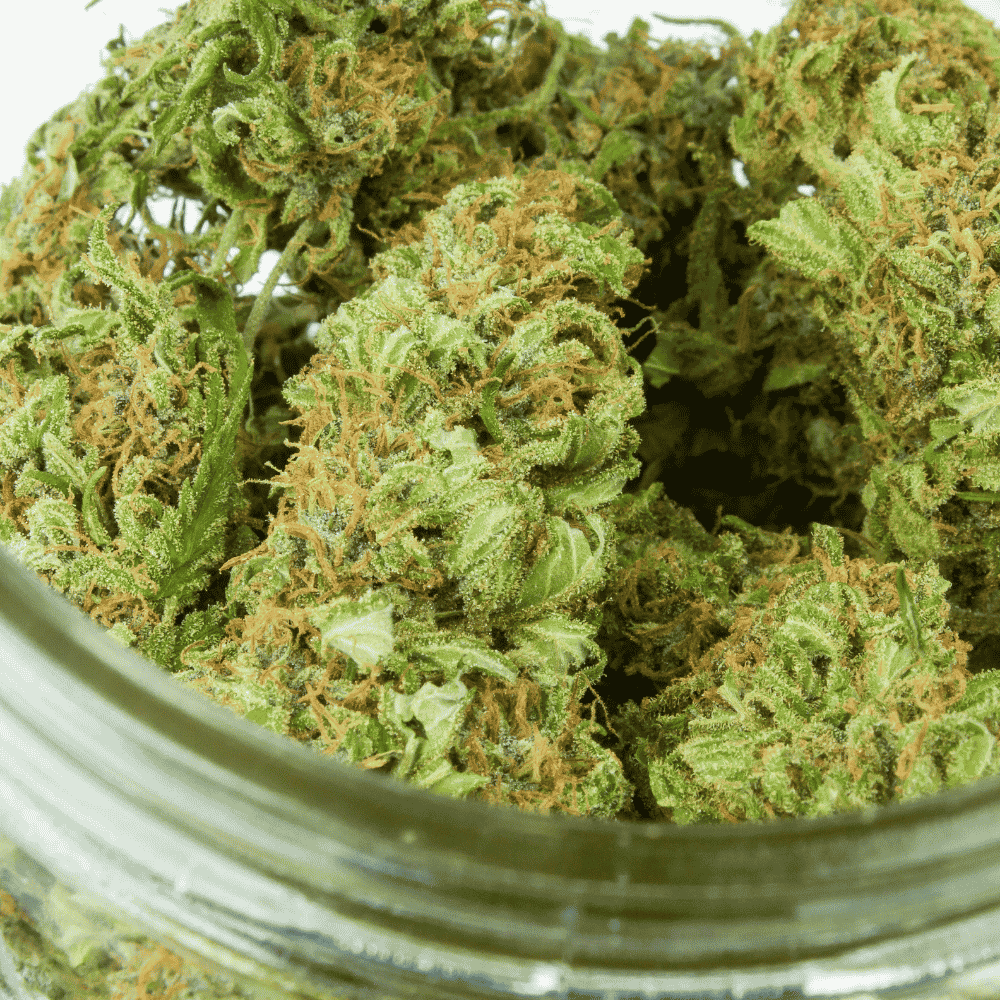
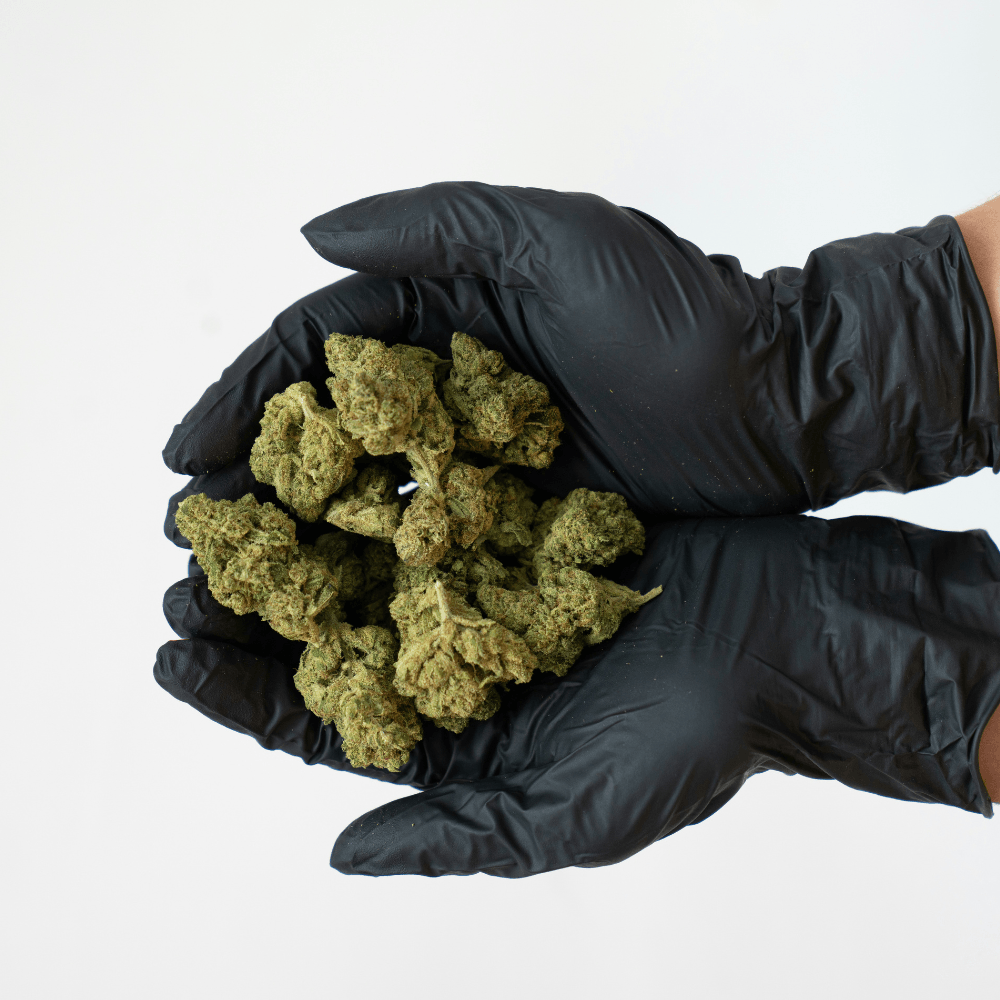
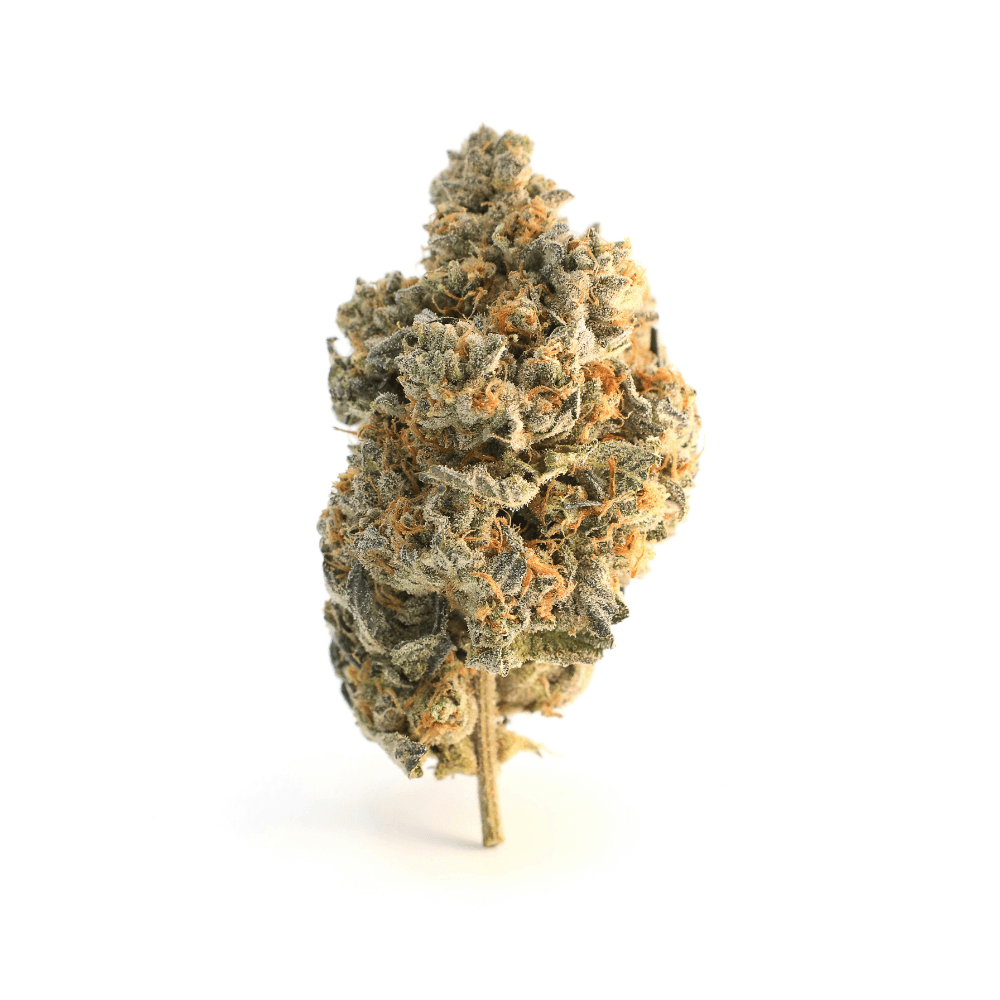
Cannabis flower refers to the dried, cured buds of the cannabis plant,  the part that's typically smoked, vaporized, or ground up for use in joints, pipes, and bongs. It's the most traditional and widely consumed form of cannabis, prized for its natural cannabinoid and terpene content, immediate onset of effects, and the wide variety of strains available.

Unlike edibles or tinctures, flower delivers effects within minutes because cannabinoids are absorbed directly through the lungs into the bloodstream. This makes it easier to control your experience in real time, which is one reason flower continues to dominate cannabis sales even as new product categories emerge.


The Complete Cannabis Flower Guide 2026: Strains, Potency, Terpenes & How to Choose


Understanding Strain Types: Indica, Sativa, and Hybrid

For decades, cannabis strains were categorized into three broad buckets: indica, sativa, and hybrid. While this classification is still useful as a starting point, it's increasingly understood to be an oversimplification.

Indica

Indica strains are traditionally associated with relaxing, body-heavy effects. They're often recommended for evening use, unwinding after a long day, or supporting sleep. Physically, indica plants tend to be shorter and bushier with wider leaves.

Sativa

Sativa strains are typically linked to more energizing, cerebral effects. Think creativity, sociability, and daytime use. Sativa plants tend to grow taller with narrower leaves and longer flowering times.

Hybrid

Most modern strains are hybrids, bred to combine characteristics of both indica and sativa lineages. A hybrid might lean indica-dominant or sativa-dominant, or sit right in the middle, offering a blend of relaxing and energizing effects.

Why the Indica/Sativa Divide Is Changing

Cannabis researchers and cultivators increasingly agree that a strain's effects come down less to its indica or sativa label and more to its specific cannabinoid and terpene profile. Two "indica" strains can feel completely different depending on their chemical makeup. That's why savvy shoppers in 2026 are looking past the label and checking potency and terpene data directly.


Cannabis Potency: What THC and CBD Percentages Actually Mean

Potency is usually the first number people check on a flower package, but it only tells part of the story.

THC Percentage

THC (tetrahydrocannabinol) is the primary psychoactive compound in cannabis. Flower potency can range widely:

  • Low potency (10–15% THC): Milder effects, good for beginners or low-tolerance consumers
  • Moderate potency (15–22% THC): The most common range for balanced, everyday use
  • High potency (22%+ THC): Stronger effects, best suited for experienced consumers

It's worth noting that THC percentage alone doesn't determine how "high" you'll get. Tolerance, consumption method, and (critically) the presence of other cannabinoids and terpenes all shape the actual experience.

CBD and Minor Cannabinoids

CBD (cannabidiol) is non-intoxicating and is often associated with calming, anti-inflammatory effects. Some flower is bred specifically for higher CBD content, offering a milder, more functional experience. Minor cannabinoids like CBG, CBN, and THCV are also gaining attention for their distinct, subtle contributions to the overall effect.

The Entourage Effect

Many researchers believe cannabinoids and terpenes work synergistically, a phenomenon known as the entourage effect. This is why two strains with identical THC percentages can feel noticeably different. It's also why potency numbers alone are an incomplete guide when choosing flower.


Terpenes: The Secret to How Flower Actually Feels

If potency tells you how strong a strain might be, terpenes tell you how it will actually feel and smell. Terpenes are aromatic compounds found throughout nature in pine trees, citrus fruit, lavender, and, of course, cannabis. They're responsible for a strain's distinct scent and flavor, and increasingly, cultivators believe they play a major role in shaping effects.

Here are some of the most common cannabis terpenes to know:

  • Myrcene – Earthy, musky aroma; commonly linked to relaxing, sedative effects
  • Limonene – Citrus scent; associated with uplifted mood and stress relief
  • Caryophyllene – Peppery, spicy notes; may contribute to anti-inflammatory effects
  • Linalool – Floral, lavender-like aroma; often linked to calming effects
  • Pinene – Fresh pine scent; associated with alertness and focus
  • Terpinolene – Herbal, slightly floral; found in more uplifting, sativa-leaning strains

When shopping, smelling the flower (or reading the lab-tested terpene profile on the packaging) can tell you more about the likely experience than the strain name alone.


How to Read a Cannabis Flower Label

California dispensaries are required to provide lab-tested results for every batch of flower sold. Learning to read these labels is one of the most valuable skills a cannabis consumer can develop.

Look for:

  1. THC and CBD percentages – Total cannabinoid content by weight
  2. Terpene profile – The top three to five terpenes and their percentages
  3. Harvest or package date – Fresher flower generally retains more terpenes
  4. Cultivator name – Helps you track brands and farms you trust
  5. Testing lab information – Confirms the product passed California's required contaminant and potency testing

A batch with a detailed terpene breakdown and a recent package date is often a better indicator of quality than THC percentage alone.


The Complete Cannabis Flower Guide 2026: Strains, Potency, Terpenes & How to Choose


Popular Cannabis Flower Categories in 2026

The cannabis market continues to diversify well beyond the classic three-way split. Here's what's shaping shelves this year:

Craft and Small-Batch Flower

Boutique cultivators focused on quality over volume continue to gain a loyal following, often growing in small batches with meticulous attention to curing and trimming.

Live-Resin-Infused and Terpene-Enhanced Flower

Some flower is now infused with live resin or additional terpenes for a more potent, flavorful experience, a middle ground between traditional flower and concentrates.

Sun-Grown and Regenerative Flower

Outdoor and sun-grown flower has seen renewed interest among consumers looking for a more natural cultivation process, often paired with sustainable or regenerative farming practices.

Minor Cannabinoid Strains

Strains bred for elevated CBG, CBN, or THCV are increasingly available for consumers seeking specific effects like focus, sleep support, or appetite management.


How to Choose the Right Cannabis Flower for You

With so many variables like strain, potency, terpenes, cultivation method, choosing flower can feel overwhelming. Here's a simple framework to narrow it down:

1. Start With Your Desired Effect

Are you looking to relax, socialize, focus, or sleep? Let your goal guide your terpene and strain choice before you even look at THC percentage.

2. Consider Your Tolerance

New or low-tolerance consumers should generally start with lower-potency flower (under 18% THC) and adjust from there. Experienced consumers may prefer higher-potency options, but even then, terpene profile matters more than raw percentage for a good experience.

3. Check the Terpene Profile, Not Just THC%

If a strain's dominant terpene is myrcene or linalool, expect something more relaxing. If it's limonene or pinene, expect something more energizing and clear-headed.

4. Think About Consumption Method

Flower can be smoked in a joint or pipe, vaporized in a dry herb vaporizer, or used in a bong or bubbler. Vaporizing at lower temperatures tends to preserve more terpenes, offering a more flavorful, nuanced experience compared to combustion.

5. Buy From Trusted, Lab-Tested Sources

Always purchase from a licensed California dispensary that provides full lab results. This ensures the flower has been tested for pesticides, mold, heavy metals, and accurate potency, protecting both your health and your experience.


Storing Cannabis Flower for Maximum Freshness

Even the best flower degrades over time if stored improperly. To preserve potency, aroma, and terpene content:

  • Store in an airtight glass container, away from direct light
  • Keep in a cool, dark place. Avoid heat and humidity swings
  • Avoid plastic bags, which can degrade trichomes and trap moisture
  • Use humidity packs to maintain an ideal 55–62% relative humidity
  • Buy in quantities you'll use within a few weeks for peak freshness


Popular Strain Names and What They Tell You

While terpene and cannabinoid data are the most reliable indicators of effect, strain names still matter for tracking your preferences over time. Here are a few well-known genetics you'll frequently see on California dispensary shelves, along with what they tend to offer:

  • OG Kush and its descendants – Often earthy and piney, leaning toward relaxing, heavy-bodied effects thanks to a myrcene- and caryophyllene-forward profile
  • Sour Diesel and Diesel crosses – Pungent, fuel-like aroma with energizing, sativa-leaning effects driven by limonene and pinene
  • Gelato and Cookies lineage – Sweet, dessert-like flavors with balanced hybrid effects, popular for their smooth smoke and approachable potency
  • Blue Dream and its hybrids – Berry-forward aroma with a gentle, uplifting-yet-relaxing balance, often recommended for new consumers
  • Runtz and its variants – Fruity, candy-like terpene profiles paired with strong, hybrid effects and typically higher THC percentages

Rather than chasing a specific name, use these examples as a starting point, then look at the actual lab results for the batch in front of you. Genetics can drift between growers, so the same strain name from two different cultivators can taste and feel quite different.


Cannabis Flower and California Law

California allows adults 21 and older to purchase and possess cannabis flower from licensed retailers, with a possession limit of 28.5 grams of flower for personal use. All flower sold at licensed dispensaries must pass the state's required testing for potency, pesticides, heavy metals, and microbial contaminants before it reaches the shelf.

Buying from a licensed retailer isn't just a legal formality, it's your best guarantee that what's on the label matches what's in the jar. Unregulated or unlicensed sources have no such requirements, which means the potency and terpene data may be inaccurate, or the product may not have been tested for contaminants at all.


The Complete Cannabis Flower Guide 2026: Strains, Potency, Terpenes & How to Choose


Final Thoughts

Choosing the right cannabis flower in 2026 means looking beyond the indica/sativa label and the THC percentage on the front of the package. Terpene profiles, cultivation methods, freshness, and lab testing all play a role in shaping your experience. The more you understand these factors, the more confidently you can navigate dispensary shelves and find flower that actually matches what you're looking for.

Ready to explore a curated selection of lab-tested cannabis flower? Browse our full flower collection to find strains suited to your preferences, potency needs, and desired effects.

FAQ

Jenna Renz

Jenna is a California-based creative copywriter who’s been lucky enough to have worked with a diverse range of clients before settling into the cannabis industry to explore her two greatest passions: writing and weed.

  • Social media icon

Related Blogs

CBD and Cannabis Wellness Guide 2026: Cannabinoids, Products and How to Actually Use Them

CBD and Cannabis Wellness Guide 2026: Cannabinoids, Products and How to Actually Use Them

Cannabis wellness has moved well beyond CBD oil in a dropper bottle. In 2026, dispensary shelves are stocked with a growing lineup of minor cannabinoids, functional blends, and targeted products designed for sleep, recovery, focus, and stress relief, often with little or no intoxicating effect at all. For anyone curious about using cannabis for wellness rather than a traditional high, the options can feel just as overwhelming as the psychoactive side of the market.

8 Min Aug 07, 2026Jenna Renz

The Complete Pre-Roll Guide 2026: Classic Joints, Infused Pre-Rolls & Rosin Joints Explained

The Complete Pre-Roll Guide 2026: Classic Joints, Infused Pre-Rolls & Rosin Joints Explained

Pre-rolls have quietly become one of the most popular categories in cannabis retail, and it's easy to see why. There's no grinding, no rolling papers, no fumbling with a filter. You just grab one, light it, and go. But the pre-roll category in 2026 looks nothing like it did even a few years ago. What used to be a simple, sometimes lower quality convenience item has evolved into a genuinely premium product line, with infused options and rosin coated joints that rival or exceed the experience of r

8 Min Aug 07, 2026Jenna Renz