Edibles Dosing Guide: How Much Should You Actually Take?

More edible-related mishaps come down to one thing: not understanding that edibles work on a completely different timeline than smoking or vaping. With flower or a vape, you feel effects within minutes and can adjust in real time. With an edible, you might not feel anything for an hour or two, which makes it dangerously easy to assume the first dose "isn't working" and take more before it's actually kicked in.

This guide walks through exactly how edible dosing works, what a reasonable starting point looks like depending on your experience level, and how to avoid the most common mistake that turns a pleasant edible experience into an uncomfortable one.


Why Edibles Dosing Is Different From Smoking or Vaping

When you smoke or vape, THC enters your bloodstream directly through the lungs, producing effects within minutes. Edibles take a completely different route. Once swallowed, THC passes through your digestive system and liver, where it's converted into a compound called 11-hydroxy-THC. This metabolite crosses the blood-brain barrier more efficiently than inhaled THC, which is part of why edibles often feel stronger and more body-focused, milligram for milligram, than smoking the same amount.

This process also takes time. Depending on your metabolism, stomach contents, and the specific product, onset typically ranges from 30 minutes to two hours, with effects peaking around two to four hours after consumption and lasting anywhere from four to eight hours total. Understanding that delay is the single most important thing to know before trying an edible.


Edibles Dosing Guide: How Much Should You Actually Take?


General Dosing Ranges to Know

The cannabis industry generally organizes THC dosing into a few broad tiers, but these should be viewed as starting points rather than prescriptions since individual sensitivity can vary based on factors like body weight, metabolism, tolerance, and whether you’ve eaten.

2.5–5 mg is generally considered a microdose and may be appropriate for beginners, low-tolerance consumers, or anyone looking for subtle, functional effects.

10 mg is the standard single serving size in California and can be a reasonable starting point for someone with some prior experience.

20–50 mg is considered an elevated dose and is generally intended for experienced, higher-tolerance consumers.

50 mg or more is a high dose intended only for very experienced consumers and is not recommended as a starting point.


The Golden Rule: Start Low and Wait

Because edibles take so much longer to kick in than smoking or vaping, the single most important habit for a comfortable experience is starting low and waiting at least two hours before considering more. Taking a second dose too soon, before the first has fully set in, is the most common cause of uncomfortable overconsumption, and it's almost always avoidable with a little patience. As Los Angeles's official cannabis regulation guidance puts it plainly: if you don't feel anything right away, don't rush to take more, and wait at least two hours for ingestibles before reassessing.


How Dosing Varies by Edible Format

Not every edible delivers milligrams the same way, and format affects both precision and onset speed.

Gummies

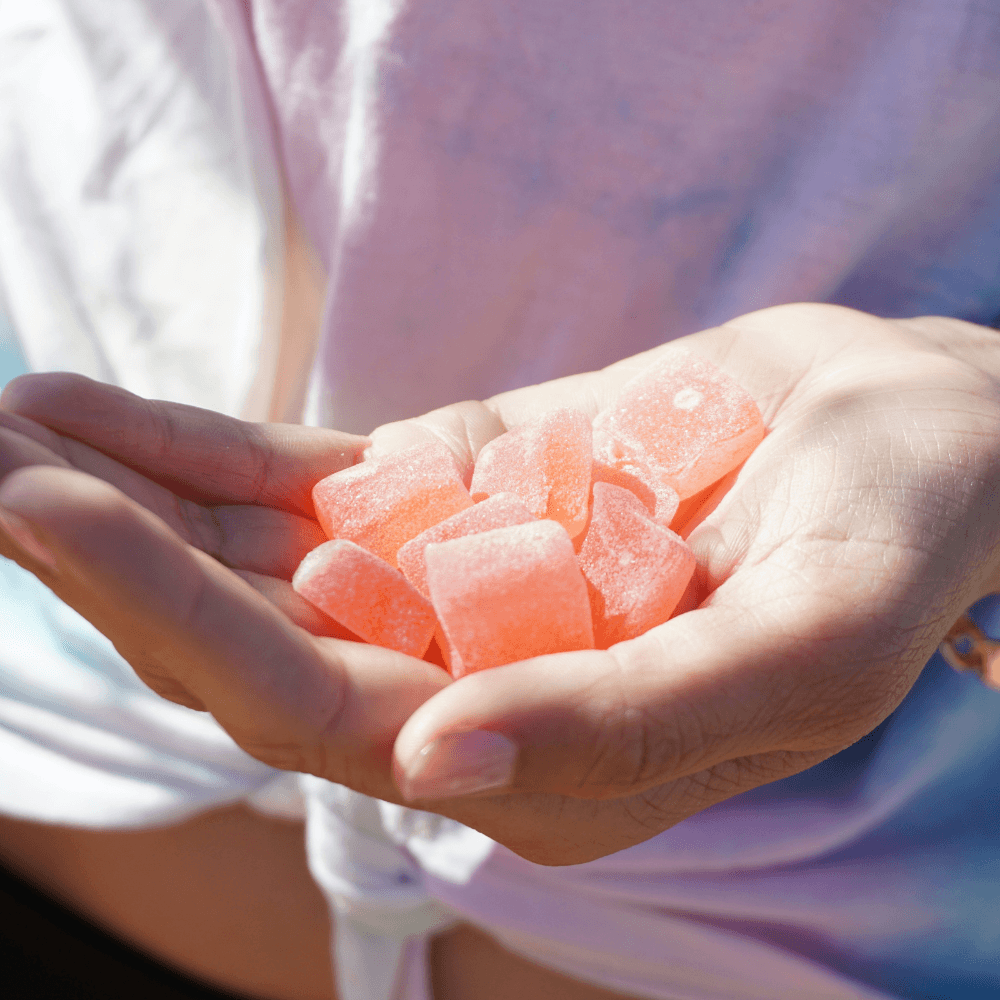
Gummies are typically dosed in clean increments of 2.5, 5, or 10 milligrams per piece, making it straightforward to eat a partial or whole piece depending on your target dose. This precision is a big reason gummies remain the most popular edible format for beginners.

Chocolates

Chocolate bars are usually scored into individual squares dosed similarly to gummies, though the richer flavor can sometimes mask onset, making it easier to lose track of how much you've actually eaten. Pay closer attention to the serving line than you might with a gummy.

Beverages

Cannabis-infused beverages, especially newer formulations using nanoemulsion technology, can produce effects in as little as 15 to 30 minutes, notably faster than solid edibles. If you're used to the two-hour wait associated with gummies or chocolate, a fast-acting beverage requires recalibrating your expectations.

Tinctures and Drops

Tinctures taken sublingually (under the tongue) allow partial absorption through the mucous membranes rather than relying solely on digestion, which typically produces faster onset, often 15 to 45 minutes, along with highly flexible, drop-by-drop dosing.

Baked Goods

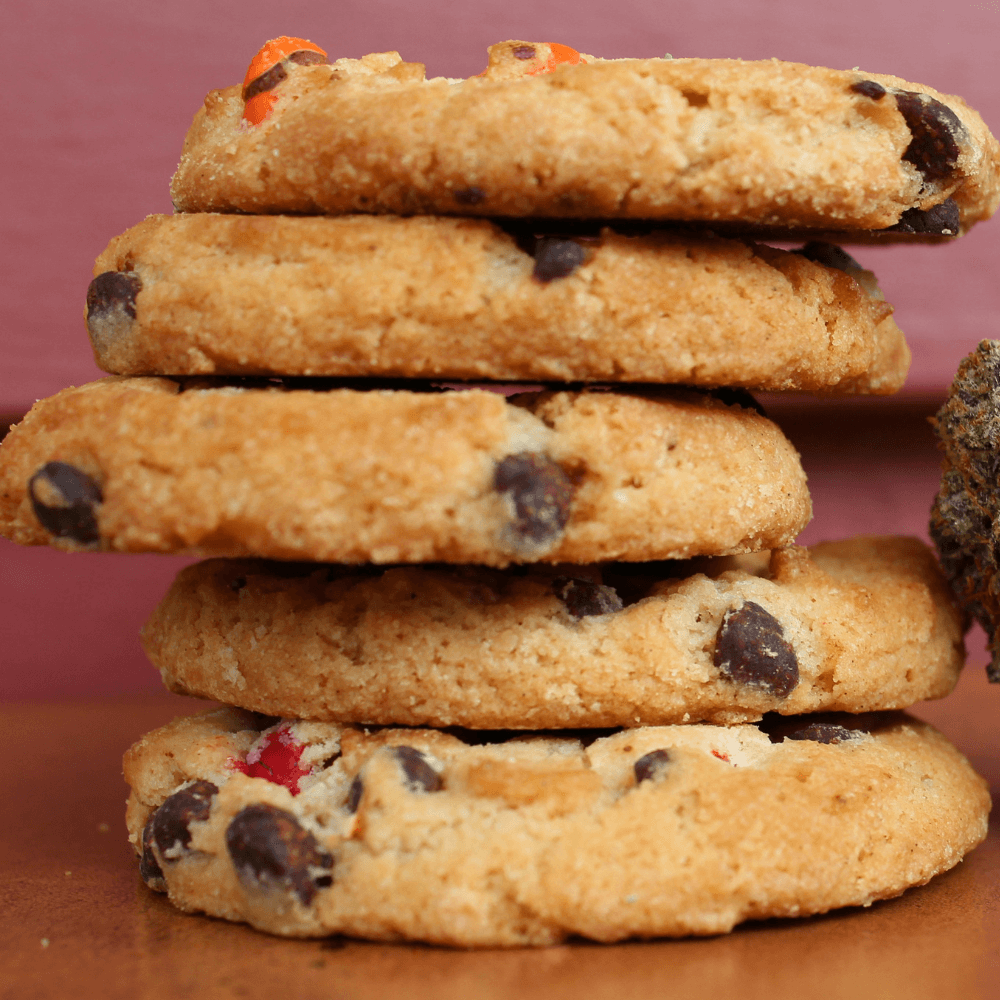
Cookies, brownies, and similar snacks behave similarly to gummies and chocolate in onset and duration, but dosing precision depends heavily on whether the product is clearly scored into servings. Always double-check labeled serving sizes before eating a baked good edible, since uneven portions are easy to misjudge.


How to Read an Edibles Label

California requires clear labeling on every legal edible. Before you eat, check for:

  1. Total THC per package and THC per serving, both listed in milligrams
  2. Serving size guidance, such as how many gummies or chocolate squares equal one serving
  3. Ingredient list, including allergen information
  4. Testing lab results confirming potency accuracy and screening for contaminants

California law caps individual edible packages at 100 milligrams of total THC, with each individual serving capped at 10 milligrams, which makes it considerably easier to control intake compared to unregulated products.


Edibles Dosing Guide: How Much Should You Actually Take?


Choosing a Starting Dose Based on Experience

First-Time Consumers

Start at 2.5 to 5 milligrams, even if you already have experience smoking or vaping. Edibles metabolize differently in the body, so a high tolerance built from inhaling cannabis doesn't reliably carry over to how you'll respond to an edible.

Occasional Consumers

10 milligrams is a reasonable starting point if you've tried edibles a few times before without discomfort. This is also the standard single-serving size used across California's regulated market.

Experienced Consumers

20 to 50 milligrams may be appropriate for consumers with an established, higher tolerance, though even seasoned users can find doses at the top of this range more intense than expected, especially on an empty stomach.

Regardless of experience level, the same rule applies across the board: start at the lower end of what feels right for you, and give it real time before deciding whether to take more.


Factors That Affect How an Edible Hits You

A handful of variables can meaningfully change how a given dose feels, even for the exact same product:

  • Stomach contents. Taking an edible on an empty stomach tends to speed up onset and intensify effects, while eating with food can slow and moderate absorption.
  • Body weight and metabolism. These influence how quickly THC is processed, though tolerance varies significantly between individuals regardless of size.
  • Product type. Fast-acting beverages and tinctures kick in sooner than gummies, chocolate, or baked goods.
  • Prior tolerance. Regular cannabis use can shift your ideal dose over time, but tolerance to smoking doesn't automatically translate to edibles.


Common Edible Dosing Mistakes

Redosing too soon. Taking a second dose within the first hour or two, before the first has kicked in, is the most frequent cause of uncomfortable overconsumption.

Assuming smoking tolerance applies to edibles. Because edibles metabolize differently in the liver, a high tolerance to inhaled cannabis doesn't reliably predict how you'll respond to an edible.

Ignoring stomach contents. Eating an edible on an empty stomach versus after a meal can noticeably change both onset speed and intensity, so it's worth factoring in before you dose.

Splitting doses unevenly. Cutting a gummy or chocolate square imprecisely makes it hard to know your actual intake. Stick to clearly scored or individually dosed products when precision matters.

Combining edibles with alcohol. Mixing the two can intensify effects and make it harder to gauge your own impairment, which is why many consumers choose to keep them to separate occasions.


What to Do If You've Taken Too Much

Even careful, experienced consumers occasionally misjudge a dose. If you've taken more than intended, know that cannabis overconsumption, while uncomfortable, is not medically dangerous in the way alcohol or other substances can be. Find a safe, comfortable place to sit or lie down, stay hydrated, and remember that the effects are temporary and will pass, typically within a few hours. If you feel highly anxious or disoriented, having a trusted person nearby and focusing on slow, steady breathing can help until things settle. If at any point you have concerns about your physical health, don't hesitate to contact a medical professional or poison control.

For a broader overview of gummies, chocolates, beverages, and every edible format available in 2026, our Cannabis Edibles Guide covers the full category in more depth, including what to look for beyond just the dosing number.


Beyond THC: Dosing With Cannabinoid Blends

Not every edible on the shelf is dosed as straight THC anymore. Many 2026 products incorporate CBD, CBN, or balanced ratios designed for a specific effect, like relaxation, sleep support, or a smoother, less intense high. If you've found that standard THC-only edibles feel too intense even at a low dose, a product with a higher CBD-to-THC ratio can offer a gentler, more functional experience at a similar milligram count. Checking the full cannabinoid breakdown on the label, not just the THC number, is worth the extra few seconds if you're looking for something more targeted than a traditional high.


Setting and Mindset Matter Too

Dosing isn't purely a numbers game. Where you are and how you're feeling going in can meaningfully shape how a given dose lands. A 10 milligram edible enjoyed in a relaxed, familiar environment often feels very different from the same dose taken somewhere unfamiliar or stressful. If you're trying a new product or a higher dose than usual, it's worth doing so in a comfortable setting with time set aside, rather than fitting it into a tight schedule or an unfamiliar social situation.


Edibles Dosing Guide: How Much Should You Actually Take?


Bringing It All Together

Dialing in the right edible dose isn't about finding a universal number, it's about starting conservatively, understanding the format you've chosen, and giving your body enough time to tell you what it actually needs before you decide whether to take more. Whether you land on a 2.5 milligram gummy or a 10 milligram chocolate square, the golden rule stays the same: start low, wait it out, and adjust gradually from there.

For more on other cannabis formats and how they compare, check out our guides to cannabis concentrates, pre-rolls, and CBD and cannabis wellness.

Ready to find your dose? Browse our full edibles selection to compare gummies, chocolates, and beverages by milligram strength, and explore our brand and strain pages to find genetics and cultivators you already trust.

FAQ

Jenna Renz

Jenna is a California-based creative copywriter who’s been lucky enough to have worked with a diverse range of clients before settling into the cannabis industry to explore her two greatest passions: writing and weed.

  • Social media icon

Related Blogs

Solventless vs Solvent-Based Concentrates: What's the Actual Difference?

Solventless vs Solvent-Based Concentrates: What's the Actual Difference?

Open the concentrates case at any California dispensary and you'll see two words used constantly: solventless and solvent-based. They sound like a simple either/or choice, but the distinction actually explains a lot about why a gram of live rosin costs three times as much as a gram of shatter, and why some concentrates are prized for flavor while others are prized for raw potency.

8 Min Aug 21, 2026Jenna Renz