
Lemon Tree Strain
Recommended Products
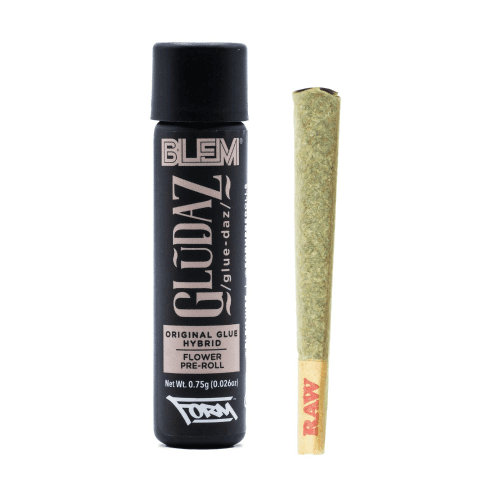
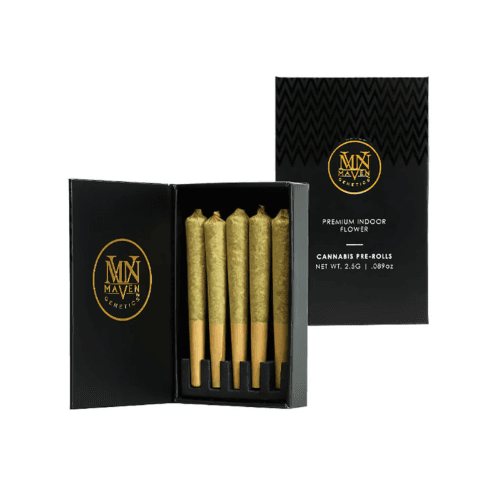

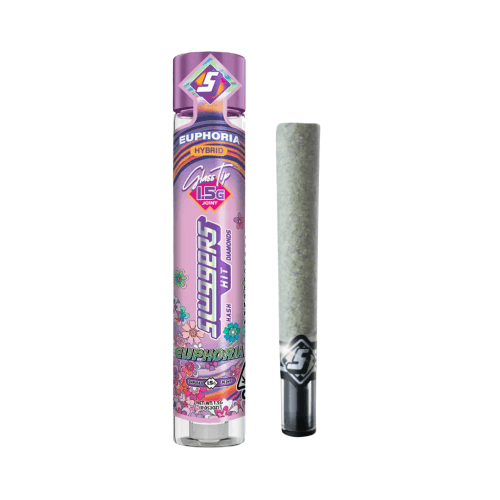
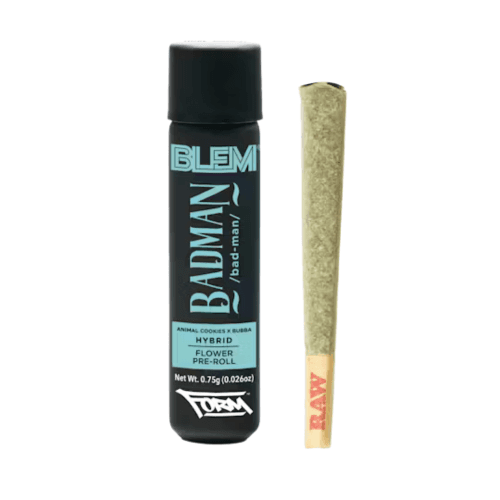
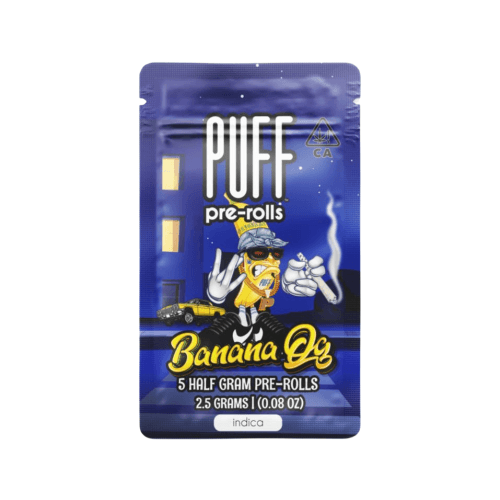
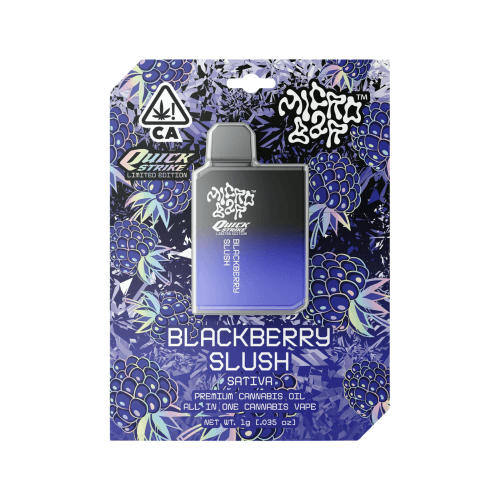
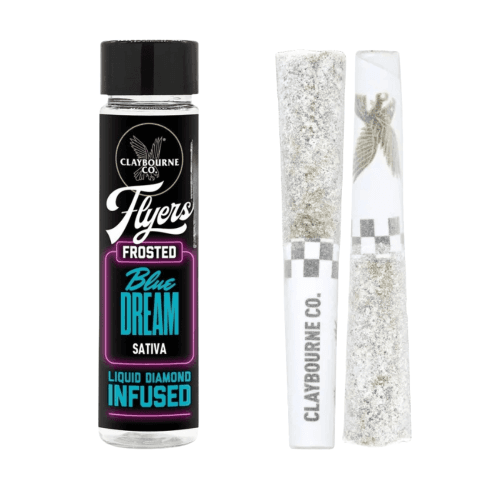


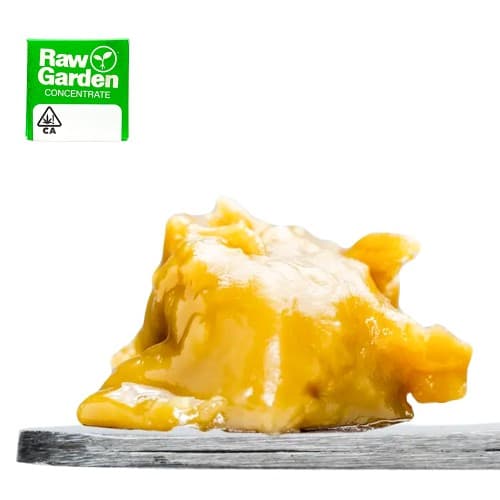
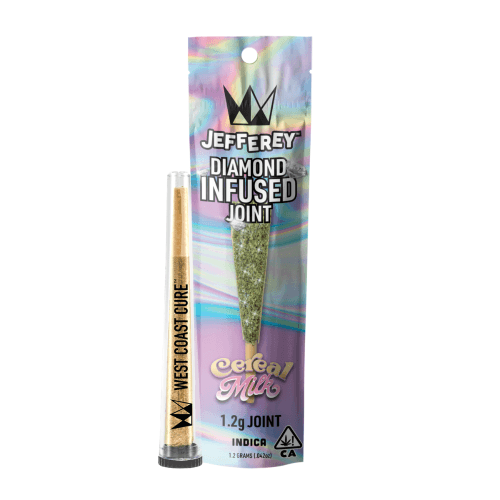
Lemon Tree is a hybrid cannabis strain known for its bright citrus aroma and balanced effects profile. Commonly reported to deliver uplifting mental clarity alongside mild body relaxation, it appeals to both daytime and evening consumers depending on tolerance and dosage. The strain's distinctive lemon and herbal flavor comes from its terpene composition, making it recognizable among citrus-forward varieties. Effects and potency vary by batch, product format, and individual tolerance, so checking current product details before ordering ensures the best experience.
Lemon Tree has become a popular choice among cannabis consumers seeking a strain that balances flavor, aroma, and a versatile effect profile. Whether you're exploring cannabis for the first time or refining your preferences, understanding what Lemon Tree offers can help you make an informed decision. This guide walks you through everything you need to know about the strain, from its genetic background to its most commonly reported effects.
The cannabis market includes many strains with similar names and varying genetics, so it's worth noting that Lemon Tree can come from different breeders and cuts. This means your experience may differ slightly depending on the specific product you purchase. Always check the product label, batch information, and terpene profile when ordering to ensure you're getting the version that matches your preferences.
What Is the Lemon Tree Strain?
Lemon Tree is commonly described as a hybrid cannabis strain, though the exact indica-to-sativa ratio can vary depending on the breeder and cut. The strain is recognized primarily for its bright, citrus-forward aroma and flavor profile that lives up to its name. Most versions lean toward a balanced or slightly sativa-dominant hybrid, making it appealing to consumers who want mental clarity without heavy sedation.
The strain's buds typically display dense structure with a generous coating of trichomes, giving them a frosty appearance. The color palette usually ranges from deep green to lighter sage tones, sometimes with hints of purple depending on growing conditions and genetics. Lemon Tree's visual appeal, combined with its distinctive scent, makes it recognizable on dispensary shelves.
Lemon Tree Genetics and Lineage
Lemon Tree's exact lineage is not consistently documented across all breeders, as multiple cultivators have developed their own versions of strains with this name. Some sources suggest connections to Lemon Skunk or other citrus-forward parent strains, but without official breeder documentation, claiming a definitive lineage would be inaccurate. What matters most is that the strain's genetic background contributes to its signature lemon aroma and balanced hybrid effects.
Understanding a strain's lineage helps predict its effects, growth characteristics, and flavor profile. When parent strains are known, they often hint at what consumers might experience. For Lemon Tree, the emphasis on citrus genetics suggests the presence of terpenes like limonene, which is commonly associated with uplifting and mood-boosting qualities. If you're curious about the specific lineage of a product you're considering, checking the product description or asking your dispensary can provide clarity on that particular cut.
Aroma, Flavor, and Terpene Profile
The most distinctive feature of Lemon Tree is its bright, zesty aroma that immediately stands out when you open a container. The scent is predominantly lemon and citrus, often accompanied by subtle herbal, earthy, or slightly sweet undertones depending on the specific cut. This aromatic profile translates well into flavor, with most consumers reporting a clean lemon taste on the inhale and a lingering citrus finish.
The terpene profile of Lemon Tree commonly includes limonene, which is the primary terpene responsible for the citrus aroma and is often associated with uplifting effects. Myrcene, a terpene known for earthy and herbal notes, typically rounds out the profile and may contribute to mild relaxation. Other terpenes such as pinene or caryophyllene may be present in smaller amounts, adding complexity to the overall flavor and aroma experience. Terpene percentages vary by batch and growing conditions, so the intensity of these notes can shift from one product to another.
Lemon Tree Strain Effects
Lemon Tree is commonly reported to deliver a balanced hybrid experience that many consumers describe as uplifting and mentally clarifying without being overly energetic. Users often note a gentle mood lift and improved focus, making it appealing for social situations, creative activities, or simply enjoying a relaxed afternoon. The mental effects tend to come on relatively quickly, with many consumers feeling the shift within the first 15 to 30 minutes of consumption.
On the body side, Lemon Tree typically produces mild relaxation rather than heavy sedation. Many users report a light, comfortable body sensation that doesn't interfere with movement or productivity. Some consumers describe a subtle tension relief in the shoulders and neck, while others simply feel more at ease without couch-lock. It's important to remember that cannabis effects are highly individual and depend on your tolerance, consumption method, product potency, and personal body chemistry. What feels uplifting and social to one person might feel more relaxing to another, especially at higher doses.
THC, CBD, and Potency
Lemon Tree's potency can vary significantly depending on the breeder, growing conditions, and harvest timing. Most versions are reported to fall into a moderate to moderately high THC range, though exact percentages differ by batch and product. Rather than relying on general estimates, checking the current product label, batch testing results, and cannabinoid profile on your dispensary menu provides the most accurate information for your specific purchase.
CBD content in Lemon Tree is typically minimal, as most versions are bred for THC potency rather than balanced cannabinoid ratios. If you're specifically seeking a strain with meaningful CBD levels, checking the product details before ordering is essential. Potency alone doesn't determine quality or suitability—your personal tolerance, experience level, and consumption method matter just as much. Beginners should consider starting with a lower dose and gradually adjusting based on their individual response.
Who Might Enjoy Lemon Tree?
Lemon Tree appeals to a wide range of cannabis consumers, from those seeking daytime mental clarity to evening users who want relaxation without heavy sedation. The balanced hybrid nature makes it suitable for social gatherings, creative projects, outdoor activities, or simply unwinding after work. Experienced consumers often appreciate the flavor and versatility, while the moderate potency can work for those with some cannabis familiarity who want something more approachable than ultra-high-THC strains.
Beginners should approach Lemon Tree with caution if it's on the higher end of the potency spectrum for their local market. Starting with a small amount and waiting to assess effects before consuming more is always the responsible approach. If you're new to cannabis or have a low tolerance, asking your dispensary about the specific THC percentage and considering a lower-potency version can help ensure a comfortable experience. The strain's pleasant flavor and balanced profile make it worth exploring once you've found your ideal dosage range.
Lemon Tree for Daytime or Nighttime?
Lemon Tree is often chosen for daytime or early evening use because of its uplifting mental effects and lack of heavy sedation. Many consumers report that it pairs well with social activities, outdoor time, or creative work without causing drowsiness or mental fog. The citrus aroma and mood-lifting qualities make it feel like a natural choice for moments when you want to stay engaged and present.
That said, Lemon Tree can work for evening use as well, especially for consumers who prefer relaxation without sleep-inducing effects. If you're sensitive to stimulating effects or tend to use cannabis before bed, a smaller dose or a different strain might be better suited. The timing and suitability really depend on your personal tolerance, the specific product's potency, and how your body responds. Some people find that Lemon Tree helps them wind down in the evening, while others prefer it earlier in the day. Experimenting mindfully within your comfort zone helps you determine the best time for your own use.
How Lemon Tree Compares to Similar Strains
Lemon Tree sits among other citrus-forward hybrid strains that emphasize bright flavor and balanced effects. Lemon Skunk, if it's a parent strain, shares similar citrus notes but is often described as slightly more energetic and sativa-leaning. Tangie is another citrus hybrid that delivers strong orange and lemon flavors with uplifting effects, though it tends toward a more pronounced sativa experience. For consumers seeking a similar flavor profile with slightly different effects, these strains offer interesting alternatives.
If you prefer something with more relaxation than Lemon Tree typically provides, strains like Sunset Sherbet or Gelato offer balanced hybrids with dessert-like sweetness and more pronounced body effects. For those wanting pure uplifting energy, sativa-dominant strains like Sour Diesel or Jack Herer deliver stronger mental stimulation. Comparing strains by flavor family, effect category, and potency helps you narrow down options that match your specific preferences and needs. Your dispensary staff can also recommend similar strains based on what you enjoy about Lemon Tree.
Growing Notes for Lemon Tree
Lemon Tree is generally considered moderately easy to grow, making it accessible to cultivators with some experience. The strain tends to produce medium to tall plants with a relatively standard flowering time of around 8 to 9 weeks, though this can vary by specific cut and growing environment. Many growers report that Lemon Tree develops a strong aroma during flowering, which is worth considering if discretion is important in your growing space.
The strain typically produces decent yields under proper conditions, with good light, nutrient management, and environmental control. Plant structure is usually fairly open, allowing for good airflow and light penetration to lower branches. Growing details such as exact flowering time, yield potential, and climate preference can vary significantly depending on the specific breeder's cut and your individual growing setup. If you're interested in cultivating Lemon Tree, connecting with experienced growers or consulting detailed cultivation resources specific to your chosen cut provides the most reliable guidance.
Shopping for Lemon Tree with HyperWolf
When you're ready to order Lemon Tree, checking current availability and product details ensures you get exactly what you're looking for. HyperWolf makes it easy to compare cannabis products online, view batch information, terpene profiles, and potency levels before making your purchase. You can see what formats are available—whether flower, pre-rolls, concentrates, or edibles—and choose the option that fits your preferences and consumption style.
Before ordering, take a moment to review the specific product's THC percentage, terpene breakdown, and any batch testing information available. This helps you understand the potency and flavor profile of the exact product you're purchasing, rather than relying on general strain information. If you have questions about a specific batch or want recommendations based on your preferences, HyperWolf's team can provide guidance. Checking product details and batch information is a simple step that significantly improves your shopping experience and satisfaction with your purchase.
Final Thoughts on Lemon Tree
Lemon Tree stands out as a versatile hybrid strain that delivers on flavor, aroma, and balanced effects. Its bright citrus profile and moderate potency make it appealing to a wide range of consumers, from those seeking daytime clarity to evening relaxation. The strain's reputation for pleasant taste and smooth experience has made it a reliable choice across many dispensaries and markets.
Whether Lemon Tree is the right choice for you depends on your preferences for flavor, desired effects, tolerance level, and intended use. Taking time to check the specific product's potency, terpene profile, and batch information helps ensure you're getting a version that matches your expectations. As with all cannabis consumption, starting with a dose that feels comfortable for your experience level and adjusting gradually based on your response is the responsible approach. Enjoy exploring what Lemon Tree has to offer, and remember that your dispensary team is always available to answer questions about this or any other strain.
Top Reported Effects
No effects information available
Top Reported Flavors
No flavors information available