What Is CBN? The Sleep Cannabinoid Every Insomniac Should Know

If you have spent any time in the CBD and wellness section of a dispensary lately, you have probably noticed CBN showing up on more and more labels, almost always paired with the word sleep. Nighttime gummies, evening tinctures, sleep drops. The marketing is everywhere, and for once, there is genuine science starting to catch up with the hype.

CBN, short for cannabinol, has quietly become one of the most talked about minor cannabinoids in the wellness category. Unlike CBD, which most consumers already recognize, CBN still confuses plenty of people, including where it actually comes from and whether it deserves its reputation as the sleep cannabinoid. Here is what CBN actually is, what the research says so far, and how to think about trying it if you struggle to sleep.


What CBN Actually Is

CBN is not present in raw, fresh cannabis in any meaningful amount. Instead, it forms as a byproduct of THC breaking down over time, whether through age, light exposure, or oxidation. As THC degrades, it gradually converts into CBN, which is why older cannabis, particularly flower that has sat around a while, tends to contain a noticeably higher CBN content than fresh product.

This origin story is part of where CBN's reputation comes from in the first place. Longtime cannabis consumers have anecdotally noticed for decades that older, more degraded flower seems to produce a sleepier, heavier feeling high compared to fresher bud, and CBN has traditionally been credited as the reason why.

Is CBN Intoxicating?

CBN is mildly intoxicating at higher concentrations, though far less potent than THC. Most CBN products on the market today contain small enough amounts, or are formulated alongside other cannabinoids, that the overall effect leans toward relaxation and drowsiness rather than a noticeable high. It sits in an interesting middle ground: not fully non intoxicating like CBD, but nowhere near as psychoactive as standard THC.


What Is CBN? The Sleep Cannabinoid Every Insomniac Should Know


What the Science Actually Says About CBN and Sleep

For years, CBN's reputation as a sleep aid rested almost entirely on anecdote and cannabis folklore. That started to change with a notable study out of the University of Sydney's Lambert Initiative for Cannabinoid Therapeutics.

Researchers tested purified CBN in rats using wireless monitoring to track brain activity, muscle tone, and sleep patterns, comparing its effects against zolpidem, a widely used prescription sleep medication. The study found that CBN increased both non rapid eye movement sleep and rapid eye movement sleep, leading to a meaningful increase in total sleep time, with effects comparable to the established sleep drug used as a benchmark. As the lead researcher on the project put it, the study provided the first objective evidence that CBN increases sleep, at least in rats, by favorably altering the structure of sleep itself rather than simply causing sedation. You can read more detail on the study directly from the University of Sydney's official announcement.

Why This Study Matters, and Where It Falls Short

This research is genuinely significant because it is among the first to isolate CBN on its own, rather than testing it in combination with other cannabinoids, which is how most earlier human studies were designed. That distinction matters, since earlier research combining CBN with THC or CBD made it difficult to know how much of any observed effect actually came from CBN itself.

That said, the study was conducted in rats, not humans, and researchers involved in the work have been clear that further human trials are needed to confirm whether these findings translate directly to people. In other words, the science is moving in a genuinely promising direction, but CBN's reputation as a proven human sleep aid is still ahead of where the clinical research currently stands.


How CBN Is Believed to Work

CBN interacts with the body's endocannabinoid system similarly to THC, though generally with weaker binding to CB1 receptors in the brain, which likely explains why it produces such mild intoxicating effects compared to THC itself. Some research has also suggested that certain metabolites formed as the body processes CBN may play a role in its effects on sleep architecture, adding another layer to how this cannabinoid might work once consumed.

Much of CBN's practical reputation among everyday consumers also comes from how it is typically formulated rather than acting entirely alone. Many CBN sleep products pair it with a small amount of THC, or with other cannabinoids like CBD, based on the idea that cannabinoids and terpenes work more effectively together than in isolation, a concept generally referred to as the entourage effect.


Common CBN Product Types

CBN shows up across a range of formats designed specifically with nighttime use in mind.

CBN Tinctures

Liquid extracts taken sublingually, under the tongue, offering relatively fast onset and flexible, adjustable dosing through a marked dropper. Tinctures are a popular choice for consumers who want to fine tune their CBN intake more precisely than a pre-dosed gummy allows.

CBN Sleep Gummies

Functional gummies formulated specifically for nighttime use, often combining CBN with a small dose of THC or CBD. These follow the same standard edible timeline as any other gummy, meaning onset can take 30 minutes to two hours, which is worth planning around before bed rather than taking right as you are trying to fall asleep.

CBN Capsules

Pre-measured, consistent dosing without any added flavor, appealing to consumers who prefer a routine, supplement-like approach to their nightly wind down.

Full Spectrum Nighttime Blends

Many 2026 sleep products combine CBN with other cannabinoids and terpenes associated with relaxation, such as myrcene or linalool, leaning on the broader entourage effect rather than CBN acting entirely on its own.


What Is CBN? The Sleep Cannabinoid Every Insomniac Should Know


How to Choose and Use a CBN Product

A few practical considerations can help you get more consistent results if you decide to try CBN for sleep.

Start With a Low Dose

Because CBN's effects and appropriate dosing are still being studied in humans, starting low and adjusting gradually is the safest approach. This is especially true for products that combine CBN with THC, since the added psychoactive component changes both the feel and the dosing considerations compared to CBN alone.

Time It Correctly

Because most CBN products, particularly gummies and capsules, follow the same delayed edible timeline as any other cannabis edible, take them well before you actually plan to fall asleep rather than right at bedtime. Our edibles dosing guide covers this timing consideration in more depth if you are new to edible formats generally.

Check the Full Cannabinoid Breakdown

Look closely at the label to see whether a product is CBN alone or blended with THC, CBD, or other cannabinoids. A pure CBN isolate product will feel and behave differently than a blended nighttime formula, so understanding exactly what you are taking matters more with sleep products than with a recreational purchase, since consistency night to night is usually the goal. If you are still getting comfortable with how CBD and THC differ from each other in general, our CBD versus THC breakdown is a useful starting point before layering CBN into the picture.

Be Consistent Rather Than Reactive

Many cannabinoids used for wellness purposes, CBN included, tend to work best with regular, consistent use rather than being taken sporadically only on especially bad nights. If you are trying CBN specifically for ongoing sleep support, give it a reasonable stretch of consistent nightly use before deciding whether it is actually helping.


CBN and Cannabis Flower

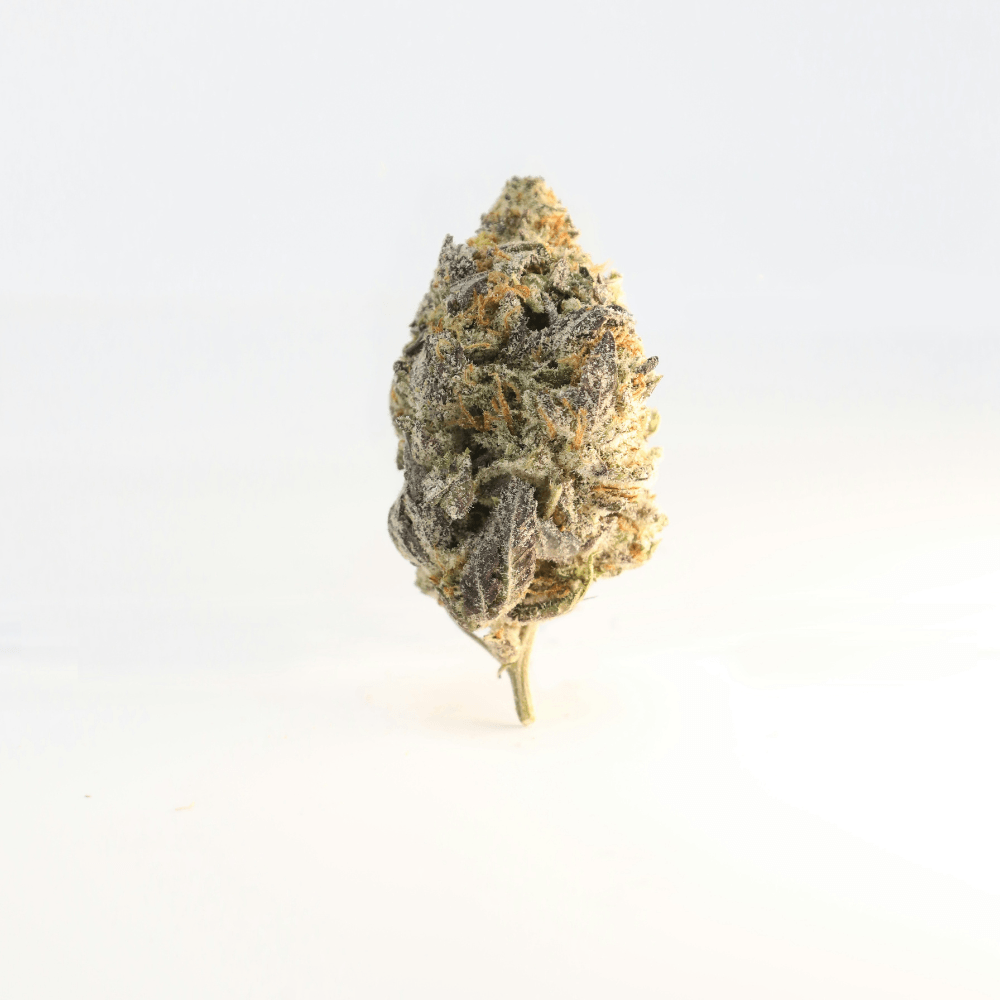
If you prefer flower over tinctures or gummies, it is worth understanding that CBN content naturally increases in cannabis as it ages, meaning older flower will generally carry more CBN than freshly harvested bud, even without any deliberate CBN infusion. Some cultivators have started intentionally aging or curing certain batches specifically to boost CBN content for sleep focused product lines, though this remains a less common approach than simply formulating CBN directly into tinctures, gummies, or capsules. If sleep is your main goal and you are exploring flower more broadly, our guide to indica, sativa, and hybrid strains can help you think through strain selection alongside cannabinoid content.


Reading a CBN Product Label

California requires lab testing on every cannabinoid product sold at a licensed dispensary, and that label should tell you exactly what a CBN product actually contains. Look for the specific milligram breakdown of CBN alongside any other cannabinoids present, whether the product is full spectrum, broad spectrum, or an isolate, and confirmation of current batch testing for potency accuracy and contaminants. A CBN product that only lists total cannabinoid content without breaking out the specific CBN dose is harder to use consistently, since you will not know exactly how much of the compound you are actually taking from night to night.


What Is CBN? The Sleep Cannabinoid Every Insomniac Should Know


Final Thoughts

CBN's reputation as the sleep cannabinoid did not come from nowhere. It is grounded in a real, if still developing, body of research, alongside decades of anecdotal reports from cannabis consumers about the sleepier feeling of aged flower. Early controlled research has provided genuinely promising objective evidence that CBN can meaningfully improve sleep, though that evidence currently comes from animal studies rather than confirmed human trials. If you are curious about trying CBN for sleep, starting with a low dose, timing it appropriately before bed, and choosing a clearly labeled product gives you the best chance of finding out whether it works for you specifically.

For a broader look at how CBN fits alongside CBD, CBG, and other functional cannabinoids, our complete CBD and cannabis wellness guide covers everything this article builds on.

Ready to explore CBN for yourself? Browse our full CBD and wellness selection to find the CBN product and format that fits your nighttime routine.

FAQ

Jenna Renz

Jenna is a California-based creative copywriter who’s been lucky enough to have worked with a diverse range of clients before settling into the cannabis industry to explore her two greatest passions: writing and weed.

  • Social media icon

Related Blogs

Gummies vs Chocolates vs Baked Goods: Which Edible Format Hits Best?

Gummies vs Chocolates vs Baked Goods: Which Edible Format Hits Best?

Walk through the edibles case at any California dispensary and you will find the same milligram dose of THC packed into gummies, chocolate squares, and baked treats sitting side by side. On paper, 10 milligrams is 10 milligrams no matter what it is wrapped in. In practice, plenty of consumers swear one format hits harder, faster, or differently than another, and they are not entirely imagining it.

8 Min Sep 05, 2026Jenna Renz

Live Rosin vs Live Resin: Which Is Worth Buying?

Live Rosin vs Live Resin: Which Is Worth Buying?

Scroll through the concentrates case at any California dispensary and two products almost always sit at the top of the price list: live rosin and live resin. The names are close enough to cause real confusion, and the price gap between them can be significant for what looks, at a glance, like a similar premium product.

8 Min Sep 04, 2026Jenna Renz