Indica vs Sativa vs Hybrid Flower: What's Actually Different?

If you've spent any time browsing a dispensary menu, you've seen it: every strain of cannabis flower neatly tagged as indica, sativa, or hybrid. It's the first filter most shoppers reach for, and it's been the industry's shorthand for decades. Indica for sleep, sativa for energy, hybrid for a little of both — simple enough, right?

Not exactly. The indica/sativa/hybrid system is a helpful starting point, but it doesn't actually explain why one "indica" knocks you out while another barely relaxes you, or why two "sativas" from the same shelf can feel completely different. In this guide, we'll break down where these categories came from, what they can (and can't) tell you, and what actually determines how a strain makes you feel.


The Old-School Breakdown: Indica, Sativa, and Hybrid Explained

Before diving into the science, it helps to understand the traditional framework most dispensaries still use to organize their shelves.

Indica

Indica strains are traditionally described as producing relaxing, body-forward effects. They're the strains people reach for at the end of the day: unwinding on the couch, easing muscle tension, or winding down before bed. Botanically, indica plants are typically shorter and bushier, with broad leaves and a faster flowering cycle, traits that made them popular with early growers looking for a quicker harvest.

Sativa

Sativa strains carry the opposite reputation: energizing, cerebral, and social. They're often marketed for daytime use, creative projects, or getting motivated before a workout. Sativa plants tend to grow taller and lankier, with narrow leaves and a longer flowering time than their indica counterparts.

Hybrid

Hybrids are what you get when growers cross indica and sativa genetics, which, at this point, is nearly every strain on the market. A hybrid can lean indica-dominant, sativa-dominant, or sit squarely in the middle, blending the relaxing and energizing effects associated with each side of its lineage.


Indica vs Sativa vs Hybrid Flower: What's Actually Different?


Why the Indica/Sativa Divide Is Changing

Here's the catch: modern cannabis genetics have been crossed and re-crossed so many times that the indica/sativa split is more about a strain's ancestry and growth habits than a reliable prediction of its effects. Two strains labeled "indica" can come from completely different genetic lines and produce noticeably different experiences.

Cultivators and researchers increasingly agree that a strain's label tells you far less than its actual chemical makeup. That shift in thinking is part of why our Complete Cannabis Flower Guide encourages shoppers to look past the strain name and check the lab results instead. The same logic applies here: the indica/sativa/hybrid label is a starting point, not the whole story.


What Actually Determines How a Strain Makes You Feel

If the label isn't the full picture, what is? It comes down to two things: the specific compounds inside the flower, and how they interact with each other.

Cannabinoids

THC (tetrahydrocannabinol) is the primary compound responsible for cannabis's intoxicating effects, and its concentration varies widely from strain to strain. But THC doesn't act alone. CBD (cannabidiol) and minor cannabinoids like CBG, CBN, and THCV each contribute their own subtle influence on the overall experience, whether that's a calmer high, a clearer head, or added sedation.

Terpenes

Terpenes are the aromatic compounds responsible for a strain's smell and flavor, and they're now understood to play a real role in shaping effects, too. A few common ones worth knowing:

  • Myrcene – Earthy and musky; often linked to sedating, relaxing effects
  • Limonene – Bright and citrusy; associated with uplifted, stress-relieving effects
  • Pinene – Fresh, pine-forward; linked to alertness and mental clarity
  • Linalool – Floral and lavender-like; often tied to calming effects
  • Caryophyllene – Peppery and spicy; may contribute anti-inflammatory properties
  • Terpinolene – Herbal and slightly sweet; common in more energizing, sativa-leaning strains

A strain with a myrcene-heavy profile is far more likely to feel sedating than one dominated by limonene or pinene, regardless of whether it's labeled indica or sativa.


The Entourage Effect

Researchers believe cannabinoids and terpenes don't just act independently, they interact, amplifying or softening each other's effects in what's known as the entourage effect. This concept, first popularized in a widely cited 2011 study published in the British Journal of Pharmacology, helps explain why two strains with nearly identical THC percentages can produce very different experiences. It's also the clearest evidence yet that the indica/sativa label was never designed to capture this level of nuance.


Indica vs Sativa vs Hybrid Flower: What's Actually Different?


Indica vs Sativa vs Hybrid: Quick Comparison

Indica strains are traditionally associated with relaxing, body-heavy effects and are often considered better suited for evening or nighttime use. They commonly feature terpenes like myrcene and linalool, and are typically described as having shorter, bushier plant structures. They’re often chosen for sleep, unwinding, and pain relief. Sativa strains are traditionally associated with energizing, cerebral effects and are generally considered better for daytime use. Common terpenes include limonene, pinene, and terpinolene, and the plants tend to be taller with narrower leaves. They’re often associated with focus, creativity, and socializing. Hybrid strains combine traits from both categories, with effects, ideal time of day, terpenes, and plant structure varying depending on the specific cross. They can offer a more flexible or balanced experience.

Use these categories as a rough map, not a guarantee. The terpene and cannabinoid profile of the specific batch in front of you will always be a better predictor of its effects than the category on the label.


How to Choose Between Indica, Sativa, and Hybrid Flower

With that context in mind, here's a practical way to shop smarter next time you're browsing our flower selection.

1. Start With the Effect You Want

Rather than shopping by category first, think about your goal. Want to fall asleep faster? Look for myrcene- or linalool-dominant options, regardless of whether they're tagged indica or hybrid. Need to stay productive? Prioritize limonene or pinene-forward strains.

2. Check the Terpene Profile on the Label

California dispensaries are required to provide lab results for every batch sold. Take a minute to check the top terpenes listed. They're a far more reliable indicator of the experience than the indica/sativa/hybrid tag alone.

3. Don't Ignore THC and CBD Percentage

Potency still matters. If you're newer to flower, look for options under 18% THC and build your tolerance from there before moving into higher-potency territory.

4. Match the Strain to the Occasion

A sativa-leaning hybrid with a bright, citrusy terpene profile might be perfect for a weekend hike. An indica-dominant strain with heavy myrcene content could be exactly what you need to unwind on a Sunday night.

5. Buy From Trusted, Lab-Tested Sources

Always shop from a licensed retailer that provides full lab results for potency, terpenes, pesticides, and contaminants. It's the only way to know that what's on the label matches what's actually in the jar.


Popular Strains Across Each Category

Strain names still matter for tracking what you like over time, even if they're not a perfect predictor of effect. A few genetics you'll frequently see on the shelf, organized by their traditional category:

  • Indica-leaning: Strains in the OG Kush family tend to offer earthy, heavy-bodied relaxation thanks to a myrcene- and caryophyllene-forward profile.
  • Sativa-leaning: Sour Diesel and its crosses bring a pungent, fuel-like aroma paired with energizing, limonene- and pinene-driven effects.
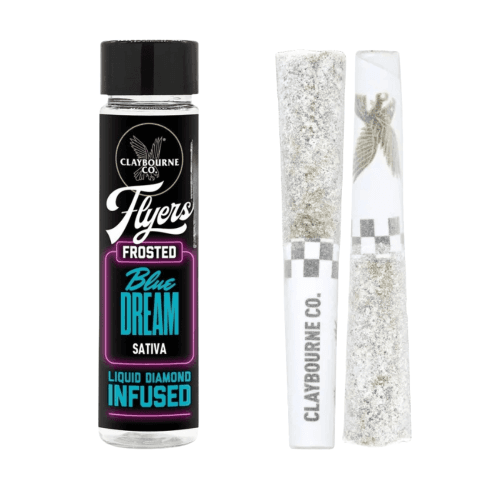
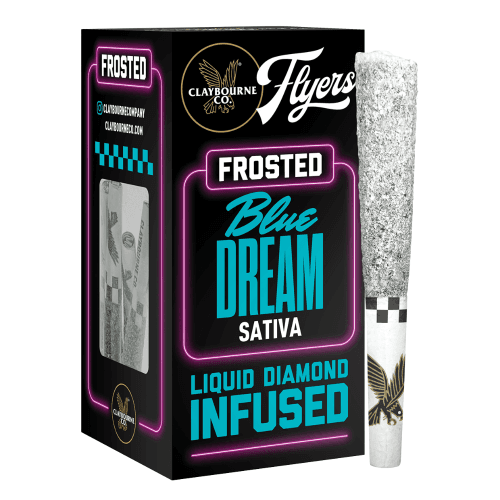
  • Hybrid: Gelato and Cookies-lineage strains are known for sweet, dessert-like flavors and balanced, approachable effects, while Blue Dream remains a go-to for new consumers thanks to its gentle, uplifting-yet-relaxing profile.

You can browse current batches by type and genetics on our strain page or explore specific cultivators on our brand page to find growers whose profiles consistently match what you're looking for.


Common Myths About Indica, Sativa, and Hybrid Flower

Because the indica/sativa/hybrid system has been around for so long, a few misconceptions have stuck around with it. Clearing these up can save you from picking the wrong jar for the occasion.

"Indica" and "In-da-couch" Always Go Together

The idea that every indica will leave you glued to the couch is one of the most repeated claims in cannabis culture, but it's not guaranteed. A low-myrcene indica can feel considerably more mellow and functional than a high-myrcene sativa. Sedation tracks more closely with terpene and cannabinoid content than with the indica label alone.

Sativa Never Causes Anxiety

Sativas are often marketed as the "safe," clear-headed option, but high-THC sativas with little accompanying CBD can still trigger racing thoughts or anxiety in sensitive consumers. Checking the full cannabinoid panel, not just the category, gives you a much better sense of what to expect.

Hybrids Are Always "Balanced"

Not every hybrid splits the difference evenly. Some hybrids are bred to lean heavily indica-dominant or sativa-dominant, meaning the "hybrid" label can mask an experience that's almost entirely relaxing or almost entirely energizing. Always check whether a hybrid is described as indica- or sativa-dominant, and look at the terpene profile to confirm.

The Plant's Appearance Tells You How It Will Make You Feel

It's true that indica and sativa plants historically grew differently. Indica plants shorter and bushier, sativa plants taller with narrower leaves. But those are cultivation traits, not proof of effect. A grower can produce a tall, narrow-leafed plant that still delivers a heavily sedating experience, especially after generations of cross-breeding. Appearance is a botanical detail, not a dependable guide to what's inside the jar.

Indica vs Sativa vs Hybrid Flower: What's Actually Different?


Bringing It All Together

The indica/sativa/hybrid system isn't useless, it's just incomplete. Think of it as a rough sketch of a strain's lineage and growth habits, not a guarantee of how it will make you feel. The real answer lives in the lab results: the cannabinoid percentages, the terpene profile, and how those compounds work together.

Once you start shopping by terpene profile and potency rather than category alone, you'll likely find your favorites cut across the traditional labels entirely. That's a good thing. It means you're choosing flower based on what it actually does, not just what it's called.

For a deeper dive into potency, terpenes, and label-reading, check out our Complete Cannabis Flower Guide. And if you're exploring other ways to experience cannabis beyond flower, take a look at our guides to cannabis edibles, pre-rolls, and CBD and cannabis wellness.

Ready to put this into practice? Browse our full flower collection and filter by strain type, potency, and terpene profile to find your next favorite.

FAQ

Jenna Renz

Jenna is a California-based creative copywriter who’s been lucky enough to have worked with a diverse range of clients before settling into the cannabis industry to explore her two greatest passions: writing and weed.

  • Social media icon

Related Blogs

Edibles Dosing Guide: How Much Should You Actually Take?

Edibles Dosing Guide: How Much Should You Actually Take?

More edible-related mishaps come down to one thing: not understanding that edibles work on a completely different timeline than smoking or vaping. With flower or a vape, you feel effects within minutes and can adjust in real time. With an edible, you might not feel anything for an hour or two, which makes it dangerously easy to assume the first dose "isn't working" and take more before it's actually kicked in.

8 Min Aug 21, 2026Jenna Renz