Live Rosin vs Live Resin: Which Is Worth Buying?

Scroll through the concentrates case at any California dispensary and two products almost always sit at the top of the price list: live rosin and live resin. The names are close enough to cause real confusion, and the price gap between them can be significant for what looks, at a glance, like a similar premium product.

The difference is not marketing. It comes down to one fundamental choice made at the very start of production: whether a chemical solvent touches the plant or not. That single decision shapes everything else, from flavor and purity to cost and shelf life. Here is exactly what separates the two, and which one actually deserves your money.


What Live Resin and Live Rosin Have in Common

Before getting into what makes them different, it helps to understand what they share, since this is where a lot of the confusion starts.

Both live resin and live rosin begin with cannabis that is harvested and flash frozen almost immediately, rather than dried and cured the traditional way. Skipping the drying and curing step is the entire point of the word "live" in both names. Drying and curing cause a huge share of a plant's terpenes to evaporate or break down over time, so freezing the plant fresh locks in a much fuller aromatic and cannabinoid profile before any of that degradation can happen.

Because of this shared starting point, both concentrates tend to deliver stronger flavor, a more vivid aroma, and a more nuanced overall experience than concentrates made from dried flower. From there, though, the two products take completely different paths.


Live Rosin vs Live Resin: Which Is Worth Buying?


How Live Resin Is Made

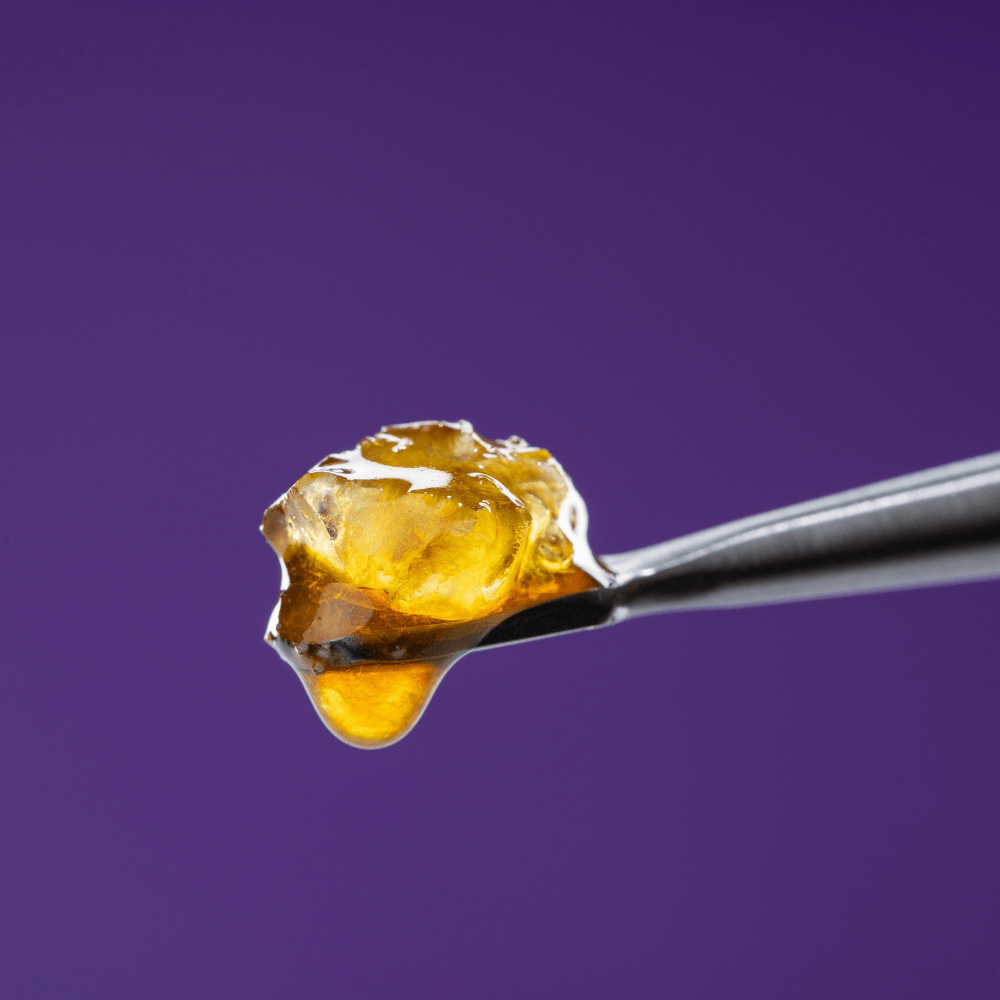
Live resin production uses a chemical solvent, typically butane or propane, to pull cannabinoids and terpenes away from the frozen plant material. The frozen cannabis is packed into a closed loop extraction system, where the solvent dissolves the trichomes containing the plant's active compounds. That solution is then purged using a careful combination of heat, vacuum, and time to evaporate the solvent back out, leaving behind a concentrated oil.

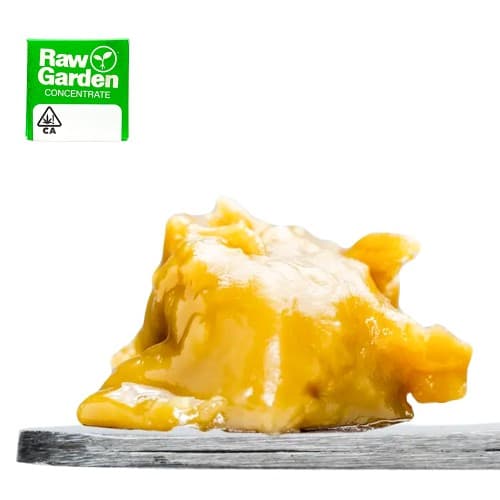
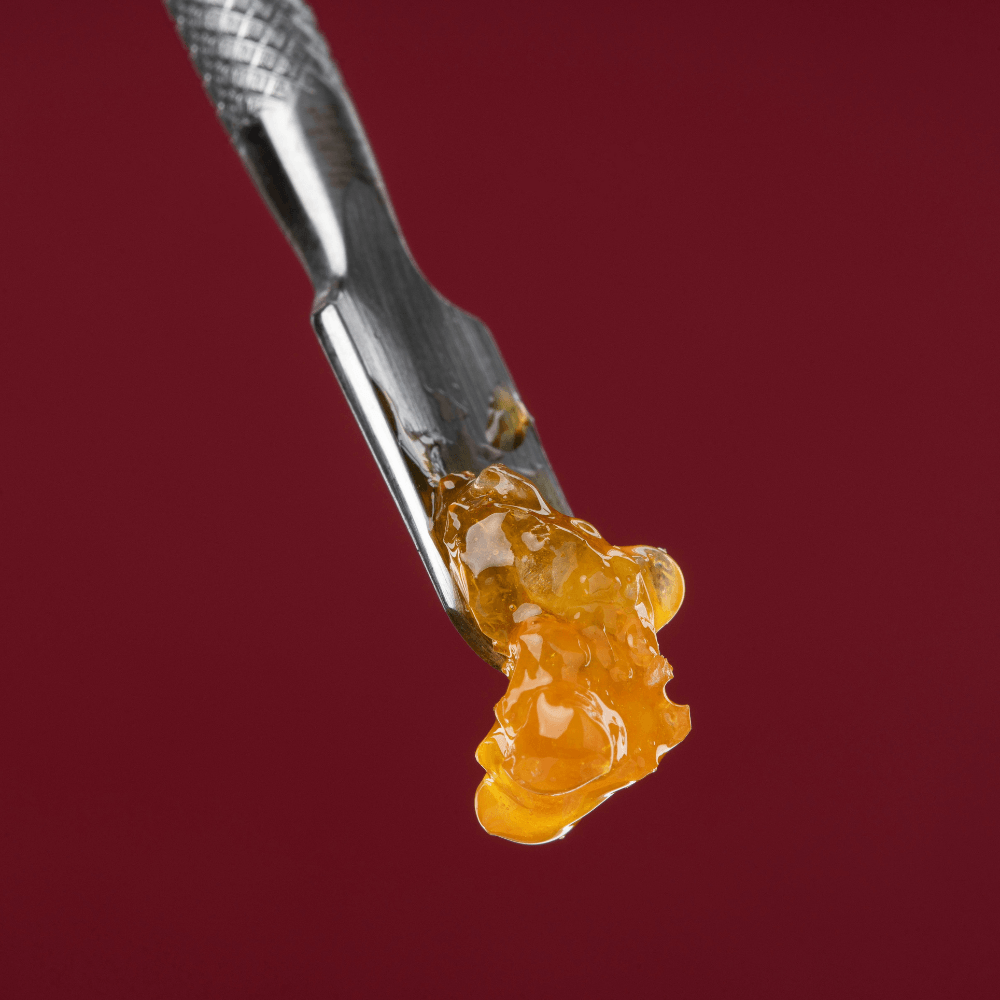
This hydrocarbon extraction process is efficient and scalable, which is part of why live resin tends to cost less per gram than live rosin despite similar starting material. It also produces a range of textures, from a loose, sauce like consistency with visible crystalline structures to a whipped badder or sugar texture, depending on how the extract is finished after purging.


How Live Rosin Is Made

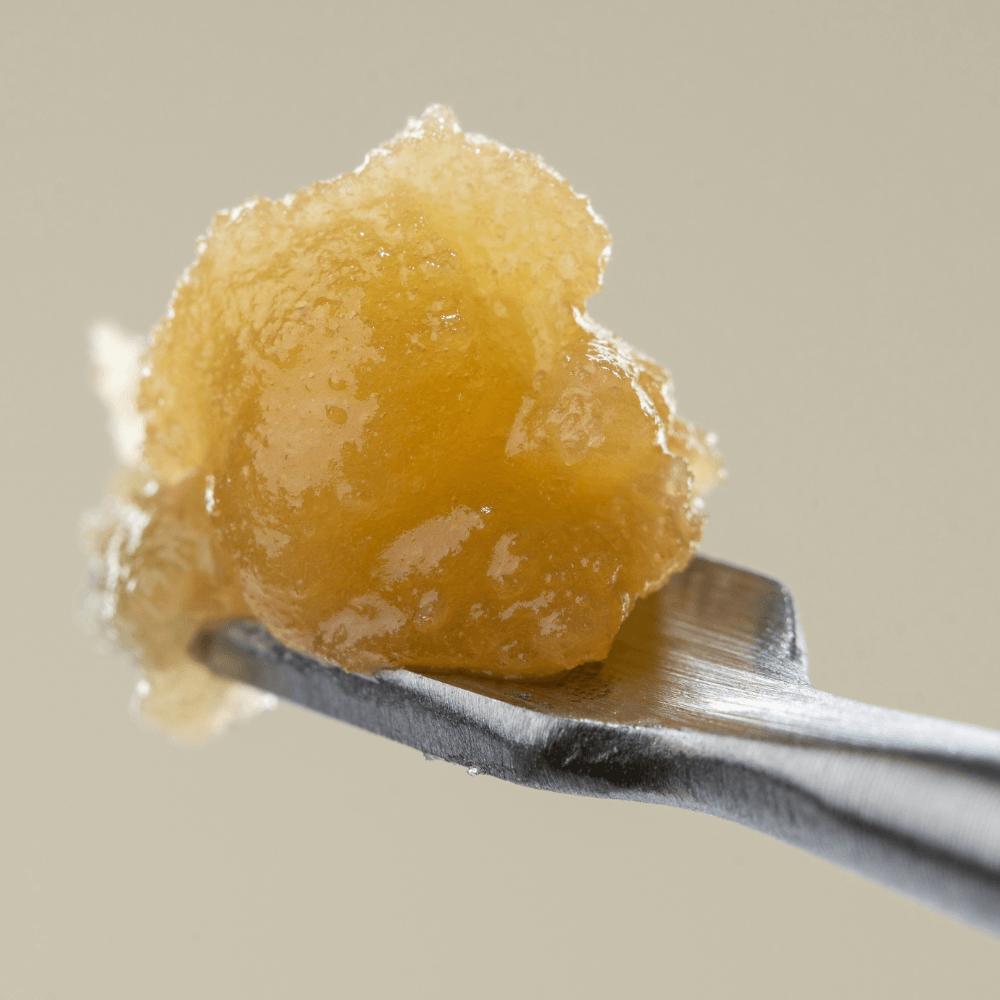
Live rosin skips solvents entirely. Instead of chemical extraction, producers typically start by washing the fresh frozen plant material in ice water to create bubble hash, separating the trichomes from the plant using nothing but ice, water, and fine mesh screens. That hash is then pressed between heated plates under high pressure, and the trichomes release their oils, which seep out as rosin.

Because the entire process relies on mechanical separation rather than a chemical solvent, live rosin never requires a purging step to remove solvent residue, since there was never any solvent to begin with. This solventless method is more labor intensive and yields significantly less finished product per pound of starting material, which is the primary reason live rosin commands a premium price.


Comparing Flavor, Purity, and Potency

With the production methods laid out, here is how the two actually compare on the factors that matter most when you are deciding what to buy.

Flavor and Terpene Retention

Both concentrates preserve terpenes far better than products made from dried and cured flower, but they arrive at that result differently. Live resin's hydrocarbon extraction happens at cold temperatures specifically to protect volatile terpenes, and the result is often a bold, intense, in your face aroma. Live rosin's mechanical pressing preserves what some consider an even more complete and natural terpene matrix, since there is no solvent interaction at any stage to alter the plant's original chemistry. In practice, high quality examples of either concentrate can deliver outstanding flavor, and the gap often comes down to the skill of the individual producer more than the method itself.

Purity and Solvent Residue

This is where live rosin has a clear structural advantage. Because live resin uses butane or propane, every batch must be tested to confirm that residual solvent levels fall within legal limits before it can be sold. California's residual solvent testing regulation sets strict action levels for solvents like butane, propane, and other processing chemicals, and any batch that exceeds those limits fails testing and cannot be released for retail sale. Live rosin never has this concern in the first place, since no solvent was ever introduced. For consumers who prioritize purity above all else, that is a meaningful and permanent distinction, not just a marketing point.

Potency

Potency between the two is closer than most people expect. Live resin can sometimes test slightly higher in raw THC percentage due to the efficiency of hydrocarbon extraction, but well made live rosin frequently comes close, and the overall experience often has more to do with the balance of cannabinoids and terpenes than the raw percentage on the label. Neither concentrate should be considered dramatically stronger than the other across the board.

Price

Live rosin is consistently the more expensive of the two, often by a significant margin. Rosin production yields far less finished product per pound of input material than hydrocarbon extraction, and the labor involved in washing, pressing, and curing rosin by hand adds real cost that gets passed on to the consumer. Live resin offers much of the flavor and effect quality associated with rosin at a more accessible price point, which is a major reason it has become one of the most popular concentrate categories overall, a trend we cover in more detail in our complete cannabis concentrates guide.


Live Rosin vs Live Resin: Which Is Worth Buying?


Which One Should You Buy

The right choice depends on what you personally value most.

Choose live rosin if purity is non negotiable for you, if you want the assurance that comes with a truly solventless product, and if you are willing to pay a premium for the most labor intensive, hand crafted extraction method available.

Choose live resin if you want a fuller flavor and terpene experience than standard concentrates, but at a price point that is easier to justify for regular use, or if you are shopping for a vape cartridge, since live resin's texture and scalability make it especially common in that format. Our complete cannabis vape guide goes deeper into how live resin performs specifically in cartridge form compared to other oil types.

If you dab regularly and have never tried either, a side by side comparison of the same strain in both formats is the best way to figure out which one actually matches your preferences, since flavor perception and personal priorities around solvents vary quite a bit from one consumer to the next.


Reading Labels for Live Rosin and Live Resin

California requires lab testing on every concentrate sold at a licensed dispensary, and that label is your best tool for confirming exactly what you are buying.

Check the extraction method line first. It should clearly state whether the product is solventless or solvent based, and whether the starting material was fresh frozen rather than dried and cured. For live resin specifically, confirm the batch has passed residual solvent testing, which should be listed alongside the total cannabinoid percentage. For live rosin, look for language confirming an ice water or bubble hash starting point, since that is what separates true live rosin from rosin made with dried flower.

Terpene percentage, when disclosed, is another useful data point. Higher percentages generally correlate with a more vivid, strain true flavor experience, regardless of which extraction method produced it.


Storage Tips for Both Concentrates

Both live resin and live rosin are more delicate than harder concentrates like shatter, and proper storage matters more with these products, not less.

Keep both in an airtight, non stick container made of glass or silicone rather than plastic, which can interact with the oils over time. Store away from direct light and heat, and consider refrigeration for extended storage, since the sauce like consistency common to both concentrates is more temperature sensitive than firmer textures. If you plan to smoke rather than dab either one, our guide to classic versus infused pre-rolls touches on how rosin coated joints fit into that category as well.


Live Rosin vs Live Resin: Which Is Worth Buying?


Final Thoughts

Live rosin and live resin both start from the same premise: freeze the plant fresh, skip the drying and curing process, and preserve as much of the original terpene and cannabinoid profile as possible. From there, one relies on solvents and efficiency, while the other relies on mechanical pressure and purity. Neither is universally better. The right pick depends on whether you value the guaranteed purity of a solventless product enough to pay a premium for it, or whether live resin's balance of flavor and accessibility fits your budget and habits better.

For a full breakdown of every concentrate category, from diamonds and sauce to shatter and hash, our cannabis concentrates guide covers everything this article builds on.

Ready to compare them yourself? Browse our full concentrates selection, including solventless live rosin, to find the extraction method that fits what you are looking for.

FAQ

Jenna Renz

Jenna is a California-based creative copywriter who’s been lucky enough to have worked with a diverse range of clients before settling into the cannabis industry to explore her two greatest passions: writing and weed.

  • Social media icon

Related Blogs

What Is CBN? The Sleep Cannabinoid Every Insomniac Should Know

What Is CBN? The Sleep Cannabinoid Every Insomniac Should Know

If you have spent any time in the CBD and wellness section of a dispensary lately, you have probably noticed CBN showing up on more and more labels, almost always paired with the word sleep. Nighttime gummies, evening tinctures, sleep drops. The marketing is everywhere, and for once, there is genuine science starting to catch up with the hype.

8 Min Sep 05, 2026Jenna Renz

Gummies vs Chocolates vs Baked Goods: Which Edible Format Hits Best?

Gummies vs Chocolates vs Baked Goods: Which Edible Format Hits Best?

Walk through the edibles case at any California dispensary and you will find the same milligram dose of THC packed into gummies, chocolate squares, and baked treats sitting side by side. On paper, 10 milligrams is 10 milligrams no matter what it is wrapped in. In practice, plenty of consumers swear one format hits harder, faster, or differently than another, and they are not entirely imagining it.

8 Min Sep 05, 2026Jenna Renz