Cannabis Concentrates Guide 2026: Every Type Ranked and Explained (Rosin, Wax, Diamonds, Live Resin & More)

Cannabis concentrates have moved from a niche corner of the dispensary into one of the fastest growing categories in the industry. Dabbers, vape enthusiasts, and curious newcomers are all drawn to the same thing: a purer, more potent, and often more flavorful experience than traditional flower can offer.

But the concentrate case at your local dispensary can look like a foreign language. Rosin, resin, wax, budder, badder, shatter, diamonds, sauce, hash, kief. They all come from cannabis, yet they look, feel, and behave completely different. This guide ranks and explains every major type of cannabis concentrate available in California in 2026, so you know exactly what you're buying and why it costs what it does.


What Are Cannabis Concentrates?

Cannabis concentrates are products made by extracting cannabinoids and terpenes from the plant material, removing excess plant fiber, chlorophyll, and other compounds in the process. The result is a product with a much higher potency than flower, often ranging from 60% to over 95% total cannabinoid content depending on the extraction method.

Concentrates fall into two broad categories based on how they're made.

Solventless Concentrates

Solventless concentrates use only mechanical methods like heat, pressure, ice, and water to separate cannabinoids and terpenes from plant material. No chemical solvents are involved at any stage. Rosin and hash are the two most common examples.

Solvent Based Concentrates

Solvent based concentrates use chemical solvents such as butane, propane, ethanol, or carbon dioxide to strip cannabinoids and terpenes from the plant. The solvent is then purged out through heat and vacuum processes. Wax, shatter, live resin, and distillate all fall into this category.

Neither method is inherently better across the board. Each produces a different texture, flavor, and potency profile, and the "best" concentrate depends on what you're looking for.


Cannabis Concentrates Guide 2026: Every Type Ranked and Explained (Rosin, Wax, Diamonds, Live Resin & More)


Cannabis Concentrates Ranked and Explained

Below is a breakdown of the major concentrate types available in 2026, organized roughly from most prized among connoisseurs to most accessible for everyday use.

1. Live Rosin

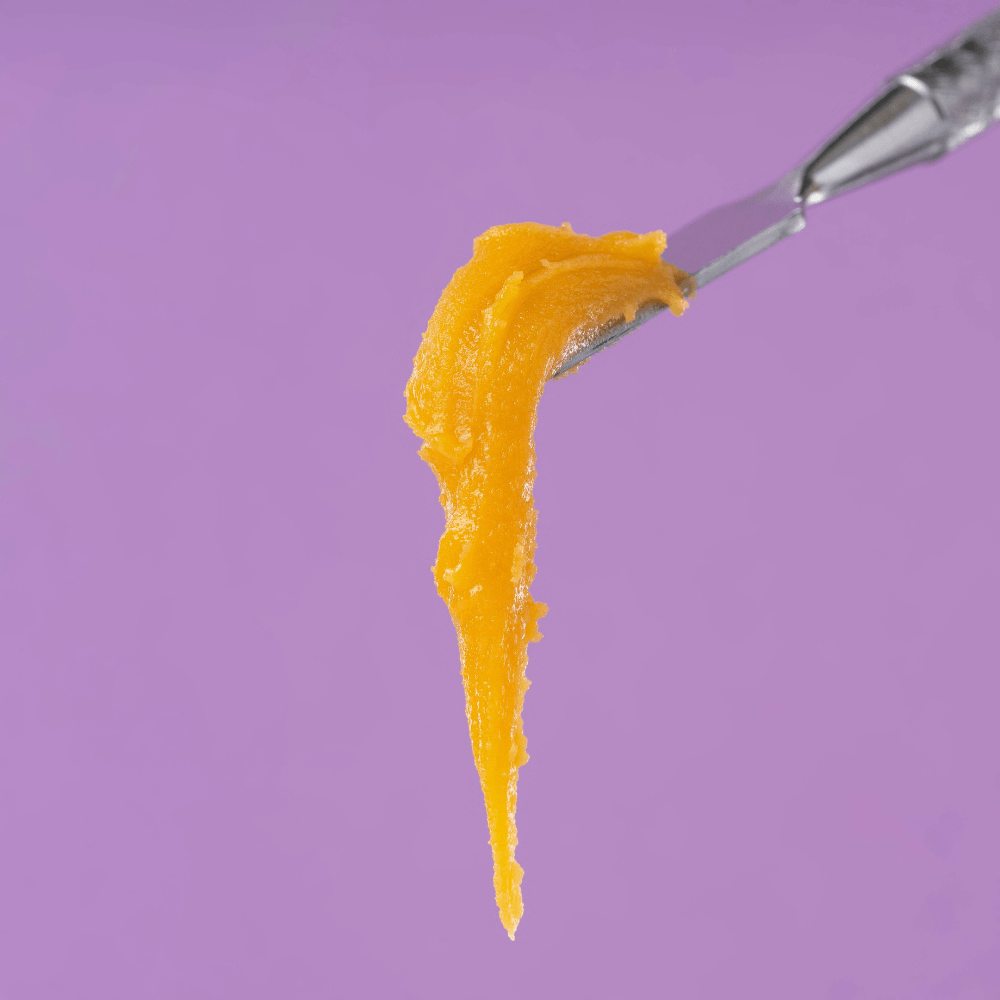
Live rosin sits at the top of most connoisseur lists, and for good reason. It's made by pressing fresh frozen cannabis (often first turned into ice water hash) with heat and pressure, with zero chemical solvents involved at any point. The result is an incredibly pure, full flavor concentrate that preserves the plant's original terpene profile better than almost any other method.

Texture: Ranges from a sappy, sauce like consistency to a firmer, buttery texture depending on how it's whipped or cured.

Why it ranks highest: Because it's solventless and made from fresh frozen plant material rather than dried and cured flower, live rosin retains more of the delicate terpenes that give cannabis its aroma and nuanced effects. It's also considered the safest option for anyone concerned about solvent residue.

Downside: Live rosin is labor intensive to produce and typically commands the highest price per gram of any concentrate category.

2. Rosin

Standard rosin is made the same way as live rosin, using heat and pressure only, but starts from dried and cured flower or dry sift hash rather than fresh frozen plant material. It's still fully solventless and prized for purity, though it generally has a slightly less vibrant terpene profile than live rosin since some aromatic compounds are lost during the drying and curing process.

Texture: Similar range to live rosin, from sappy to buttery.

Best for: Consumers who want a clean, solventless product without paying the premium that fresh frozen live rosin commands.

3. Live Resin

Live resin is one of the most popular concentrates in 2026, and it bridges the gap between solventless purity and solvent based accessibility. It's made using a hydrocarbon solvent, typically butane or propane, applied to fresh frozen cannabis rather than dried and cured material. This preserves significantly more terpene content than traditional solvent based extracts.

Texture: Often sauce like, with visible crystalline structures suspended in a terpene rich liquid, though it's also sold in badder and sugar consistencies.

Why it's popular: Live resin delivers much of the flavor intensity associated with solventless rosin, but at a lower price point and often in higher volume, since hydrocarbon extraction is more efficient at scale.

Downside: Because it uses a chemical solvent, it requires thorough purging and lab testing to confirm no residual solvent remains in the final product.

4. Diamonds and Sauce

Diamonds are crystalline structures made of nearly pure THCA (the non intoxicating precursor to THC), formed when a cannabis extract is allowed to slowly crystallize over time. They're often sold suspended in a terpene rich liquid called sauce, giving you both extreme potency from the diamonds and full flavor from the terpene sauce surrounding them.

Texture: Solid, translucent crystals surrounded by a liquid or semi liquid terpene layer.

Potency: Diamonds themselves can test above 95% THCA, making diamond and sauce combinations among the most potent concentrates on the market.

Best for: Experienced consumers seeking maximum potency alongside strong flavor from the surrounding terpene sauce.

5. Wax, Budder, and Badder

This trio of concentrate textures is made using similar hydrocarbon extraction methods, but with different post processing techniques that affect the final consistency.

Wax has a crumbly, opaque texture created through agitation during the purging process.

Budder is whipped during purging to create a smooth, creamy, cake batter like texture.

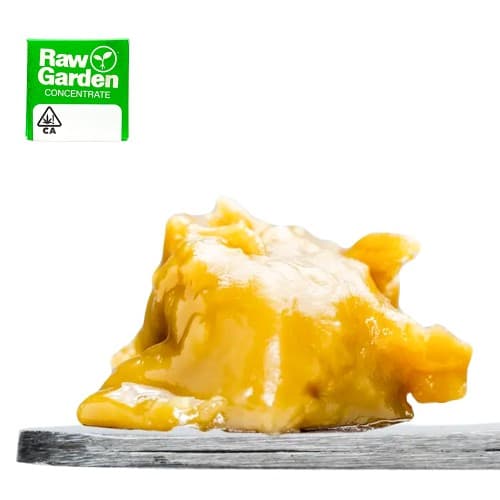
Badder is similar to budder but slightly softer and more spreadable, often described as being between wax and sauce in consistency.

All three typically test in the 65% to 85% THC range and offer a reliable, moderately priced option for dabbing.

6. Shatter

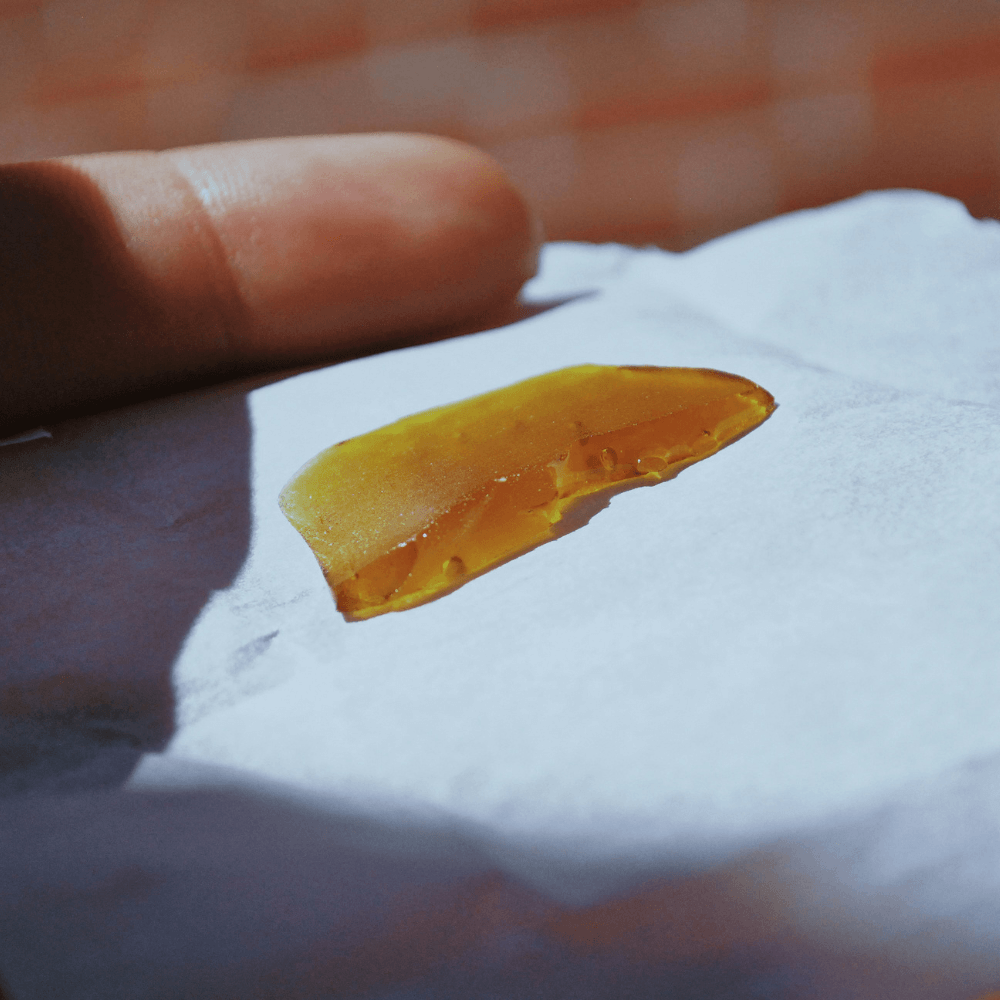
Shatter is named for its glass like, translucent appearance and the way it snaps or shatters when broken. It's made using hydrocarbon extraction with minimal agitation during the purging process, allowing the extract to set into a hard, stable sheet.

Texture: Hard, brittle, and glossy, similar to amber colored glass.

Why it's iconic: Shatter was one of the concentrates that helped popularize dabbing in the first place, and it remains valued for its stability and long shelf life compared to softer textures that can degrade or "sugar up" over time.

Downside: The processing required to achieve that glassy texture can sometimes strip out delicate terpenes, resulting in a slightly less flavorful experience than live resin or rosin.

7. Distillate

Distillate is a highly refined cannabis oil produced through a process called short path distillation, which isolates cannabinoids at extremely high purity while stripping out nearly everything else, including terpenes. It's the most processed concentrate on this list and the most common base oil used in vape cartridges and edibles.

Texture: Thick, viscous, and typically translucent to golden in color.

Potency: Often tests above 90% THC in isolation, though flavorless on its own.

Best for: Consumers who prioritize potency and consistency over flavor, or who are using distillate as an ingredient in another product like a vape cartridge or edible rather than dabbing it directly.

8. Hash

Hash is one of the oldest cannabis concentrates in existence, traditionally made by collecting and compressing trichomes, the resin glands found on the cannabis plant. Modern ice water hash uses ice, water, and fine mesh screens to separate trichomes from plant material without any chemical solvents.

Texture: Ranges from a loose, sandy consistency to a pressed, moldable block depending on the method and quality grade.

Why it endures: Hash offers a more traditional, full spectrum experience and can be smoked, vaporized, or pressed into rosin for an even more refined product.

Best for: Consumers who enjoy a classic, versatile concentrate that can be used in multiple ways.

9. Kief

Kief is the simplest concentrate of all: the fine, powdery trichomes that collect at the bottom of a grinder with a screen chamber. It's essentially unrefined hash and can be sprinkled on top of flower in a bowl or joint for an extra potency boost.

Texture: Fine, light, and powdery, ranging from pale green to golden depending on quality.

Best for: Consumers who already have flower on hand and want an easy way to boost potency without buying a separate dabbing setup.


Cannabis Concentrates Guide 2026: Every Type Ranked and Explained (Rosin, Wax, Diamonds, Live Resin & More)


How to Choose the Right Concentrate for You

With so many options, choosing the right concentrate comes down to a few key factors.

Consider Your Experience Level

New concentrate users should start with lower potency options like hash or kief before moving to higher potency wax, resin, or diamonds. Concentrates are significantly stronger than flower, and even experienced flower consumers can be caught off guard by concentrate potency.

Decide What Matters Most: Flavor, Potency, or Price

If flavor is your top priority, live rosin and live resin are worth the investment. If raw potency matters most, diamonds and distillate lead the pack. If you're looking for the most accessible price point, wax, badder, and shatter typically offer the best value per gram.

Think About How You'll Consume It

Most concentrates are designed for dabbing with a rig or e-rig, though many can also be vaporized using a compatible device, added to a bowl of flower, or used to make edibles at home. Diamonds and sauce, shatter, and rosin are generally best suited for traditional dabbing, while distillate is more commonly used as an ingredient in other products.


Reading Concentrate Labels in California

Every concentrate sold at a licensed California dispensary must include lab tested results confirming potency and screening for pesticides, residual solvents, and other contaminants. When shopping, check for:

  1. Total THC and THCA percentage
  2. Extraction method (solventless versus solvent based)
  3. Whether the starting material was fresh frozen or dried and cured
  4. Terpene content or terpene profile if listed
  5. Batch testing date and testing lab information

Concentrates made from fresh frozen material with a clearly disclosed extraction method are generally a strong sign of quality and transparency from the brand.


Storing Cannabis Concentrates

Proper storage keeps concentrates stable, potent, and flavorful for longer.

Keep concentrates in an airtight, non stick silicone or glass container. Store in a cool, dark place away from direct light and heat. Softer textures like sauce, budder, and live resin are more temperature sensitive than harder textures like shatter, so refrigeration can help extend shelf life for delicate products.


Final Thoughts

Cannabis concentrates in 2026 offer something for every kind of consumer, from the flavor obsessed dabber chasing the perfect live rosin to the budget conscious shopper who just wants a reliable wax or shatter. Understanding how each type is made, what it costs, and what it delivers puts you in a much better position to choose confidently rather than guessing based on appearance alone.

Ready to explore lab tested concentrates for yourself? Browse our full concentrates selection at https://hyperwolf.com/shop/concentrates to find the type, potency, and flavor profile that fits what you're looking for.

FAQ

Jenna Renz

Jenna is a California-based creative copywriter who’s been lucky enough to have worked with a diverse range of clients before settling into the cannabis industry to explore her two greatest passions: writing and weed.

  • Social media icon

Related Blogs

CBD and Cannabis Wellness Guide 2026: Cannabinoids, Products and How to Actually Use Them

CBD and Cannabis Wellness Guide 2026: Cannabinoids, Products and How to Actually Use Them

Cannabis wellness has moved well beyond CBD oil in a dropper bottle. In 2026, dispensary shelves are stocked with a growing lineup of minor cannabinoids, functional blends, and targeted products designed for sleep, recovery, focus, and stress relief, often with little or no intoxicating effect at all. For anyone curious about using cannabis for wellness rather than a traditional high, the options can feel just as overwhelming as the psychoactive side of the market.

8 Min Aug 07, 2026Jenna Renz

The Complete Pre-Roll Guide 2026: Classic Joints, Infused Pre-Rolls & Rosin Joints Explained

The Complete Pre-Roll Guide 2026: Classic Joints, Infused Pre-Rolls & Rosin Joints Explained

Pre-rolls have quietly become one of the most popular categories in cannabis retail, and it's easy to see why. There's no grinding, no rolling papers, no fumbling with a filter. You just grab one, light it, and go. But the pre-roll category in 2026 looks nothing like it did even a few years ago. What used to be a simple, sometimes lower quality convenience item has evolved into a genuinely premium product line, with infused options and rosin coated joints that rival or exceed the experience of r

8 Min Aug 07, 2026Jenna Renz