Live Resin vs Distillate Vapes: What's the Real Flavor Difference?

Stand in front of the vape section of any California dispensary and you will see the words live resin and distillate on cartridge after cartridge, often at very different price points for what looks like the same basic product. Both get cannabis oil into your lungs. Both can hit hard. But anyone who has switched between the two knows the flavor experience is not even close.

The difference comes down to what happens to the plant before, during, and after extraction. One method is built to preserve the plant's original aroma. The other strips almost everything away and adds flavor back in later. Understanding that distinction is the fastest way to stop guessing at the vape wall and start buying oil that actually tastes like what it claims to be.


What Distillate Actually Is

Distillate is the most heavily refined form of cannabis oil on the market, and that refinement is exactly what makes it both popular and, for many consumers, a little flat.

How Distillate Is Made

Producing distillate starts with a crude extract, usually pulled from dried and cured flower using a solvent like butane, CO2, or ethanol. That crude oil then goes through a process called short path distillation, which uses high heat and vacuum pressure to separate and isolate specific cannabinoids, most often THC, from everything else in the plant. The goal is a clear, viscous oil that is extremely consistent from batch to batch and often tests at 80 to 95 percent THC.

Why Distillate Tastes the Way It Does

The high heat required for distillation is effective at isolating cannabinoids, but it is brutal on terpenes, which are far more delicate and volatile compounds. A published terpenoid analysis of cannabis extracts found that the dominant terpene beta myrcene, which made up roughly 68 percent of the terpene content in dry flower, dropped to under 2 percent once the extract had been fully distilled, with a similarly steep decline in alpha pinene. In practical terms, that means raw distillate is nearly odorless and flavorless. Any flavor you taste in a distillate cartridge was almost always reintroduced afterward, either through cannabis derived terpenes isolated from other plant material or through botanical terpenes sourced from fruits, herbs, or other plants entirely.


Live Resin vs Distillate Vapes: What's the Real Flavor Difference?


What Live Resin Actually Is

Live resin takes a fundamentally different approach, starting well before extraction even begins.

How Live Resin Is Made

Instead of using dried and cured flower, live resin production starts with freshly harvested cannabis that is flash frozen almost immediately, often within hours of being cut. Skipping the drying and curing process is the key step, since that traditional process is exactly when a huge share of a plant's terpenes evaporate or degrade. The frozen material is then extracted using a solvent, typically butane or propane in a closed loop system, at cold temperatures designed to protect the fragile compounds rather than strip them away.

Why Live Resin Tastes the Way It Does

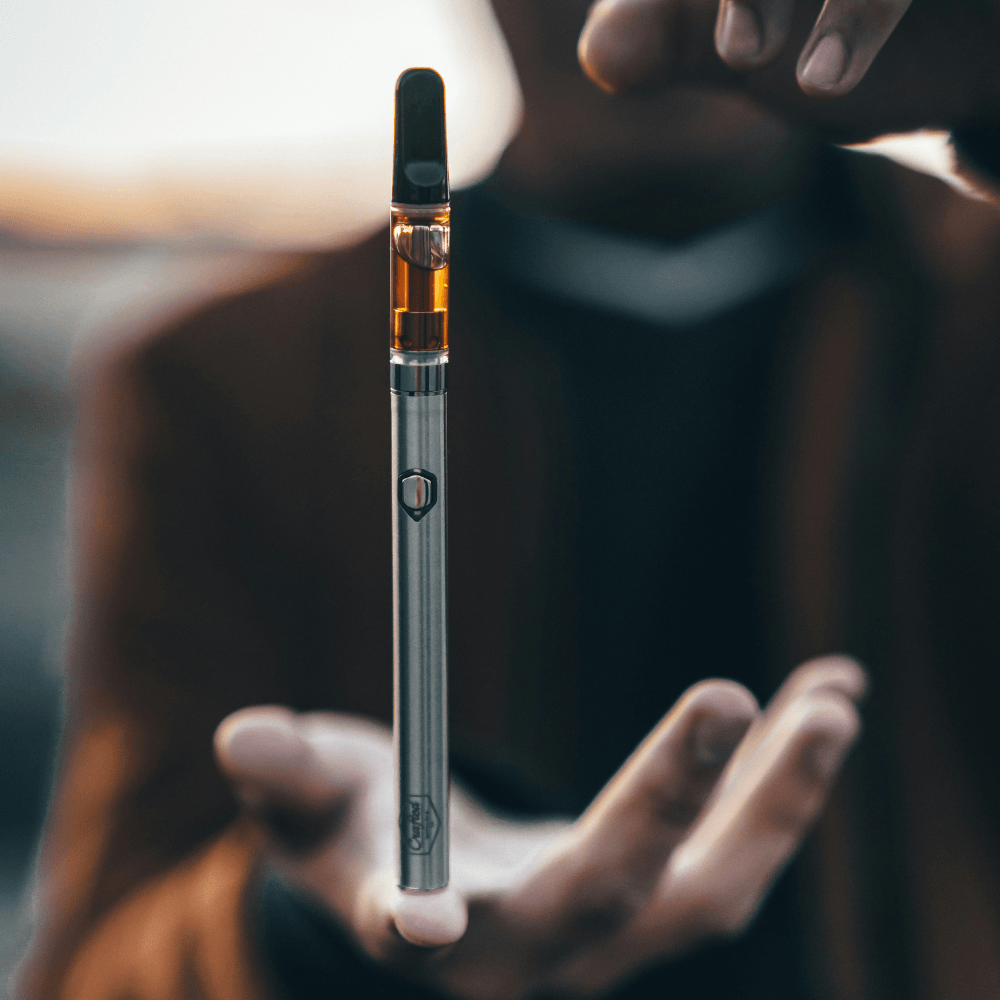
Because the starting material was never allowed to dry out, live resin retains a much larger share of the plant's original terpene profile, along with a broader range of minor cannabinoids. This is why live resin carts tend to smell and taste noticeably closer to the actual strain they came from, whether that is a gassy diesel aroma, a sharp citrus punch, or a sweet berry note. Live resin extracts also tend to have a looser, sauce like consistency compared to more processed concentrates, which is part of why they translate so well into vape cartridge form.


Comparing Flavor Side by Side

If you lined up a distillate cart and a live resin cart of the same strain, here is roughly what you would notice.

Distillate delivers a smoother, often sweeter draw with less natural cannabis flavor, since most of what you are tasting is added terpenes rather than anything that came from the original plant. It is consistent from cart to cart because the manufacturing process strips out the variables that would otherwise create batch to batch differences.

Live resin delivers a more pronounced, often sharper flavor that changes noticeably from strain to strain and even from batch to batch, since it is carrying over more of what was actually growing in that specific harvest. Enthusiasts often describe it as tasting closer to fresh flower than any other vape format available.

Neither one is objectively better. Distillate is a reasonable choice for consumers who prioritize potency, consistency, and price. Live resin is the better fit for anyone who treats flavor and a strain true experience as the whole point of vaping in the first place.


The Entourage Effect and Why It Matters for Flavor

Flavor is not just a matter of taste. Terpenes are increasingly believed to interact with THC and other cannabinoids to shape how an experience actually feels, a phenomenon commonly called the entourage effect. The same terpenoid research that tracked the loss of myrcene and pinene during distillation also concluded that terpenes appear to act synergistically with cannabinoids, which is part of why a full spectrum product like live resin can feel more nuanced and strain specific than a heavily isolated distillate. If you want to go deeper on this idea, our guide to solventless versus solvent based concentrates breaks down how extraction method affects potency and purity across the wider concentrate category, not just vapes.


Reading a Vape Label for Extraction Method

California requires lab testing on every cannabis vape product sold at a licensed dispensary, and that label is the most reliable way to confirm what you are actually buying before you commit to a cartridge.

Look first at the extraction method itself, since packaging should clearly state whether the oil is distillate, live resin, live rosin, or CO2 oil. Then check the terpene source line, which should specify cannabis derived terpenes pulled from the plant or botanical terpenes added from an outside source. Finally, check the total cannabinoid percentage and confirm the batch has passed current potency and contaminant testing.

A cartridge labeled with cannabis derived terpenes and a live resin or live rosin extraction method is generally a strong signal of a more transparent, flavor forward product, while distillate carts leaning on botanical terpenes are more about consistency and value than an authentic strain experience.


Choosing Between Live Resin and Distillate

A simple framework makes this decision easier at the counter.

If flavor and a true-to-strain experience matter most to you, start with live resin, and check whether the brand also offers a live rosin version for an even more refined, solventless option.

If price and consistency matter most, distillate remains a solid, dependable choice, especially for consumers who plan to use flavored or fruit forward carts where an intensely natural cannabis taste is not the priority.

If you are unsure, try both from the same strain when possible. A side by side comparison is the fastest way to figure out which category actually matches your preferences, rather than relying on price or packaging alone.

Consistency also plays a role in tolerance and dosing. Consumers newer to vaping may prefer distillate at first, simply because its more uniform potency makes it easier to predict effects draw to draw, while live resin's fuller cannabinoid and terpene profile can occasionally make effects feel slightly less predictable session to session.


Live Resin vs Distillate Vapes: What's the Real Flavor Difference?


Hardware Considerations for Both Oil Types

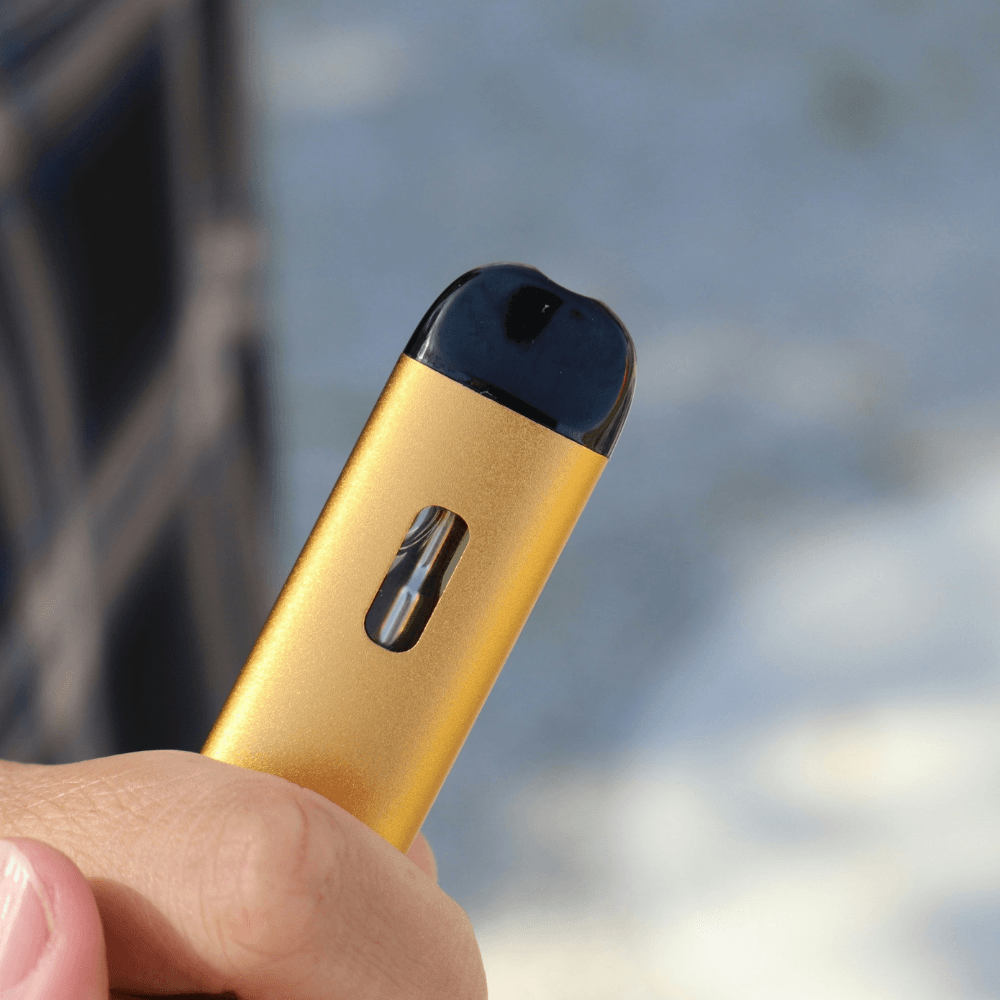
Extraction method matters, but the hardware carrying that oil plays a role too, especially with live resin's thicker, sauce like consistency.

Live resin cartridges often benefit from lower temperature settings if your battery allows variable voltage, since gentler heat helps preserve the very terpenes you are paying extra for. Distillate, being thinner and more refined, tends to vaporize evenly across a wider range of temperatures without much difference in flavor.

Whichever oil type you choose, priming a new cartridge with a few gentle draws before inhaling fully helps prevent a harsh, burnt taste, and storing cartridges upright and away from heat protects both oil types from degrading before you get to enjoy them.


Final Thoughts

The real difference between live resin and distillate vapes is not about which one gets you higher. It is about how much of the original plant survives the trip from harvest to cartridge. Distillate trades natural flavor for potency and consistency, while live resin trades some of that consistency for a fuller, more authentic terpene experience. Neither approach is wrong, but knowing which one you are actually buying makes it far easier to pick a cartridge that matches what you are looking for.

For a broader look at cartridge types, hardware formats, and how to shop the entire vape category, our complete cannabis vape guide covers everything this article builds on. If you are still deciding on hardware format, our comparison of vape cartridges, disposables, and pod systems is a useful next stop, and our cannabis concentrates guide covers how live resin compares to rosin, wax, and diamonds outside of vape form.

Ready to taste the difference for yourself? Browse our full selection of live resin and distillate vapes and find the extraction method that actually matches how you like to vape.

FAQ

Jenna Renz

Jenna is a California-based creative copywriter who’s been lucky enough to have worked with a diverse range of clients before settling into the cannabis industry to explore her two greatest passions: writing and weed.

  • Social media icon

Related Blogs

What Is CBN? The Sleep Cannabinoid Every Insomniac Should Know

What Is CBN? The Sleep Cannabinoid Every Insomniac Should Know

If you have spent any time in the CBD and wellness section of a dispensary lately, you have probably noticed CBN showing up on more and more labels, almost always paired with the word sleep. Nighttime gummies, evening tinctures, sleep drops. The marketing is everywhere, and for once, there is genuine science starting to catch up with the hype.

8 Min Sep 05, 2026Jenna Renz

Gummies vs Chocolates vs Baked Goods: Which Edible Format Hits Best?

Gummies vs Chocolates vs Baked Goods: Which Edible Format Hits Best?

Walk through the edibles case at any California dispensary and you will find the same milligram dose of THC packed into gummies, chocolate squares, and baked treats sitting side by side. On paper, 10 milligrams is 10 milligrams no matter what it is wrapped in. In practice, plenty of consumers swear one format hits harder, faster, or differently than another, and they are not entirely imagining it.

8 Min Sep 05, 2026Jenna Renz