Solventless vs Solvent-Based Concentrates: What's the Actual Difference?

Open the concentrates case at any California dispensary and you'll see two words used constantly: solventless and solvent-based. They sound like a simple either/or choice, but the distinction actually explains a lot about why a gram of live rosin costs three times as much as a gram of shatter, and why some concentrates are prized for flavor while others are prized for raw potency.

This guide breaks down exactly how solventless and solvent-based extraction differ, what that means for the concentrate in your hand, and how to choose between them based on what you actually want out of a dab.


What "Solventless" and "Solvent-Based" Actually Mean

Both categories start with the same goal: separating cannabinoids and terpenes from the rest of the plant material. The difference is entirely in the method used to get there.

Solventless Concentrates

Solventless extraction relies only on mechanical methods, heat, pressure, ice, and water, to strip cannabinoids and terpenes away from plant material. No chemical solvents ever touch the product at any stage. Rosin and ice water hash are the two most common examples of this category.

Solvent-Based Concentrates

Solvent-based extraction uses a chemical solvent, most commonly butane, propane, ethanol, or CO2, to pull cannabinoids and terpenes out of the plant. Once extraction is complete, the solvent is purged out of the final product through a careful heat and vacuum process. Live resin, wax, shatter, diamonds, and distillate all fall under this umbrella.

Neither method is universally "better." Each produces a different texture, flavor profile, and price point, and the right choice depends on what you're prioritizing: purity, flavor, potency, or cost.


Solventless vs Solvent-Based Concentrates: What's the Actual Difference?


Solventless vs Solvent-Based: Quick Comparison

Solventless concentrates are made using only heat, pressure, ice, and water, without chemical solvents. Common examples include rosin, live rosin, and ice water hash. Their textures can range from sappy to buttery, and they generally offer very high flavor and terpene retention, especially live rosin. Because they tend to be more labor-intensive to produce, solventless products typically come at a higher price point and undergo contaminant screening. Solvent-based concentrates are made using chemical solvents such as butane, propane, ethanol, or CO₂. Examples include live resin, wax, badder, shatter, diamonds, and distillate, with textures ranging from saucy and wet to glass-like or crumbly. Flavor and terpene retention varies by product; live resin can retain a significant amount of the plant’s original terpene profile, while distillate generally retains very little. In addition to contaminant screening, solvent-based products are subject to residual solvent testing, and their prices can range from budget-friendly to premium depending on the product and extraction method.


Why Solventless Concentrates Command a Premium

Solventless products, especially live rosin, sit at the top of most connoisseurs' lists. Because no chemical solvent is introduced, there's no purging step required, and the final product retains an unusually full terpene profile, especially when it's pressed from fresh-frozen plant material rather than dried and cured flower.

The tradeoff is labor and yield. Solventless extraction typically produces less finished product per pound of starting material compared to solvent-based methods, and the process itself, freezing, washing, pressing, is more time- and equipment-intensive. That's reflected directly in the price per gram.


Why Solvent-Based Concentrates Dominate the Market

Solvent-based extraction is more efficient at scale, which is why it produces the widest range of textures and price points on the shelf. Live resin captures much of the flavor intensity associated with solventless rosin, but at a lower cost, since hydrocarbon extraction pulls cannabinoids and terpenes more efficiently from larger batches of material. Distillate, at the other end of the spectrum, strips out nearly everything except cannabinoids, making it flavorless on its own but extremely potent and consistent, which is why it's the go-to base oil for vape cartridges and edibles.

The tradeoff here is the purging requirement. Any residual solvent left behind after extraction has to be removed and tested before the product can legally be sold.


Solventless vs Solvent-Based Concentrates: What's the Actual Difference?


Is One Method Actually Safer?

This is the question most shoppers really want answered, and the honest answer is: both can be perfectly safe when produced and tested correctly, but they carry different risk profiles.

Solventless concentrates have no residual solvent risk by definition, since no chemical solvent is ever introduced. Solvent-based concentrates carry a theoretical risk if the purging process is incomplete, which is exactly why California requires every solvent-based concentrate to pass dedicated residual solvent testing before it reaches a dispensary shelf. Under California's residual solvent testing regulations, licensed labs must verify that solvents like butane, propane, and ethanol fall below strict action levels, and any product exceeding those limits fails testing and cannot be sold.

In practice, this means a solvent-based concentrate purchased from a licensed California dispensary has already been verified as free of unsafe solvent residue. The bigger safety risk lies with unregulated or unlicensed products that skip testing altogether, not with solvent-based extraction as a category.


Popular Concentrate Types, Organized by Method

To put the distinction in context, here's how the major concentrate types on the market break down:

Solventless:

  • Live rosin – Pressed from fresh-frozen plant material using heat and pressure only; the most prized for flavor and purity
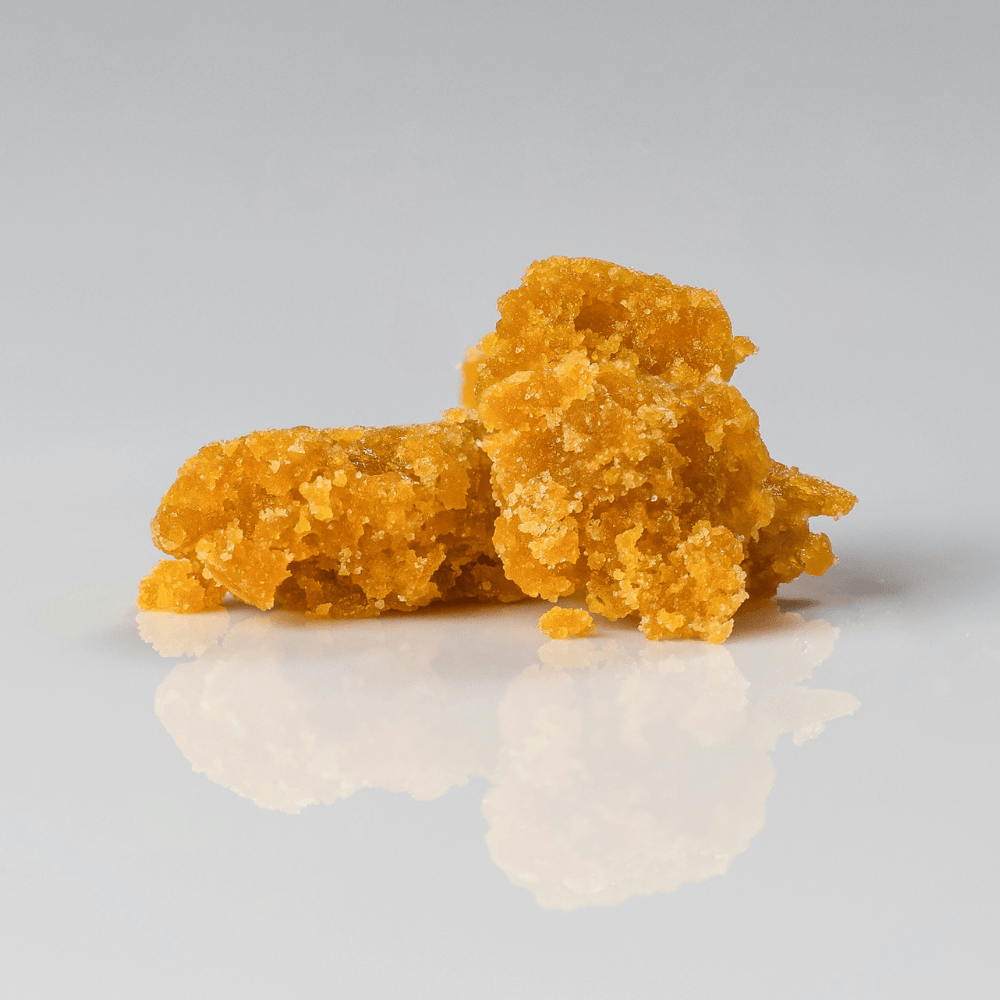
  • Rosin – Same process as live rosin, but starting from dried and cured flower or dry sift hash
  • Ice water hash – Made using ice, water, and fine mesh screens to isolate trichomes without any chemical solvent

Solvent-Based:

  • Live resin – Extracted from fresh-frozen material using butane or propane; a flavorful middle ground between solventless purity and solvent-based efficiency
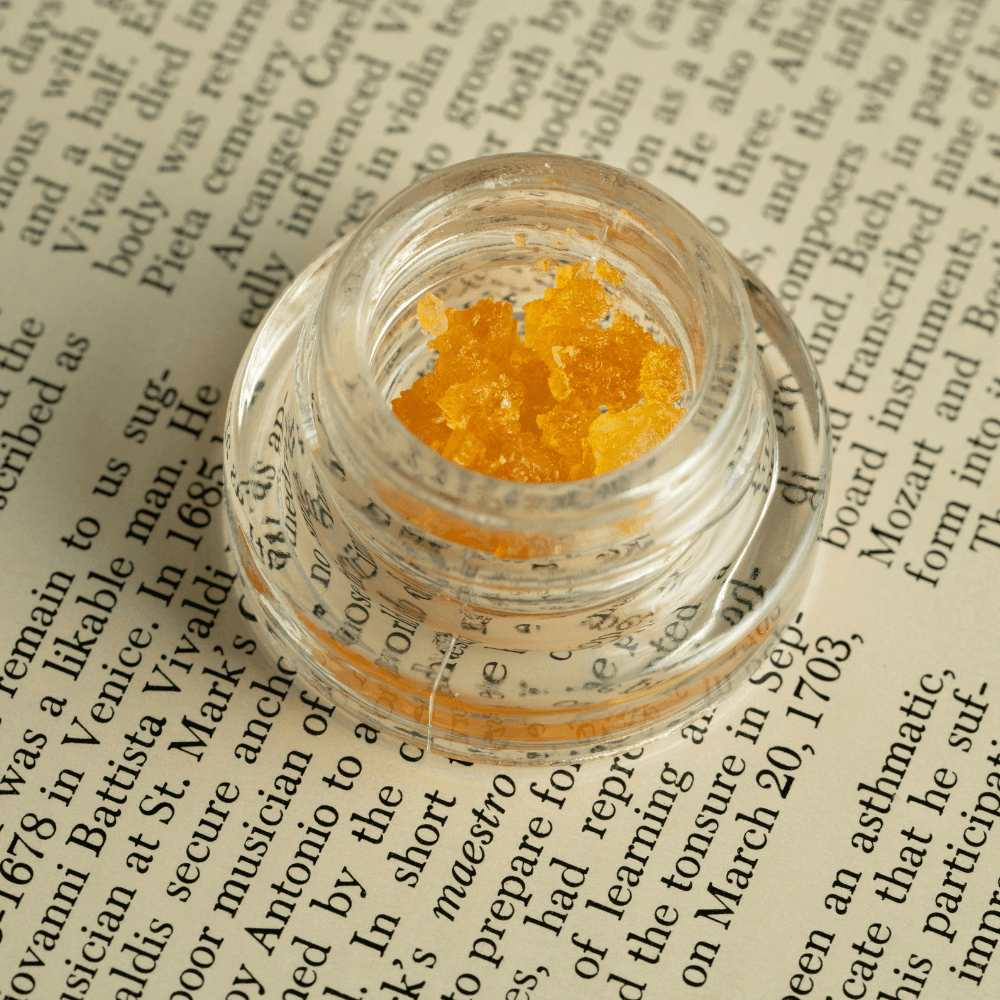
  • Diamonds and sauce – Crystallized THCA suspended in a terpene-rich liquid, among the most potent concentrates available
  • Wax, budder, and badder – Hydrocarbon extracts finished with different post-processing techniques for varying textures
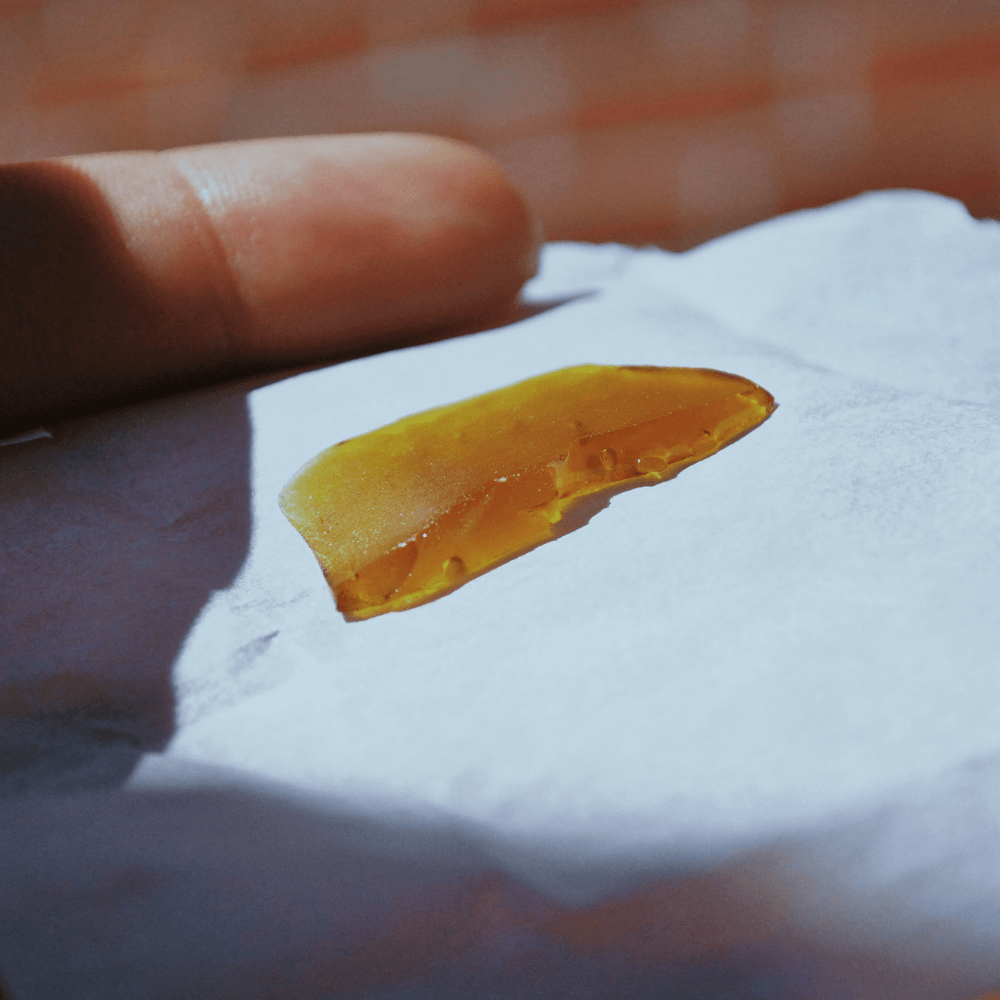
  • Shatter – A glass-like hydrocarbon extract valued for stability and shelf life
  • Distillate – Highly refined and nearly flavorless on its own, prized for potency and consistency in vapes and edibles

For a full breakdown of texture, potency, and pricing across every concentrate type, our Cannabis Concentrates Guide ranks and explains each one in more detail.


How to Choose Between Solventless and Solvent-Based

If Flavor and Purity Are Your Top Priority

Reach for live rosin or rosin. You'll pay more per gram, but you're getting the most terpene-rich, least-processed product available.

If You Want Strong Flavor Without the Premium Price

Live resin is the sweet spot. It preserves a lot of the terpene profile associated with solventless rosin, thanks to fresh-frozen starting material, but at a more accessible price point.

If Raw Potency Is the Goal

Diamonds and sauce or high-purity distillate deliver the highest THC percentages on the market, though often with less complex flavor than solventless or live resin options.

If You're New to Dabbing

Start with a lower-intensity option like hash or a budder/badder texture before working up to the highest-potency diamonds or concentrates. Concentrates are significantly stronger than flower, regardless of extraction method, so pacing yourself matters more than which category you choose.


Reading a Concentrate Label

Whichever method you choose, every concentrate sold at a licensed California dispensary must carry lab-tested results. Check for:

  1. Total THC/THCA percentage
  2. Extraction method (solventless or which solvent was used)
  3. Whether the starting material was fresh-frozen or dried and cured
  4. Terpene content, if listed separately
  5. Residual solvent testing results, applicable to solvent-based products only
  6. Batch testing date and testing lab information

A concentrate that clearly discloses its extraction method and starting material is one of the clearest signs you're buying from a transparent, quality-focused brand.


Storing Solventless and Solvent-Based Concentrates

Both categories benefit from similar storage habits, though solventless products tend to be more temperature-sensitive:

  • Store in an airtight, non-stick silicone or glass container
  • Keep away from direct light and heat
  • Refrigerate softer, more delicate textures like live rosin, sauce, and live resin to extend shelf life
  • Harder textures like shatter and cured rosin are more stable at room temperature but should still avoid heat and humidity swings


Common Misconceptions Worth Clearing Up

"Solvent-Based" Means Unsafe

This is probably the biggest misconception in the category. The word "solvent" understandably raises a flag, but a properly purged and tested solvent-based concentrate carries no more risk than a solventless one. The safety comes from testing and licensing, not from the extraction method alone.

Solventless Automatically Means Better Flavor

Live rosin generally does deliver an exceptional terpene profile, but a well-made live resin can come remarkably close, and a poorly made rosin from lower-quality starting material can actually underperform a high-quality live resin. The starting material and craftsmanship matter as much as the method itself.

Diamonds Are a "Solventless" Product Because They Look Like Crystals

Diamonds are almost always solvent-based. The crystalline structure forms during a slow purification process after hydrocarbon or CO2 extraction, not through mechanical pressing. Appearance alone isn't a reliable clue to extraction method.

More Processing Always Means Lower Quality

Distillate is the most heavily processed concentrate on the market, and it's also one of the most useful, precisely because that processing produces a consistent, highly potent, and versatile product for vapes and edibles. "Less processed" isn't automatically "better," it depends on what the concentrate is meant to be used for.


Solventless vs Solvent-Based Concentrates: What's the Actual Difference?


Bringing It All Together

Solventless and solvent-based concentrates aren't competitors so much as two different toolkits for the same goal: capturing cannabinoids and terpenes at high concentration. Solventless methods trade efficiency for purity and flavor, while solvent-based methods trade a purging and testing step for scale, variety, and often a lower price point. Both are safe when produced by a licensed manufacturer and verified through required lab testing, and both show up across the full range of textures and potencies on today's shelves.

Rather than picking a side, most experienced consumers end up choosing based on the occasion, reaching for a live rosin when flavor is the whole point, and a reliable wax or distillate when convenience or budget matters more.

For more on cannabis consumption formats, check out our guides to cannabis edibles, pre-rolls, and CBD and cannabis wellness.

Ready to compare for yourself? Browse our full concentrates selection to find the extraction method, texture, and potency that fits what you're after, and check out our brand and strain pages to track down cultivators and genetics you trust.

FAQ

Jenna Renz

Jenna is a California-based creative copywriter who’s been lucky enough to have worked with a diverse range of clients before settling into the cannabis industry to explore her two greatest passions: writing and weed.

  • Social media icon

Related Blogs

Edibles Dosing Guide: How Much Should You Actually Take?

Edibles Dosing Guide: How Much Should You Actually Take?

More edible-related mishaps come down to one thing: not understanding that edibles work on a completely different timeline than smoking or vaping. With flower or a vape, you feel effects within minutes and can adjust in real time. With an edible, you might not feel anything for an hour or two, which makes it dangerously easy to assume the first dose "isn't working" and take more before it's actually kicked in.

8 Min Aug 21, 2026Jenna Renz