Cannabis Diamonds Explained: THCA Crystals and How to Use Them

Look inside the concentrates case at a California dispensary and you will likely spot small, translucent crystals sitting in a jar, sometimes on their own and sometimes suspended in a golden liquid. These are diamonds, and they represent one of the most potent, visually striking products in the entire concentrate category. For consumers who have not encountered them before, diamonds can look intimidating, and the terminology around them, THCA, sauce, crystallization, adds another layer of confusion on top of that.

This guide breaks down exactly what cannabis diamonds are, how they are made, why they reach such extreme potency, and how to actually use them once you bring a jar home.


What Are Cannabis Diamonds

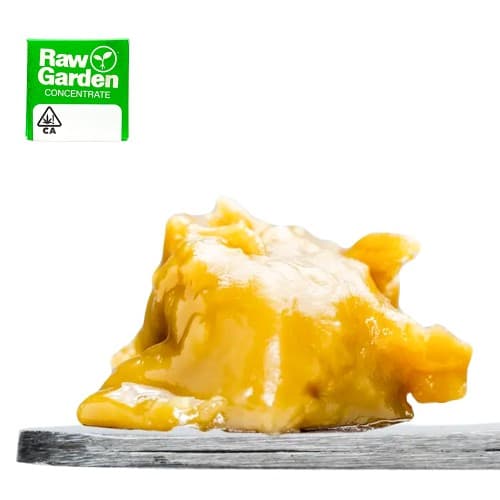
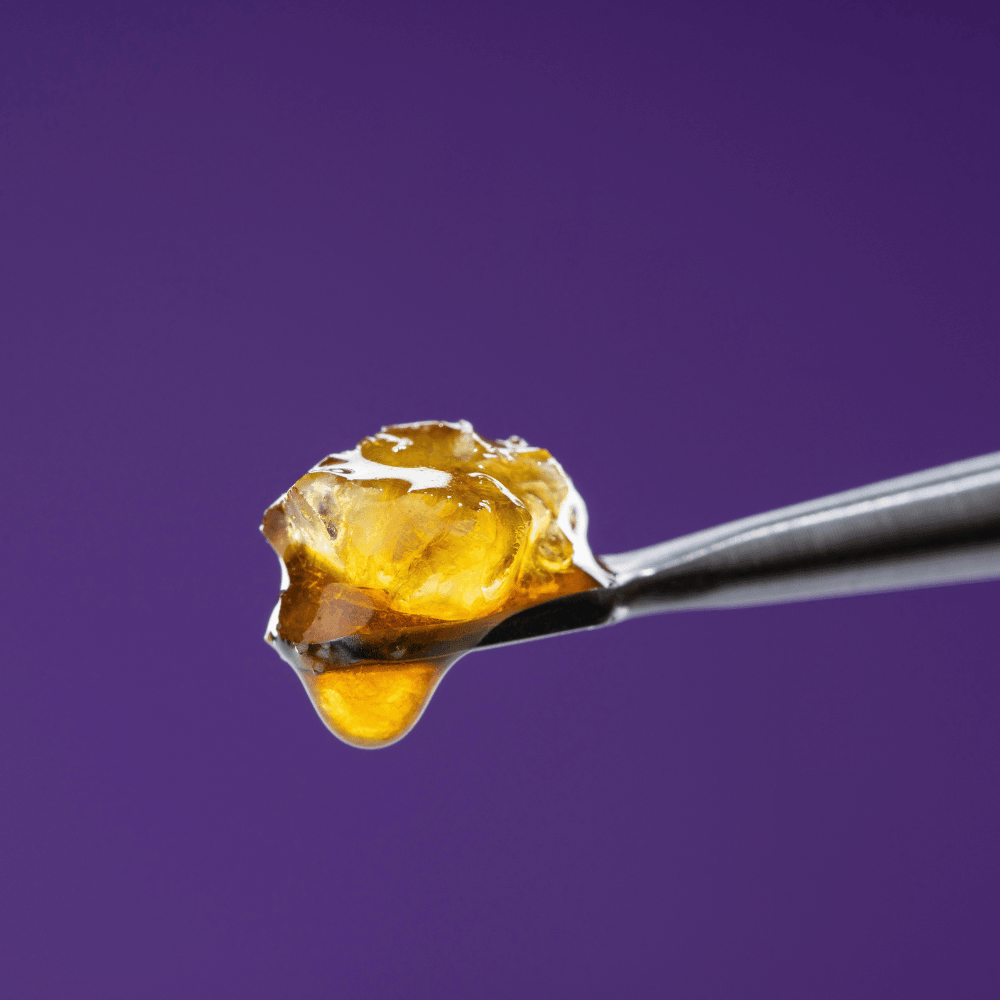
Diamonds are crystalline structures composed almost entirely of THCA, short for tetrahydrocannabinolic acid, the naturally occurring, non intoxicating precursor to THC found in raw cannabis. Despite looking like small gemstones, they are not literally mineral crystals. They are a highly purified form of a single cannabinoid that has been allowed to separate out of a cannabis extract into a solid, crystalline structure.

Because diamonds are made almost entirely of one compound, they can reach purity levels above 95 percent THCA, making them among the most potent concentrates available anywhere on the shelf. This is a meaningful distinction from concentrates like live resin or rosin, which intentionally preserve a broader mix of cannabinoids and terpenes rather than isolating a single compound to this degree.


Cannabis Diamonds Explained: THCA Crystals and How to Use Them


How Diamonds Are Actually Made

Producing diamonds starts with a cannabinoid rich cannabis extract, typically made using a hydrocarbon solvent like butane or propane. Rather than purging that extract immediately into a finished product, producers instead allow it to sit undisturbed under carefully controlled temperature and pressure conditions for an extended period, often anywhere from one to three weeks.

During this time, THCA molecules gradually separate out of the solution and crystallize, forming the small, translucent structures that give diamonds their name. This process is similar in principle to how rock candy forms from a sugar solution, though obviously working with an entirely different compound and set of conditions. The remaining liquid left behind after crystallization, still rich in terpenes and minor cannabinoids, is often kept and sold separately or recombined with the crystals as a product commonly called sauce.


Why Diamonds Are Often Sold With Sauce

Because the crystallization process pulls THCA out of solution so effectively, a batch of pure diamonds on their own can actually taste and smell fairly neutral, since most of the plant's aromatic terpenes stay behind in the surrounding liquid rather than incorporating into the crystal structure. Combining diamonds with that terpene rich sauce gives consumers the best of both, extreme potency from the crystals and full, strain specific flavor from the liquid surrounding them. This is why you will often see diamonds and sauce sold together rather than as a standalone crystal product, a distinction our what are infused pre-rolls breakdown also touches on when explaining how diamonds show up in infused joints.


Why Diamonds Reach Such Extreme Potency

THCA itself is not psychoactive in its raw crystalline form. It only becomes the intoxicating THC most people associate with cannabis once it is heated, a chemical process called decarboxylation. Published research on cannabis decarboxylation has tracked exactly how this conversion happens, finding that heating THCA to temperatures in the range of roughly 105 to 160 degrees Celsius drives the reaction toward completion, with several studies identifying temperatures near 145 to 160 degrees Celsius as producing the most efficient and complete conversion within just a few minutes. You can review the underlying research directly through this published analysis of cannabis decarboxylation.

This is exactly what happens the moment a dab rig, torch, or lighter heats a diamond, whether it is being dabbed directly or smoked as part of an infused joint. Because diamonds start with such a high concentration of THCA to begin with, often above 95 percent, the resulting THC after decarboxylation delivers one of the most potent experiences available in legal cannabis products.


How Diamonds Compare to Other Concentrates

Understanding where diamonds sit relative to other concentrate types helps put their potency and price into context.

Live resin and live rosin preserve a much broader range of cannabinoids and terpenes, prioritizing flavor and a full spectrum experience over isolating raw potency in a single compound.

Distillate is similarly refined and isolated, often reaching high THC purity as well, but through a different process that typically strips out terpenes entirely rather than allowing crystallization, and distillate does not form the same visible crystal structure diamonds are known for.

Diamonds sit at the far end of the potency spectrum specifically because the crystallization process concentrates THCA to a degree that few other extraction methods can match, though on their own they sacrifice much of the flavor complexity that live resin or rosin offer, which is exactly why pairing them with terpene rich sauce has become the standard approach.


Cannabis Diamonds Explained: THCA Crystals and How to Use Them


How to Actually Use Cannabis Diamonds

Diamonds show up in a few different consumption formats, each suited to a slightly different experience.

Dabbing Diamonds Directly

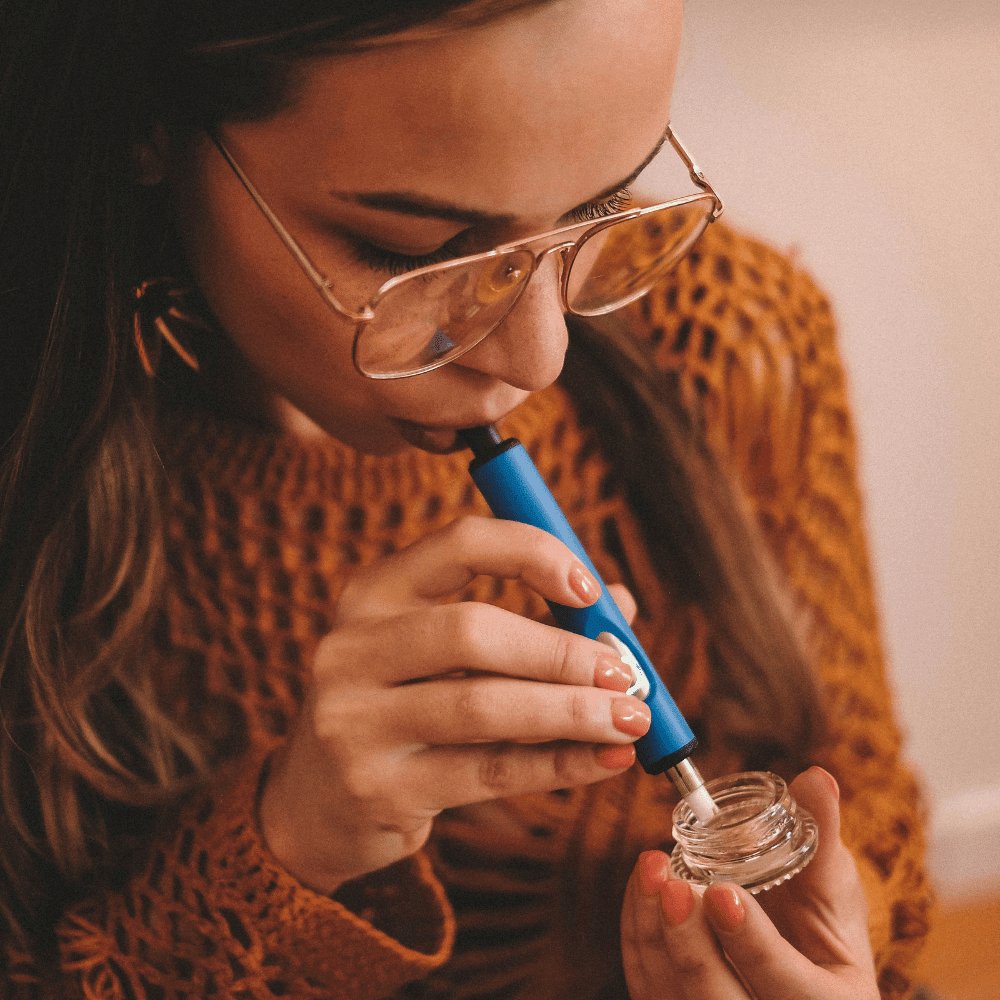
Dabbing is the most traditional way to consume diamonds, using a dab rig, an electronic nail, or an e-rig to vaporize a small amount of the crystal at a controlled temperature. Because diamonds are so potent, even a very small dab, often just a sliver, delivers a substantial dose, which makes this method best suited to consumers who already have some concentrate experience.

Diamonds and Sauce in a Dab Rig

Many consumers prefer using diamonds combined with sauce specifically for this method, since the surrounding terpene rich liquid adds flavor and a smoother vapor compared to dabbing pure crystals alone.

Diamonds in Pre-Rolls

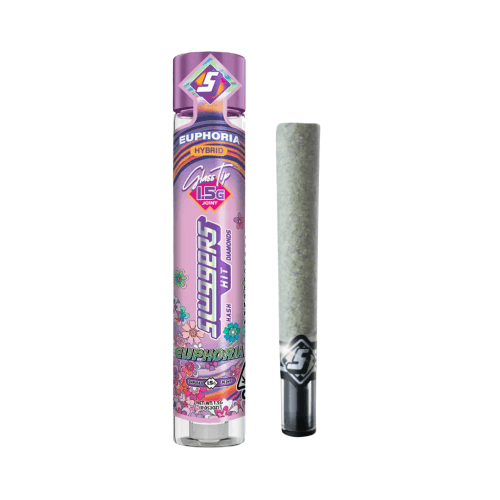
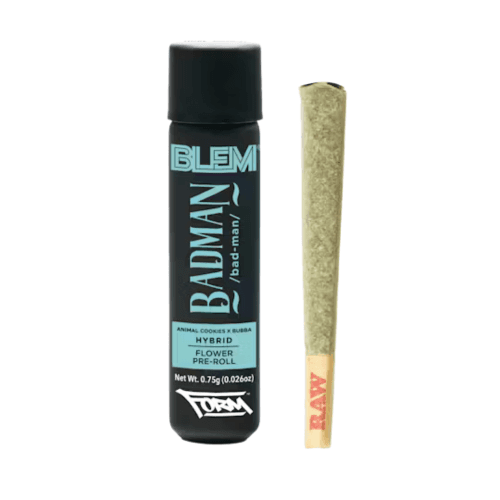
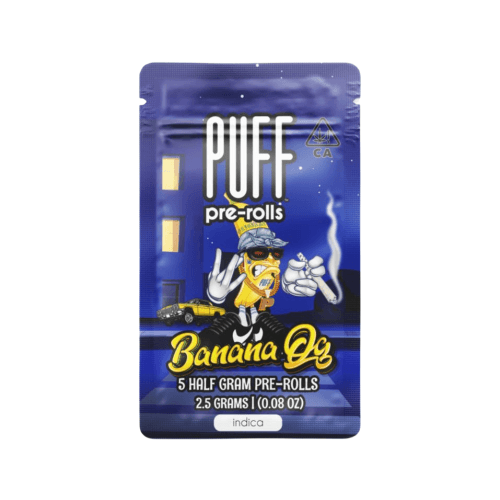
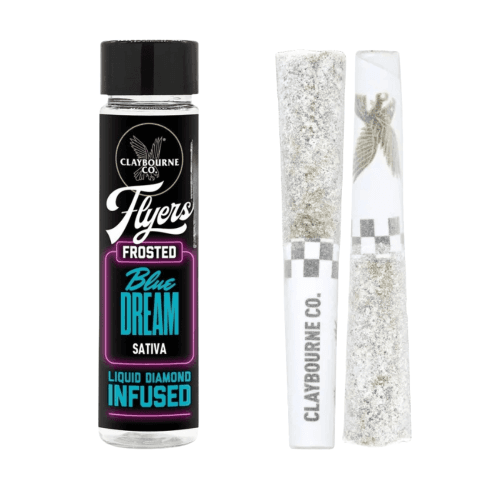
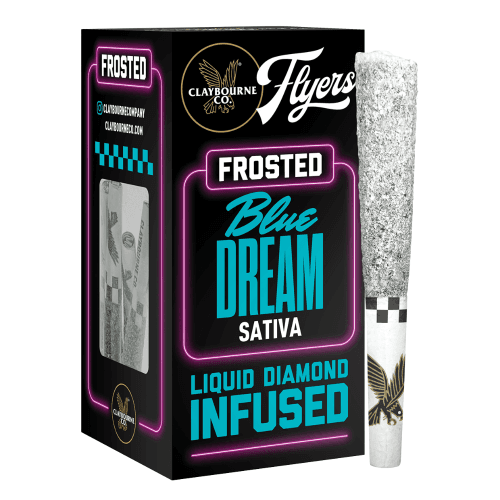
Diamonds are also commonly ground and mixed into flower, sprinkled into a joint during rolling, or applied to the outside of a pre-roll alongside a coating of kief. This significantly raises the potency of an otherwise standard joint, and it is one of the more approachable ways for a newer concentrate consumer to experience diamonds without committing to a full dab rig setup.

Diamonds in a Vaporizer

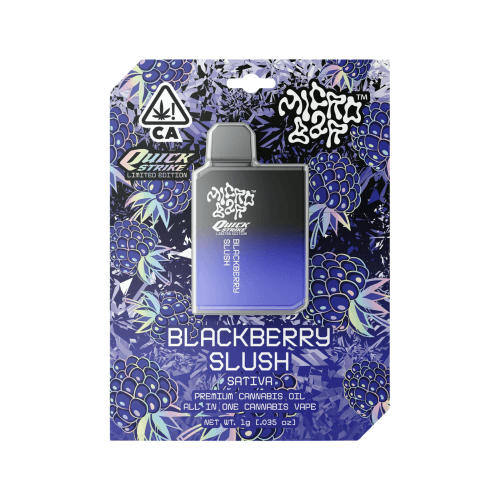
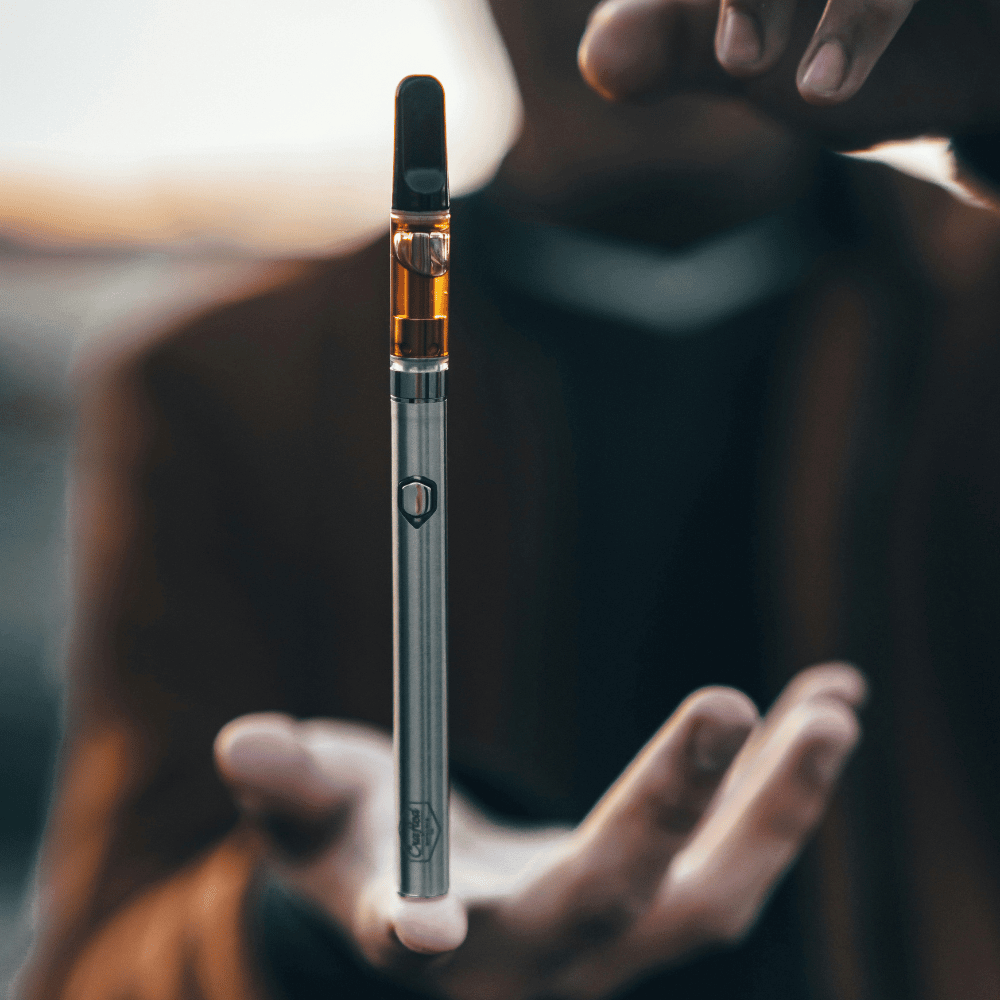
Some diamonds and sauce products are formulated specifically for use in a compatible vape device, offering a middle ground between the intensity of dabbing and the convenience of a standard vape cartridge.


Dosing and Safety Considerations

Because diamonds are among the most potent products available at a licensed dispensary, a few precautions matter more here than with lower potency concentrates or flower.

Start with an extremely small amount, especially if you have not dabbed concentrates before. What looks like a tiny sliver of crystal can deliver a dose comparable to several puffs of flower once fully vaporized and inhaled. Wait several minutes after a single dab before deciding whether to take another, since the effects can build quickly and are harder to moderate in real time compared to a slower building edible.

If you are newer to concentrates generally, starting with a lower potency option like hash, kief, or a standard wax before working up to diamonds gives you a better sense of your tolerance before encountering one of the strongest products on the shelf.


Reading a Diamonds Label

California requires lab testing on every concentrate sold at a licensed dispensary, and the label should tell you exactly what you are buying before you commit to a jar.

Check the THCA percentage specifically, since this is the number that indicates how much of the product will convert to active THC once heated. If the product includes sauce, look for the terpene percentage or profile, since this indicates how much flavor and aroma the surrounding liquid will contribute. Confirm current batch testing results for potency accuracy and contaminant screening, and check whether the crystals were derived from a specific named strain, since this affects the terpene profile of any accompanying sauce.


Storing Diamonds Properly

Diamonds are more stable than softer concentrates like sauce or live resin, but they still benefit from careful storage. Keep them in an airtight glass or silicone container, away from direct light and heat, ideally in a cool, dark spot rather than a car or a sunny windowsill. If your diamonds are paired with sauce, treat the combined product more like a temperature sensitive concentrate, since the terpene rich liquid portion can degrade faster than the crystals themselves if exposed to heat or light for extended periods.


Cannabis Diamonds Explained: THCA Crystals and How to Use Them


Final Thoughts

Cannabis diamonds represent one of the purest, most potent expressions of THCA available in the legal cannabis market, formed through a careful crystallization process that concentrates a single cannabinoid to an extreme degree. Understanding how they are made, why they reach such high potency once decarboxylated, and how to use them safely puts you in a much better position to approach this category with confidence rather than intimidation, whether you are dabbing them directly, pairing them with sauce, or sprinkling them into a pre-roll.

For a full breakdown of every concentrate category, from live rosin to shatter to hash, our cannabis concentrates guide covers everything this article builds on. If you want to see how diamonds compare specifically to other solvent based extraction methods, our solventless versus solvent based concentrates breakdown is worth a read as well.

Ready to try diamonds for yourself? Browse our full concentrates selection, including our diamonds and sauce lineup, to find the potency and flavor profile that fits your experience level.

FAQ

Jenna Renz

Jenna is a California-based creative copywriter who’s been lucky enough to have worked with a diverse range of clients before settling into the cannabis industry to explore her two greatest passions: writing and weed.

  • Social media icon

Related Blogs

How Long Do Edibles Take to Kick In? (The Honest, Science-Backed Answer)

How Long Do Edibles Take to Kick In? (The Honest, Science-Backed Answer)

If you have ever eaten a cannabis gummy, felt nothing after twenty minutes, and wondered whether you got a dud, you are far from alone. The single most common mistake new and even experienced edibles consumers make comes down to one simple misunderstanding: edibles do not work on the same timeline as smoking or vaping, and treating them like they do is how most uncomfortable experiences happen.

8 Min Sep 22, 2026Jenna Renz

What Are Solventless Rosin Pre-Rolls and Are They Worth the Price?

What Are Solventless Rosin Pre-Rolls and Are They Worth the Price?

Scan the pre-roll section of any California dispensary and you will notice a clear price tier at the top of the shelf. A three dollar classic joint sits next to a rosin coated pre-roll that can cost three or four times as much for a similar sized product. For plenty of consumers, that gap raises an obvious question. What is actually different about a solventless rosin pre-roll, and does it justify the extra cost?

8 Min Sep 22, 2026Jenna Renz