Beginner's Guide to Buying Cannabis Flower (Start Here)

Walking into a dispensary for the first time can feel like walking into a foreign country without a phrase book. Shelves are labeled with strain names you have never heard of, percentages that mean nothing yet, and a vocabulary of terpenes and cultivars that longtime consumers throw around casually. If you want to try cannabis flower for the first time, or you have dabbled before but never felt confident about what you were actually buying, this guide is meant to be your starting point.

Nothing here requires prior cannabis knowledge. By the end, you will understand what flower actually is, how to read a label without getting overwhelmed, what a reasonable first purchase looks like, and how to avoid the most common beginner mistakes.


What Cannabis Flower Actually Is

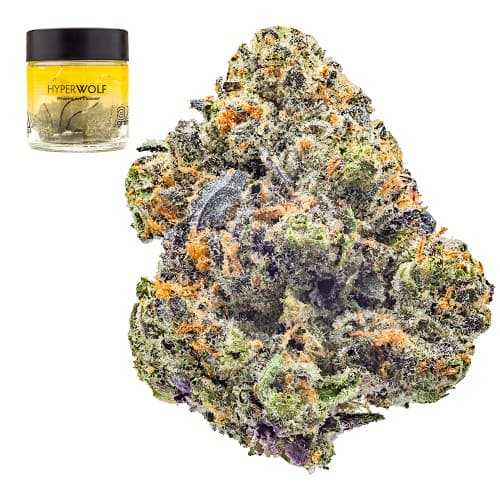
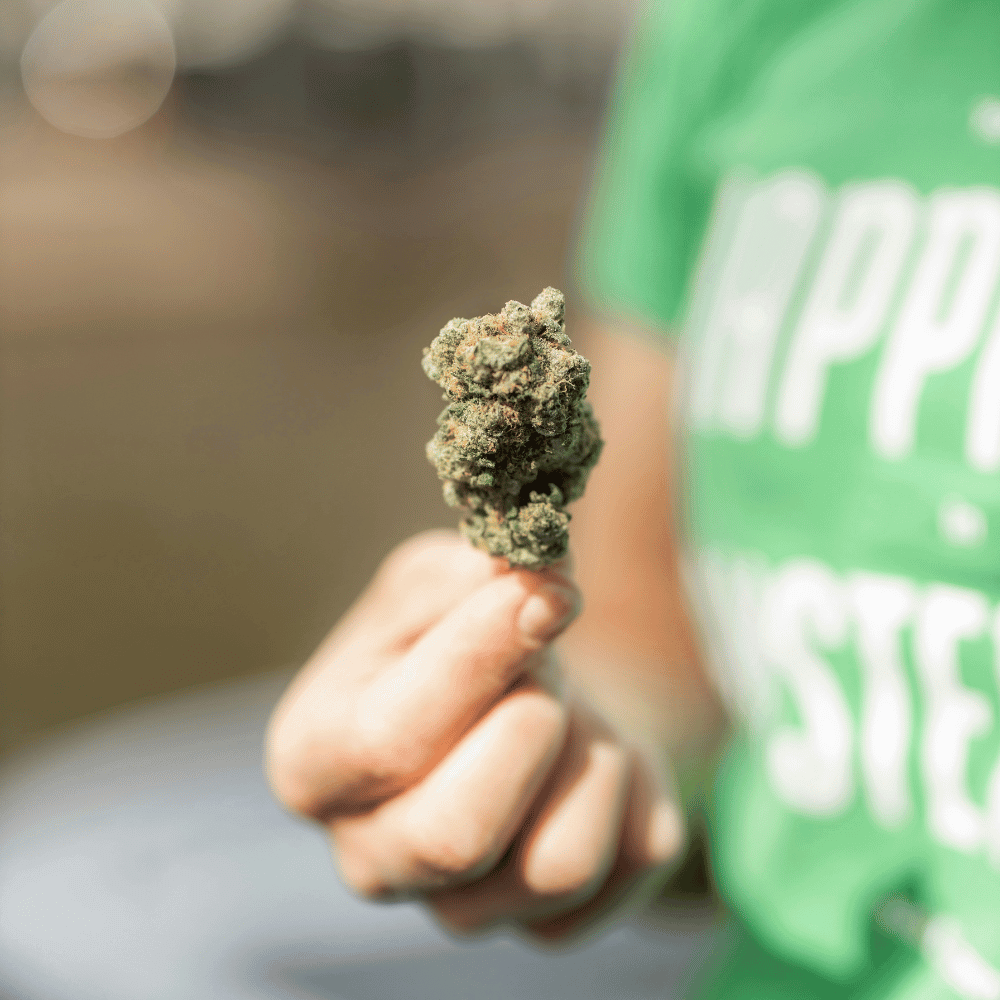
Cannabis flower refers to the dried, cured buds of the cannabis plant, the part that gets smoked, vaporized, or ground up for use in a joint, pipe, or bong. It is the most traditional form of cannabis and remains the most widely consumed category in legal markets, including California.

Unlike edibles, which take a while to kick in, flower delivers effects within minutes because cannabinoids are absorbed directly through the lungs into the bloodstream. That fast onset is actually a meaningful advantage for a first time consumer, since you can gauge how you feel in real time rather than waiting an hour or two to find out if you took too much.


Beginner's Guide to Buying Cannabis Flower (Start Here)


Understanding Strain Types Without Overthinking Them

Almost every strain you encounter will be labeled indica, sativa, or hybrid. This is the first classification beginners learn, and while it is a useful starting point, it is worth knowing upfront that it is an oversimplification.

Indica strains are traditionally associated with relaxing, body heavy effects and evening use. Sativa strains are typically linked to more energizing, cerebral effects suited to daytime use or socializing. Hybrid strains combine characteristics of both, landing anywhere from indica leaning to sativa leaning depending on the specific genetics.

Here is the honest truth that even some longtime consumers miss: a strain's actual effects come down less to whether it is labeled indica or sativa and more to its specific cannabinoid and terpene content. Two different indica labeled strains can feel meaningfully different from each other. For a beginner, the indica, sativa, hybrid label is a fine starting filter, but it should not be the only thing guiding your decision, a point our indica versus sativa versus hybrid breakdown covers in more depth.


THC Percentage: What It Means and What It Doesn't

THC, or tetrahydrocannabinol, is the primary compound responsible for cannabis's psychoactive effects, and its percentage is the number most beginners fixate on first.

As a general framework, flower in the 10 to 15 percent THC range is considered low potency and a reasonable place for a first time consumer to start. The 15 to 22 percent range is considered moderate and is the most common range for balanced, everyday use. Anything above 22 percent is considered high potency and generally better suited to consumers who already have some tolerance built up.

Here is the important nuance beginners often miss. THC percentage alone does not determine how strong an experience will feel. Your personal tolerance, how much you consume, and the strain's terpene profile all shape the actual experience just as much as the number on the label. A high THC percentage with an unbalanced terpene profile can feel harsh or overwhelming, while a moderate THC percentage with a well matched terpene profile can feel surprisingly satisfying. This is exactly why starting low, even if you are tempted by a bigger number, is the safer and smarter play for a first purchase.


Terpenes: The Part of the Label Beginners Skip Past

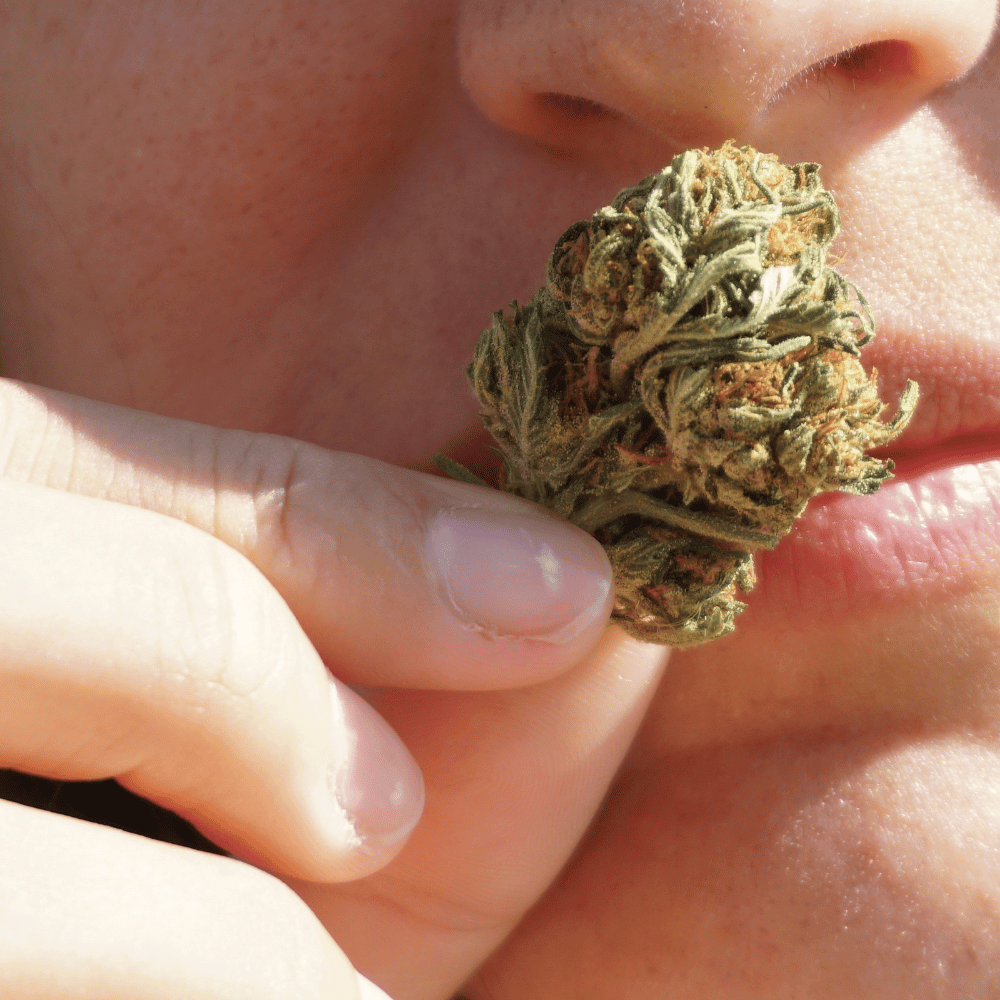
If THC percentage tells you roughly how strong a strain might feel, terpenes tell you what it will actually taste like and how it is likely to affect your mood and energy. Terpenes are the aromatic compounds responsible for a strain's distinct scent, whether citrus, pine, earthy diesel, or floral lavender, and researchers increasingly believe they play a meaningful role in shaping the overall experience alongside THC.

A few terpenes are worth learning early on. Myrcene carries an earthy, musky aroma linked to relaxing, sedative effects. Limonene brings a bright citrus scent associated with uplifted mood and stress relief. Linalool has a floral, lavender-like quality often tied to calming effects. Pinene delivers a fresh pine scent associated with alertness and focus. Learning these four alone already puts you ahead of plenty of longtime consumers who never bother checking the terpene panel at all. Our terpene shopping guide breaks down matching specific terpenes to specific goals in more depth.


How to Actually Read a Flower Label

California dispensaries are required to provide lab tested results for every batch of flower sold, and learning to read that label is one of the most useful skills you can develop as a new consumer.

Start with the THC and CBD percentages to understand overall potency. Then check the terpene profile, which typically lists the top three to five terpenes and their relative percentages. Look at the harvest or package date too, since fresher flower generally retains more of its original terpene content. Finally, confirm the batch has passed the state's required testing for pesticides, heavy metals, and microbial contaminants.

A flower package with a clearly listed terpene breakdown and a recent package date is generally a stronger indicator of quality than a high THC percentage on its own.


Beginner's Guide to Buying Cannabis Flower (Start Here)


A Simple Framework for Your First Purchase

Rather than wandering the shelves hoping something jumps out, work through these steps in order.

First, decide what you actually want out of the experience before you look at anything else. Relaxation, socializing, creativity, or better sleep should guide your terpene choice from the beginning.

Second, choose a lower potency flower to start, generally under 18 percent THC, even if higher percentage options look more appealing. You can always work your way up as you learn your tolerance, but you cannot easily undo an uncomfortable first experience.

Third, look at the terpene profile as your primary filter rather than an afterthought. A myrcene or linalool forward strain is a reasonable bet for relaxation, while a limonene or pinene forward strain leans more energizing.

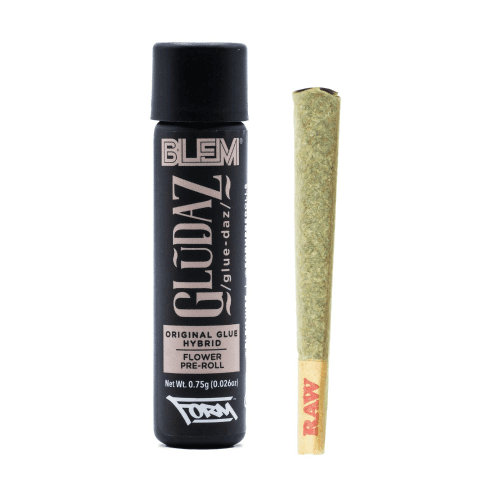
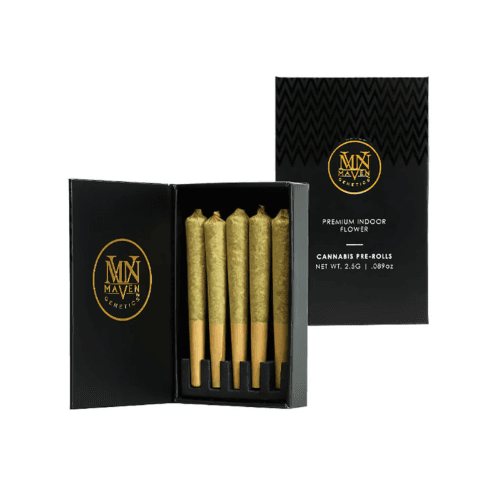
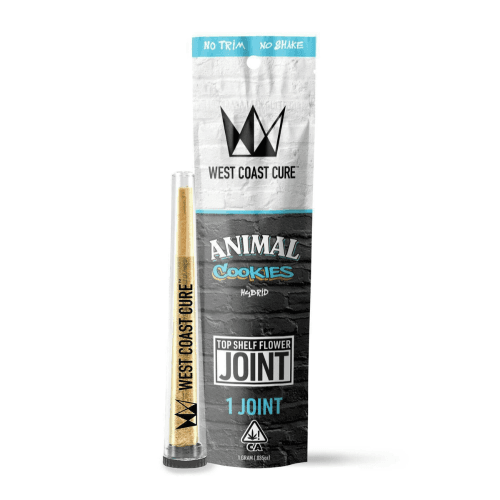
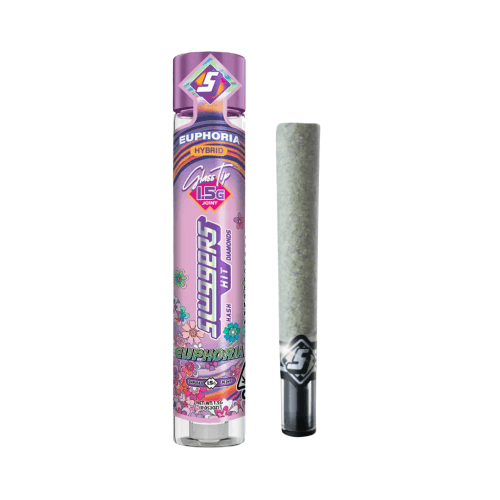
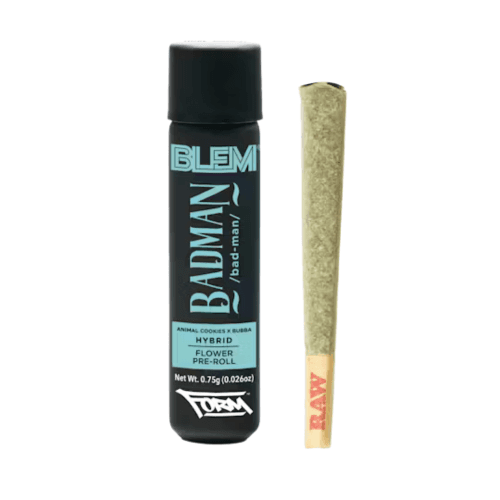
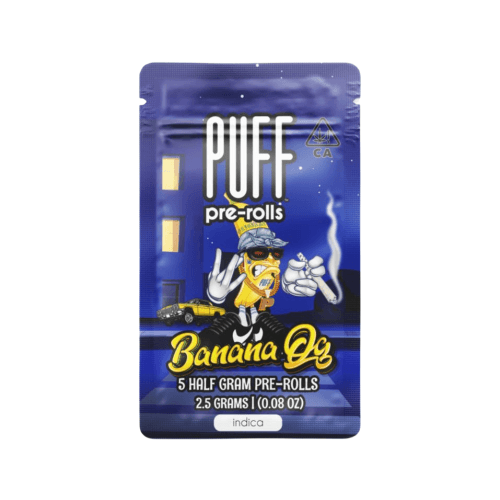
Fourth, think about how you plan to consume it. A simple pipe or a pre-rolled joint is often the easiest entry point for a first time consumer, since it requires no grinding, rolling, or extra equipment.

Fifth, always buy from a licensed, lab tested source. This confirms that what is printed on the label actually matches what is in the jar, and that the product has been screened for contaminants that could otherwise pose a real health risk.


Trying a Small Amount First

One of the most common beginner mistakes is buying more than needed for a first experience, both in quantity and potency. California law allows adults 21 and older to possess up to 28.5 grams of flower, but there is no reason to buy anywhere close to that for your first purchase. A single pre-rolled joint or an eighth, which is 3.5 grams, gives you plenty of room to experiment without significant financial or physical commitment.

When it comes to actually consuming for the first time, take a single inhale, wait several minutes, and assess how you feel before taking another. Unlike edibles, flower's fast onset means you get real time feedback, which makes it much easier to stop at a comfortable point rather than accidentally overdoing it.


Common Beginner Mistakes to Avoid

A handful of predictable mistakes account for most uncomfortable first experiences, and all of them are easy to sidestep once you know to look out for them.

Chasing the highest THC percentage on the shelf is the most common one. A bigger number does not guarantee a better or stronger experience, and it can genuinely backfire for a first time consumer.

Ignoring the terpene profile entirely is another. Two strains with identical THC percentages can feel completely different depending on their terpene makeup, so skipping this section of the label means you are shopping with only half the available information.

Buying from an unlicensed source is a mistake worth taking seriously, not just as a legal issue but as a safety one. Products sold outside the licensed market have not necessarily been tested for pesticides, mold, or heavy metals, which means you genuinely do not know what you are consuming. San Francisco's official guide to cannabis consumer rights is a useful resource if you want a clear, government issued overview of what responsible, legal cannabis use actually looks like in California.

Finally, skipping storage after purchase is easy to overlook but genuinely affects your experience. Flower left in a plastic bag, a hot car, or direct sunlight will degrade quickly, losing potency and aroma well before you get through it.


Storing Your Flower Properly

Once you have made your first purchase, a little care goes a long way toward keeping it fresh. Store flower in an airtight glass container, away from direct light, in a cool, dark spot rather than a windowsill or a car. Avoid plastic bags, which trap moisture and degrade the delicate trichomes responsible for both potency and aroma. If you only plan to use a small amount at a time, buying in quantities you will realistically finish within a few weeks is generally a better strategy than stocking up, since freshness matters more than most beginners initially assume.


Beginner's Guide to Buying Cannabis Flower (Start Here)


What a Reasonable First Strain Looks Like

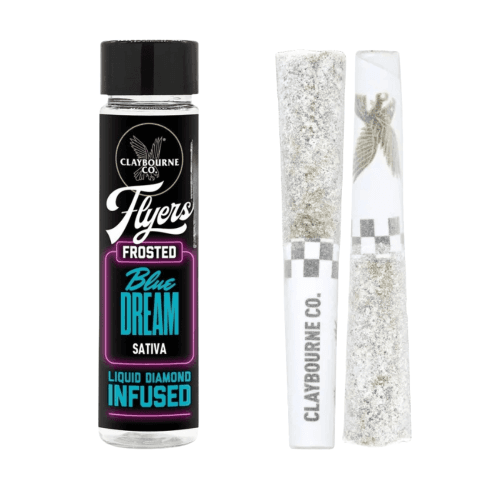
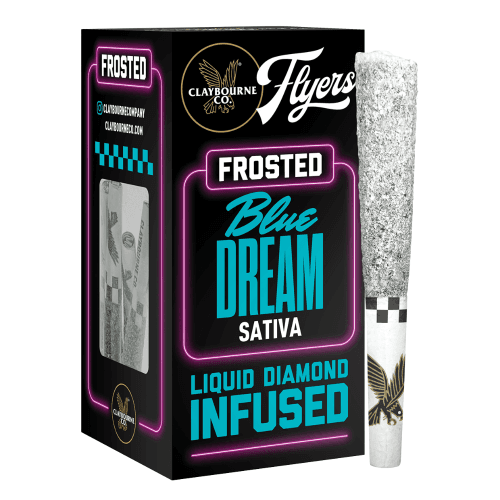
If you are looking for a specific starting point rather than a general framework, a balanced hybrid with a moderate THC percentage and a well rounded terpene profile is usually the safest bet. A strain like Blue Dream, known for its berry forward aroma and a gentle, uplifting-yet-relaxing balance, is frequently recommended to new consumers for exactly this reason. It is not the most potent option on the shelf, but it offers a well rounded introduction to what flower can actually feel like without leaning too far in either the relaxing or energizing direction.


Final Thoughts

Buying cannabis flower for the first time does not require memorizing every strain name or becoming a terpene expert overnight. It requires understanding a handful of fundamentals: what THC percentage actually tells you, why terpenes matter just as much, how to read a lab tested label, and why starting low and buying from a licensed source protects both your wallet and your experience. Once those basics click, the intimidating dispensary shelf starts to look like a menu you know how to order from.

For a deeper dive into strain types, potency ranges, and how experienced consumers shop smarter over time, our complete cannabis flower guide covers everything this beginner's guide builds on.

Ready to make your first purchase? Browse our full flower collection and start with a strain that matches the experience you are actually looking for, not just the biggest number on the shelf.

FAQ

Jenna Renz

Jenna is a California-based creative copywriter who’s been lucky enough to have worked with a diverse range of clients before settling into the cannabis industry to explore her two greatest passions: writing and weed.

  • Social media icon

Related Blogs

How Long Do Edibles Take to Kick In? (The Honest, Science-Backed Answer)

How Long Do Edibles Take to Kick In? (The Honest, Science-Backed Answer)

If you have ever eaten a cannabis gummy, felt nothing after twenty minutes, and wondered whether you got a dud, you are far from alone. The single most common mistake new and even experienced edibles consumers make comes down to one simple misunderstanding: edibles do not work on the same timeline as smoking or vaping, and treating them like they do is how most uncomfortable experiences happen.

8 Min Sep 22, 2026Jenna Renz

What Are Solventless Rosin Pre-Rolls and Are They Worth the Price?

What Are Solventless Rosin Pre-Rolls and Are They Worth the Price?

Scan the pre-roll section of any California dispensary and you will notice a clear price tier at the top of the shelf. A three dollar classic joint sits next to a rosin coated pre-roll that can cost three or four times as much for a similar sized product. For plenty of consumers, that gap raises an obvious question. What is actually different about a solventless rosin pre-roll, and does it justify the extra cost?

8 Min Sep 22, 2026Jenna Renz