Best Cannabis Strains for Anxiety: A 2026 Guide to Finding Calm

Cannabis products vary enormously in chemical composition, and that composition — not the strain name on the label — is what drives how a given product is experienced. This guide covers the underlying chemistry: cannabinoids, terpenes, cultivar characteristics, potency labeling, and consumption formats.

A note before you start: This article is for general education only. It is not medical advice, and nothing here is intended to describe, recommend, or promise a treatment for any diagnosed condition. Individual response to cannabis varies widely based on body chemistry, tolerance, and the specific product. If you're managing a diagnosed mental health condition, are pregnant or breastfeeding, or take prescription medication, talk with a qualified clinician before using cannabis. Never drive or operate machinery while impaired, and always follow your local laws and age restrictions.

Cannabis chemistry: what's actually in a product

A cannabis product's effects are shaped by several measurable factors:

  • THC concentration — the primary psychoactive cannabinoid
  • CBD concentration — a non-intoxicating cannabinoid often present alongside THC
  • Terpene content — aromatic compounds also found throughout the plant kingdom
  • Format and potency per serving — flower, vape, edible, and tincture products deliver cannabinoids differently
  • Individual physiology — body chemistry, tolerance, and prior experience all affect how any given product is perceived

These variables interact, which is why identical strain names from different producers, or even different batches from the same producer, can test very differently on a certificate of analysis.

THC and CBD: the basics

THC is the cannabinoid most associated with the intoxicating effects of cannabis. CBD does not produce the same intoxicating effect and is frequently present in varying ratios alongside THC in commercial products. Products are commonly categorized by their THC:CBD ratio — CBD-dominant, balanced (roughly 1:1), or THC-dominant — and this ratio is one of the most consistent, lab-verifiable data points available to consumers, which is why regulators and testing labs treat it as a primary label element.

Terpene research

Terpenes are aromatic hydrocarbons produced by cannabis (and many other plants). Researchers have studied several terpenes commonly found in cannabis:

  • Linalool — also found in lavender; associated in some research with sedative properties in animal studies
  • Myrcene — also found in mangoes and hops; one of the most abundant terpenes in many cannabis cultivars
  • Beta-caryophyllene — also found in black pepper; notable for binding to cannabinoid receptors, unlike most terpenes
  • Limonene — also found in citrus rinds; one of the most common terpenes across cannabis cultivars generally
  • Pinene — also found in pine needles and rosemary; one of the most widespread terpenes in nature

Terpene research in cannabis is an active and still-developing field, and much of the existing data comes from studies of these compounds in isolation or in other plants rather than in combination with cannabinoids in humans. For more detail, see our terpene guide and our caryophyllene deep dive.

Cultivar characteristics

Cannabis cultivars (commonly called "strains") are typically grouped by lineage and reported cannabinoid/terpene profile. Availability, potency, and terpene content vary by grower, region, and harvest batch, so the cultivar name alone is not a reliable predictor of a specific product's lab results.

CBD-forward cultivars — ACDC, Harlequin, Cannatonic, Ringo's Gift, and Remedy are cultivars that have historically been bred and selected for higher CBD content relative to THC.

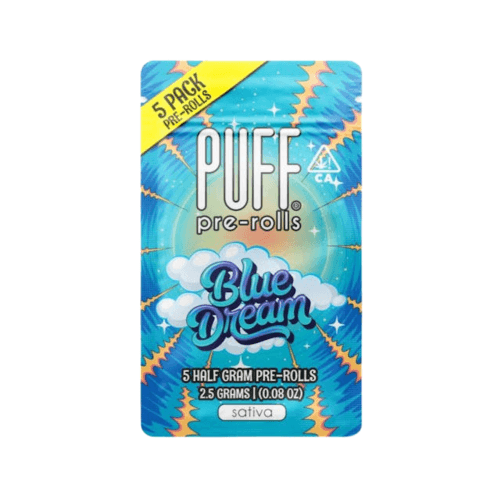
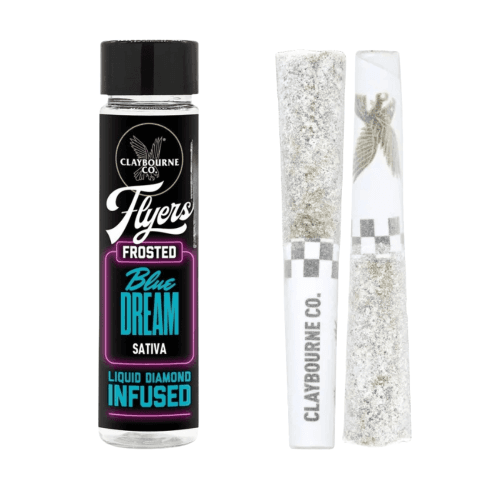
Balanced hybrid cultivars — Blue Dream and Gelato are widely distributed hybrid cultivars; potency and terpene content vary significantly by producer and batch.

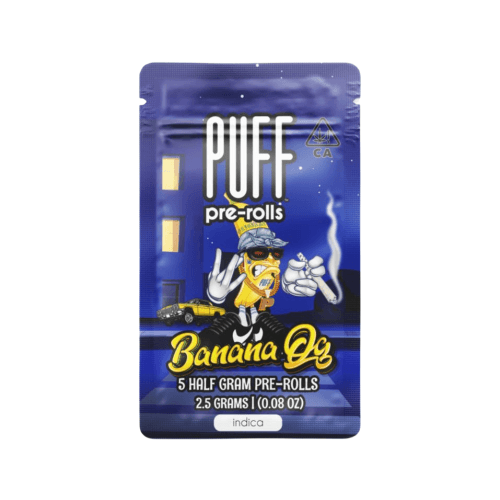
Indica-lineage cultivars — Northern Lights, Granddaddy Purple, Bubba Kush, and Lavender are cultivars commonly classified within indica lineage. Their cannabinoid and terpene profiles can vary considerably by breeder, grower, and harvest batch.

Hybrid cultivars — OG Kush is a widely known hybrid cultivar with a long breeding history in West Coast cannabis culture.

Sativa-lineage cultivars

Cultivars commonly classified within sativa lineage — examples include Green Crack, Sour Diesel, Jack Herer, Durban Poison, and Ghost Train Haze — are often reported to carry different terpene and cannabinoid profiles than indica-lineage cultivars, though as with all cannabis products, actual composition depends on the specific grower and batch rather than the lineage classification alone.

For more on how these classifications work (and their limitations), see indica vs. sativa vs. hybrid, explained and our piece on the indica/sativa myth.

Potency and product labeling

In regulated cannabis markets, product labels commonly include lab-verified potency and testing information. A product label or certificate of analysis (COA) typically includes:

  • Total THC and CBD percentage or milligrams
  • A breakdown of other cannabinoids present
  • Terpene content, when tested
  • Screening results for contaminants such as pesticides, heavy metals, and microbials

Reviewing this documentation is the most reliable way to understand what's actually in a product, independent of strain name or marketing. See our guide to reading a COA for a full walkthrough of what each field means.

Consumption formats

Cannabis products are sold in several formats, each with different pharmacokinetics:

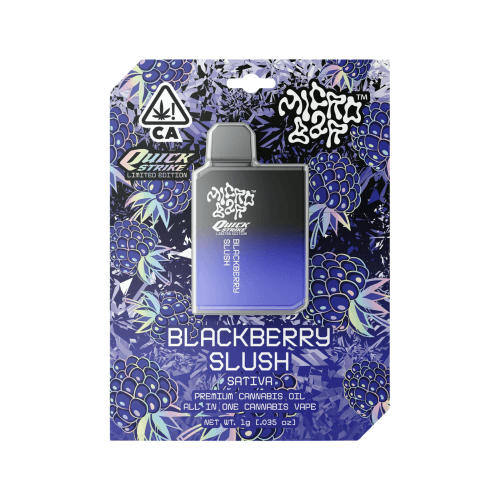
  • Flower and vape products are inhaled, and cannabinoids enter the bloodstream through the lungs.
  • Edibles are digested, and cannabinoids are metabolized by the liver before reaching the bloodstream, which converts some THC into a different, longer-acting metabolite.
  • Tinctures are typically held under the tongue for sublingual absorption, in addition to some digestive absorption if swallowed.

These differences in absorption route are why onset time and duration vary substantially between formats — a difference documented in pharmacology research rather than anecdote. See our flower guide, vape guide, and edibles guide for more on each format.

Individual variability

Response to any cannabis product varies significantly between individuals due to differences in metabolism, endocannabinoid system function, prior cannabis exposure, body composition, and even genetics. This is a well-documented phenomenon in cannabis pharmacology research and is one reason the same product can be experienced very differently by different people, or even by the same person on different days.

Safety information

Cannabis products carry general risks that consumers should be aware of:

  • Intoxication can impair coordination, reaction time, and judgment — never drive or operate machinery while impaired.
  • Effects, particularly from edibles, can take significant time to appear, and total effects can last for many hours.
  • Cannabis may interact with certain prescription medications.
  • People who are pregnant or breastfeeding, or who have certain underlying health conditions, should consult a physician before using cannabis products.
  • If you experience severe or concerning symptoms such as chest pain, fainting, or difficulty breathing after cannabis use, seek medical attention.

This is general safety information, not personalized medical guidance. A healthcare provider is the appropriate resource for questions about your individual situation.

Frequently asked questions

What's the difference between THC and CBD?

THC is the cannabinoid primarily responsible for cannabis's intoxicating effects. CBD is non-intoxicating and is present in varying concentrations alongside THC in most products.

What are terpenes?

Terpenes are aromatic compounds found throughout the plant kingdom, including in cannabis. They contribute to a product's smell and are an active area of ongoing research.

Are indica and sativa reliable categories?

The indica/sativa/hybrid classification is a lineage-based system, not a guaranteed predictor of a specific product's chemical composition. Lab testing is a more reliable source of information than the label alone.

What should I look for on a product label?

A current certificate of analysis (COA) showing cannabinoid content, terpene data (if tested), and screening for contaminants such as pesticides and heavy metals.

Why do edibles feel different from smoking or vaping?

Edibles are processed through the digestive system and liver before reaching the bloodstream, which changes both onset time and the specific metabolites produced, compared to inhaled products.

Can cannabis replace a prescribed medication?

This is a question for a licensed healthcare provider. Cannabis can interact with certain medications, and its effects can vary between individuals. Do not change or stop a prescribed medication based on general information from a cannabis article.

Jenna Renz

Jenna is a California-based creative copywriter who’s been lucky enough to have worked with a diverse range of clients before settling into the cannabis industry to explore her two greatest passions: writing and weed.

  • Social media icon

Related Blogs

How Long Do Edibles Take to Kick In? (The Honest, Science-Backed Answer)

How Long Do Edibles Take to Kick In? (The Honest, Science-Backed Answer)

If you have ever eaten a cannabis gummy, felt nothing after twenty minutes, and wondered whether you got a dud, you are far from alone. The single most common mistake new and even experienced edibles consumers make comes down to one simple misunderstanding: edibles do not work on the same timeline as smoking or vaping, and treating them like they do is how most uncomfortable experiences happen.

8 Min Sep 22, 2026Jenna Renz

What Are Solventless Rosin Pre-Rolls and Are They Worth the Price?

What Are Solventless Rosin Pre-Rolls and Are They Worth the Price?

Scan the pre-roll section of any California dispensary and you will notice a clear price tier at the top of the shelf. A three dollar classic joint sits next to a rosin coated pre-roll that can cost three or four times as much for a similar sized product. For plenty of consumers, that gap raises an obvious question. What is actually different about a solventless rosin pre-roll, and does it justify the extra cost?

8 Min Sep 22, 2026Jenna Renz