The Dosage Dilemma: Understanding THC in Edible Cannabis

Show Quick Read

Summary is AI-generated, newsroom-reviewed

Edible cannabis products contain THC in measured amounts that are typically expressed in milligrams (mg). Understanding those numbers can help consumers interpret product labels, serving sizes, and the differences between edible and inhaled cannabis.

Edibles also behave differently from smoking or vaping. Their intoxicating effects can be delayed, which can increase the risk of consuming more cannabis before the initial effects are felt.

This guide focuses on understanding THC labeling, edible timing, product differences, and basic safety considerations rather than providing an individualized THC dose.

What Are Edibles?

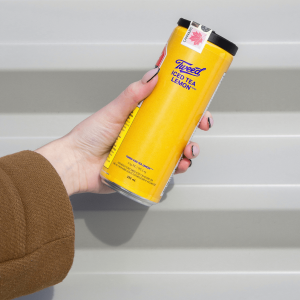
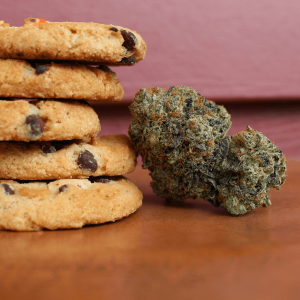
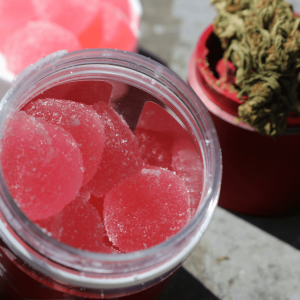
THC edibles are food or beverage products containing cannabis compounds. Common formats include gummies, chocolates, baked products, beverages, and capsules.

One important difference between edible and inhaled cannabis is the timing of the effects. Inhaled cannabis can produce effects relatively quickly, while edible cannabis can take longer to produce intoxicating effects. The CDC states that edible cannabis can take 30 minutes to 2 hours to produce intoxicating effects. This delay can contribute to accidental overconsumption.

Because of this delayed onset, the amount listed on a package should be understood as product information rather than a guarantee of how strongly an individual will respond.

Why THC Amounts Matter

The amount of THC in an edible is important because THC is the primary intoxicating cannabinoid in cannabis. However, the same labeled amount can produce different effects in different people.

Previous cannabis exposure, individual biology, product characteristics, route of administration, and use of alcohol or other substances can all affect the experience.

For that reason, a specific THC amount should not be presented as an appropriate dose for every consumer.

The Dosage Dilemma: Understanding THC in Edible Cannabis

Understanding Cannabinoids

THC and CBD are two of the best-known cannabinoids found in cannabis.

THC, or tetrahydrocannabinol, is the cannabinoid primarily responsible for the intoxicating effects associated with cannabis. CBD, or cannabidiol, does not typically produce the same intoxicating effect as THC.

Cannabis also contains other cannabinoids, including CBG and CBN. Research into these compounds is ongoing, and their presence in a product should not be treated as proof that the product will produce a particular medical or psychological benefit.

For an edible product, the most important practical distinction is to understand which cannabinoids are present and how much of each is listed on the product label.

The Science of Edible Absorption

When cannabis is consumed as an edible, cannabinoids pass through the digestive system before their effects are experienced. This differs from inhaled cannabis, where cannabinoids enter the bloodstream through the lungs.

Edible cannabis can take 30 minutes to 2 hours to produce intoxicating effects. The timing can vary between products and individuals, which is one reason edible effects can be difficult to predict.

Food and other individual factors may also influence how cannabis is absorbed. These differences are another reason that a labeled THC amount should not be treated as a precise prediction of how a person will feel.

The Dosage Dilemma: Understanding THC in Edible Cannabis

Understanding THC Serving Information

There is no single THC amount that can be presented as the correct starting dose for every person.

When reading an edible label, distinguish between the THC listed per serving, per piece, and per package. These numbers can be very different.

A lower labeled THC amount does not guarantee that a person will experience no impairment, and a higher amount does not affect everyone identically.

Homemade Edibles and THC Potency

Homemade cannabis edibles can be difficult to measure consistently. THC concentration can vary in the cannabis material used, and cannabinoids may not be distributed evenly throughout a finished food product.

Unlike regulated commercial products, homemade preparations may not have standardized laboratory testing or reliable serving information.

For that reason, homemade edibles should not be treated as equivalent to products with regulated THC labeling.

Commercial Edibles: Label Reading

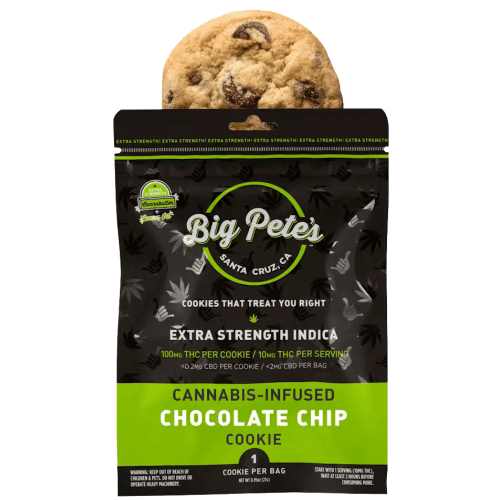
Cannabis product labels can contain several different THC measurements, so it is important to distinguish between them.

Look for:

  • THC per serving
  • THC per individual piece, where applicable
  • Total THC in the package
  • Number of servings
  • CBD and other cannabinoid amounts
  • Ingredient information
  • Required regulatory information
  • Batch or testing information where available

For example, a package may contain multiple servings even though the label lists a smaller THC amount per serving. Always read the serving-size information rather than assuming that the THC number represents the entire package.

The label provides information about the product's contents; it does not guarantee a particular level of intoxication or impairment.

Common Edible Safety Mistakes

One common problem with edible cannabis is assuming that previous experience with smoking or vaping automatically predicts how an edible will feel. The two routes of administration can produce different timing and effects.

Another problem is consuming additional THC because the initial effects have not appeared yet. Edible cannabis can take 30 minutes to 2 hours to produce intoxicating effects, so delayed onset can contribute to accidental overconsumption.

Reading the serving-size information on the package and understanding the difference between per-serving and total-package THC can also help prevent accidental consumption of more THC than intended.

Why Timing Matters

Edible cannabis does not necessarily produce immediate effects. The CDC reports that edible cannabis can take 30 minutes to 2 hours to produce intoxicating effects.

Because of this delay, consuming additional cannabis before the initial effects appear can result in unintended overconsumption.

The key safety point is to recognize that delayed onset is a characteristic of edible cannabis—not evidence that the product is ineffective.

The Dosage Dilemma: Understanding THC in Edible Cannabis

Individual Differences and Cannabis Effects

Cannabis does not affect every person in the same way. Age, previous cannabis exposure, individual biology, product characteristics, and use of other substances can influence the experience.

These differences should not be turned into a simple dosing formula based on sex, age, body size, or another single characteristic.

People taking medications or who have questions about cannabis and a medical condition should discuss those questions with a qualified healthcare professional.

Safety Precautions

Cannabis edibles should be stored securely and kept away from children and pets. Accidental ingestion can cause serious illness, particularly in children.

THC can impair attention, judgment, coordination, reaction time, and perception. Do not drive or operate machinery while impaired.

If someone experiences severe confusion, panic, hallucinations, severe nausea or vomiting, a very fast heart rate, trouble breathing, loss of consciousness, or another serious or worsening symptom after consuming cannabis, seek medical assistance.

In the United States, Poison Control can provide guidance about possible cannabis overconsumption at 1-800-222-1222. Call 911 for an emergency.

Environment and Cannabis Safety

The environment in which cannabis is consumed can matter when someone is experiencing intoxication. A familiar, safe environment can reduce exposure to hazards while a person is impaired.

If someone feels uncomfortable after consuming cannabis, reducing unnecessary stimulation and remaining somewhere safe may be preferable to driving, exercising, using machinery, or engaging in other activities that require full coordination and judgment.

These measures do not remove THC from the body or reverse intoxication; they are simply safety considerations while the effects wear off.

The Dosage Dilemma: Understanding THC in Edible Cannabis

Mixing Edibles With Alcohol or Other Substances

Combining cannabis with alcohol or other intoxicating substances can increase impairment and make the effects less predictable.

Alcohol and cannabis together can increase the likelihood of impairment, dizziness, nausea, and other unwanted effects.

The safest educational guidance is not to treat alcohol or another substance as a way to balance, counteract, or control the effects of THC.

Edibles and Mental Health

Cannabis can affect mood, perception, attention, and other aspects of mental functioning. Some people may experience anxiety, paranoia, confusion, or other unwanted psychological effects after consuming THC.

This article should not present cannabis or a particular THC amount as a treatment for anxiety, depression, sleep disorders, or other mental health conditions.

Anyone considering cannabis in relation to a mental health condition or medication should discuss the situation with a qualified healthcare professional rather than relying on a general edible dosing guide.

Legal Considerations

Cannabis laws differ by jurisdiction and can change over time. Rules may address possession, purchase, age requirements, product types, THC limits, public consumption, and other aspects of cannabis use.

Consumers should check the current laws and regulations that apply in their location and purchase cannabis only through legally authorized channels where applicable.

Legal status and product requirements are jurisdiction-specific, so information from one state or country should not be assumed to apply elsewhere.

The Dosage Dilemma: Understanding THC in Edible Cannabis

Conclusion

Understanding edible cannabis starts with understanding the product label, not with finding a universal THC number.

Edible effects can be delayed, individual responses vary, and THC can impair judgment, coordination, reaction time, and perception. Reading serving information carefully, avoiding combinations with other intoxicating substances, storing products securely, and avoiding driving while impaired are important parts of cannabis safety.

For questions involving medications, medical conditions, or individual dosing decisions, a qualified healthcare professional is the appropriate source for personalized guidance.

FAQ

Jenna Renz

Jenna is a California-based creative copywriter who’s been lucky enough to have worked with a diverse range of clients before settling into the cannabis industry to explore her two greatest passions: writing and weed.

  • Social media icon

Related Blogs

High-Dose vs Microdose Edibles: Which Is Right for You?

High-Dose vs Microdose Edibles: Which Is Right for You?

Walk through the edibles section and the milligram counts can be all over the map. One gummy is 2.5 mg, the next is 10 mg, and some packages are built for people with a lot more experience than most. For a beginner, that spread raises a fair question: is a tiny dose worth taking, and who actually needs a high-dose edible?

8 Min Oct 06, 2026Jenna Renz

Single Pre-Roll vs Pre-Roll Pack: When to Buy Each

Single Pre-Roll vs Pre-Roll Pack: When to Buy Each

Open the pre-roll section and you'll notice the same strain sold two ways: one joint on its own, or a pack with several. The pack looks like the better deal, and sometimes it is. But sometimes the single is the smarter buy, and a pack can quietly turn into a drawer full of joints that dry out before you finish them.

8 Min Oct 06, 2026Jenna Renz