Phytol Terpene
Recommended Products


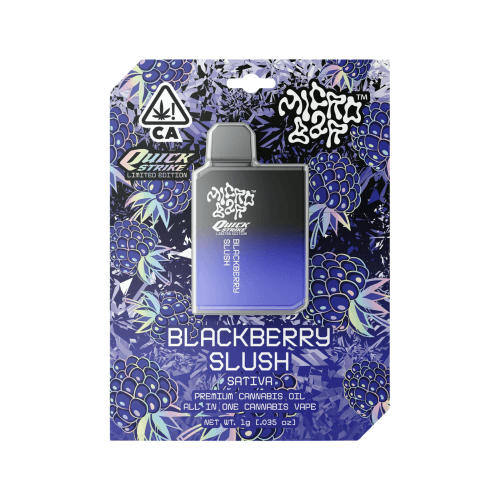
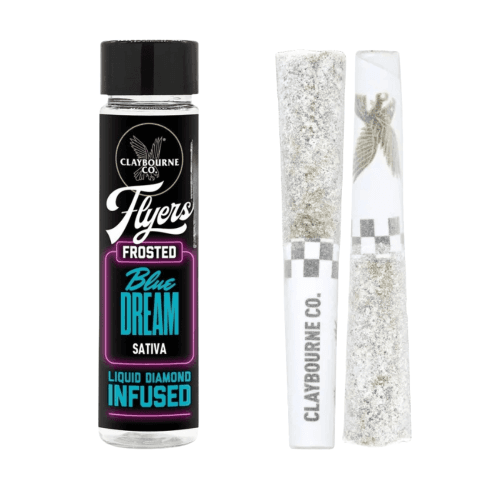
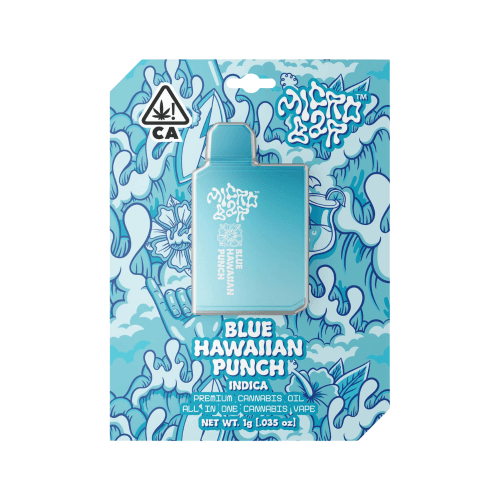
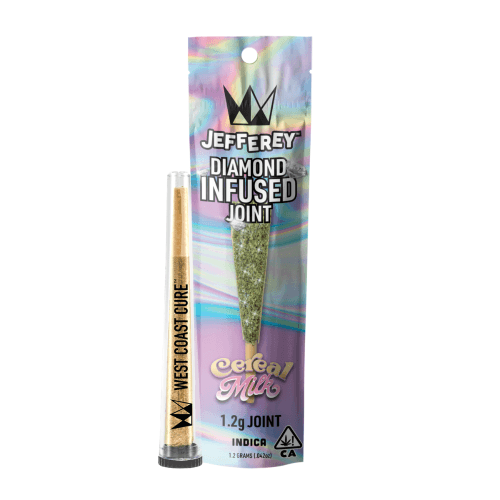


Here's something most people never think about: every green plant on Earth, including cannabis, is absolutely packed with chlorophyll, the pigment responsible for photosynthesis and that classic green color. What almost nobody knows is that when chlorophyll breaks down, it releases a terpene as a byproduct — and that terpene, phytol, might be quietly influencing your cannabis experience in ways scientists are only just starting to understand.
Phytol is a diterpene alcohol with a fresh, mild floral-balsamic aroma, sometimes compared to a faint green, grassy sweetness. Found in cannabis and green tea as a byproduct of chlorophyll breakdown, it's studied for its possible calming, anti-anxiety, and anti-inflammatory properties.
This one's a bit different from most terpenes on this list. It's not really a compound cannabis is "famous" for, and you probably won't see it advertised on a lab report the way you'd see limonene or myrcene percentages. But phytol has one of the more scientifically interesting backstories of any compound we've covered, precisely because of where it comes from and what early research suggests it might do.
What Makes Phytol Different From Other Terpenes?
Most of the terpenes we've talked about so far — things like limonene, pinene, or myrcene — are monoterpenes or sesquiterpenes, built from two or three isoprene units respectively. Phytol is a diterpene, meaning it's built from four isoprene units, making it a noticeably larger, heavier molecule than almost anything else on this list.
But the bigger story is how phytol forms in the first place. It's a breakdown product of chlorophyll, specifically released when the chlorophyll molecule degrades. This is a fundamentally different origin story compared to terpenes that are actively synthesized by the plant's trichomes for defense or attraction purposes. Phytol is more like a leftover fragment, a chemical footprint of the plant's own photosynthetic machinery breaking down over time. That's part of why it's technically classified as a diterpene alcohol rather than being grouped with the more "classic" aromatic terpenes people usually talk about.
Found Wherever Chlorophyll Is Found
Because phytol comes from chlorophyll breakdown, it's found in essentially any green plant material, not just cannabis. It's present in green tea leaves, algae, and various green vegetables, and it's actually used commercially as a precursor in the synthesis of vitamin E and vitamin K1, two genuinely important nutrients. This industrial role gives phytol one of the more unusual resumes of any terpene we've covered — it's less "signature strain aroma" and more "quiet chemistry workhorse."
Phytol's Role in Cannabis
Cannabis, being a leafy, chlorophyll-rich plant, naturally contains phytol as chlorophyll degrades during growth, curing, and storage. Because of this, the amount of phytol present in a given batch of flower can actually shift depending on how the plant was cured and how long it's been stored, unlike terpenes that are more directly tied to the plant's genetics and trichome production.
What Does It Smell Like?
Phytol brings a mild, fresh, slightly floral-balsamic aroma to the table — think a faint green, grassy sweetness rather than anything bold or attention-grabbing. It's much subtler than most terpenes discussed so far. Where something like valencene hits you immediately with sweet orange, or guaiol brings a distinctive woody-rose combination, phytol tends to sit quietly in the background, contributing a faint green freshness rather than announcing itself.
It's also worth comparing to farnesene, another less flashy terpene that leans green and slightly floral — both compounds tend to round out a strain's aroma rather than define it outright.
What Might Phytol Actually Do?
This is genuinely where phytol gets interesting. Several animal studies have investigated phytol's potential anxiolytic (anti-anxiety) and sedative properties, with researchers exploring how it might interact with the central nervous system to produce calming effects. Some of this research has looked at phytol's possible interaction with GABA receptors, the same neurotransmitter system targeted by many conventional anti-anxiety medications, which is a notable and fairly specific mechanism compared to the more general "may promote relaxation" language often used for other terpenes.
Phytol has also been studied for possible anti-inflammatory and antioxidant properties, along with some early research into potential immune-modulating effects. There's even preliminary interest in phytol's antimicrobial activity against certain bacteria. It's worth being clear, though: almost all of this research comes from animal studies or lab settings, not human clinical trials specific to cannabis, so these findings should be treated as promising early leads rather than established facts. If you want to understand how a subtle, background terpene like phytol fits into a strain's overall chemistry, this guide to cannabis terpenes offers helpful context, and our entourage effect explainer digs into how compounds like this work together with cannabinoids.
The Chemistry, Simplified
For the technically curious: phytol's molecular formula is C20H40O, giving it a substantial molecular weight of about 296.5 g/mol — significantly heavier than the sesquiterpenes we've covered like valencene or bisabolol, and roughly double the weight of common monoterpenes like limonene or pinene. This makes phytol one of the largest terpene-family compounds found in cannabis.
That extra size and weight is exactly why phytol doesn't evaporate and hit your nose the way lighter terpenes do — it's much less volatile, which is part of why you won't smell it directly the way you'd smell limonene or pinene. Its influence is more chemical than aromatic, working quietly in the background rather than contributing to the "first sniff" experience of a strain.
How Phytol Actually Forms (It's Different From Extraction)
Unlike most terpenes, which are actively produced by the cannabis plant's trichomes and can be extracted directly at peak concentration, phytol largely accumulates as a natural byproduct of chlorophyll degradation during the plant's growth cycle, drying, and curing process. This means the curing process itself — how long flower sits, at what humidity, for how long — likely plays a real role in how much phytol ends up present in the final product, more so than with terpenes that are simply present at harvest and preserved through careful handling.
This is a genuinely unique story among cannabis terpenes. Most producers aren't trying to maximize phytol content the way they might chase high limonene or myrcene levels — it's more of a natural byproduct that comes along for the ride as part of the broader chemical life of the plant.
Phytol and the Entourage Effect
The entourage effect describes how cannabis compounds are thought to work better together than any single compound would on its own, and phytol's potential GABA-related calming properties make it a particularly interesting piece of that puzzle. If phytol really does interact with the nervous system in the way some animal research suggests, it could be quietly contributing to the relaxing reputation of certain strains alongside more famous calming terpenes.
Phytol vs. Other Subtle, Green-Leaning Terpenes
- Phytol — mild, green, floral-balsamic, chlorophyll-derived
- Farnesene — green, slightly floral, woody
- Fenchol — fresh, herbal, basil-like
- Bisabolol — floral, chamomile-like, calming
If you're drawn to phytol's calming research angle, it's worth reading about bisabolol too — another terpene associated with relaxation, though it works through a different aromatic and chemical profile entirely.
Phytol Outside the Cannabis World
Phytol's biggest claim to fame outside of cannabis is actually industrial: it's a key precursor used in the commercial synthesis of vitamin E and vitamin K1. That's a genuinely significant role in the supplement and pharmaceutical manufacturing world, giving phytol far more commercial importance than its subtle aroma would suggest.
It's also present in green tea, and some researchers have wondered whether phytol might contribute in a small way to some of green tea's reported calming, relaxing qualities, alongside better-known compounds like L-theanine. Phytol shows up in algae and various green vegetables too, essentially anywhere chlorophyll is present and breaking down.
Where to Find Phytol at Hyperwolf
Phytol isn't a terpene brands typically highlight on packaging or lab reports the way they might promote limonene or myrcene content, since it's more of a background byproduct than a headline aromatic compound. That said, it's naturally present across most cannabis flower to some degree, particularly in well-cured products where chlorophyll has had time to break down properly.
If you're curious about full-spectrum products generally, where phytol and other minor compounds are preserved alongside more prominent terpenes, you can check out weed delivery near you and get something delivered fast. New to ordering online? This guide to buying weed online in California walks through exactly what to expect.
Safety and a Few Practical Notes
- Phytol is generally recognized as safe in the naturally occurring amounts found in cannabis, tea, and green vegetables.
- Most research on phytol's calming properties comes from animal studies, so effects in humans haven't been firmly established.
- If you're pregnant, nursing, managing a health condition, or taking medication, check with a healthcare provider before trying new cannabis products.
- As with any compound with limited human research, moderation and self-awareness matter more than usual here.
Let's Clear Up a Myth
A common misconception is that every compound found in cannabis was actively produced by the plant for a specific aromatic or defensive purpose. Phytol is a great counterexample — it's essentially a chemical leftover from chlorophyll breaking down, not something the plant is "trying" to produce. Another myth worth addressing: people sometimes assume a terpene needs a strong, noticeable smell to matter. Phytol's near-undetectable aroma hasn't stopped researchers from taking a serious interest in its potential nervous-system effects.
The Takeaway
Phytol might be the most unusual entry on this list — not because of a bold aroma or a wild history, but because of where it comes from and what it might quietly be doing behind the scenes. As a chlorophyll breakdown product with genuine research interest around calming, GABA-related effects, it's a good reminder that some of the most interesting cannabis chemistry isn't happening in the parts you can smell at all.
Want to understand how compounds like phytol fit into the bigger picture of your cannabis experience? Check out our terpenes 101 guide for the full rundown, then browse Hyperwolf's shop to explore full-spectrum products where minor compounds like this one are naturally preserved.
Frequently Asked Questions
What does phytol smell like?
Phytol has a mild, fresh, floral-balsamic aroma with a faint green, grassy sweetness. It's much subtler than most cannabis terpenes and doesn't strongly contribute to a strain's overall smell.
Where does phytol come from?
Phytol forms as a natural byproduct when chlorophyll breaks down, which is why it's found in nearly any green plant, including cannabis, green tea, and various vegetables, rather than being actively produced for scent or defense.
What effects does phytol have?
Animal studies suggest it may have calming, anti-anxiety, and anti-inflammatory properties, with some research pointing to a possible interaction with GABA receptors. Most of this research hasn't been confirmed in human clinical trials specific to cannabis.
Is phytol found outside of cannabis?
Yes, it's present in green tea, algae, and green vegetables, and it's commercially important as a precursor in the synthesis of vitamin E and vitamin K1.
Does phytol get you high?
No, phytol is a terpene, not a cannabinoid, so it doesn't produce intoxicating effects on its own. Its potential nervous-system interactions are still being studied, but they aren't linked to psychoactive effects.
Why don't I see phytol listed on cannabis lab reports as often as other terpenes?
Because phytol is a chlorophyll breakdown byproduct rather than an actively produced aromatic compound, it's often not prioritized in standard terpene testing panels the way limonene or myrcene are.
How fast can I get cannabis products delivered in California?
Hyperwolf typically delivers in as little as 60 minutes across our Southern California service area, with free delivery on orders over $40.
Is Hyperwolf a licensed cannabis delivery service?
Yes, Hyperwolf operates as a fully licensed California cannabis delivery service under C.A. License #C12-0000103, with every product quality-checked before it reaches your door.