Bisabolol Terpene
Recommended Products
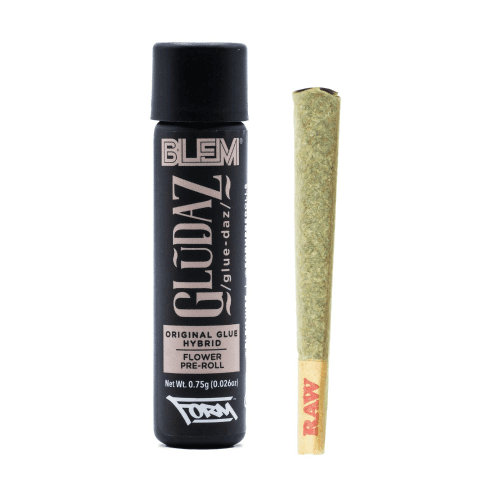
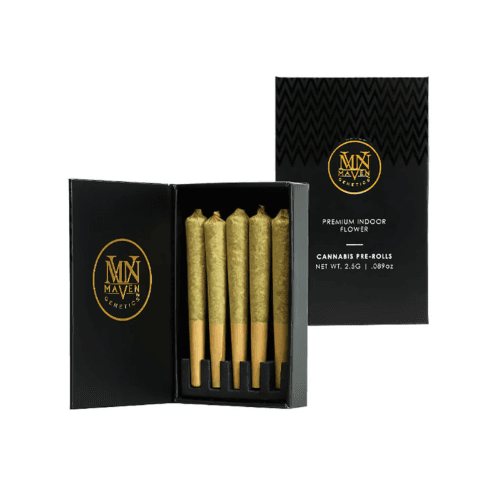
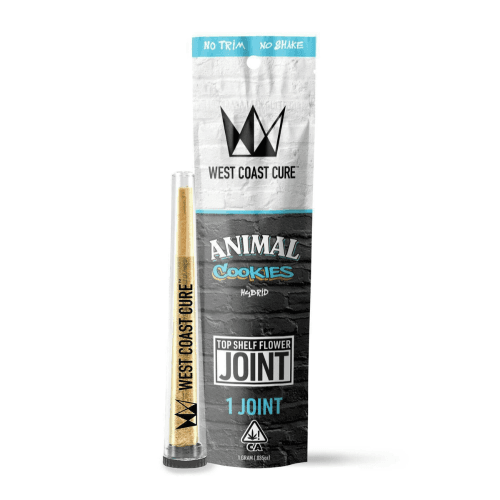
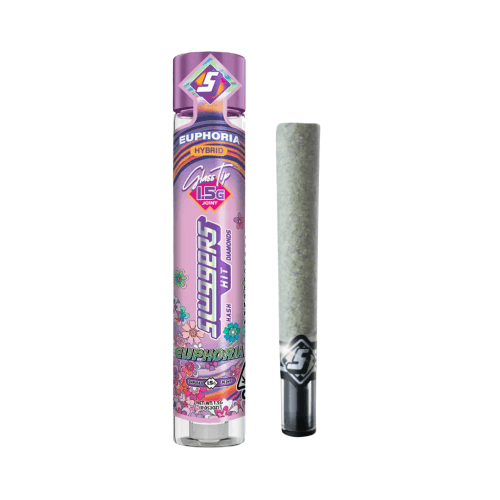
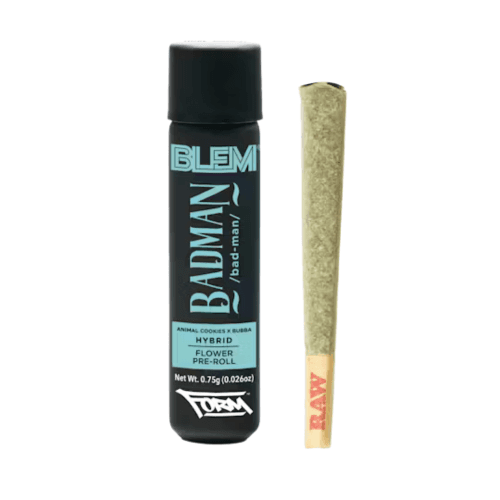
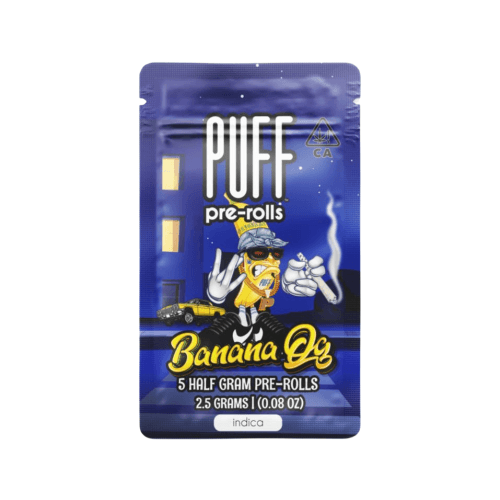
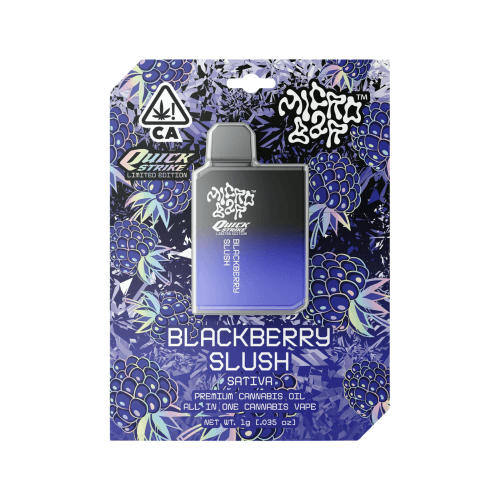
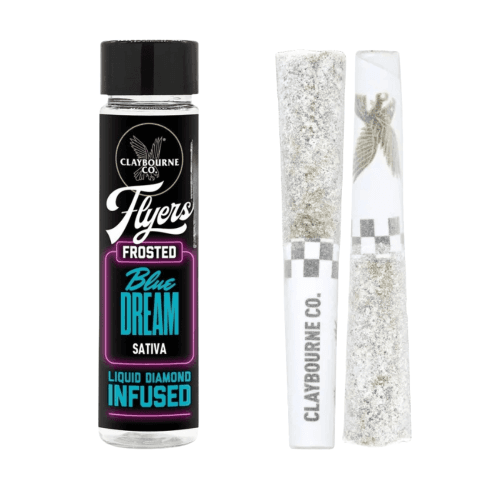
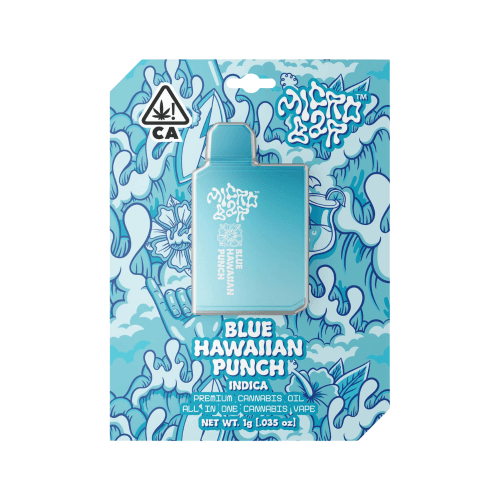
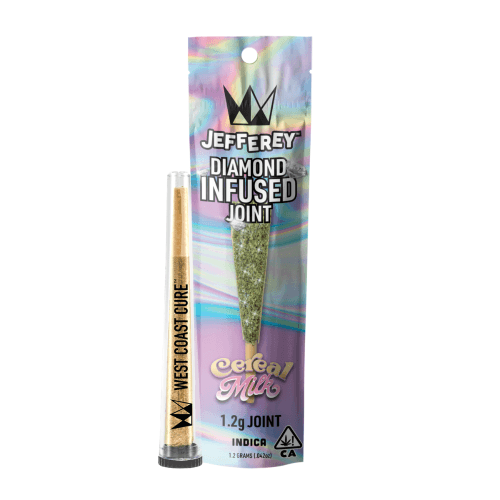
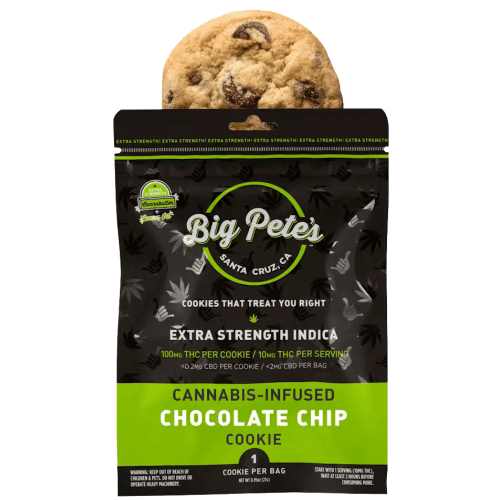

Ever brewed a cup of chamomile tea just to feel your whole body go "ahhh"? That soft, sweet, slightly floral smell you just pictured? That's bisabolol — and yeah, it's hiding in some of your favorite cannabis strains too.
Bisabolol is a sesquiterpene alcohol with a soft, floral, chamomile-like aroma. Found naturally in German chamomile and select cannabis strains, it's best known for its calming, skin-soothing qualities and gentle, non-overpowering scent profile.
It's not the terpene that's going to smack you in the face with citrus or skunk. It's the one that quietly makes everything feel a little softer. Stick around and we'll break down exactly what it is, why it's kind of a big deal in skincare, what the science actually says, and what it might bring to your next relaxed evening in.
So, What Actually Is Bisabolol?
Okay, plain English time. Bisabolol is a naturally occurring compound with a light, sweet, floral smell — think chamomile with a touch of vanilla underneath. Scientists call it a sesquiterpene alcohol, which just means it's a slightly bigger terpene molecule with an alcohol group tacked on. That extra size and structure is basically why it smells soft instead of sharp, kind of like how a heavier blanket feels different than a thin sheet even though they're both just "fabric."
Here's the fun part: bisabolol isn't a cannabis-only thing, not even close. Its real claim to fame is German chamomile, where it's been extracted for use in skincare products for decades. If you've ever used a "gentle" or "sensitive skin" lotion, there's a solid chance bisabolol was quietly doing its job in there. It also shows up in small amounts in a handful of other plants, though chamomile is really where it shines.
A Quick Trip Through History
Bisabolol was chilling in skincare and herbal medicine way before anyone was talking about cannabis terpenes. Chamomile — its main natural source — has been brewed, steeped, and rubbed on skin for centuries across European and Middle Eastern traditions, all in the name of calming down, soothing irritated skin, and sleeping better.
Ancient Egyptians reportedly used chamomile for its calming properties, and it's been a staple in traditional European herbal medicine for generations, often brewed into teas meant to settle nerves and quiet an upset stomach. That reputation stuck around. Even now, if you check the ingredient label on a "calming" face cream, a "sensitive skin" serum, or even some baby products, bisabolol is a pretty common guest star. It's one of those rare ingredients that's been trusted by grandmothers and cosmetic chemists alike.
Bisabolol Inside Your Cannabis
Cannabis plants only make a small amount of bisabolol compared to bigger, louder terpenes like myrcene or limonene, but even a little goes a long way — both in scent and in vibe. Like other terpenes, cannabis plants likely produce bisabolol partly as a natural defense mechanism, helping ward off pests and environmental stress while the plant grows.
What's the Smell Like?
Picture chamomile tea with the faintest whisper of vanilla floating underneath it. That's bisabolol. It's a totally different energy from the sharp citrus punch you get from limonene or the deep, musky weight you get from myrcene. Where those two show up loud and announce themselves, bisabolol tends to whisper into the room.
Compared to something minty and refreshing like borneol, bisabolol skips the "wake me up" energy entirely and goes straight for "let me exhale." If pinene smells like walking through a pine forest, bisabolol smells like sitting in a warm bath with the lights dimmed.
What Does It Actually Do?
Bisabolol is generally linked to a calming, soothing feeling. People who gravitate toward bisabolol-heavy strains often describe the experience as gentler on the body and mind — less buzzy, more "melt into the couch." That's part of why it's a favorite for strains built around winding down rather than winding up. If you want to go deeper on how terpenes shape your experience beyond just smell, this breakdown of cannabis terpenes is a solid next read for understanding the bigger picture.
It's also thought to bring mild anti-inflammatory and skin-calming properties to the table, which is a big reason it shows up so often in topicals. Some early research even points toward mild antioxidant activity, meaning it might help fight off the kind of cellular stress that ages skin over time. Worth remembering though — research on bisabolol specifically in cannabis is still catching up, so think "may help" rather than guaranteed results.
The Science Bit, Kept Simple
If you're the type who likes the actual numbers: bisabolol's molecular formula is C15H26O, with a molecular weight around 222.37 g/mol. As a sesquiterpene, it's built from three little building blocks called isoprene units, which makes it a bit heavier than smaller monoterpenes like limonene or pinene. That extra weight is likely why it smells soft instead of sharp — bigger molecules tend to evaporate slower and land gentler on your nose, kind of like the difference between a quick spray of perfume and a slow-releasing candle.
What Might Bisabolol Actually Help With?
Here's what bisabolol tends to get associated with, based on both traditional use and early research:
- A calm, relaxed headspace
- Mild anti-inflammatory activity
- Gentle, non-irritating support for skin
- Possible mild antioxidant properties
- A soft, non-drowsy sense of ease (as opposed to full sedation)
Quick disclaimer: this research is still developing, especially the cannabis-specific side of it, so treat this list as background info rather than a promise. None of this replaces advice from an actual healthcare provider.
How Bisabolol Gets From Plant to Product
Ever wonder how a terpene actually ends up in your vape cart or tincture? For bisabolol, extraction usually happens through steam distillation or CO2 extraction — both gentle methods designed to pull the terpene out without breaking down its delicate structure. Steam distillation uses heat and water vapor to slowly separate the terpene from the plant material, while CO2 extraction uses pressurized carbon dioxide to do a cleaner, more precise job.
Because bisabolol is such a soft, easily-disrupted compound, producers tend to be extra careful during extraction — a heavy-handed process can wipe out that delicate chamomile aroma entirely. That's part of why full-spectrum products that highlight bisabolol on the label are usually a sign of a brand paying close attention to quality.
Bisabolol's Role in the Entourage Effect
Terpenes almost never work alone — they team up with cannabinoids like THC and CBD to shape your overall experience. This teamwork has a name: the entourage effect, and bisabolol plays a quiet but real supporting role in it. Think of it like a backup singer — you might not notice it directly, but the song sounds different without it.
Some researchers believe bisabolol may help "smooth out" the overall experience when paired with THC, potentially softening some of the sharper edges that come with higher-THC products. That's still an area of ongoing study, but it lines up with bisabolol's reputation as cannabis's resident chill pill.
How It Stacks Up Against Other Terpenes
- Bisabolol — floral, chamomile-like, calming
- Myrcene — earthy, heavy, sedating
- Limonene — citrusy, bright, energizing
- Caryophyllene — peppery, spicy, associated with a grounded feeling
- Terpinolene — herbal, slightly sweet, often linked to a more uplifting vibe
If you're curious about that spicy one, caryophyllene is another terpene worth knowing since it shows up a lot alongside bisabolol in relaxation-focused strains, and the two can complement each other nicely.
Where to Actually Find Bisabolol
Bisabolol shows up most often in topicals, tinctures, and full-spectrum products built specifically for relaxation and skincare. If your idea of a good night involves "spa day" energy more than "let's go out," this is a trait worth keeping an eye on when you're browsing. You'll also occasionally spot it in smaller amounts in flower and infused pre-rolls, usually as a supporting player rather than the headliner.
Ready to see what's available? You can shop weed delivery near you and get bisabolol-rich picks dropped straight at your door — usually a lot faster than you'd expect. And if you're new to ordering online altogether, this guide to buying weed online in California walks through exactly how the process works, start to finish.
Bisabolol Beyond the Cannabis World
Since bisabolol's biggest claim to fame is chamomile, it's worth knowing it shows up way outside the cannabis aisle too. It's a common ingredient in sunscreens, sensitive-skin lotions, shaving creams, and even some baby care products, all thanks to its gentle, calming reputation. Aromatherapists also use chamomile essential oil (rich in bisabolol) in diffusers and massage oils for relaxation.
This crossover is honestly part of what makes bisabolol so trustworthy — it's not some obscure lab compound nobody's heard of. It's been quietly working in your skincare routine possibly for years without you even knowing its name.
Safety and a Few Things Worth Knowing
- Start small, especially with a new bisabolol-heavy product — see how your body reacts first.
- If it's a topical, patch-test a small area of skin before going all in.
- Pregnant, nursing, or on medication? Check with a healthcare provider before trying something new.
- Bisabolol is generally considered low-risk in the amounts naturally found in plants and cannabis products, but "natural" doesn't always mean "unlimited" — moderation still matters.
Quick Myth to Bust
A lot of people assume bisabolol is a cannabis-only thing. Nope — it's way more famous for chamomile and skincare, and cannabis is just one more place it happens to show up. Its "quiet" reputation doesn't mean it's weak either, it just means it works in a softer, subtler way instead of hitting you over the head. Some people also assume mild-smelling terpenes are less "important" than bold ones, but bisabolol's subtlety is exactly the point for anyone chasing a calmer, gentler cannabis experience.
Wrapping It Up
Bisabolol might not be the terpene stealing the spotlight, but it's doing quiet, meaningful work behind the scenes — softening aromas, supporting relaxation, and lending a hand to skin health along the way. If you're the type who wants your cannabis experience to feel more like a deep breath than a jolt of energy, this is a trait worth watching for on the label.
Curious what else terpenes can do for your overall experience? Check out our full terpenes 101 guide for the bigger picture, then browse Hyperwolf's shop to find your next bisabolol-rich pick.
Frequently Asked Questions
What does bisabolol smell like?
Bisabolol smells light, sweet, and floral — basically like chamomile tea with a faint hint of vanilla. It's subtle rather than sharp, which is exactly why it's so popular in calming products.
Is bisabolol good for your skin?
Yes, bisabolol has a long track record in skincare thanks to its gentle, soothing reputation. That's exactly why it shows up so often in cannabis topicals, lotions, and even sensitive-skin products outside of cannabis entirely.
What effects does bisabolol have?
It's generally linked to calming, relaxing effects, which is why you'll find it in strains meant for winding down rather than energizing. Some people also notice a mild skin-soothing benefit alongside that, especially in topical form.
Does bisabolol come from cannabis originally?
Nope, its main natural source is actually German chamomile. It's also widely used in cosmetics, aromatherapy, sunscreen, and skincare products that have nothing to do with cannabis at all.
Will bisabolol get me high?
No, bisabolol itself doesn't cause a high — it's a terpene, not a cannabinoid. It may shape how you feel when it's paired with THC or CBD through the entourage effect, but on its own it won't get you intoxicated.
How is bisabolol extracted for use in products?
Bisabolol is typically extracted using gentle methods like steam distillation or CO2 extraction, both designed to preserve its delicate floral aroma. Rougher extraction methods can damage the compound, which is part of why quality sourcing matters.
How fast can I get bisabolol products delivered in California?
Hyperwolf typically gets orders to your door in as little as 60 minutes across our Southern California service area, with free delivery on orders over $40.
Is Hyperwolf a legit, licensed service?
Yes, Hyperwolf operates as a fully licensed California cannabis delivery service under C.A. License #C12-0000103. Every product goes through quality checks before it reaches your door.