Cannabis for Inflammation: Strains and Terpenes That Help

Show Quick Read

Summary is AI-generated, newsroom-reviewed

Cannabis products can vary considerably in chemical composition, and that composition — rather than the strain name alone — can influence how a product is experienced. This guide looks at cannabinoids, terpenes, cultivar characteristics, potency labeling, consumption formats, and the ways these factors can vary between products.

A note before you start: This article is for general education only. It is not medical advice and does not recommend cannabis as a treatment for any condition. Cannabis products can affect people differently depending on the product, individual physiology, and other factors. If you have questions about cannabis and your personal health or medications, speak with a qualified healthcare professional. Never drive or operate machinery while impaired, and always follow applicable laws and age restrictions.

Cannabis contains a range of cannabinoids and aromatic compounds that researchers continue to study. Rather than presenting particular products or strains as solutions for inflammation or other health conditions, this guide focuses on the chemistry behind cannabis products and the information commonly found on product labels.

Inflammation 101 (Why you feel puffy, achy, and tired)

Inflammation is your immune system’s alarm system. When tissue gets injured or your body detects something “off,” immune cells release chemical messengers to coordinate defense and repair.

Two broad buckets matter here:

  • Acute inflammation: short-term, localized, useful. Think: sprained ankle swelling.
  • Chronic inflammation: long-term, systemic, exhausting. Think: persistent joint pain, gut issues, metabolic dysfunction, lingering muscle soreness, brain fog.

A lot of chronic inflammation involves overactive immune signaling, especially pro-inflammatory cytokines like TNF-alpha, IL-1β, IL-6, and others. These are not villains in normal doses. The issue is when they become loud, constant, and unhelpful.

The endocannabinoid system (ECS): your built-in inflammation thermostat

The endocannabinoid system is a body-wide regulatory network involved in immune balance, pain signaling, stress response, appetite, and sleep. It includes:

  • Endocannabinoids your body makes (notably anandamide and 2-AG)
  • Receptors those endocannabinoids bind to, mainly CB1 and CB2
  • Enzymes that build and break them down (like FAAH and MAGL)

Here’s the simple, practical version:

  • CB1 receptors are abundant in the brain and nervous system. They’re tied to perception, mood, and the classic THC “high.”
  • CB2 receptors are common on immune cells and peripheral tissues. They’re heavily involved in immune modulation and inflammatory signaling.

This is why inflammation and cannabis keep ending up in the same conversation. The ECS is a control panel, and cannabinoids can act like extra hands on the knobs.

Cannabis for Inflammation: Strains and Terpenes That Help

Cannabinoids and inflammatory research

Cannabinoids have been studied in connection with immune signaling and inflammatory pathways. Research in this area includes laboratory, animal, and human studies, but findings can differ depending on the cannabinoid, study design, and biological context. This research does not establish that cannabis products treat inflammation or any particular medical condition.

1) CB2 signaling and immune research

CB2 receptors are found in immune cells and peripheral tissues and are involved in signaling related to immune activity. Researchers have investigated how cannabinoid activity at CB2 may influence inflammatory signaling pathways. Much of this research remains under investigation, and laboratory findings do not necessarily predict how a cannabis product will affect an individual.

2) THC and CBD

  • THC (tetrahydrocannabinol) is the cannabinoid primarily associated with the intoxicating effects of cannabis. It interacts with both CB1 and CB2 receptors and has been studied in a range of biological contexts.
  • CBD (cannabidiol) is a non-intoxicating cannabinoid that interacts with several biological signaling systems. Researchers continue to investigate its effects on cannabinoid receptors, enzymes, and other molecular targets.

The effects and significance of these interactions can vary depending on the experimental setting and the specific product.

3) CBD and endocannabinoid research

CBD has been studied for its potential interactions with the endocannabinoid system and other biological pathways. Researchers have proposed several mechanisms through which CBD may influence signaling, but the available evidence varies across different types of studies. These mechanisms should not be interpreted as evidence that CBD products treat inflammation or other medical conditions.

4) Terpenes and inflammation research

Terpenes are aromatic compounds found in cannabis and many other plants. Several cannabis-associated terpenes have been investigated in preclinical research involving inflammatory and other biological pathways. Research into how terpenes interact with cannabinoids and other compounds is ongoing, and findings from isolated laboratory studies cannot be directly translated into treatment recommendations.

Understanding cannabis labels and strain names

Strain names can provide information about a cultivar's identity or lineage, but they do not guarantee a particular chemical composition. Products carrying the same strain name can vary between producers, growers, locations, and harvest batches.

When reviewing a regulated cannabis product, commonly listed information may include:

  • Cannabinoid profile: THC, CBD, and other cannabinoids when tested
  • Terpene profile: individual terpenes detected during testing
  • Potency information: cannabinoid concentrations or amounts listed on the product
  • Certificate of analysis (COA): laboratory testing information where available

This information can provide additional context about the tested composition of a specific product rather than relying on the strain name alone.

The 6 anti-inflammatory terpenes worth hunting down

The following six terpenes are commonly found in cannabis and have been the subject of scientific research. Their presence, concentration, aroma, and characteristics can vary considerably between cultivars and individual batches.

1) Beta-caryophyllene (BCP)

Why it matters: Beta-caryophyllene is a terpene found in cannabis and several other plants. It has been studied because of its interaction with the CB2 receptor and its distinctive chemical properties.

What to look for:

  • Peppery, spicy aroma, also found in black pepper and cloves
  • Beta-caryophyllene is an area of ongoing cannabinoid and terpene research. Its presence in a cannabis product does not by itself indicate a particular effect or medical benefit.

2) Myrcene

Why it matters: Myrcene is a terpene found in cannabis and plants such as hops and thyme. It is one of the terpenes commonly detected in cannabis cultivars and has been studied in several preclinical research settings.

What to look for:

  • Earthy, musky, herbal aroma
  • The amount of myrcene can vary considerably between cultivars, producers, and batches.

3) Limonene

Why it matters: Limonene is an aromatic terpene found in cannabis and citrus plants. It has been investigated in preclinical research involving several biological pathways.

What to look for:

  • Citrus or citrus-peel aroma

Limonene concentrations can vary between cannabis cultivars and individual product batches.

4) Pinene (alpha-pinene)

Why it matters: Pinene is a naturally occurring terpene found in cannabis, pine, rosemary, and other plants. It has been studied in preclinical research involving inflammatory and other biological pathways.

What to look for:

  • Pine, herbal, or rosemary-like aroma

The presence of pinene does not guarantee a particular subjective or physiological effect.

5) Linalool

Why it matters: Linalool is an aromatic terpene found in cannabis, lavender, and other plants. It has been investigated in preclinical research involving several biological pathways.

What to look for:

  • Floral or lavender-like aroma
  • Research into linalool and cannabis is ongoing, and the amount present can vary considerably between products.

6) Nerolidol

Why it matters: Nerolidol is an aromatic terpene found in cannabis and several other plants. It has been investigated in preclinical studies involving different biological pathways.

What to look for:

  • Woody, fresh, or subtle floral aroma
  • Nerolidol concentrations can vary between cultivars and batches, and research into its role in cannabis products remains ongoing.

Cannabis for Inflammation: Strains and Terpenes That Help

Cannabinoid profiles in cannabis products

Cannabis products can contain different relative amounts of THC, CBD, and other cannabinoids. Products are sometimes described according to their dominant cannabinoid profile.

CBD-dominant products

These products contain a higher proportion of CBD relative to THC. The actual cannabinoid concentrations can vary considerably between products and batches.

Balanced THC products

These products contain THC and CBD in relatively similar proportions, although the exact ratio can vary. A product labeled as balanced should be evaluated using its current laboratory or label information.

THC-dominant products

These products contain a higher proportion of THC relative to CBD. Because THC is intoxicating, products with higher THC concentrations can have stronger intoxicating effects.

The cannabinoid profile is only one part of a product's overall chemical composition. Terpene content, potency, format, and batch can also vary.

Product formats and delivery methods

Cannabis products are available in several formats. The route of administration can affect how cannabinoids are absorbed and how quickly effects are noticed.

Flower and vape

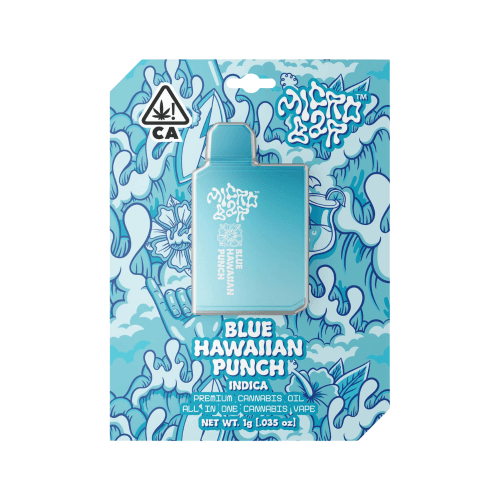
These products deliver cannabinoids through inhalation. The chemical composition and potency can vary between products.

Tinctures and oils

These are liquid cannabis preparations. Their cannabinoid concentrations and other ingredients vary by product.

Edibles

Edibles are processed through the digestive system and liver. This produces a different absorption pathway from inhaled cannabis products.

Topicals

Topical cannabis products are formulated for application to the skin. Their ingredients and cannabinoid concentrations vary by formulation.

Different formats have different absorption pathways, and individual products can vary substantially in composition and potency.

Safety, side effects, and general considerations

Cannabis products can have intoxicating and other effects, and individual responses can vary.

General considerations

  • Impairment: THC can affect coordination, reaction time, attention, and judgment.
  • Individual response: Some people may experience unwanted effects such as anxiety, dizziness, dry mouth, or an increased heart rate.
  • Drug interactions: Cannabinoids can interact with certain medications. Anyone taking prescription medications should discuss potential interactions with a qualified healthcare professional.
  • Dependence: Frequent cannabis use can be associated with tolerance and dependence in some individuals.
  • Driving: Do not drive or operate machinery while impaired.

Product labels and laboratory testing can provide information about cannabinoid and terpene content, but they cannot predict exactly how an individual will respond to a product.

Final take: understand the chemistry, not just the strain name

Cannabis products can differ considerably in their cannabinoid and terpene profiles, even when they share the same strain or cultivar name. Understanding THC, CBD, terpenes, potency information, product formats, and laboratory testing can provide useful context when reading cannabis product information.

Research into cannabinoids, terpenes, the endocannabinoid system, and inflammatory pathways is ongoing. Findings from laboratory and preclinical research do not necessarily establish how a cannabis product will affect an individual or whether it is appropriate for a particular health condition.

For product composition, refer to current label information and available laboratory testing, and for questions involving personal health, medications, or medical conditions, consult a qualified healthcare professional.

Product availability, potency, cannabinoid content, and terpene content vary by batch, producer, and location. A product's current label and available certificate of analysis provide information about its tested composition.

FAQ

Jenna Renz

Jenna is a California-based creative copywriter who’s been lucky enough to have worked with a diverse range of clients before settling into the cannabis industry to explore her two greatest passions: writing and weed.

  • Social media icon

Related Blogs

High-Dose vs Microdose Edibles: Which Is Right for You?

High-Dose vs Microdose Edibles: Which Is Right for You?

Walk through the edibles section and the milligram counts can be all over the map. One gummy is 2.5 mg, the next is 10 mg, and some packages are built for people with a lot more experience than most. For a beginner, that spread raises a fair question: is a tiny dose worth taking, and who actually needs a high-dose edible?

8 Min Oct 06, 2026Jenna Renz

Single Pre-Roll vs Pre-Roll Pack: When to Buy Each

Single Pre-Roll vs Pre-Roll Pack: When to Buy Each

Open the pre-roll section and you'll notice the same strain sold two ways: one joint on its own, or a pack with several. The pack looks like the better deal, and sometimes it is. But sometimes the single is the smarter buy, and a pack can quietly turn into a drawer full of joints that dry out before you finish them.

8 Min Oct 06, 2026Jenna Renz