Premium vs Budget Cannabis Flower: What Actually Changes?

Show Quick Read

Summary is AI-generated, newsroom-reviewed

Browse the flower menu at any California dispensary and the price range can be startling. One eighth might cost less than a lunch special, while the jar next to it costs three or four times as much. Both are legal, lab-tested cannabis flower. Both come with a THC percentage and a strain name. So what are you actually paying for?

The honest answer is more nuanced than "premium is better" or "it's all the same plant." Price tiers reflect real differences in how flower is grown, handled, and cured, but they also reflect branding, scale, and market habits that don't always translate to a better experience. This guide breaks down what genuinely changes between premium and budget flower, what stays the same, and how to get the most value at either end of the shelf.


Why Flower Prices Vary So Much

Before comparing the two tiers, it helps to understand what drives the price tag in the first place. Four factors do most of the work.

Cost of Production

Growing cannabis in a climate-controlled indoor facility costs far more than growing it outdoors under the sun. Lighting, HVAC, labor, and facility overhead are built into the price of every gram. Small-batch craft cultivators also tend to have higher per-gram costs because they can't spread expenses across thousands of pounds of harvest the way large producers can.

Labor and Handling

Hand-trimming, slow drying, and extended curing all add time and labor. Flower that moves quickly from harvest to package is cheaper to produce than flower that's tended for weeks.

THC Potency

Potency is the most visible number on the package, and it heavily influences pricing. A large analysis of dispensary data across the U.S. found that higher THC content was associated with higher prices, a pattern that consumers have come to treat as a shorthand for quality.

Brand and Market Positioning

Some price gaps come from reputation, packaging, and demand rather than anything inside the jar. A well-known craft brand with a loyal following can command a premium even when a lesser-known grower's flower is comparable.


Premium vs Budget Cannabis Flower: What Actually Changes?


Premium vs Budget Flower: What Actually Changes

Here's where real differences tend to show up.

Genetics and Cultivation Style

Premium flower often comes from carefully selected, sometimes proprietary genetics grown in small batches with close attention to each plant. Budget flower is more likely to come from established, high-yield strains grown at scale. High-yield doesn't mean bad, but it does mean the grower is optimizing for volume. You can explore how different growing methods are labeled on our cultivation style pages.

Trim Quality

Hand-trimmed buds usually look tighter and cleaner, since a person removes excess leaf by hand and preserves the delicate trichomes. Machine-trimmed flower is faster and cheaper but can result in rougher-looking buds with more bruising. Trim affects appearance more than potency, but it also affects how evenly the flower burns and how much leaf ends up in your grinder.

Curing and Drying

This is one of the biggest invisible differences. A slow, controlled dry and cure preserves terpenes and produces a smoother smoke. Rushed drying can leave flower tasting harsh or grassy, even when its THC number looks great. If two jars have similar potency but one tastes noticeably better, curing is often the reason.

Terpene Content

Terpenes shape aroma, flavor, and, according to many researchers, part of how a strain feels. Premium flower tends to have more complex, louder terpene profiles because of better genetics, gentler handling, and fresher packaging. Budget flower can still be aromatic, but it's more likely to have a flatter or more generic smell. Browse by terpene if flavor is a priority.

Freshness and Packaging

Flower loses terpenes and moisture over time. Premium products are often packaged in smaller quantities with tighter quality control around harvest and package dates, while budget flower may sit longer on shelves or move through larger distribution channels.

Bud Structure and "Bag Appeal"

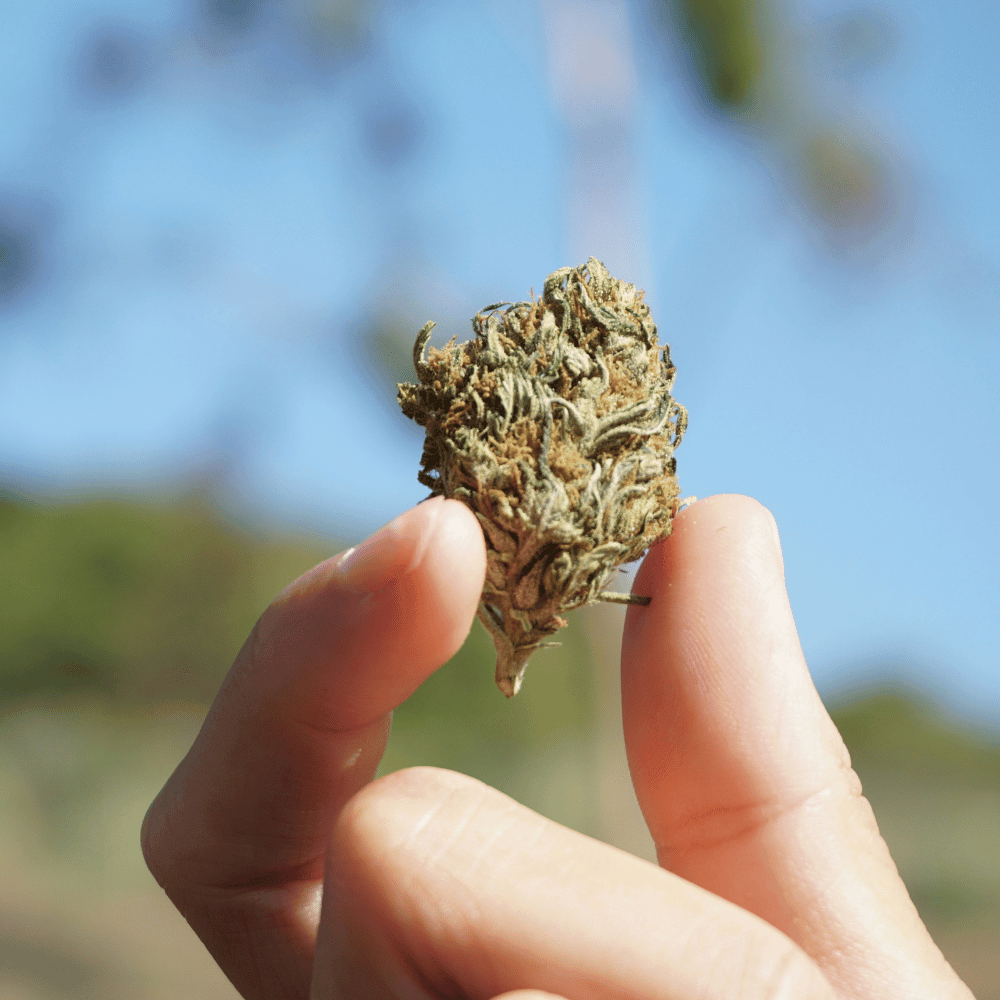
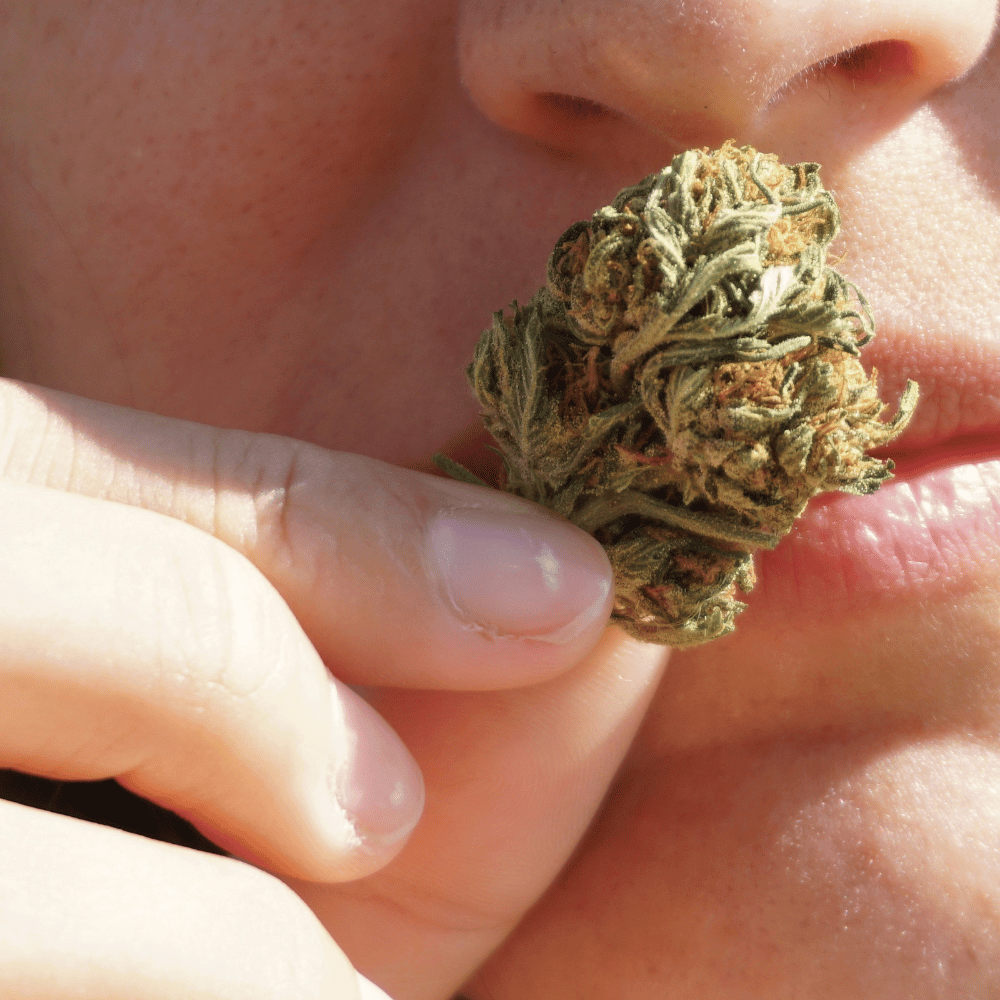
Dense, frosty, vibrant buds photograph well and get premium pricing. But bag appeal is partly cosmetic. Smaller buds, sometimes sold as "smalls," can come from the same plants and cure just as carefully, just without the showpiece look.


Premium vs Budget Flower: The Short Version

Budget flower typically comes from widely grown, high-yield genetics produced in larger harvests, which keeps the per-gram cost low. It's more likely to be machine-trimmed and dried and cured on a faster, more standardized schedule, and its terpene profile can be simpler or more generic.

Premium flower, by contrast, tends to start with more selective or proprietary genetics grown in smaller batches, which raises the cost of every gram. It's more often hand-trimmed and cured slowly, and the payoff is usually a more complex, aromatic terpene profile and dense, visually polished buds. The one thing the two tiers share is lab testing: both are required by California law to pass the same state testing before they reach a dispensary shelf.


What Doesn't Change: Safety Testing

One of the most important points often gets lost in the premium-versus-budget conversation: price doesn't determine whether flower is safe. Every batch sold at a licensed California dispensary must pass state-required testing for potency, pesticides, heavy metals, and microbial contaminants before reaching the shelf. A budget eighth from a licensed retailer has cleared the same compliance hurdles as a premium one.

That makes licensed, lab-tested flower of any price a very different proposition from untested products sold through unregulated channels. Our lab testing standards page explains what every product goes through.


Is Higher THC Worth Paying For?

It's tempting to assume that a pricier jar with a bigger THC number will hit harder, but the relationship isn't that tidy. A peer-reviewed study published in PLOS ONE examined flower purchased from dispensaries in Colorado and found that measured THC often came in lower than labeled potency, and noted that potency has an outsized influence on pricing. That research covered one state and a limited sample, so it shouldn't be read as a verdict on any specific product, but it supports a broader point: THC percentage is only one piece of the picture.

Terpenes, cannabinoid variety, freshness, and your own tolerance all shape how a strain feels. Two flowers at 22% THC can feel completely different, and a flower at 19% with a rich terpene profile can be more enjoyable than a 30% option with little aroma. For a deeper breakdown of how to read potency and terpene data, see our Complete Cannabis Flower Guide.


When Budget Flower Is the Smart Choice

Budget flower isn't a compromise in every situation. It often makes the most sense when:

  • You're rolling your own joints or blunts. Subtle flavor differences matter less once flower is ground and rolled with other material.
  • You're making infusions at home. If you're cooking or infusing, premium terpenes will largely be lost in the process.
  • You're new and still learning your preferences. Trying several affordable strains helps you figure out which terpenes and effects you like before investing in top-shelf options.
  • You smoke frequently. Daily consumers can save significantly without giving up lab-tested quality.
  • You want smalls or shake. These are often cut from the same plants as larger buds but sold at a lower price.

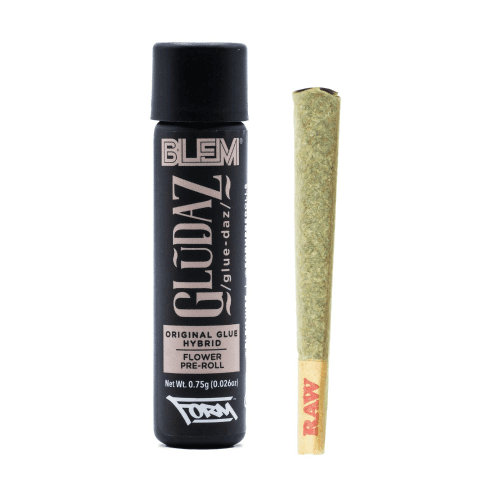
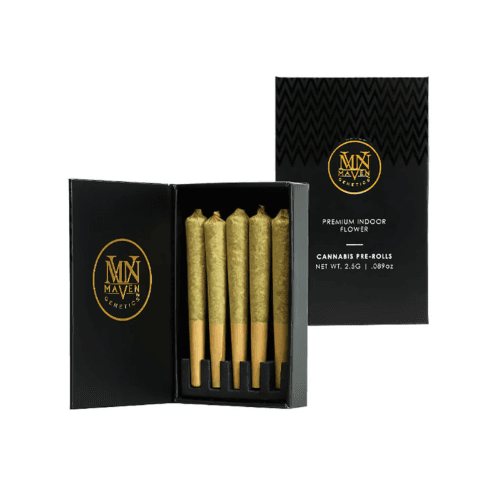
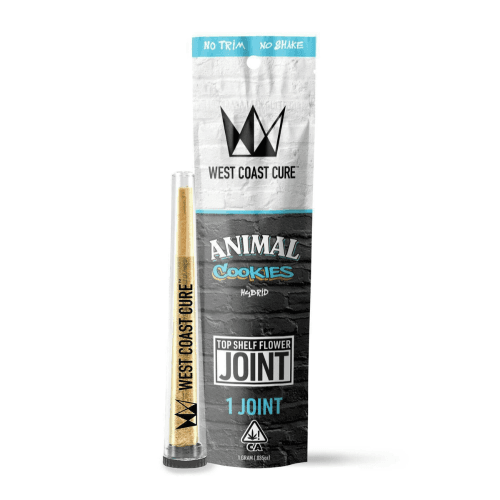
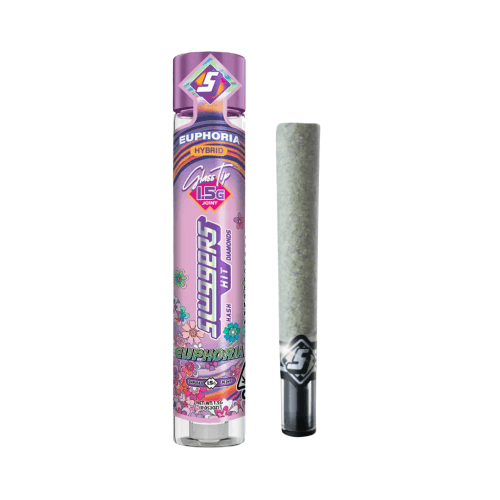
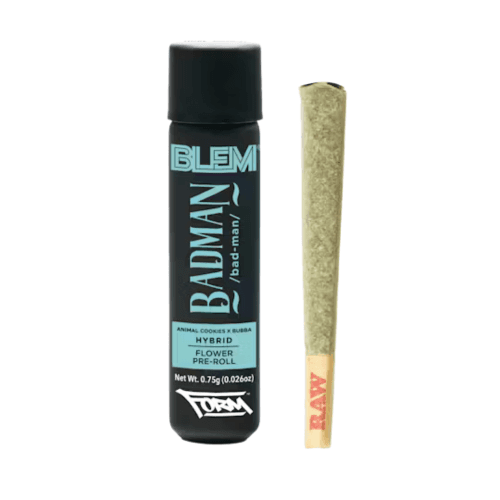
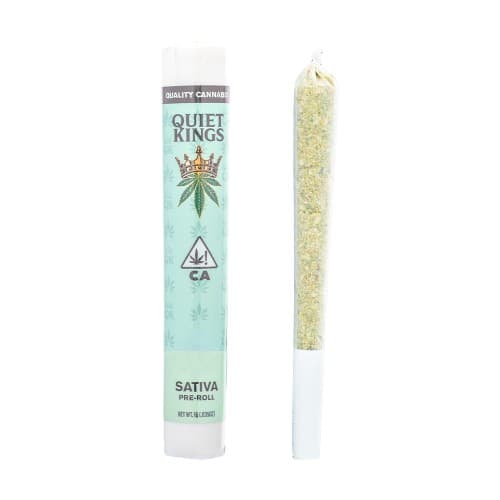
Pre-rolls follow a similar logic. A classic pre-roll can be a perfectly good everyday option, while a more elaborate infused version costs more because of what's been added. Our guide on rosin pre-rolls and whether they're worth the price walks through the same value question in a different format.


Premium vs Budget Cannabis Flower: What Actually Changes?


When Premium Flower Is Worth It

Premium flower earns its price when the experience itself is the point:

  • Flavor and aroma matter to you. If you enjoy tasting the strain, top-shelf curing and terpene retention make a noticeable difference.
  • You consume occasionally. If a single eighth lasts weeks, the extra cost per session is small.
  • You're gifting or sharing. Presentation and quality both factor in.
  • You've found a cultivator you trust. Consistency from batch to batch is part of what you pay for.
  • You want a specific, hard-to-find genetic. Limited-run strains rarely show up in budget tiers.


How to Get the Best Value at Any Price

You don't have to choose strictly between tiers. A few habits help you shop smarter wherever you land:

  1. Compare price per gram, not just price per package. Larger sizes generally cost less per gram.
  2. Check the harvest or package date. Fresher flower retains more aroma and flavor.
  3. Look at the terpene profile. A detailed breakdown is a strong sign of a quality-focused cultivator.
  4. Try the middle of the shelf. Mid-priced flower often delivers most of the quality of top-shelf at a fraction of the cost.
  5. Track brands you like. Once you find a cultivator whose flower consistently suits you, you can shop with confidence at whatever tier they sell. Start by exploring our brand page, where cultivators such as Fleetwood Flower Company and Pacific Stone each have their own listings.
  6. Watch for deals. Many products are discounted regularly, which can bring premium options closer to budget pricing.


Common Myths About Premium and Budget Flower

"Expensive Flower Always Gets You Higher"

Not necessarily. Tolerance, terpene profile, and consumption method often matter more than potency or price alone.

"Budget Flower Is Lower Quality or Unsafe"

Budget flower sold at a licensed dispensary has passed the same state-mandated testing as pricier products. It may differ in cosmetics, curing, or terpene complexity, but it isn't automatically unsafe.

"Strain Names Guarantee the Same Quality"

The same strain name from two cultivators can taste and feel very different. Genetics, growing conditions, and curing all shape the final product, so checking batch details matters more than the name. To learn what a strain is known for, our strain page is a good starting point.


Bringing It All Together

Premium and budget flower aren't opposite ends of a good-versus-bad scale. They're different trade-offs between cost, craft, and consistency. Premium flower tends to reward you with richer terpenes, more careful handling, and a more polished look. Budget flower gives you reliable, lab-tested cannabis at a price that makes everyday use sustainable. The best choice depends on how you consume, what you value, and how much the finer details matter to you.

If you want to keep exploring, check out our guides to pre-rolls and cannabis concentrates, especially if you're curious about infused flower and other ways to step up potency and flavor.

Ready to compare for yourself? Browse our full flower collection and filter by price, potency, and terpene profile to find the right fit for your budget and your preferences.

FAQ

Jenna Renz

Jenna is a California-based creative copywriter who’s been lucky enough to have worked with a diverse range of clients before settling into the cannabis industry to explore her two greatest passions: writing and weed.

  • Social media icon

Related Blogs

High-Dose vs Microdose Edibles: Which Is Right for You?

High-Dose vs Microdose Edibles: Which Is Right for You?

Walk through the edibles section and the milligram counts can be all over the map. One gummy is 2.5 mg, the next is 10 mg, and some packages are built for people with a lot more experience than most. For a beginner, that spread raises a fair question: is a tiny dose worth taking, and who actually needs a high-dose edible?

8 Min Oct 06, 2026Jenna Renz

Single Pre-Roll vs Pre-Roll Pack: When to Buy Each

Single Pre-Roll vs Pre-Roll Pack: When to Buy Each

Open the pre-roll section and you'll notice the same strain sold two ways: one joint on its own, or a pack with several. The pack looks like the better deal, and sometimes it is. But sometimes the single is the smarter buy, and a pack can quietly turn into a drawer full of joints that dry out before you finish them.

8 Min Oct 06, 2026Jenna Renz