What Is THC-v?
THC-v products near you
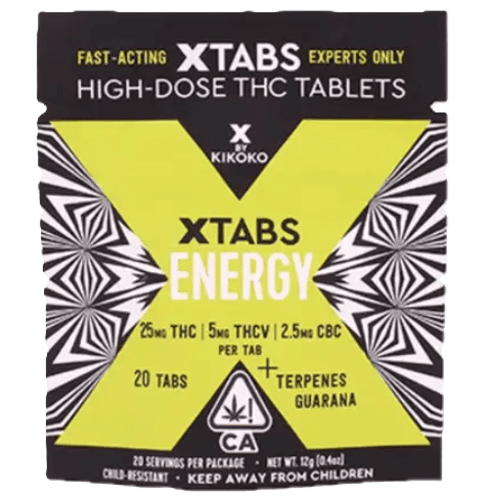
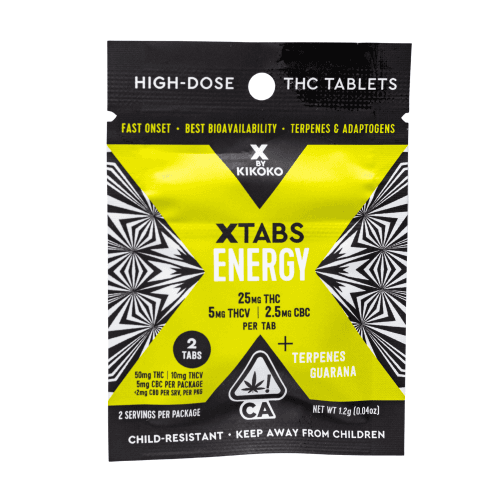
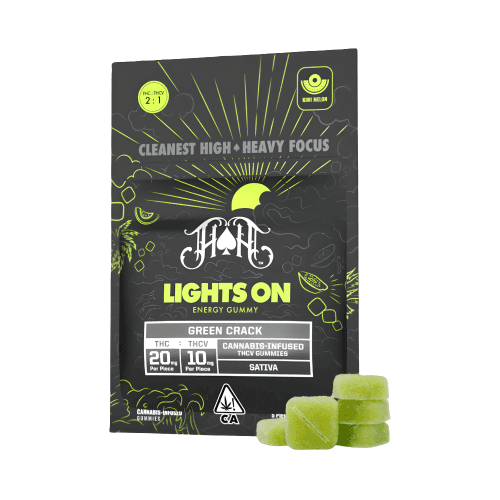
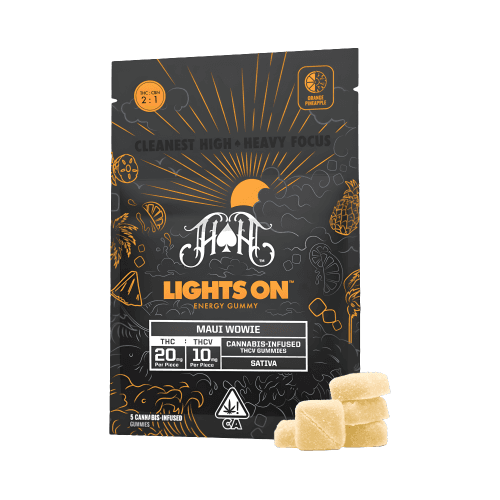
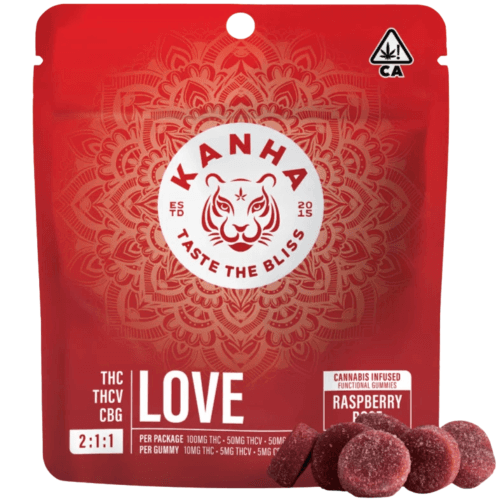
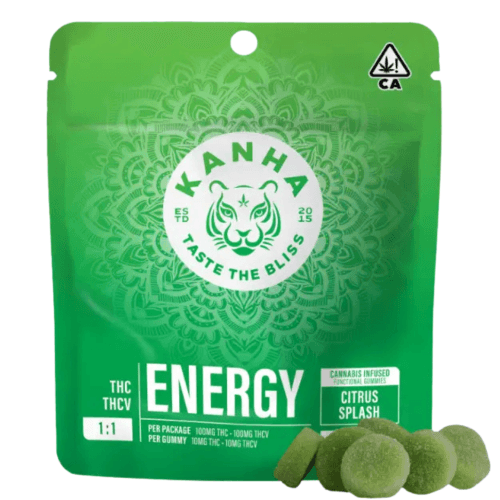
THC-v is a minor cannabinoid that shares a close relationship with tetrahydrocannabinol (THC) but differs in its molecular structure by having a longer alkyl chain replaced by a propyl side chain. This subtle chemical difference profoundly changes how THC-v interacts with the body’s endocannabinoid system, particularly the CB1 and CB2 receptors.
THC-v is a synthetic cannabinoid analogue derivative that can act both as an agonist and antagonist at cannabinoid receptors, which influences its psychoactive effects and therapeutic metabolic effects typical in preclinical and clinical studies.
How Does THC-v Work?
THC-v modulates the endocannabinoid system by interacting with cannabinoid receptors differently than Delta-9 THC. While THC binds strongly to CB1 receptors in the central nervous system to produce intoxicating physiological effects, THC-v acts as a partial agonist or even a blocker of these receptors, potentially reducing the psychoactivity and side effects such as psychotic and paranoia effects.
At CB2 receptors found in the peripheral nervous systems and immune cells, THC-v may exert anti-inflammatory and neuroprotective actions, influencing conditions like multiple sclerosis and Alzheimer's disease.
Scientific Research and Therapeutic Potential
Recent randomized double blind placebo controlled trials and parallel group pilot studies have investigated THC-v’s influence on metabolism and appetite regulation. Key findings include:
- THC-v significantly decreased food intake and demonstrated appetite suppression in both healthy male human volunteers and animal models such as diet induced obese mice and genetically obese mice.
- The compound showed hypoglycemic and hypolipidemic effects, improving glycemic and lipid parameters by enhancing insulin sensitivity and promoting fatty acid breakdown.
- Studies, including those by De Petrocellis et al and Thomas et al, suggest THC-v ameliorates insulin sensitivity and enhances leptin sensitivity, contributing to improved metabolic control regulations.
- A notable crossover pilot trial reported THC-v’s ability to regulate plasma glucose concentration during an oral glucose tolerance test, indicating potential benefits for controlling blood glucose levels and diabetes management.
These findings point to THC-v’s potent anti obesity properties and its capacity to provide therapeutic metabolic effects without the intense psychoactivity of THC.
THC-v Compared to THC
The main distinctions between THC-v and Delta-9 THC include:
- Psychoactive effects: THC-v produces a milder, clearer-headed experience, largely because it can block or modulate CB1 receptors, reducing the THC induced cognitive impairments and psychiatric adverse effects like anxiety or paranoia.
- Appetite modulation: Unlike THC’s acute appetite enhancing effects, THC-v induces hypophagic effects, leading to reduced food intake and potential body weight reduction.
- Duration and potency: THC-v often has a longer duration of action in the body and may offer a more balanced effect in various orally administered dose ranges.
Potential Benefits of THC-v
Research highlights several potential therapeutic benefits of THC-v, including:
- Appetite suppression and weight management: THC-v’s ability to decrease hunger and modify lipid and glucose metabolism could make it a valuable tool for obese patients and those with induced obesity effects.
- Metabolic regulation: By improving insulin sensitivity and promoting a rapid insulin response, THC-v supports better blood glucose levels control, which may assist in managing type 2 diabetes.
- Anti-inflammatory and neuroprotective effects: Interaction with transient receptor potential channels and CB2 receptors may reduce inflammatory pain and provide neuroprotection relevant to diseases like multiple sclerosis and Alzheimer's disease.
- Improved sleep and mood: Though still under research, THC-v’s modulation of the endocannabinoid system could contribute to improved sleep quality and reduced anxiety.
Consumption Methods for THC-v
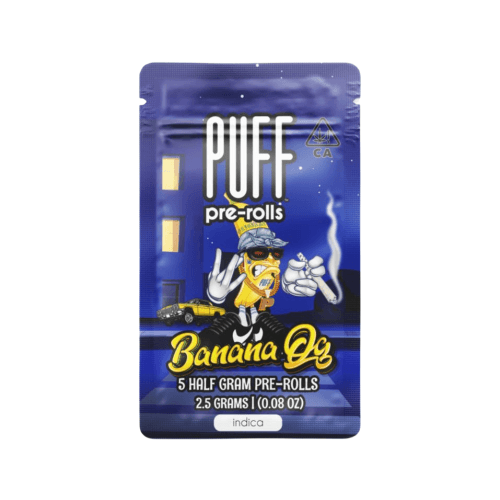
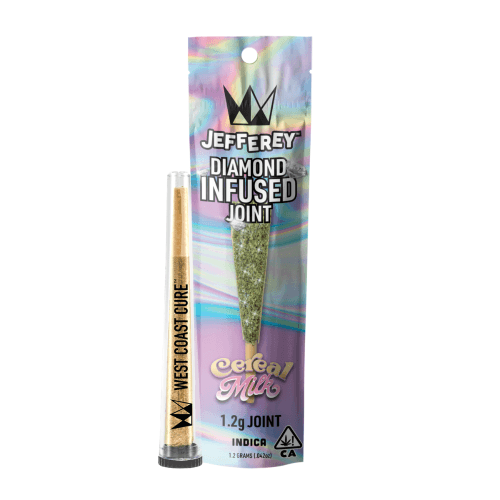
THC-v is available in a variety of cannabis products, including:
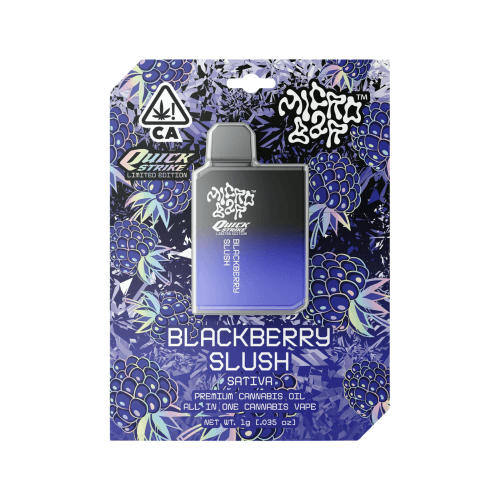
- Vape cartridges and vape foams for rapid onset through inhalation.
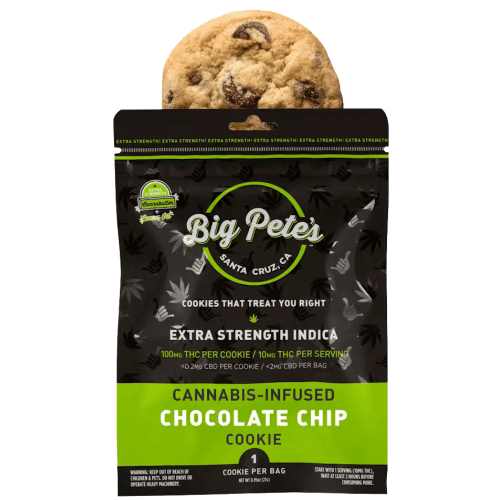
- Edibles that offer prolonged effects but slower onset (30 minutes to 2 hours).
- Tinctures and oils for controlled, precise dosing and flexible administration routes.
Safety, Side Effects, and Dosage
Common possible side effects associated with THC-v include:
- Dry mouth, often called cottonmouth
- Mild dizziness and redness
- Occasional anxiety or fatigue, typically dose-dependent
Users with individual predispositions should start with a low dose and proceed carefully. While THC-v is generally well tolerated, there is limited information on its long term effects, and ongoing scientific research aims to clarify its safety profile.
Legal Status of THC-v
As a hemp-derived cannabinoid, THC-v often falls under the legal framework established by the 2018 Farm Bill, which permits hemp and its derivatives with less than 0.3% Delta-9 THC. However, its legal status may vary by jurisdiction due to its potency and emerging classification. Always verify local laws before purchasing or consuming THC-v products.
Conclusion
THC-v is a promising new cannabinoid from the cannabis sativa plant with unique properties that differentiate it from traditional THC. Its ability to influence glycemic and lipid parameters, suppress appetite, and provide milder psychoactive effects makes it a compelling option for both recreational users and medical patients.
Ongoing clinical studies and randomized controlled trials continue to reveal the therapeutic potential of THC-v, especially in the realms of metabolic health, inflammatory pain, and neurological disorders. As research advances, THC-v is poised to become an important part of the medical cannabis landscape.