Cannabis and Menstrual Pain: What Research Says About Cannabinoids and Period Symptoms

Show Quick Read

Summary is AI-generated, newsroom-reviewed

Menstrual pain is commonly discussed in relation to cannabinoids, particularly THC and CBD. Research has examined the endocannabinoid system, pain perception, inflammation, and other processes that may be relevant to menstrual symptoms. However, research specifically examining cannabis for menstrual pain is still developing.

This guide looks at what researchers have studied about cannabis, cannabinoids, menstrual pain, product formats, and the limitations of the available evidence. It does not recommend cannabis as a treatment or provide instructions for choosing, dosing, or using cannabis for menstrual symptoms.

A quick note before you start: This article is for general education only and is not medical advice. Severe, sudden, worsening, or unusual menstrual pain can have many possible causes and may require medical evaluation. If you have concerns about your symptoms, medications, or reproductive health, speak with a qualified healthcare professional.

Cannabis, the Endocannabinoid System, and Menstrual Pain

Menstrual pain, also called dysmenorrhea, is associated with processes involving uterine contractions and prostaglandins. Researchers have also studied the endocannabinoid system (ECS) because it is involved in several physiological processes, including pain signaling and reproductive functions.

Here is what researchers are examining:

  • The endocannabinoid system (ECS) is involved in a range of biological processes, including pain signaling and reproductive physiology.
  • Research has examined relationships between endocannabinoid activity and dysmenorrhea, including possible connections with uterine activity and inflammatory signaling.
  • Cannabinoids such as THC and CBD interact with the body's cannabinoid system in different ways, but research has not established a general cannabis treatment for menstrual pain.

There is also emerging research on cannabinoid-based products designed for menstrual symptoms. A 2024 study published in npj Women's Health examined a commercially available high-CBD vaginal suppository in a survey-based, quasi-experimental study. The researchers reported improvements in several self-reported menstrual-related outcomes, but they also noted the need for randomized clinical trials and additional research.

The important distinction is that research into cannabinoids and menstrual symptoms is ongoing. Individual studies should not be treated as proof that a particular cannabis product, strain, dose, or format will relieve menstrual pain.


Format recommendations (and when each one shines)

1) 1:1 CBD:THC tinctures (best overall for cramps + staying human)

If you want pain relief without getting launched into outer space, tinctures are your best friend.

Why they work well for period pain:

  • Easy to dose in small, repeatable amounts
  • Faster onset than edibles (usually)
  • The CBD helps smooth out THC’s edges while still supporting relief

How to use it:

  • Put it under your tongue for 30 to 60 seconds.
  • Wait. Yes, actually wait.

What to search on the menu:

  • “1:1 tincture”
  • “CBD/THC ratio tincture”
  • “nano tincture” (often faster onset)

If your LA delivery menu has a dedicated tincture section, start there. If it has a “ratio” filter, use it. Make the website do the work.


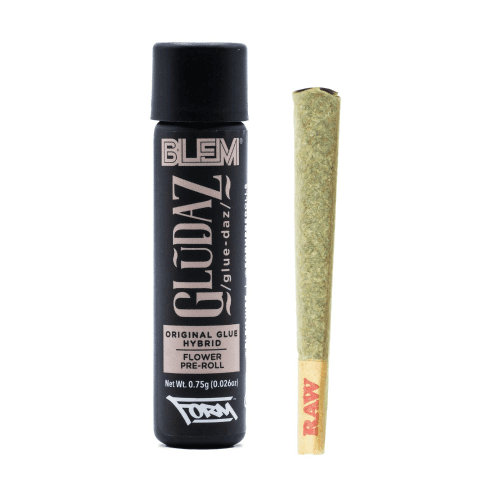
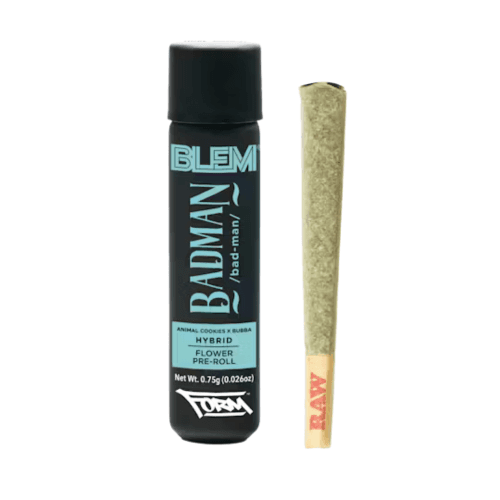
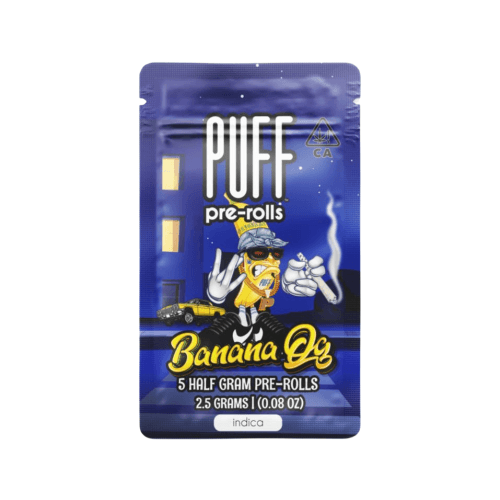
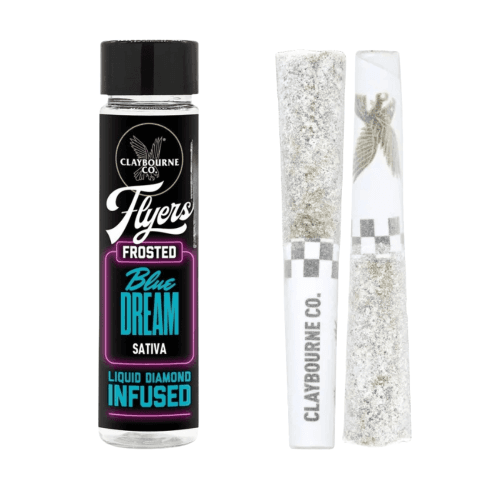
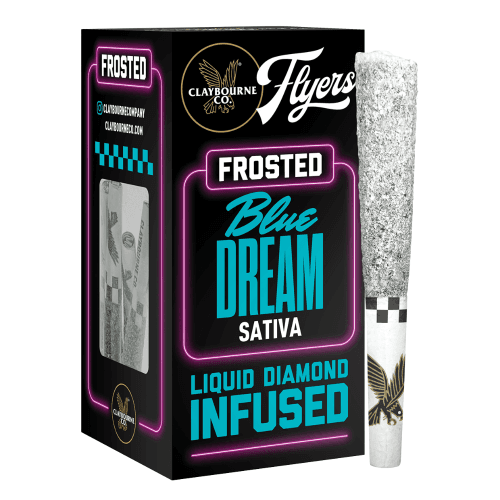
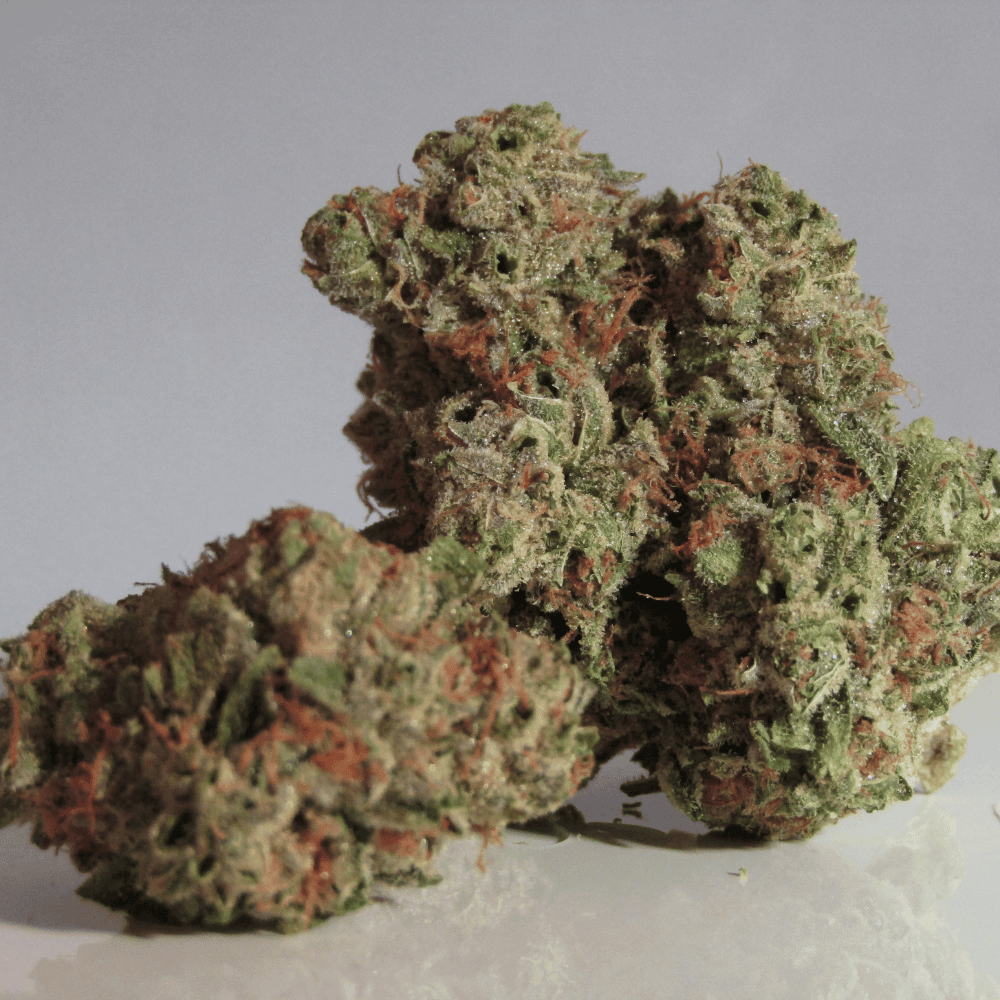
2) Indica-leaning evening flower (best for deep cramps + sleep)

When cramps escalate at night, you want something that relaxes the body, lowers tension, and quiets the nervous system.

Why indica-leaning strains help:

What to search on the menu:

  • “Indica”
  • “Indica-hybrid”
  • “Kush”
  • “GDP” (Granddaddy Purple family)
  • “Purple” cultivars
  • “Gelato” or “Wedding” type hybrids (often relaxing, sometimes giggly)

Pro tip: don’t chase the highest THC percentage. That is how you end up feeling your uterus and hearing colors.


3) Topicals (best for abdomen + low-back support)

Topicals won’t usually get you high, and they won’t solve severe cramping on their own. But for lower back pain, pelvic tension, and that achy soreness that radiates into your hips, they can be a clutch add-on.

What to look for:

  • CBD-rich balms for inflammation and soreness
  • CBD:THC topicals for stronger localized relief (some people swear by them)
  • Added ingredients like menthol or camphor, similar to those found in Tiger Balm, if you like a cooling effect

How to use it (repeat after me):

  • Apply.
  • Massage it in.
  • Apply again later.

Consistency matters here.


4) Edibles (best for longer coverage, worst for impatience)

Edibles can be great for all-day coverage, especially if your cramps last for hours and you’re tired of redosing. The problem: onset is slower and easier to overdo.

Better edible choices for cramps:

If you’re new to cannabis, edibles are the format most likely to humble you. Respect them.


5) Suppositories (the “serious” option that’s finally getting research)

Suppositories aren’t everyone’s vibe. That’s fine. But if your cramps are pelvic-centered, if oral THC upsets your stomach, or if you want localized support, they’re worth considering.

The 2024 npj Women’s Health CBD suppository study is part of a growing push to study formats designed specifically for menstrual experiences. More research is needed, but the direction is clear: women’s health is slowly getting tools that aren’t just “take ibuprofen and be quiet.”

Menu keywords:

  • “CBD suppository”
  • “THC suppository”
  • “intimacy” or “pelvic” (some menus categorize them oddly)

If you try suppositories, start on a day you can stay home. New formats deserve a calm test drive.


Cannabis and Menstrual Pain: What Research Says About Cannabinoids and Period Symptoms

Cannabis Strains, Cultivars, and Product Labels

Cannabis products are often marketed using strain or cultivar names, but those names do not necessarily describe identical chemical profiles across growers, products, or batches.

When discussing cannabis scientifically, researchers may consider factors such as:

  • THC concentration
  • CBD concentration
  • Other cannabinoids
  • Terpene composition
  • Cultivar genetics
  • Growing and processing methods
  • Product formulation

For this reason, a strain name alone should not be treated as a reliable indicator of how a particular product will affect an individual or whether it will have a particular effect on menstrual symptoms.

Cannabis product labels and laboratory testing information can provide additional information about a product's cannabinoid composition, although testing practices and labeling requirements vary by market.


Cannabis and Menstrual Pain: What Research Says About Cannabinoids and Period Symptoms


Safety Considerations

Cannabis can produce different effects depending on the cannabinoid composition, product format, individual factors, and other substances or medications involved.

THC can cause impairment and may affect attention, coordination, reaction time, judgment, and perception. Cannabis should not be used in situations where impairment could create a safety risk, including driving or operating machinery.

Cannabinoids can also interact with some medications. Anyone taking prescription or over-the-counter medications, or anyone with questions about cannabis and an existing health condition, should discuss those concerns with a qualified healthcare professional or pharmacist.

Menstrual pain that is severe, worsening, sudden, or accompanied by symptoms such as heavy bleeding, fainting, fever, or pain during sex may require medical evaluation. Cannabis should not be presented as a substitute for identifying or treating an underlying medical condition.


What the Research Says About Cannabis and Menstrual Pain

Research into cannabis, cannabinoids, and menstrual symptoms is still developing. Studies have examined the endocannabinoid system, pain perception, reproductive processes, and different cannabinoid formulations, but the evidence does not establish a single cannabis strain, product, dose, or format as a general solution for menstrual pain.

Research on cannabinoid suppositories is one emerging area. The 2024 npj Women's Health study reported improvements in several self-reported menstrual-related outcomes among participants using a high-CBD suppository, but the study design has important limitations and the authors called for further randomized clinical research.

The most useful way to understand cannabis in this context is to separate established biological concepts from early or limited research. Product labels, cannabinoid composition, formulation, and individual response can all affect how cannabis products are experienced.

Anyone experiencing significant or unusual menstrual pain should consider the broader medical context rather than relying on cannabis as a substitute for professional evaluation.


FAQs (Frequently Asked Questions)

How does cannabis relate to menstrual pain?

Cannabis contains cannabinoids such as THC and CBD that interact with the body's endocannabinoid system. Researchers have studied this system in relation to pain signaling and reproductive processes. However, research specifically examining cannabis for menstrual pain is still developing, and current evidence does not establish cannabis as a general treatment for dysmenorrhea.


What cannabis product formats have been studied in relation to menstrual symptoms?

Research and discussion around menstrual symptoms has included different cannabinoid formats, including oral products and vaginal suppositories. Product composition can vary substantially, so findings from one formulation should not automatically be applied to every cannabis or cannabinoid product.


What does research say about THC and CBD for menstrual symptoms?

THC and CBD interact with the endocannabinoid system differently and have been studied in connection with pain and other biological processes. Research on their use specifically for menstrual symptoms remains limited, and studies do not establish a single THC-to-CBD ratio as appropriate for everyone.


Are cannabis strains reliable indicators of how a product will affect menstrual pain?

Not necessarily. Strain or cultivar names can be used for marketing and product identification, but products with the same or similar names can have different cannabinoid and terpene profiles. Product composition, potency, formulation, and individual response can all vary.


What does the research say about CBD suppositories and menstrual pain?

A 2024 survey-based, quasi-experimental study published in npj Women's Health examined a high-CBD vaginal suppository and reported improvements in several self-reported menstrual-related outcomes. The researchers noted that additional research, including randomized clinical trials, is needed to establish effectiveness and better understand safety and mechanisms.


When should someone seek medical advice for menstrual pain?

Severe, sudden, worsening, or unusual menstrual pain can have different causes and may require medical evaluation. Symptoms such as heavy bleeding, fainting, fever, or pain during sex can also warrant professional medical attention. Cannabis should not be used as a substitute for evaluating a potentially underlying condition.

Jenna Renz

Jenna is a California-based creative copywriter who’s been lucky enough to have worked with a diverse range of clients before settling into the cannabis industry to explore her two greatest passions: writing and weed.

  • Social media icon

Related Blogs

High-Dose vs Microdose Edibles: Which Is Right for You?

High-Dose vs Microdose Edibles: Which Is Right for You?

Walk through the edibles section and the milligram counts can be all over the map. One gummy is 2.5 mg, the next is 10 mg, and some packages are built for people with a lot more experience than most. For a beginner, that spread raises a fair question: is a tiny dose worth taking, and who actually needs a high-dose edible?

8 Min Oct 06, 2026Jenna Renz

Single Pre-Roll vs Pre-Roll Pack: When to Buy Each

Single Pre-Roll vs Pre-Roll Pack: When to Buy Each

Open the pre-roll section and you'll notice the same strain sold two ways: one joint on its own, or a pack with several. The pack looks like the better deal, and sometimes it is. But sometimes the single is the smarter buy, and a pack can quietly turn into a drawer full of joints that dry out before you finish them.

8 Min Oct 06, 2026Jenna Renz