Why Did My Weed Turn Brown? What Bud Color Tells You About Quality

Is brown weed bad? Sometimes yes, sometimes it’s just tired, and sometimes it’s quietly screaming, “I was cooked, boss.” Color is one of the fastest quality signals you can see without a microscope, a lab report, or a wizard on payroll. But you need to know what you’re looking at, and what you’re not.

This guide is the diagnostic version. Not “how to store cannabis,” not “how to keep flower fresh.” This is: why it’s brown, what it means, and when to pass.


The quick answer: is brown weed bad?

Brown weed is often a sign of age, oxidation, poor curing, or heat/light damage, all of which can dull aroma, flavor, and effects. It’s not automatically unsafe, but it’s frequently lower quality than greener, well-preserved flower with healthy trichomes.

If your bud is brown and smells like hay, cardboard, or nothing at all, that’s usually your cue to stop negotiating and move on.


What “good” weed color usually looks like (so you have a baseline)

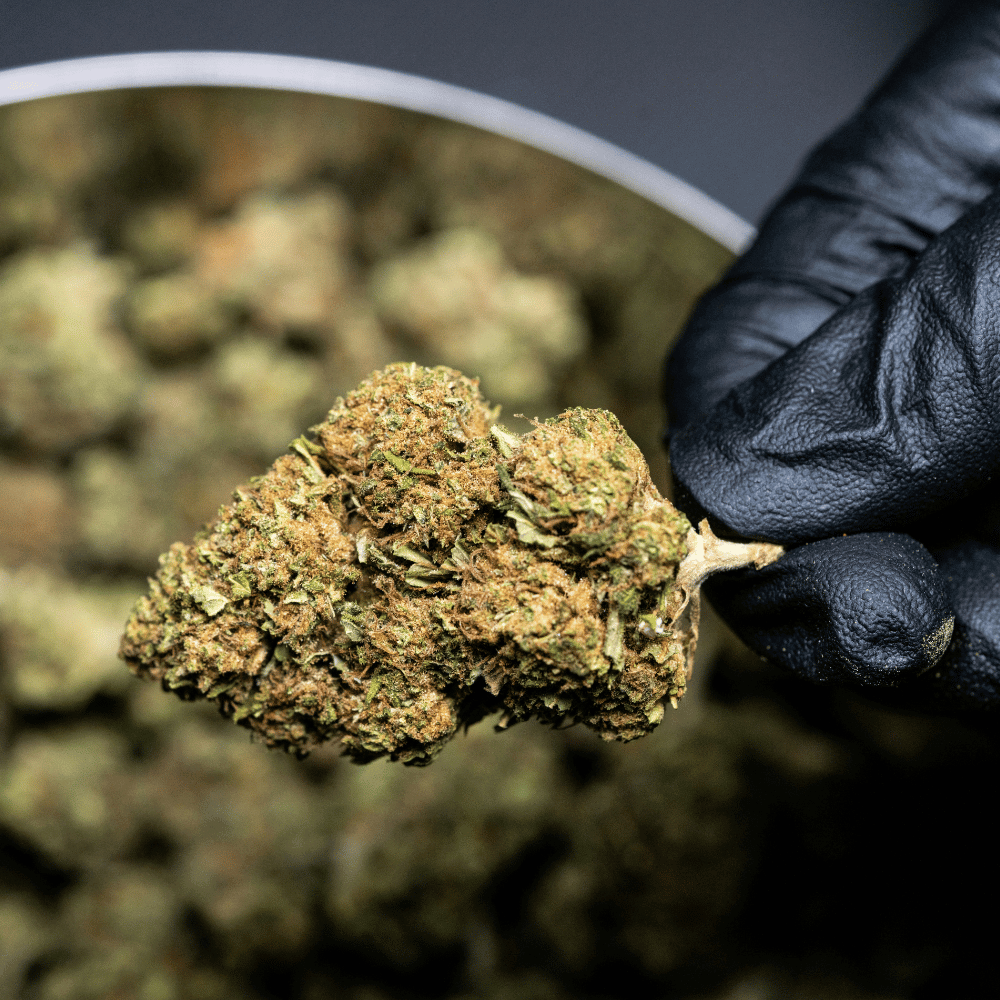
High-quality flower isn’t one perfect shade of green. It can be lime, forest, olive, even purple. What matters is whether the color looks alive and intentional, not faded and defeated.

Look for:

  • Greens that still look vibrant (even if dark)
  • Orange or rust pistils (those hairs are normal)
  • Purples that look deep, not muddy
  • Trichomes that look like a frosty dusting, not like they vanished

If the bud looks uniformly brown or tan, especially inside the nug when you break it open, you’re usually dealing with degradation, not genetics.


The most common reasons weed turns brown

Let’s get straight to the suspects. Brown flower doesn’t happen because the plant “felt like it.” Something changed after harvest, and color is the receipt.

1) Oxidation: the slow, boring villain

Oxidation is what happens when cannabinoids and terpenes react with oxygen over time. It’s the same concept as an apple browning after you cut it. Not dramatic. Just relentless.

What oxidation does:

  • THC degrades over time (eventually trending toward CBN)
  • Terpenes evaporate or change, so the aroma gets flatter
  • The flower can shift from green/purple to brownish, dull tones

How to recognize it:

  • Bud looks faded rather than “burnt”
  • Smell is weaker than it should be
  • Effects may feel more sleepy or muted compared to fresher flower

Oxidation is why old weed often feels like it’s wearing ankle weights.

2) Age: time always wins

Even if it wasn’t abused, flower doesn’t stay peak forever. Over weeks and months, pigments and compounds break down.

Signs your weed is just old:

  • Brown tint plus dry, brittle texture
  • Trichomes look less sparkly, more like dusty sugar
  • Aroma is faint, sometimes vaguely woody

Old doesn’t always mean disgusting, but it usually means you’re not getting what you paid for. Fresh flower should smell like it has something to say.

3) Heat exposure: “I left it in the car” energy

Heat speeds up degradation fast. If flower got warm during handling, storage, or transit, you can see and smell the fallout.

Heat damage can cause:

  • Terpenes to volatilize (translation: goodbye flavor)
  • Trichomes to become less distinct
  • Bud color to go tan, brown, or oddly dark

Clues it was heated:

  • Aroma is muted or “cooked”
  • Bud feels overly dry on the outside but weirdly dense inside
  • Color looks like it browned too quickly, not gradually

If the bud looks toasted and smells like regret, heat is a strong candidate.

4) Light exposure: the stealth quality killer

Light, especially UV, degrades cannabinoids and terpenes. It’s not always obvious at first, but over time it can push flower into a dull, brownish direction.

Signs of light damage:

  • Color looks washed out
  • Trichomes seem less present
  • Smell drops off faster than expected

This is one reason “fresher, faster-moving inventory” matters. Less time sitting around means fewer chances for light and oxygen to do their slow-motion sabotage.

5) A bad cure: where good weed goes to become hay

Curing is where flower becomes enjoyable instead of harsh. A sloppy cure can leave you with brownish buds, harsh smoke, and that classic “why does this smell like a barn” problem.

Two common curing failures:

Over-drying too fast

  • Chlorophyll doesn’t break down properly
  • Bud can look pale or brownish
  • Smell turns grassy or hay-like

Trapped moisture from a rushed dry

  • Bud may brown internally
  • Aroma can become dull, sour, or musty
  • Smoke can be harsh and throat-scratchy

If the bud is brown and smells like hay, it’s often cure-related. You can’t “fix” a bad cure with wishful thinking. You can only stop buying it.

6) Compression and handling: bruised flower is real

Flower can darken when it’s been handled aggressively, tightly packed, or compressed for too long. Trichomes get knocked off. Plant material gets bruised.

Signs:

  • Brown or dark patches where the bud looks squished
  • Less visible trichome coverage on the outside
  • Aroma reduced compared to how it looks on paper

This usually won’t make it unsafe, but it’s another “quality took a hit” indicator.


Brown vs. purple vs. orange: don’t confuse normal colors with “bad”

A lot of people see orange hairs and panic. Don’t.

Orange pistils are normal

Those orange/rust hairs are pistils, and they often darken as the plant matures. Orange hairs do not equal brown weed.

Purple genetics are normal

Purple flower can be elite. The difference is purple should look rich, not muddy. If it’s purple plus brown plus no aroma, that’s not “exotic.” That’s “expired.”

Brown can be normal in tiny amounts

Some strains naturally run darker. Some nugs have slight tan undertones. The red flag is when brown becomes the main character.


Trichomes matter more than color (but color still warns you)

If bud color is the cover of the book, trichomes are the actual plot.

What healthy trichomes look like

You’re looking for a frosty coating, and ideally:

  • Clear trichomes: less mature, often brighter, racier effects
  • Cloudy/milky trichomes: peak potency for many strains
  • Amber trichomes: more oxidized/mature, often heavier effects

Here’s the key: brown bud often comes with degraded trichomes, meaning fewer intact heads and less sparkle. Even without a loupe, you can often see when the frost looks “melted” or simply gone.

If your bud is brown and the trichomes look scarce, that’s typically not a premium experience.


Smell and texture: the tie-breakers when color confuses you

Color can trick you. Your nose and fingers are harder to fool.

Smell test

Good flower should smell loud when you crack it open. Not “kind of.” Not “if I try.” Loud.

Watch out for:

Texture test

You want bud that’s:

  • Dry enough to grind
  • Not so dry it turns to dust
  • Slightly springy, not crunchy

Too dry plus brown usually equals old or heat-exposed. Spongy plus brown can signal it wasn’t dried or cured properly.


When brown weed is a hard “no”

Don’t play hero. Walk away if you see any of this:

  • Musty smell or ammonia-like sharpness
  • Webby/fuzzy growth or suspicious powder that is not trichomes
  • Bud that feels damp inside but dry outside
  • Harsh chemical odor that doesn’t belong

This article isn’t a medical diagnosis, but here’s a clean rule: if you suspect mold, don’t smoke it. Not even “just a little.” Especially not “to test it.” Your lungs are not a quality-control lab.


“But it still gets me high.” Sure. That’s not the point.

Brown weed can still work. Caffeine from a gas station can still wake you up. The question is whether you’re getting:

  • Full flavor
  • Full potency
  • The intended effects of the strain
  • A smooth smoke

Fresh flower is the version the cultivator meant to sell you. Brown flower is what happens when time and exposure start editing that original plan.

The Importance of Proper Curing

One factor that can drastically affect the quality of your cannabis is the curing process. It's crucial to recognize when it's time to stop burping your jars during this process to avoid compromising the quality of your bud. For more insights on this topic, check out this resource on curing cannabis.


How to shop smarter using color as a quality signal

Do this every time. Be annoying about it. Repetition helps. Do it again.

  • Check overall vibrancy: does it look alive or faded?
  • Look for frost: are trichomes visible and abundant?
  • Break a nug (if you can): is it greener inside or brown all the way through?
  • Smell it: loud is good, flat is bad, musty is a no.
  • Notice consistency: one brown patch is one thing; uniform brown is another.

And yes, it matters where you buy. Flower that moves fast tends to stay fresher. Freshness doesn’t fix everything, but it prevents a lot.

If you’re shopping delivery menus, lean toward retailers known for quick turnover and fresher inventory, because fewer days sitting around means fewer chances for oxidation, light exposure, and heat creep to ruin the party.


Wrap-up: brown bud is a clue, not a mystery

Brown weed usually points to oxidation, age, heat/light exposure, or a bad cure. It’s not automatically dangerous, but it often signals weaker aroma, weaker flavor, and a less satisfying high.

Use color as your first alarm bell. Then confirm with trichomes, smell, and texture. Be picky. Be consistent. Be picky again.

Because your weed should look good, smell good, and smoke good. Anything else is just plant material with ambition.


FAQs (Frequently Asked Questions)

Is brown weed always bad or unsafe to use?

Brown weed is not automatically unsafe, but it often indicates issues like age, oxidation, poor curing, or heat/light damage. These factors typically reduce the quality by dulling aroma, flavor, and effects. If brown weed smells like hay, cardboard, or has no smell at all, it's usually best to avoid it.


What does good-quality cannabis flower color look like?

High-quality cannabis flower can vary in color from vibrant lime green to forest green, olive, or even deep purple. Key signs include lively and intentional color (not faded), orange or rust-colored pistils (hairs), deep purples that aren't muddy, and visible frosty trichomes. Uniformly brown or tan buds usually indicate degradation rather than genetics.


Why does cannabis turn brown after harvest?

Cannabis turns brown due to factors such as oxidation (reaction with oxygen over time), aging (natural breakdown of pigments and compounds), heat exposure (which speeds up degradation), light exposure (especially UV light damaging cannabinoids and terpenes), poor curing practices, and physical compression or handling that bruises the flower.


How does oxidation affect the quality of cannabis flower?

Oxidation causes cannabinoids like THC to degrade into compounds like CBN over time and leads to terpene evaporation or alteration. This results in faded colors shifting towards dull brownish tones, weaker aromas, and effects that feel more sleepy or muted compared to fresher flower.

What are signs that cannabis has been poorly cured?

Poor curing can cause buds to appear brownish with a dry or overly pale look. Common symptoms include a grassy or hay-like smell, harsh smoke that irritates the throat, trapped moisture causing internal browning, dull or sour aromas, and an overall unpleasant smoking experience. Such flaws can't be fixed post-purchase.


How can heat and light exposure damage cannabis flower?

Heat exposure accelerates terpene loss and trichome degradation causing buds to become tan, brown, or dark with muted 'cooked' aromas and uneven dryness. Light exposure, especially UV rays, gradually washes out color and reduces trichome presence while diminishing smell faster than expected. Both lead to lower potency and flavor quality.

Jenna Renz

Jenna is a California-based creative copywriter who’s been lucky enough to have worked with a diverse range of clients before settling into the cannabis industry to explore her two greatest passions: writing and weed.

  • Social Link

Related Blogs

What Is Kief? How to Collect It and What to Do With It

What Is Kief? How to Collect It and What to Do With It

Kief is the dusty, golden-green magic that falls off cannabis flower when you handle it, grind it, or sift it. It’s basically a pile of trichomes, meaning the tiny crystal glands that hold most of the plant’s cannabinoids and terpenes. In plain English: it’s the stuff that makes good weed feel like good weed.

8 Min May 22, 2026Jenna Renz

How to Grind Weed (With or Without a Grinder)

How to Grind Weed (With or Without a Grinder)

How to grind weed is the difference between a smooth, even burn and a sad little canoe that keeps going out like it has plans later. Yes, you can just tear a nug apart with your fingers. You can also cut a steak with a spoon. The question is not “can you,” it’s “should you.”

8 Min May 22, 2026Jenna Renz