The Rise of California Sober: How Cannabis Is Replacing Alcohol for a New Generation

California sober is no longer a cute little wellness confession. It’s the first sentence of a very big cultural paragraph.


In 2026, something has quietly flipped. Cannabis beverages are showing up at dinners, birthday parties, friend catch-ups, and “I just need something after work” moments that used to belong to wine. Meanwhile, alcohol is starting to look like the messy ex you keep forgetting to block. You know the one. Loud, expensive, and always leaving you with consequences.


This is not a purity pledge. It’s not a lecture. It’s a practical shift powered by people who still want fun, still want a buzz, and still want to wake up feeling like a functioning adult.


And the loudest group driving it? Sober-curious Millennials and women 35+ who are tired of the alcohol tax: sleep wrecked, skin dull, anxiety loud, calories high, mornings ruined. They’re not “quitting life.” They’re swapping the delivery system.


Let’s talk about why California sober is rising, what’s actually replacing alcohol, and how to start without accidentally sending yourself to the moon.


What “California Sober” Actually Means (And Why It’s Catching Fire)

California sober usually means: no alcohol (or very little), while still using cannabis (and sometimes psychedelics, depending on the person, the therapist, and the group chat).


But culturally, it’s evolving into something simpler and more mainstream:

  • Skip booze because it feels bad later
  • Use cannabis intentionally because it feels manageable now
  • Keep the social ritual without the social hangover


It’s not about being “better.” It’s about being done with feeling worse.


And yes, the vibe matters. California sober has the same appeal as Pilates, hot girl walks, and “I’m protecting my peace.” It’s wellness-coded. But unlike a celery juice cleanse, it can actually be fun.


Why Alcohol Is Losing Its Grip (Especially for Women 35+)

Alcohol used to be the default social lubricant. Now it’s starting to feel like the default social liability.

Here’s what’s pushing people away, especially women in their mid-30s and up.


1) The hangover hits harder now. Rude.

If you’re 22, you can bounce back with a breakfast sandwich and questionable confidence. If you’re 35+, the hangover can feel like a three-day subscription you didn’t agree to. Recovery often gets harder with age, sleep changes, stress load, hormones, and just life being… life.


2) “Wine o’clock” stopped being cute

A lot of women are re-evaluating the way alcohol was marketed as self-care. The whole “mommy needs wine” thing is getting side-eyed. Hard.

Because if your self-care ends in:

  • worse sleep
  • more anxiety
  • puffy face
  • a 2 a.m. doom spiral
  • that’s not self-care. That’s a prank.


3) People want to feel good tomorrow, not just numb tonight

Millennials are tired. Gen Z is watching. Everyone has therapy language now. The cultural permission slip is signed: you can choose what supports your nervous system.

Cannabis, when used thoughtfully, can feel like a gentler off-ramp than alcohol. Less “crash,” more “exhale.”


4) Calories matter, and alcohol is sneaky

Alcohol brings calories, sugar, and appetite chaos. Cannabis can increase appetite too, yes, but modern products are trending toward low-dose and controlled experiences that fit wellness goals better than cocktails do.


The 2026 Shift: Cannabis Beverages Are Coming for Alcohol’s Lunch

Cannabis beverages are the quiet disruptor in this story. They don’t look like “stoner culture.” They look like:

  • sparkling waters
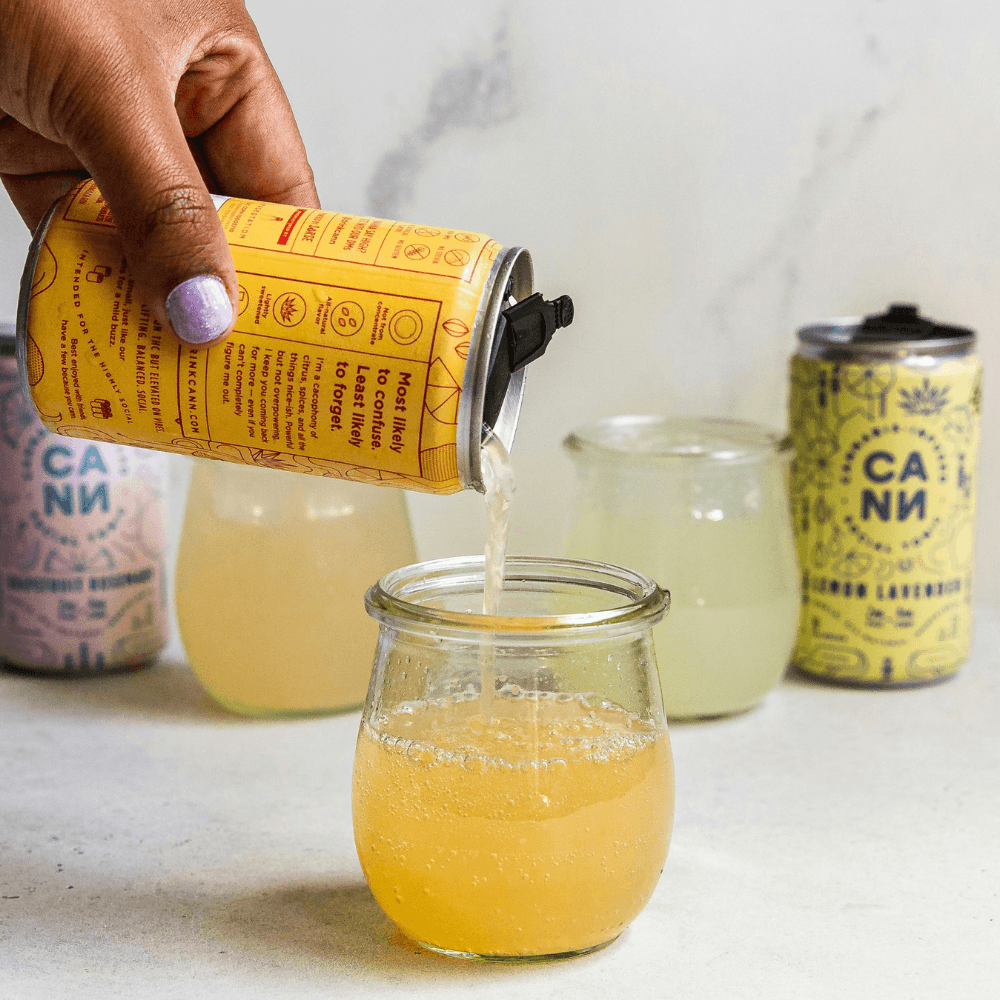
  • mocktail-style cans
  • little wellness tonics
  • “social sippers” with 2–5mg THC


They fit in a cooler. They fit in a purse. They fit in a dinner party without making it weird.


Most importantly, they mimic the ritual of alcohol:

  • you hold something
  • you sip something
  • you pace yourself
  • you feel a shift


But for many people, they remove the punishment phase.


No hangover. No alcohol bloat. No sloppy regret. Just a dial you can turn, not a cliff you fall off.


That’s why they’re actively eroding alcohol sales in certain settings. People aren’t just replacing the drink. They’re replacing the entire outcome.


Why Cannabis Feels Like a Better Social Tool (When You Keep It Low-Dose)

Alcohol is a volume knob that tends to break halfway through the night.


Cannabis, especially low-dose THC, can feel more like a dimmer switch. You can aim for:

  • lighter mood
  • softer edges
  • more presence
  • less social anxiety
  • better conversation


And you can stop earlier without the “well I already started” momentum.


The key is dose, product type, and pacing. California sober works best when you’re not trying to recreate being drunk. Don’t do that. You’ll ruin a perfectly good evening.


Repeat after me: You are not chasing chaos. You are chasing calm.


Moreover, recent studies have shown that cannabis drinks may offer benefits over traditional alcohol, such as fewer negative side effects and more control over your experience.


The Best-Fit Product Categories Replacing Alcohol Right Now

Not all cannabis is party cannabis. Some products are better suited for “I still want to be cute and coherent.”


Here are the categories that keep showing up in the modern social scene, from laid-back LA patios to NYC-style dinner meetups, without making this trend location-dependent.


1) Low-dose gummies (the new “first drink”)

Think of a 2.5mg to 5mg THC gummy as the equivalent of a light cocktail. Not in intensity, but in social function.

Why gummies work:

  • consistent dosing
  • discreet
  • no smell
  • easy to split
  • no “smoke break” required


How to use them socially:

  • take 2.5mg first
  • wait 60–90 minutes
  • decide if you even need more


Yes, waiting is annoying. Do it anyway. Gummies are slow. Respect the slow.


2) 2–5mg THC beverages (the closest thing to a cocktail replacement)

If you miss sipping, this is your lane.

Why low-dose beverages are winning:

  • ritual-friendly
  • easier to pace than edibles
  • often feel “lighter” and more social
  • can be consumed slowly, like a drink


Pro move: pour it in a glass. Add lime. Make it feel special. Your brain loves ceremony.


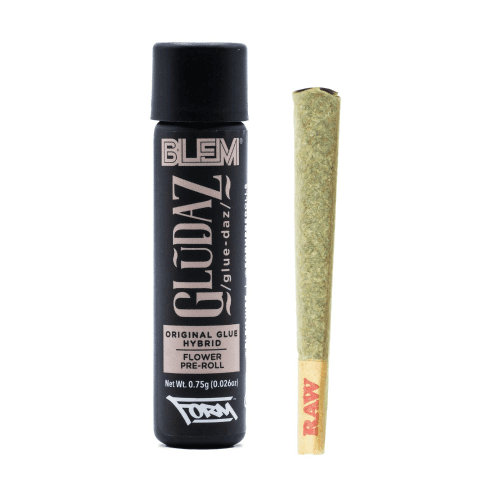
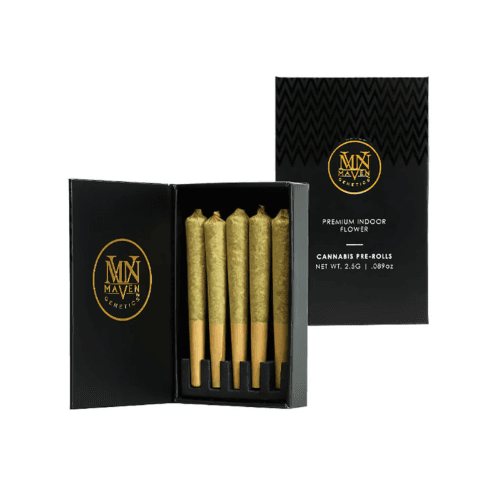
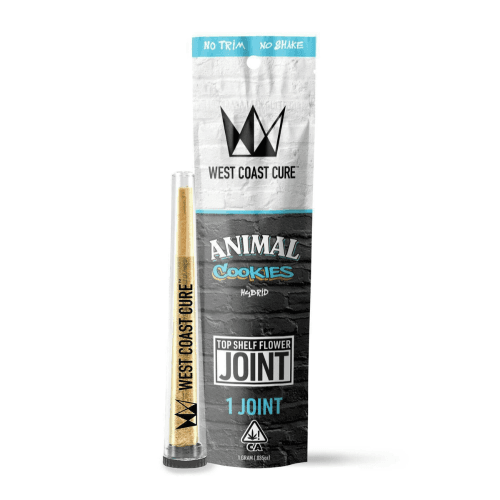
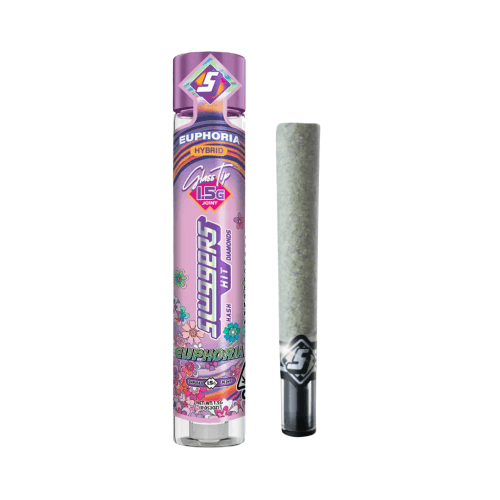
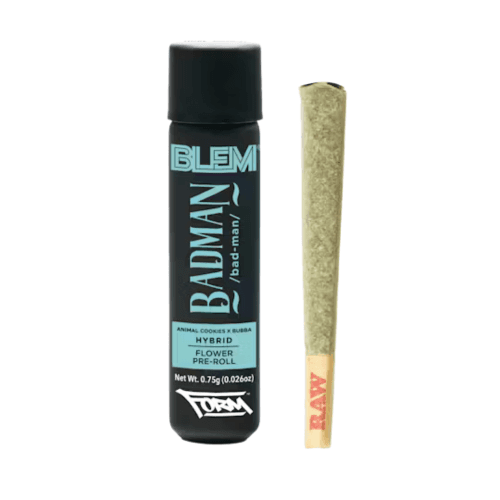
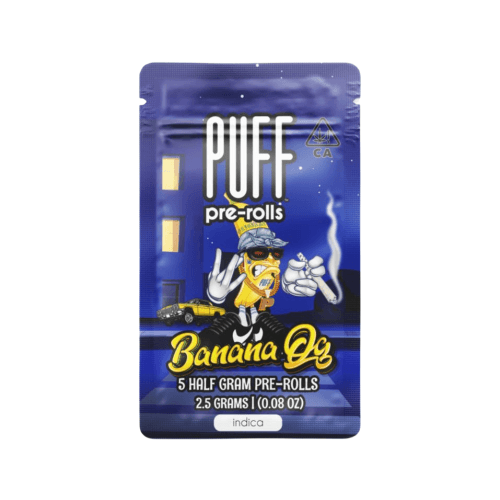
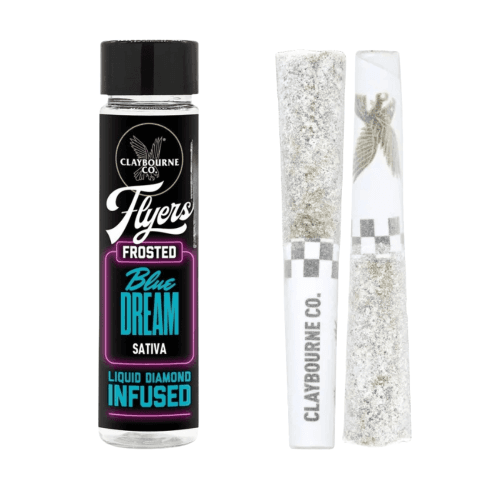
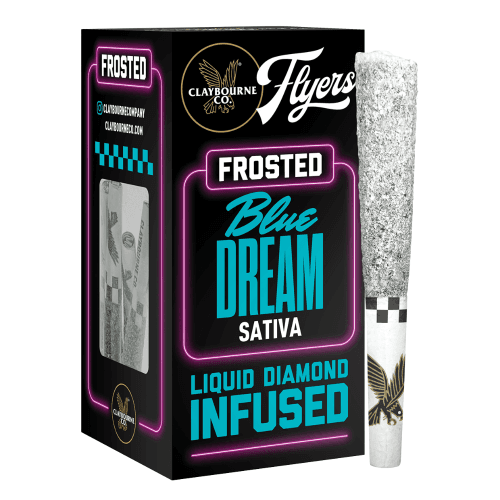
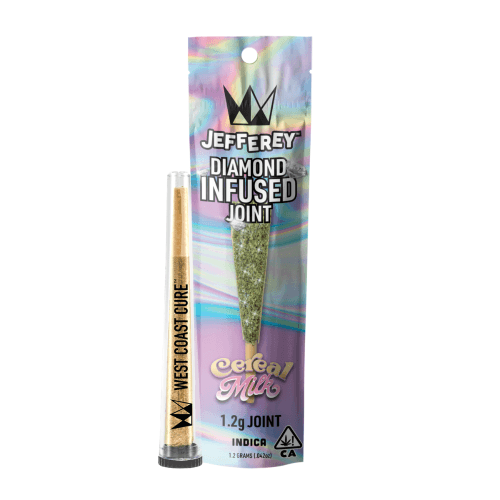
3) Pre-rolls for sharing (the new “let’s step outside”)

Pre-rolls are having a very specific glow-up. Not the heavy, couch-lock stuff. The “pass it around, laugh a little, keep it moving” vibe.


Why pre-rolls work:

  • communal
  • familiar social ritual
  • fast onset compared to edibles
  • easy to take one or two puffs and stop


Rule: one puff, wait ten minutes, then decide. Repeat. Repeat. Repeat.


4) Low-dose mints or tablets (the stealth option)

This is for the woman who wants to feel slightly better, not noticeably altered.


Why mints/tablets work:


They’re the “I have a meeting tomorrow” option.


Why This Hits Different for Sober-Curious Millennials

Sober-curious doesn’t mean you’re broken. It means you’re paying attention.


This audience tends to care about:

  • sleep quality
  • skin
  • mood stability
  • workouts that don’t feel like punishment
  • anxiety management
  • being present with their kids or partner
  • not losing a whole day to recovery


Alcohol is increasingly incompatible with those priorities. Cannabis, in controlled forms, can be more compatible.


Not perfect. Not consequence-free. Just… less sabotaging for many people.


Let’s Be Clear: Cannabis Isn’t “Healthy,” It’s Just Often Less Brutal

Cannabis is not a green juice. It’s a psychoactive substance.


But many people report that, compared to alcohol, cannabis can be:

  • less dehydrating
  • less likely to trigger next-day guilt spirals
  • easier to stop at “enough”
  • less associated with impulsive decisions


This is not universal. Some people get anxious on THC. Some people overdo edibles and meet God. You need to find your own sweet spot.


The goal is not to be high. The goal is to be social without self-sabotage.


How to Start California Sober Without Overdoing It (Read This Twice)

If you’re sober-curious, you don’t need a grand reinvention. You need a plan.


Step 1: Choose one format, not three

Don’t mix a beverage, a gummy, and a pre-roll on your first try. That’s not “wellness.” That’s improv.

Pick one:

  • 2.5mg gummy
  • 2–5mg beverage
  • one puff of a pre-roll


Step 2: Eat first. Drink water. Be an adult about it.

Cannabis can hit harder on an empty stomach, and dehydration makes everything worse. Hydrate before, during, after.


Step 3: Start low. Stay low.

For many people, the sweet spot is 2.5mg THC. Not 10mg. Not “I didn’t feel it so I took more.” That is the origin story of every edible regret.


Step 4: Wait longer than you think

  • Edibles: wait 60–90 minutes
  • Beverages: often 15–45 minutes, but vary
  • Inhalation: wait 10 minutes


Waiting is the difference between “cute buzz” and “why are my hands so loud?”


Step 5: Build a repeatable routine

California sober works when it becomes predictable:

  • same dose
  • same setting
  • same pacing
  • same expectations


Consistency is the new cool.


The Social Scene Shift: Still Fun, Less Fallout

Alcohol-centered socializing often rewards excess. Cannabis-centered socializing tends to reward moderation.

In real life, that looks like:

  • longer conversations
  • fewer interruptions
  • less performative chaos
  • leaving earlier without FOMO
  • waking up without dread


And yes, people still dress up. They still flirt. They still dance. They just don’t want to black out, text their ex, and donate money to DoorDash at 1:30 a.m.


California sober doesn’t kill the vibe. It changes the vibe.


What to Expect the First Few Times (So You Don’t Panic)

Here’s what many new users feel with low-dose THC:

  • lighter mood
  • body relaxation
  • music feels better
  • food tastes better
  • social anxiety softens
  • time feels a bit stretchy


Here’s what might happen if you take too much:

  • racing thoughts
  • paranoia
  • dizziness
  • nausea
  • “I’m going to be like this forever” (you won’t)


If you’re new, your job is to avoid the second list.


Keep CBD around if you’re sensitive, and choose balanced products when possible (more on that below).


Your California Sober “Starter Kit” (Keep It Simple, Keep It Social)

You wanted practical. Here it is. Build this kit once, then use it on repeat.


1) Start with low-dose gummies

Buy gummies that clearly label THC per piece, ideally 2.5mg or 5mg. If they’re 10mg each, you can still make it work. Just cut them cleanly.

Internal link: Shop Low-Dose THC Gummies


2) Add 2–5mg THC beverages for the “drink” ritual

Choose a beverage designed for social sipping, not a high-dose blast.

Internal link: Shop THC Beverages (2–5mg)


3) Keep a “sharing” option: pre-rolls

Get pre-rolls that are smooth, not aggressive. This is about a couple puffs, not a space launch.

Internal link: Shop Pre-Rolls for Sharing


4) Add CBD as your safety net

CBD can help take the edge off for some people, especially if THC makes you anxious.

Internal link: Shop CBD Products


5) Don’t forget the basics (yes, basics)

  • a real snack
  • water or electrolytes
  • a plan to get home
  • a comfortable setting


Smart Pairings: Match the Product to the Moment

Use this like a menu. Because you’re an adult, and adults love menus.


Dinner party or date night

  • 2–5mg THC beverage, sipped slowly
  • OR 2.5mg gummy taken 60 minutes before you leave

Goal: relaxed, present, conversational.


Girls’ night (but you still want to wake up early)

  • 2.5mg gummy
  • optional second 2.5mg later if you’re steady

Goal: giggly, not goofy.


Concerts and social events

  • one puff of a pre-roll
  • wait 10 minutes
  • repeat only if needed

Goal: energized, not overwhelmed.


“I’m quitting wine but I still want a treat”

  • a low-dose gummy + herbal tea
  • OR a cannabis beverage in a fancy glass

Goal: ritual replacement. The brain loves a replacement.


Common Mistakes That Make People Quit Too Soon

California sober fails when people treat cannabis like alcohol. Don’t do that. It’s a different tool.


Mistake 1: Taking more because you “don’t feel it”

Classic edible error. Wait longer. Always.


Mistake 2: Starting with a 10mg gummy

You can, but you probably shouldn’t. Low-dose is the move. Low-dose wins.


Mistake 3: Mixing alcohol and THC on your first few tries

Mixing can amplify effects in unpredictable ways. If you’re transitioning away from alcohol, do clean experiments. Try cannabis without alcohol first.


Mistake 4: Using cannabis to avoid feelings 24/7

California sober is not “feel nothing forever.” If you notice dependency patterns, take that seriously. The point is better living, not a new crutch in better packaging.


Is California Sober Right for You? Ask These Questions

You’re a good candidate if:

  • alcohol makes you feel worse than it used to
  • you want a social option without next-day penalties
  • you’re willing to start low and be patient
  • you like predictable experiences


You may want to skip it or proceed cautiously if:

  • THC reliably increases your anxiety
  • you have a personal history of substance misuse
  • you’re pregnant or breastfeeding
  • you take medications that could interact (ask a clinician)
  • your job involves safety-sensitive work and testing


Be smart. Be boring about safety. Save your chaos for karaoke.


The Bottom Line: This Isn’t a Phase, It’s a Reallocation

California sober is rising because it fits modern priorities: wellness, control, and still having a life.


Alcohol is losing ground because it’s high cost, high consequence, and increasingly out of sync with how people want to feel in the morning. Cannabis is gaining ground because low-dose products, especially beverages and gummies, offer a more social-friendly, hangover-free alternative for a lot of sober-curious adults.


Start low. Stay low. Repeat the dose that works. Build your own ritual.


And if you want the simplest on-ramp, do this:

  • pick one product type
  • choose 2.5mg THC
  • wait
  • enjoy
  • wake up tomorrow and notice the difference


That’s the real selling point, isn’t it? Not being punished for having a good night.


FAQs (Frequently Asked Questions)

What does 'California sober' mean and why is it becoming popular?

California sober typically means abstaining from alcohol or consuming very little, while still using cannabis (and sometimes psychedelics depending on the individual). It’s catching fire because it offers a practical shift: skipping booze due to its negative aftereffects, using cannabis intentionally for a manageable buzz, and maintaining social rituals without hangovers. It’s not about being better but about being done with feeling worse, blending wellness culture with fun.


Why are more women aged 35+ moving away from alcohol?

Women 35+ are re-evaluating alcohol because hangovers hit harder with age, making recovery tougher. The 'wine o’clock' self-care trope is losing appeal as alcohol often worsens sleep, anxiety, and skin health. Many want to feel good the next day rather than just numb the night. Additionally, alcohol's high calories and sugar contribute to unwanted weight and appetite issues, prompting a shift towards gentler alternatives like cannabis.


How are cannabis beverages disrupting traditional alcohol consumption in 2026?

Cannabis beverages are emerging as stylish, low-dose alternatives that fit seamlessly into social settings—think sparkling waters, mocktail-style cans, and wellness tonics with 2–5mg THC. They mimic the ritual of drinking without the downsides of alcohol such as hangovers or bloating. Their convenience and controlled effects allow people to enjoy social moments while avoiding alcohol’s negative aftermath, actively eroding alcohol sales in many scenarios.


What makes cannabis a better social tool compared to alcohol when used responsibly?

Low-dose THC cannabis acts more like a dimmer switch than a volume knob—it can enhance mood, soften edges, reduce social anxiety, improve conversation quality, and increase presence. Unlike alcohol which often leads to loss of control as consumption increases, cannabis allows users to pace themselves and stop earlier without pressure to continue. Proper dosing and product choice are key for California sober lifestyles to work effectively.


Is California sober about complete abstinence from substances?

No, California sober isn’t a purity pledge or complete abstinence. Instead, it involves reducing or eliminating alcohol use while still consuming cannabis in controlled ways. Some individuals also incorporate psychedelics under guidance. The focus is on intentional consumption that supports wellness goals—maintaining fun and social connection without the negative consequences traditionally associated with drinking.


How can someone start adopting a California sober lifestyle without overdoing it?

To start California sober thoughtfully, focus on low-dose cannabis products (around 2–5mg THC) that allow you to control your experience. Mimic familiar social rituals by sipping slowly and pacing yourself. Avoid trying to recreate drunkenness; instead aim for lighter moods and more presence. Being mindful of dose, product type, and timing helps prevent overwhelming effects or feeling 'sent to the moon,' making the transition smoother and more sustainable.

Jenna Renz

Jenna is a California-based creative copywriter who’s been lucky enough to have worked with a diverse range of clients before settling into the cannabis industry to explore her two greatest passions: writing and weed.

  • Social Link

Related Blogs