Best Strains for Focus and Productivity: A Buyer’s Guide

Show Quick Read

Summary is AI-generated, newsroom-reviewed

Cannabis strains can vary considerably in their cannabinoid and terpene profiles, and the same strain name does not always mean the same chemical composition across different growers or batches.

This guide explains the differences between cannabis strains, cannabinoids, terpenes, potency, and product formats so you can better understand the information commonly provided on cannabis labels.This guide focuses on general cannabis information, including strain names, sativa and indica classifications, cannabinoid profiles, terpene profiles, potency, and product labeling. It does not provide medical treatment advice or instructions for using cannabis to achieve a particular outcome.

Read This First: What “Productive Weed” Actually Means

“Focus” can mean three totally different experiences:

  • Laser focus: One task, one tab, one life mission.
  • Creative focus: Idea generation, writing, brainstorming, design work.
  • Get-it-done focus: Cleaning, errands, admin, emails, gym.

Different strains support different lanes. If you buy a “focus” strain expecting all three, you will end up with none, plus snacks.

So decide your goal before you shop:

  • Deep work (writing, coding, studying): you want calm clarity, not jittery speed.
  • Creative work (ideation, content, art): you want uplift and pattern recognition, not couch gravity.
  • Task mode (chores, gym, social productivity): you want energy and mood lift.

Keep that in mind as we talk strains and terpenes.

Understanding Cannabis Potency and Labeling

Cannabis products are available in different potency levels and formats. The amount of THC or other cannabinoids listed on a product label describes its cannabinoid content, but it does not guarantee a particular experience for every person.

Understanding Lower and Higher Potency Products

Cannabis products can contain different concentrations of cannabinoids. Product labels may identify THC, CBD, total cannabinoids, and other information that can help consumers compare products.

Potency should be considered alongside the product format, cannabinoid profile, terpene profile, and available laboratory information.

Comparing Product Potency

Cannabis products can vary significantly in cannabinoid concentration. Comparing the listed THC and CBD content can provide more information than relying only on a strain name or marketing description.

Sativa vs Hybrid vs Indica: Ignore the Labels (Mostly)

You’ve heard it a thousand times:

  • Sativa: commonly used as a category for certain cannabis cultivars
  • Indica: commonly used as a category for certain cannabis cultivars
  • Hybrid: commonly used for cultivars with mixed or crossbred characteristics

These categories can provide a general description, but they do not provide a complete picture of a product's chemical composition. Cannabinoid and terpene information can provide additional detail.

Still, for buying purposes:

  • Sativa-leaning: commonly used as a category for certain cannabis cultivars.
  • Hybrid: generally refers to cannabis cultivars with mixed genetic characteristics.
  • Indica-leaning: commonly used as a category for certain cannabis cultivars.

The more useful approach is to look beyond the category name and review the specific cannabinoid and terpene information available for the product.

The Terpene Cheat Code: What to Look For When You Want Focus

Terpenes are aromatic compounds found in cannabis and many other plants. They contribute to the aroma and flavor of cannabis products and can vary between cultivars, growers, and batches.

If you want alertness and productivity, look for these terpenes on the label or lab results.

1) Pinene: clean, clear, “open-the-windows” energy

  • Smells like: pine needles, rosemary, fresh forest
  • Why it appears on cannabis labels: pinene is a commonly identified terpene associated with pine-like and herbal aromas.
  • Pinene and limonene may appear together in some cannabis terpene profiles.

2) Limonene: mood lift, motivation, “let’s go”

  • Smells like: citrus peel, lemon cleaner (in a good way)
  • Why it appears on cannabis labels: limonene is a terpene commonly associated with citrus aromas.
  • Limonene and caryophyllene can occur together in some cannabis products, depending on the cultivar and batch.

3) Caryophyllene: steady nerves, less spiraling

  • Smells like: pepper, spice, clove
  • Why it appears on cannabis labels: caryophyllene is commonly associated with peppery, spicy, and clove-like aromas.

4) Terpinolene: energetic and creative (sometimes too energetic)

  • Smells like: sweet herbs, floral, slightly citrusy
  • Why it appears on cannabis labels: terpinolene is associated with herbal, floral, and sometimes citrus-like aromas.

5) Myrcene: proceed carefully

  • Smells like: earthy, musky, herbal
  • Why it appears on cannabis labels: myrcene is a commonly identified cannabis terpene associated with earthy, herbal, and musky aromas.If you are comparing cannabis products, look at the complete profile rather than relying on THC percentage or terpene information alone.

THC Percentage: Stop Worshipping It

THC percentage describes the concentration of THC in a cannabis product. A higher THC percentage does not describe the product's entire cannabinoid or terpene profile.

If you want productivity:

When comparing products, consider THC alongside other listed cannabinoids, terpene information, product format, and laboratory testing. Individual responses can also vary.

Better approach:

  • Review the product's cannabinoid profile.
  • Review the listed terpene profile.
  • Check the product's stated potency and available laboratory information.

Cannabis Product Formats

You want control. You want predictability. You want a clean exit. Choose accordingly.

Flower (smoke or dry herb vape)

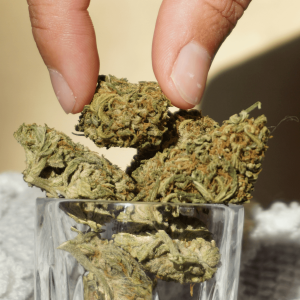
  • Format: dried cannabis flower
  • Label information: cannabinoid percentage, terpene information, cultivar name, and batch information may be provided
  • Additional consideration: products can vary between growers and batches

Vape cartridges

  • Format: cannabis extracts or concentrates formulated for vaporization
  • Label information: cannabinoid concentration, extract information, terpene profile, and batch information may be provided
  • Additional consideration: extract composition can vary between products

Edibles

  • Format: cannabis-infused food or other ingestible products
  • Label information: THC, CBD, serving information, ingredients, and total product content may be listed
  • Additional consideration: product labeling can differ between manufacturers and jurisdictions

Tinctures

  • Format: liquid cannabis products containing cannabinoids in a carrier
  • Label information: THC, CBD, total cannabinoid content, ingredients, and batch information may be provided
  • Additional consideration: formulations can vary between products

A Practical Cannabis Product Checklist

When comparing cannabis products, review:

  • Cannabinoids: What THC, CBD, and other cannabinoids are listed?
  • Terpenes: Which terpenes are identified?
  • Potency: What cannabinoid concentration is listed?
  • Product format: Flower, vape, edible, tincture, or another format?
  • Testing: Is laboratory or COA information available?
  • Batch information: Does the available testing correspond to the product?

Best Strains for Focus and Productivity: A Buyer’s Guide

Common Cannabis Strains and Their Product Profiles

Below are well-known cannabis strain names that commonly appear across cannabis products. Availability varies by location and brand, and products carrying the same strain name can differ in cannabinoid and terpene composition.

1) Jack Herer (sativa-leaning)

Why it’s here: classic “clear-headed” daytime strain with an upbeat edge.

Best for: emails, meetings, light creative work, getting started.

How to use it: microdose early. This one can get chatty and speedy if you overdo it.

Look for terps: pinene, terpinolene, limonene.

2) Durban Poison (sativa)

Why it’s here: often described as energetic, crisp, and motivating.

Best for: workouts, errands, cleaning, “I need to move” days.

How to use it: one or two pulls. Respect it.

Look for terps: terpinolene, pinene, limonene.

3) Sour Diesel (sativa-leaning)

Why it’s here: a punchy, iconic strain many people reach for when they want drive.

Best for: creative sprints, music, brainstorming, active tasks.

How to use it: microdose unless you enjoy your thoughts doing parkour.

Look for terps: limonene, caryophyllene, myrcene (varies), sometimes pinene.

4) Green Crack (often renamed “Green Cush”)

Why it’s here: yes, the name is ridiculous. Yes, it’s often a daytime favorite.

Best for: task mode, social productivity, “I have things to do” energy.

How to use it: keep it light. Too much can feel jittery for some.

Look for terps: limonene, pinene, myrcene (varies).

5) Super Lemon Haze (sativa-leaning)

Why it’s here: bright, upbeat, mood-forward. Great when motivation is the bottleneck.

Best for: content creation, brainstorming, light admin work.

How to use it: pair with a plan. Without a plan, you will just feel happy about doing nothing.

Look for terps: limonene, terpinolene, caryophyllene.

6) Tangie (sativa-leaning)

Why it’s here: citrus-heavy strains tend to be popular for daytime lift.

Best for: creative work, social tasks, “get into a good mood” days.

How to use it: microdose for clean focus.

Look for terps: limonene, myrcene (varies), pinene.

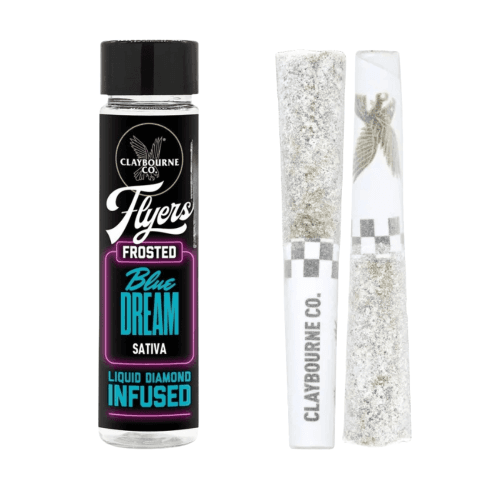
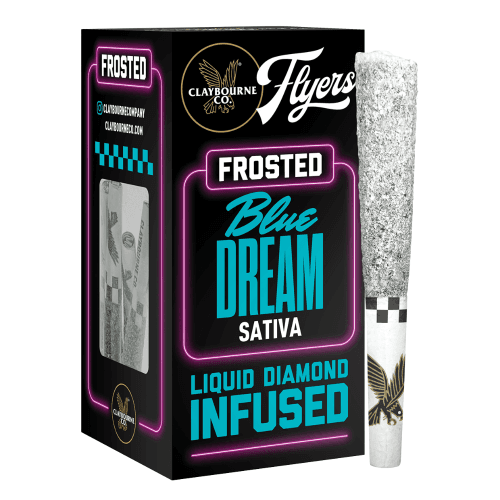
7) Blue Dream (hybrid, often sativa-leaning)

Why it’s here: the crowd-pleaser. Balanced, approachable, often functional.

Best for: long work sessions, mild creativity, chores with music.

How to use it: easy to overconsume because it feels smooth. Stay disciplined.

Look for terps: myrcene, pinene, caryophyllene (varies by grower).

8) Pineapple Express (hybrid, sativa-leaning)

Why it’s here: often gives uplift without the edgy speed of some sativas.

Best for: collaborative work, creative production, daytime errands.

How to use it: excellent “middle of the day” strain if you’re sensitive to anxiety.

Look for terps: limonene, caryophyllene, pinene.

9) Mimosa (hybrid, sativa-leaning)

Why it’s here: citrusy, upbeat, and commonly used as a “wake and make progress” strain.

Best for: morning routines, planning, light creative work.

How to use it: start tiny, especially if THC is high.

Look for terps: limonene, pinene, caryophyllene.

10) MAC (Miracle Alien Cookies) (hybrid)

Why it’s here: many people find MAC mentally engaging but not chaotic.

Best for: creative work, design, problem-solving, weekend projects.

How to use it: microdose first. At higher doses, it can lean hazy for some.

Look for terps: caryophyllene, limonene, myrcene (varies).

11) Gelato (hybrid)

Why it’s here: can be focused and mood-lifting in low doses, especially for people who dislike racy sativas.

Best for: deep work in short blocks, mellow productivity, evening “finish the task” sessions.

How to use it: microdose only. Standard doses often drift into relaxation.

Look for terps: caryophyllene, limonene, myrcene (often present).

12) GMO (Garlic Cookies) (hybrid, often indica-leaning)

Why it’s here: sounds like a productivity disaster, but in microdoses it can be intensely focus-y for certain people.

Best for: deep cleaning, repetitive tasks, “zone-in” activities.

How to use it: tiny doses. This strain can get heavy fast.

Look for terps: caryophyllene, myrcene, limonene (varies).

Cannabis Labels and Time-of-Day Marketing

Cannabis products are often marketed using terms such as “daytime,” “evening,” “energizing,” or “relaxing.” These descriptions are marketing language and should not be treated as guarantees of a particular effect.

When comparing products, review the actual cannabinoid and terpene information provided for the specific product.

Microdosing Playbook for Focus (Do This Exactly)

If you want the “productive cannabis” effect, stop winging it. Run a simple protocol.

  • Pick one strain
  • Pick one method (flower or vape for easiest control)
  • Take one small hit
  • Wait 10 to 15 minutes
  • Rate yourself (1 to 10) on: focus, anxiety, energy, and mental clarity
  • If focus improved and anxiety stayed stable: stop. Start your work.
  • If you feel nothing: take one more small hit.
  • If you feel worse: stop. Eat, hydrate, and save that strain for another context.

Do this for three sessions and you’ll learn more than any menu description will ever tell you.


Cannabis Labels and Time-of-Day Marketing

Cannabis products are often marketed using terms such as “daytime,” “evening,” “energizing,” or “relaxing.” These descriptions are marketing language and should not be treated as guarantees of a particular effect.

When comparing products, review the actual cannabinoid and terpene information provided for the specific product.

Understanding Individual Differences

Cannabis products can affect people differently. Factors such as product composition, cannabinoid concentration, individual sensitivity, previous experience, and other personal factors can contribute to differences in response.

Product labels and laboratory information can describe the product, but they cannot predict an individual's experience.

Why Cannabis Products Can Differ Between People

Cannabis products can produce different experiences for different people. A product marketed with terms such as “energizing” or “focus” should not be assumed to produce the same experience for every consumer.

Factors That Can Affect Individual Response

Individual responses may vary depending on cannabinoid concentration, product composition, personal sensitivity, previous experience, and other factors.

How to fix it

When comparing products, review the cannabinoid and terpene information and consider the manufacturer's labeling and available laboratory results.

What Information to Check on a Cannabis Product

When reviewing a cannabis product, useful information to ask about or check includes:

  • Cannabinoid content
  • Terpene profile
  • Product potency
  • Product format
  • Batch information
  • Available laboratory testing or COA

A Note on Availability: Same Strain Name, Different Experience

Two products carrying the same strain name can have different chemical profiles because of differences in:

  • harvest timing
  • curing
  • terpene preservation
  • cannabinoid percentages beyond THC
  • your own sleep, stress, hydration, and tolerance
  • growing conditions
  • genetics
  • producer or batch

For this reason, strain names are best treated as identifiers rather than guarantees of a standardized chemical profile. When available, check the specific product's cannabinoid, terpene, potency, and laboratory information.

If you are comparing products for informational purposes, useful product details to record include:

  • Strain or cultivar name
  • Brand or producer
  • Cannabinoid profile
  • Terpene profile
  • Product format
  • Batch information

Comparing Cannabis Products by Profile

Rather than assigning individual strains to specific productivity categories, compare products using their available cannabinoid, terpene, potency, and laboratory information.

The same cultivar can appear differently across growers and batches, so the individual product profile is more specific than the strain name alone.

Safety and “Don’t Be a Hero” Stuff (Yes, This Matters)

  • Do not drive or operate machinery while impaired.
  • Cannabis products with higher THC concentrations can produce stronger effects, and individual responses can vary.

If you take medications or have questions about potential interactions or health risks, speak with a qualified healthcare professional. This article is for general educational purposes and is not medical advice.


Best Strains for Focus and Productivity: A Buyer’s Guide

Wrap Up: How to Understand Cannabis Strains and Product Profiles

There is no single strain name or product label that provides a complete picture of cannabis composition. A better way to understand a product is to look at its cannabinoid profile, terpene profile, potency, format, and available laboratory information.

  • Check the cannabinoid profile.
  • Review the terpene profile when available.
  • Look at the stated potency.
  • Consider the product format.
  • Review available laboratory or COA information.

The goal of reading a cannabis label is to understand what information is actually provided about the product rather than relying only on strain names or marketing descriptions.

For additional information, consider reviewing reliable educational resources about cannabis cannabinoids, terpenes, product labeling, and laboratory testing.

Now go do the thing.

FAQ

Jenna Renz

Jenna is a California-based creative copywriter who’s been lucky enough to have worked with a diverse range of clients before settling into the cannabis industry to explore her two greatest passions: writing and weed.

  • Social media icon

Related Blogs

High-Dose vs Microdose Edibles: Which Is Right for You?

High-Dose vs Microdose Edibles: Which Is Right for You?

Walk through the edibles section and the milligram counts can be all over the map. One gummy is 2.5 mg, the next is 10 mg, and some packages are built for people with a lot more experience than most. For a beginner, that spread raises a fair question: is a tiny dose worth taking, and who actually needs a high-dose edible?

8 Min Oct 06, 2026Jenna Renz

Single Pre-Roll vs Pre-Roll Pack: When to Buy Each

Single Pre-Roll vs Pre-Roll Pack: When to Buy Each

Open the pre-roll section and you'll notice the same strain sold two ways: one joint on its own, or a pack with several. The pack looks like the better deal, and sometimes it is. But sometimes the single is the smarter buy, and a pack can quietly turn into a drawer full of joints that dry out before you finish them.

8 Min Oct 06, 2026Jenna Renz