
Durban Poison Strain
Durban Poison products near you
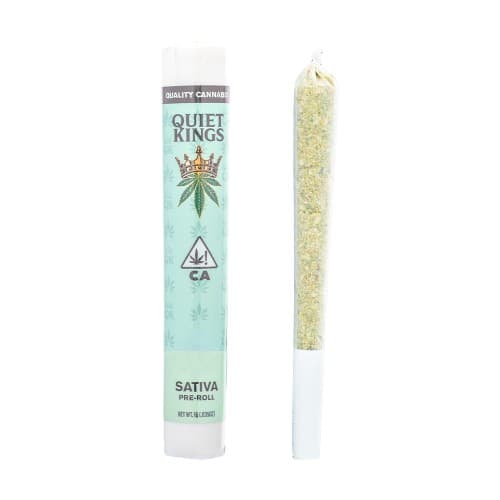
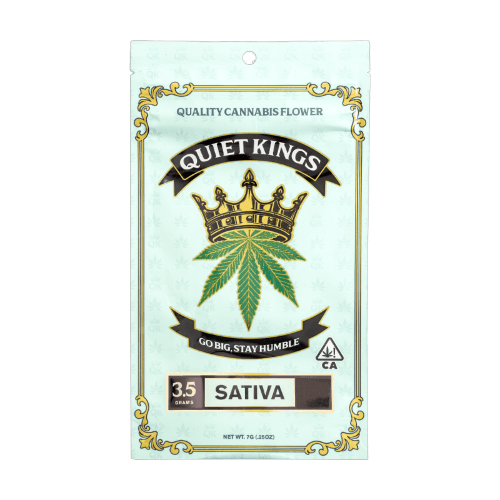
The Durban Poison strain is not just another option on the dispensary shelf — it is a living piece of cannabis history. One of the world's few remaining pure sativa varieties, this South African landrace strain has remained virtually unchanged for centuries, shaped by the subtropical climate of KwaZulu-Natal rather than by human breeding programs.
Cannabis pioneer Ed Rosenthal brought Durban Poison seeds to the United States in the late 1970s, and its genetics went on to parent iconic cultivars like Cherry Pie and Girl Scout Cookies. With THC levels of 15-25%, espresso-like energizing effects, and one of the most unique terpene profiles in cannabis, Durban Poison remains a must-try for anyone who values authenticity and heritage.
Recommended Products
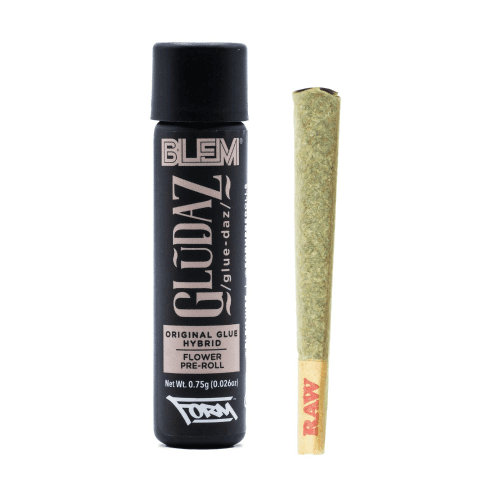
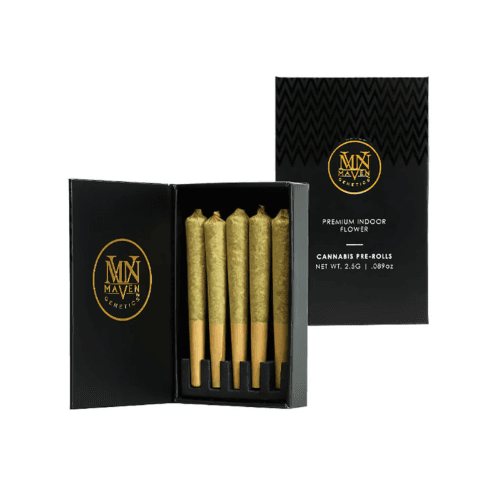
Top Reported Effects
No effects information available
Top Reported Flavors
No flavors information available
Durban Poison Strain
Related Strains
Genetics and Origin
Unlike virtually every other popular strain on the market, the Durban Poison strain has no hybrid lineage—no parent cross, no breeder remix. It is a pure sativa landrace strain that evolved naturally over centuries in the hills surrounding the port city of Durban, South Africa.
The region’s subtropical climate, with warm summers and moderate rainfall, shaped Durban Poison’s fast-flowering cycle, towering growth structure, and resilient genetics. Ed Rosenthal obtained seeds from South African growers at an Amsterdam coffee shop in the late 1970s, then collaborated with botanist Mel Frank to stabilize the cultivar for American growing conditions.
From there, Durban Poison’s genetics became a cornerstone of California’s cannabis revolution—directly fathering Cherry Pie (Durban Poison x Granddaddy Purple) and contributing to the OG Kush and Cookies family trees that dominate dispensary shelves today.
Appearance, Aroma, and Flavor
Durban Poison's appearance screams sativa: tall, elongated colas with round, chunky buds coated in an unusually thick layer of oversized trichomes—a trait that makes it a favorite for concentrate extraction.
The buds feature deep emerald-green leaves with bright orange pistils weaving throughout. The aroma is where Durban Poison truly shines. A terpinolene-driven profile delivers a distinctive sweet and spicy scent—think licorice layered over fresh pine, with bright citrus top notes and earthy undertones.
On the inhale, expect a smooth, sweet flavor with herbaceous complexity; the exhale reveals a peppery, slightly woody finish courtesy of its caryophyllene content.
The combination of limonene citrus brightness and piney depth creates a flavor profile that is unmistakably Durban—ancient, complex, and thoroughly memorable.
Terpene Profile
The Durban Poison strain stands out in the cannabis world for having a terpinolene-dominant terpene profile—something found in fewer than 10% of commercial cannabis strains. This rare terpene arrangement is central to Durban Poison’s uniquely energizing effects. The dominant terpenes include: Terpinolene (dominant): The lead terpene, responsible for Durban Poison’s sweet, herbal, and slightly piney aroma. Terpinolene is associated with uplifting, cerebral stimulation and is also found in nutmeg, cumin, and lilacs. Its dominance here is what makes Durban Poison smell and feel fundamentally different from myrcene-heavy strains.
Myrcene: Present in moderate amounts, myrcene provides earthy, musky depth. Despite its typical association with sedation, it is counterbalanced here by terpinolene and ocimene, keeping the experience alert and functional. Ocimene: A sweet, herbaceous monoterpene that adds tropical and floral brightness. Ocimene also has potential anti-inflammatory properties and contributes to the invigorating overall character.
Supporting terpenes: Pinene adds sharp pine freshness and may promote alertness, while humulene contributes subtle earthy, hoppy bitterness.
Together, these compounds create a terpene signature unlike any hybrid through the entourage effect.
Effects and Experience
The Durban Poison strain delivers energizing effects that cannabis consumers frequently compare to a shot of espresso. As a pure sativa, its onset is immediate and almost entirely cerebral—a rush of euphoria, mental clarity, and creative energy that cuts through brain fog and propels productivity.
Users consistently report heightened focus, increased motivation, and a talkative, sociable mood that makes Durban Poison ideal for wake-and-bake sessions, creative projects, gym workouts, and social gatherings. One of Durban Poison’s most unusual characteristics is its elevated THCv (tetrahydrocannabivarin) content.
Unlike standard THC, THCv is associated with appetite suppression rather than stimulation—meaning Durban Poison is one of the rare strains that does not trigger the munchies. The high is potent but remarkably clear-headed, with virtually no body heaviness or couch-lock. Duration is moderate, typically 2–3 hours, with a smooth, gradual comedown.
Medical Applications
Medical cannabis patients commonly turn to Durban Poison for conditions where focus and energy are priorities rather than sedation. Its uplifting, clear-headed effects are commonly associated with temporary relief from symptoms of depression, fatigue, and ADHD-related attention difficulties.
The cerebral stimulation may help manage stress and low mood without the drowsiness that indica-dominant strains can produce. The elevated THCv content makes Durban Poison uniquely interesting for patients exploring appetite management and weight-related goals—a rarity among cannabis strains that typically increase hunger.
Chronic pain patients who need to stay functional during the day also gravitate toward this cultivar, as its terpinolene-pinene stack may offer discomfort relief while maintaining alertness. Users sensitive to anxiety should start with low doses, as high-THC sativas can occasionally trigger racing thoughts at higher consumption levels. Always consult a healthcare professional before using cannabis medicinally.
Cannabinoid Content
The Durban Poison strain delivers a potent cannabinoid profile befitting its pure sativa heritage. THC content typically ranges from 15-25%, with top-shelf phenotypes pushing toward the upper end.
CBD levels are minimal—usually below 0.1%—which means the psychoactive experience is primarily THC-driven. What sets Durban Poison apart is its notable CBG presence (approximately 1%) and its elevated THCv content, a rare cannabinoid that contributes to the strain’s uniquely stimulating, appetite-suppressing character.
Percentages vary by batch and cultivator; always verify with a certificate of analysis (COA).
Similar Strains
If Durban Poison’s energizing effects and heritage appeal to you, these strains share overlapping genetics or a similar sativa-forward profile:
Jack Herer: Another terpinolene-dominant sativa legend, Jack Herer blends Haze, Northern Lights #5, and Shiva Skunk for a similarly uplifting, focus-enhancing cerebral experience with slightly more physical relaxation.
Sour Diesel: A sativa-dominant hybrid prized for its rocket-fuel energy and creative stimulation. Sour Diesel’s diesel-citrus aroma and fast-acting cerebral rush appeal to the same daytime consumers who love Durban Poison.
Super Lemon Haze: A two-time Cannabis Cup winner with bright citrus terpenes and an energetic, happy high. Its Haze lineage gives it a similarly cerebral, productivity-boosting character.
Tangie: A modern sativa with California Orange and Skunk lineage, Tangie delivers a tangerine-forward flavor and euphoric uplift that complements Durban Poison’s sweet-citrus profile.
Conclusion
In a cannabis landscape dominated by hybrids and designer crosses, Durban Poison stands alone—a pure, unaltered sativa landrace that has survived centuries of natural selection and decades of modern breeding trends without compromise.
Its espresso-like energy, unique THCv content, terpinolene-driven aroma, and unmatched genetic legacy make it an essential experience for anyone serious about understanding cannabis.
Whether you are chasing creative inspiration, daytime productivity, or simply want to taste a piece of cannabis history from the southern coast of Africa, there is no substitute. Explore the full HyperWolf strain collection and add the Durban Poison strain to your next delivery order.
Frequently Asked Questions
Is Durban Poison indica or sativa?
Durban Poison is a 100% pure sativa — one of the few remaining landrace strains in commercial cannabis. Unlike most strains on dispensary shelves which are hybrids, Durban Poison’s genetics were shaped entirely by natural evolution in South Africa, not by intentional crossbreeding.
How strong is the Durban Poison strain?
The Durban Poison strain has moderate-to-high potency, with THC levels typically ranging from 15-25%. Its elevated THCv content adds a uniquely stimulating dimension that can make the experience feel more potent and clear-headed than its THC percentage alone suggests.
What does Durban Poison taste like?
Durban Poison offers a distinctive sweet and spicy flavor profile dominated by licorice, fresh pine, and bright citrus notes. Earthy undertones and a peppery exhale round out the complex flavor — instantly recognizable and unlike any hybrid strain.
Does Durban Poison give you the munchies?
Unlike most cannabis strains, Durban Poison typically does not increase appetite. Its elevated THCv content is associated with appetite suppression rather than stimulation, making it a popular choice for consumers who want to avoid the munchies.
What strains came from Durban Poison?
Durban Poison is a genetic ancestor of many modern favorites including Cherry Pie (Durban Poison x Granddaddy Purple), Girl Scout Cookies (Durban Poison x OG Kush), and by extension the entire Cookies family — Gelato, Sunset Sherbet, Wedding Cake, and dozens more.
Is Durban Poison good for daytime use?
Durban Poison is widely considered one of the best daytime strains available. Its energizing, clear-headed effects promote focus, creativity, and productivity without sedation or couch-lock — many consumers compare the experience to drinking a strong espresso.