Camphene Terpene
Recommended Products
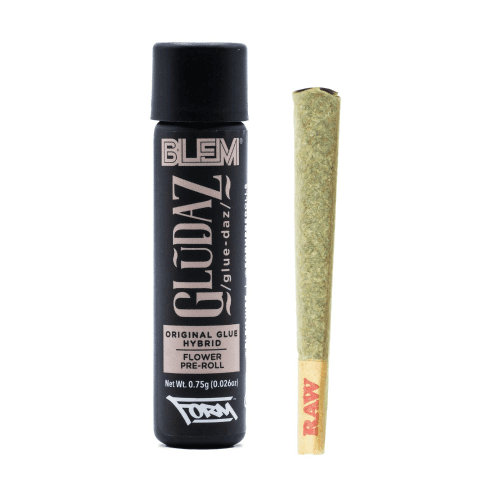
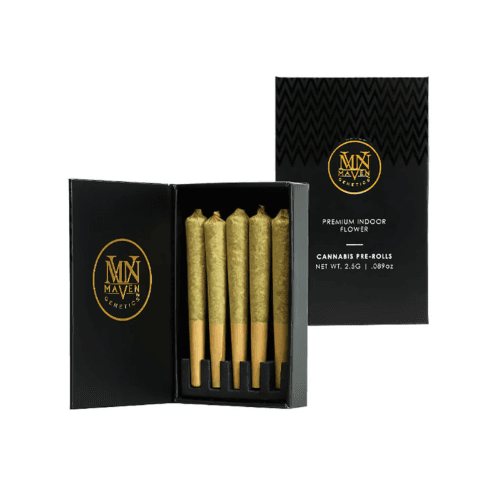
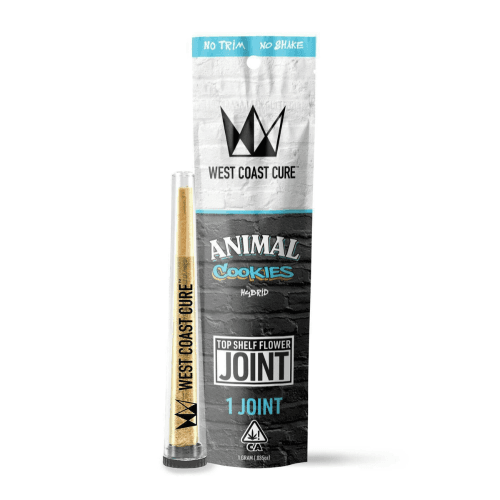
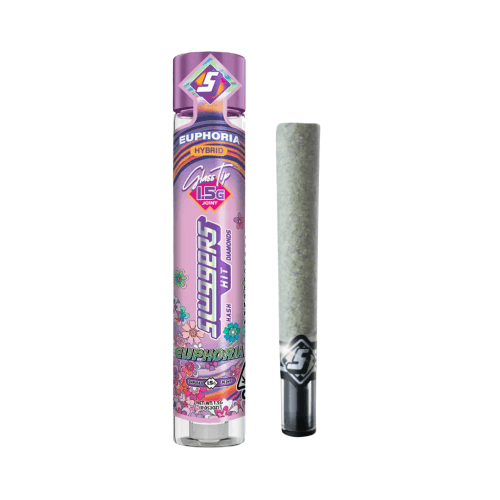
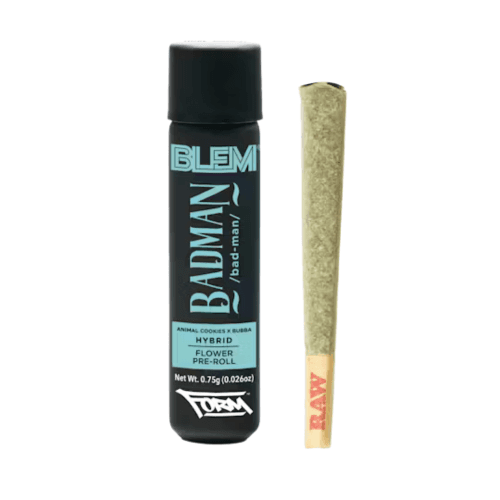
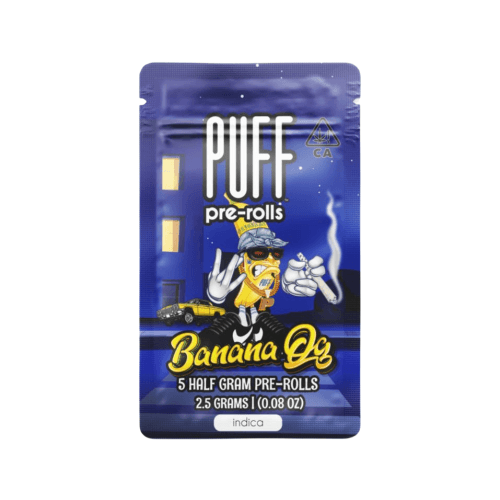
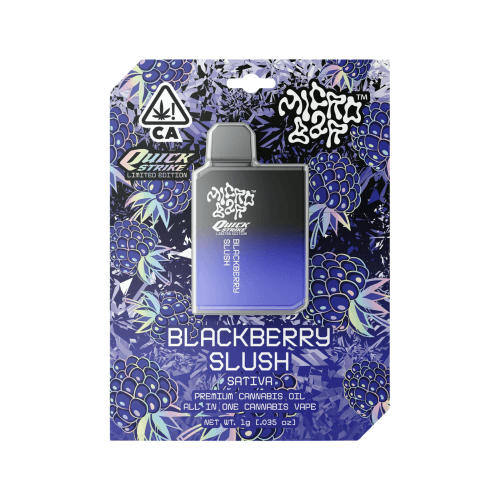
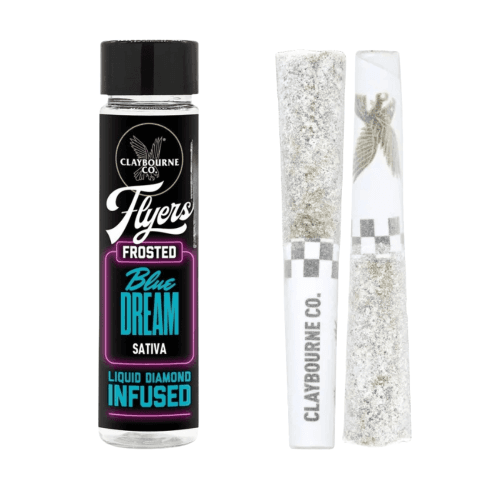



Here's a weird one: back in the 1800s, before people had electric light or even reliable kerosene, a lot of American households lit their homes with something called "camphene lamps." That fuel was literally distilled from this exact terpene. Fast forward a couple centuries, and camphene's day job has changed completely — now it's a quiet little contributor hiding out in your cannabis strain, doing its part to shape the smell and feel of your favorite flower.
Camphene is a monoterpene with a damp, woodsy aroma similar to pine needles and fir trees, sometimes compared to musky camphor. Found in cannabis, rosemary, and conifer trees, it's recognized for its earthy scent and possible antioxidant properties.
It's not a terpene that gets a lot of hype, honestly. It usually shows up in smaller amounts, tucked in behind bigger, louder terpenes. But once you know what to smell for, you'll start noticing it — and once you learn a little about what it might actually do, you'll probably start paying more attention to it too.
Where Does the Name Even Come From?
Camphene gets its name because of how closely it's related to camphor — that sharp, medicinal smell you probably associate with chest rubs or old-school mothballs. Chemically, it's a bicyclic monoterpene, meaning its molecular structure has two connected carbon rings. That double-ring setup is part of what gives it a slightly heavier, more grounded scent compared to simpler, single-ring terpenes.
You'll find camphene well beyond the cannabis plant. It shows up naturally in rosemary, sage, ginger, cypress, fir needles, and a handful of other aromatic plants. If you've ever caught a whiff of a fresh Christmas tree lot or a rosemary bush after rain, you've smelled something in the same aromatic family as camphene.
The Lamp Fuel Era
This is genuinely one of the more unexpected chapters in terpene history. In the early-to-mid 1800s, camphene was distilled from turpentine and used as a cheap, bright-burning lamp fuel — often mixed with alcohol into a blend nicknamed "burning fluid." For a while, it was one of the most popular home lighting fuels in America, right up until people realized it was also extremely flammable and prone to exploding, which is a pretty significant downside for something you're supposed to keep lit in your living room.
Eventually kerosene came along, burned more safely, and camphene lamps quietly faded into history. It's a strange footnote for a compound that today just shows up as a background note in your pre-roll, but it's a good reminder that these plant compounds have had entire other lives outside of cannabis.
What Role Does Camphene Play in Cannabis?
Cannabis plants produce camphene in relatively small concentrations most of the time, usually playing a supporting role rather than headlining a strain's aroma. Like other terpenes, it's thought to be part of the plant's natural chemical toolkit — helping fend off pests, resist environmental stress, and generally survive in the wild before cultivation ever entered the picture.
What Does It Smell Like?
Camphene brings a damp, earthy, slightly musky aroma to the table — imagine a pine forest right after a heavy rain, with a faint mineral edge underneath. It shares some DNA with pinene in that both lean "outdoorsy," but where pinene smells crisp and fresh like a freshly cut Christmas tree, camphene feels heavier and damper, more like wet bark than fresh needles.
It's also worth comparing to myrcene, which brings its own earthy, musky character but leans more toward ripe fruit and cannabis's classic "skunky" smell. Camphene skips the fruitiness entirely and stays firmly in damp-forest territory. If you've ever wondered why some strains smell more like a hike through the woods than a bowl of fruit, camphene is often part of that equation.
Does Camphene Do Anything Besides Smell Good?
This is where things get genuinely interesting. Camphene is generally associated with mild antioxidant and antimicrobial properties, meaning it may help neutralize unstable molecules that can damage cells over time. Some early animal studies have also looked at camphene's potential relationship to cholesterol and triglyceride levels, with a few researchers curious whether it could support healthier lipid metabolism — though this research is still very early-stage and hasn't been confirmed in humans specifically related to cannabis use.
On the experiential side, camphene tends to show up in strains that lean earthy and grounding rather than energizing. It doesn't have the reputation of being a big "effect driver" on its own — it's more of a supporting character that adds depth to a strain's overall profile. If you're curious how all these individual terpenes actually add up to an experience, this guide to cannabis terpenes breaks down the bigger picture nicely.
Breaking Down the Chemistry
For the science-curious folks: camphene's molecular formula is C10H16, with a molecular weight of about 136.23 g/mol. That makes it a fairly light, simple monoterpene — smaller than heavier terpenes like humulene or caryophyllene, but built from the same basic isoprene building blocks found across the whole terpene family.
Because it's a relatively small, volatile molecule, camphene evaporates fairly easily, which is part of why it was historically useful as a lamp fuel component — it burns readily. In cannabis, that same volatility means its aroma can fade a bit faster than heavier terpenes if flower isn't stored properly, which is one more reason airtight storage matters if you want your terpene profile to stay intact.
How Camphene Gets Extracted and Used
Camphene is typically pulled from plant material using steam distillation or CO2 extraction, the same general methods used for most cannabis terpenes. Steam distillation uses heat and water vapor to gently separate the terpene from the surrounding plant matter, while CO2 extraction relies on pressurized carbon dioxide for a cleaner, more controlled result.
Once extracted, camphene often gets folded into full-spectrum products where the goal is preserving as much of the plant's natural terpene profile as possible — things like live resin, full-spectrum tinctures, or terpene-rich vape products. It's rarely the terpene a brand is showcasing front and center on the label, but connoisseurs who know their terpene profiles will sometimes seek out camphene-forward strains specifically for that damp-forest character.
Camphene and the Entourage Effect
Cannabis compounds rarely act alone, and camphene is no exception. The idea that terpenes and cannabinoids work better together than separately has a name — the entourage effect — and camphene plays its part alongside cannabinoids like THC and CBD, even if its individual contribution is subtle.
Some researchers believe minor terpenes like camphene may help "round out" a strain's overall character, contributing to the layered, complex feeling that full-spectrum products often get praised for compared to isolated, terpene-stripped extracts. If you're the type who wants your cannabis to feel like more than just "THC delivery," minor terpenes like this one are a big part of why full-spectrum products taste and feel more dynamic.
Camphene vs. Other Earthy Terpenes
- Camphene — damp, woodsy, musky, grounding
- Pinene — crisp, fresh, sharp pine
- Myrcene — earthy, musky, fruity undertones, often sedating
- Humulene — hoppy, woody, slightly spicy
If earthy, forest-like terpenes are your thing, it's worth also getting familiar with humulene, which shares some of that same grounded, outdoorsy quality but brings its own spicier twist to the table.
Camphene Outside the Cannabis World
Since camphene shows up in rosemary, sage, ginger, and conifer trees, it's also quietly present in a lot of everyday products that have nothing to do with cannabis. It's used in some fragrance blends, cleaning products, and even certain food flavorings in very small, regulated amounts. Historically, it was also a building block in synthetic camphor production, which explains the name similarity and the shared woodsy-medicinal vibe.
This crossover into everyday products is honestly a good reminder of just how common terpenes are in general — they're not some exotic cannabis-only chemistry, they're everywhere in the plant world, doing similar jobs across totally different species.
Where You'll Find Camphene at Hyperwolf
Camphene usually shows up as a supporting terpene in earthy, woodsy strains rather than being the star of the show. You'll most often spot it in full-spectrum flower, live resin products, and terpene-rich concentrates where preserving the plant's natural chemistry is the whole point.
If you're the kind of person who wants a grounded, forest-adjacent smoke session rather than something bright and citrusy, keep an eye out for strains that mention camphene or pair it with pinene and humulene on their lab results. Ready to explore? You can check weed delivery options near you and get a camphene-forward pick delivered straight to your door. First time ordering online? This guide to buying weed online in California walks you through the whole process so there's no guesswork.
A Few Safety Notes
- Camphene is generally considered safe in the naturally occurring amounts found in cannabis and food products.
- If you're using a concentrated terpene product, start small and see how your body responds before using more.
- If you're pregnant, nursing, managing a health condition, or taking medication, check with a healthcare provider before trying new cannabis or terpene-forward products.
- Store your flower in an airtight container away from heat and light — camphene's light, volatile nature means it can fade faster than heavier terpenes if it's not stored well.
Let's Clear Up a Myth
A lot of people assume every terpene in cannabis is unique to cannabis, and camphene is a great example of why that's not true. It's genuinely more associated with rosemary, ginger, and conifer trees than with weed specifically — cannabis is just one more place a naturally common plant compound happens to show up. Another common misconception is that "minor terpene" means "unimportant terpene." In reality, minor terpenes like camphene are often exactly what gives a strain its depth and complexity, even when they're not getting top billing.
The Takeaway
Camphene might not be the flashiest terpene on the shelf, but it's got one of the more interesting backstories in the whole cannabis terpene lineup — from 19th-century lamp fuel to a quiet contributor in your favorite earthy strain. It brings a damp, woodsy depth to whatever it's paired with, and its possible antioxidant properties make it one more reason full-spectrum products are worth exploring over stripped-down extracts.
Want the bigger picture on how terpenes like camphene actually shape your experience? Check out our full terpenes 101 guide, then browse Hyperwolf's shop to find a camphene-rich strain worth trying for yourself.
Frequently Asked Questions
What does camphene smell like?
Camphene has a damp, earthy, woodsy aroma similar to a pine forest after rain, with a faint musky, camphor-like undertone. It's heavier and more grounded than sharper, fresher pine scents.
Is camphene the same as camphor?
No, camphene and camphor are related but different compounds — camphene actually gets its name because it was historically used to help produce synthetic camphor. They share some aromatic similarities but aren't identical.
What effects does camphene have?
Camphene is generally associated with mild antioxidant and antimicrobial properties, and it tends to show up in earthy, grounding strains rather than energizing ones. Research on its specific effects in cannabis is still developing.
Is camphene only found in cannabis?
Not at all — camphene is actually more commonly associated with rosemary, sage, ginger, and conifer trees like fir and cypress. Cannabis is just one of many plants that happen to contain it.
Was camphene really used as lamp fuel?
Yes, in the early-to-mid 1800s, camphene was distilled and used as a popular home lighting fuel in America, often blended with alcohol into a mixture called "burning fluid." It eventually fell out of favor due to safety concerns and was replaced by kerosene.
Does camphene get you high?
No, camphene is a terpene, not a cannabinoid, so it doesn't produce a high on its own. It may influence how THC and CBD feel through the entourage effect, but it isn't intoxicating by itself.
How fast can I get camphene-rich products delivered in California?
Hyperwolf typically delivers in as little as 60 minutes across our Southern California service area, with free delivery available on orders over $40.
Is Hyperwolf a licensed and legitimate delivery service?
Yes, Hyperwolf is a fully licensed California cannabis delivery service operating under C.A. License #C12-0000103, with every product quality-checked before it reaches your door.