
What Is HHC-P?
Recommended Products
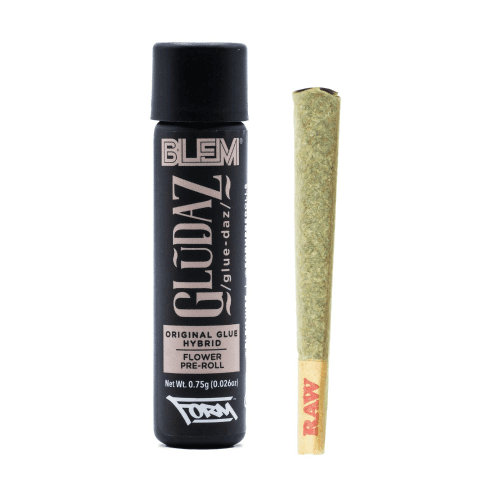
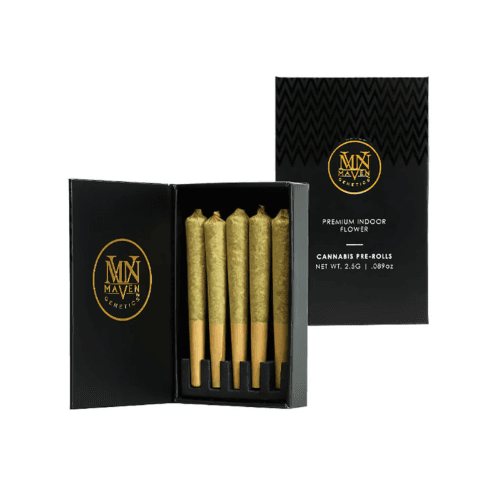
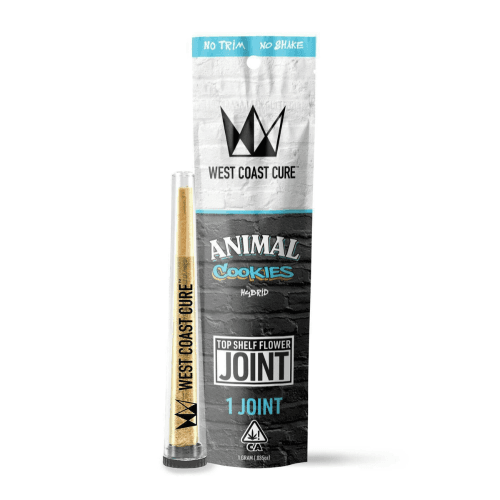
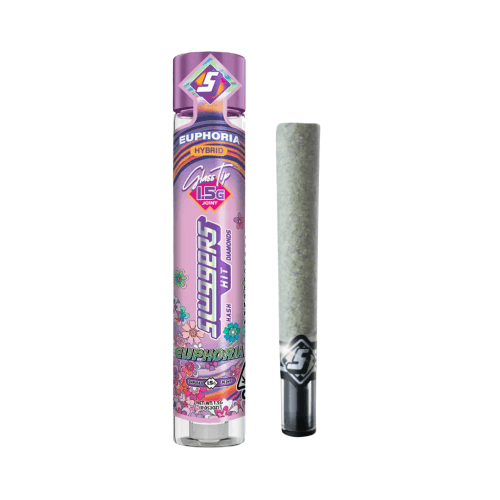
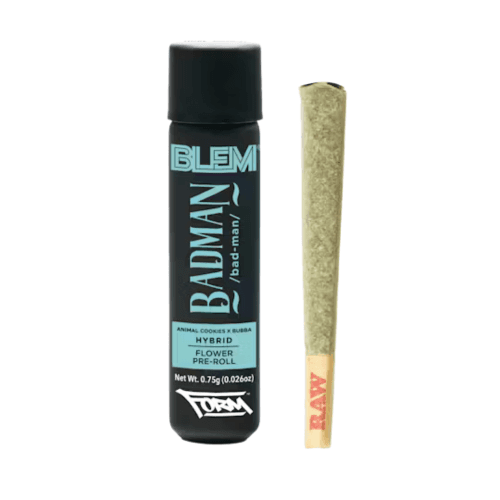
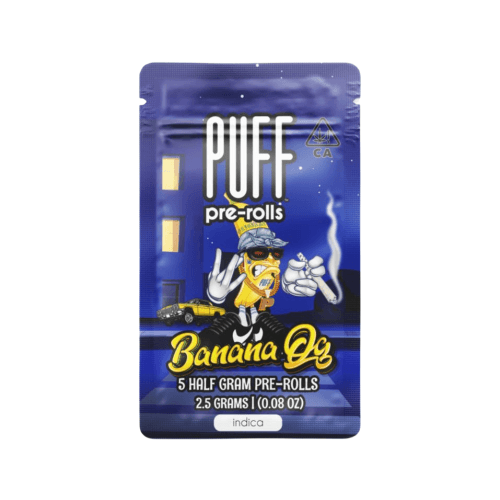
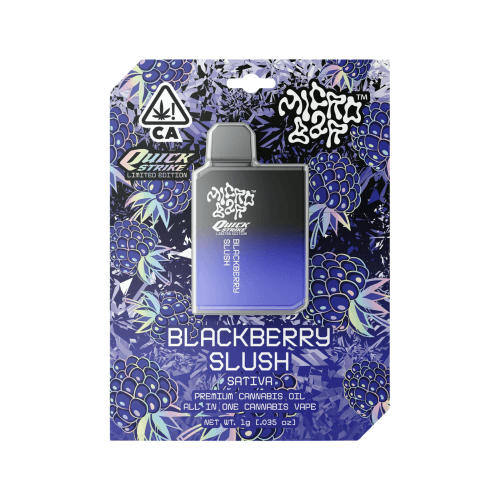
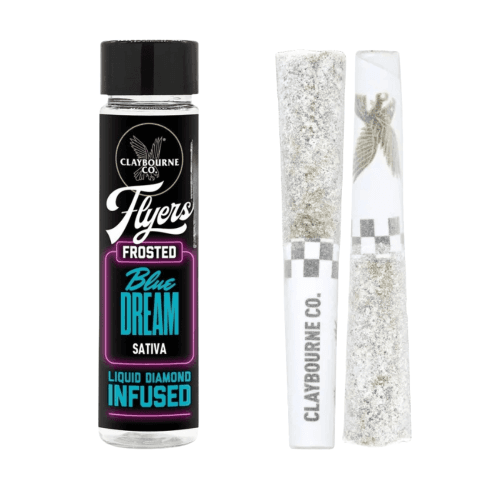
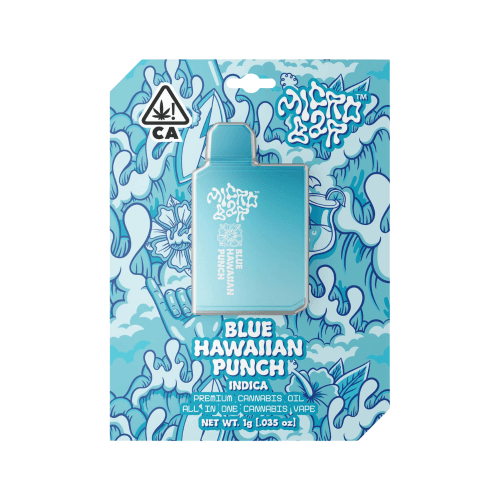
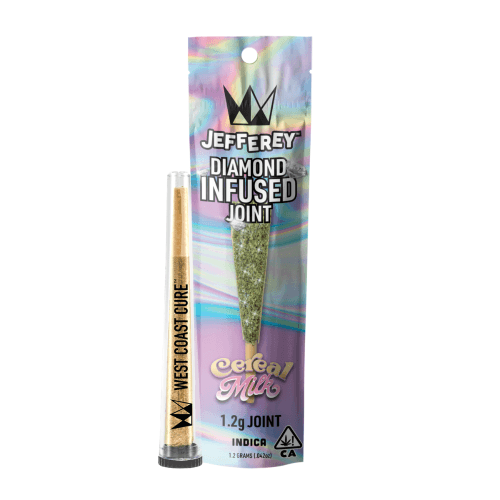
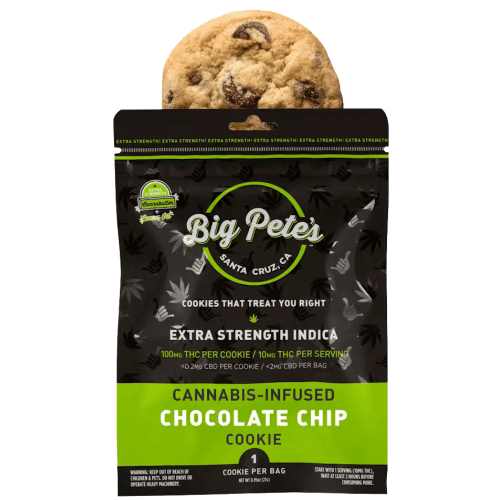

Cannabinoids continue to expand in popularity as new cannabinoids emerge from ongoing research into the cannabis plant. One recently discovered cannabinoid creating buzz is HHC-P (Hexahydrocannabinol P), a minor cannabinoid known for its unique chemical structure and remarkable potency.
Understanding HHC-P: Origins and Chemical Nature
HHC-P is an analogue derivative of hexahydrocannabinol (HHC), itself a hydrogenated form of tetrahydrocannabinol (THC). Unlike some cannabinoids that occur naturally, HHC-P is a synthetic cannabinoid produced by modifying the chemical structure of HHC. This involves adding hydrogen and extending the alkyl chain, which enhances its potency and changes how it interacts with the endocannabinoid system.
Its distinct chemical structure gives HHC-P a stronger binding affinity to the cb1 and cb2 receptors—key cannabinoid receptors in the human body—compared to both HHC and delta 9 THC. This translates into a more powerful, longer-lasting psychoactive experience.
How Does HHC-P Work?
HHC-P works by interacting with the cb1 and cb2 receptors of the endocannabinoid system, which regulates mood, pain, appetite, and sleep. Thanks to its longer alkyl chain, HHC-P binds more effectively than many other cannabinoids, producing a robust psychoactive effect with a longer duration than standard HHC or THC.
Compared to hhc products, HHC-P offers a stronger, smoother high that some users describe as more manageable with fewer possible side effects like dry mouth, anxiety, redness, or paranoia.
HHC-P Compared to Other Cannabinoids
- HHC vs HHC-P: Both share the base compound hexahydrocannabinol, but HHC-P’s chemical modifications make it more potent and stable. While both produce psychoactive effects, HHC-P’s effects often last several hours and may be more intense.
- HHC-P vs THC (tetrahydrocannabinol): HHC-P provides a psychoactive effect similar to THC but with a different balance—potentially less overwhelming and smoother. It may offer the euphoria of THC with reduced risk of paranoia or anxiety.
- HHC-P vs CBD: Unlike CBD, which is non-psychoactive and primarily therapeutic, HHC-P produces noticeable psychoactive effects, placing it between CBD and THC in terms of potency and experience.
Effects, Benefits, and Risks of HHC-P
Users report several benefits from hhc p products, including:
- Relaxation and mood elevation without heavy sedation
- Relief from stress and anxiety in some cases
- Possible pain relief due to effects on inflammation and pain receptors
- Improvement in sleep quality for some individuals
While promising, scientific research on HHC-P is still in early stages. Potential side effects may include dry mouth, redness, anxiety, and mild dizziness. Because HHC-P is a potent cannabinoid, users should start with a low dose to assess tolerance.
Safety, Drug Testing, and Legal Considerations
As a synthetic cannabinoid related to THC and other cannabinoids, HHC-P may trigger positive results on drug testing. Its classification as a related substance or derivative of narcotic drugs varies globally.
The legal status of HHC-P is evolving. In many places, it is considered a hemp-derived compound if extracted or synthesized from hemp plants containing less than 0.3% delta 9 THC, falling under frameworks like the 2018 Farm Bill in the U.S. However, regulations differ by jurisdiction, and bodies like the European Monitoring Centre continue to monitor and evaluate these new substances.
How to Consume HHC-P
HHC-P is available in various cannabis products including:
- HHC P flowers for smoking or vaporizing
- Vape cartridges and vape foams for rapid onset
- Edibles and tinctures for longer-lasting effects
Because of its potency, following manufacturer’s recommendations and starting with small amounts is crucial to reduce possible side effects and risks.
Conclusion
HHC-P is a powerful and potent new cannabinoid derived from the cannabis plant, notable for its unique chemical structure and strong effects on the endocannabinoid system via cb1 and cb2 receptors. Though promising in its psychoactive properties and potential benefits, the lack of extensive scientific research and evolving legal status mean consumers should proceed cautiously, respecting dosage and legal restrictions.
With further study and regulation, HHC-P could become a significant player in the expanding world of cannabinoids and cannabis products.