Live Resin vs Distillate Carts: Which Vape Is Actually Worth It?

Show Quick Read

Summary is AI-generated, newsroom-reviewed

Live resin vs distillate carts is the comparison you should make before you impulse-buy the cheapest 1g cartridge and then wonder why it tastes like lemon-scented floor cleaner.

Both cart types can get you lifted. Both can be high quality. And both can be wildly disappointing if you don’t know what you’re buying. The real difference comes down to one thing: what’s inside the oil, and what that oil is designed to do.

This guide breaks it down in plain English. You’ll learn potency vs entourage effect, flavor and terp profiles, the real price delta, and how to read a COA like a person who does not enjoy being scammed.


The 10-second answer (for people with a cart in their hand right now)

  • Choose distillate carts if you want maximum THC per dollar, lighter flavor, and predictable effects.
  • Choose live resin carts if you want better flavor, a more “full” high, and cannabis-derived terpenes that actually taste like the strain on the label.

Now let’s get specific.


Live Resin vs Distillate Carts: Which Vape Is Actually Worth It?


What is a distillate cart, really?

A distillate cart is made with THC distillate, which is cannabis oil that has been refined to isolate cannabinoids, usually aiming for very high THC.

Distillate is typically:

  • High potency (often the highest THC numbers on the menu)
  • Low in natural terpenes after refinement
  • Flavored by adding terpenes back in (either cannabis-derived or botanical)

The upside is obvious: it’s efficient. It’s strong. It’s consistent. It’s also why distillate is the default oil in a lot of value carts.

The downside is also obvious once you’ve tried a great live resin cart: many distillate carts feel a bit… one-note. Not bad. Just simpler.

If you want to browse this category, start here: Distillate vape carts.


What is a live resin cart?

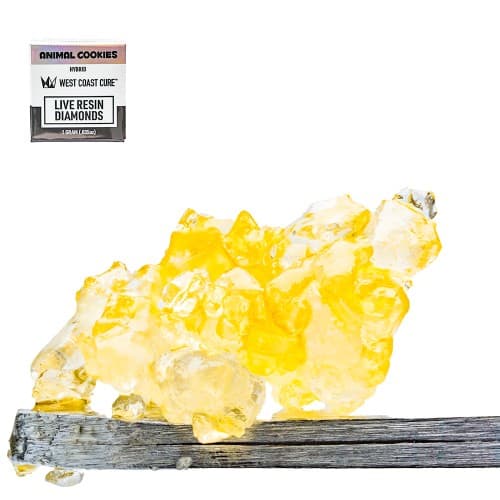
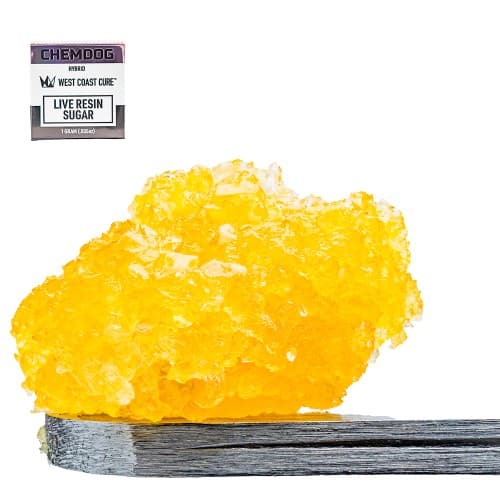
A live resin cart uses live resin oil, which is made from cannabis that’s typically fresh-frozen soon after harvest. The goal is to preserve the plant’s natural terpene profile and minor compounds that get lost during heavier refinement.

Live resin is typically:

  • Lower THC than distillate on paper (often, not always)
  • Higher in terpenes and strain-specific flavor
  • More likely to deliver a “whole plant” feel people describe as fuller or more nuanced

If distillate is a vodka shot, live resin is a craft cocktail made by someone who takes their job too seriously. In a good way.

Want to shop this style? Go here: Live resin vape carts.


Potency vs entourage effect: why “higher THC” isn’t always “better”

Let’s talk about the most common trap: buying purely by THC percentage.

Yes, distillate carts often test higher in THC. That can mean stronger effects, especially for people who respond primarily to THC.

But many consumers prefer live resin for the entourage effect, which is the idea that cannabinoids and terpenes can work together to shape the experience. In real-world terms, that means:

  • The high may feel more layered
  • Strain differences may feel more distinct
  • The experience can feel more balanced rather than just “THC, but louder”

Here’s the key:

Distillate can hit harder. Live resin can hit smarter.

And sometimes smarter feels stronger, even when the THC number is lower.


Flavor and terpenes: the part your taste buds care about

If you care about taste, live resin usually wins. Not because distillate can’t taste good, but because live resin is built to preserve what distillate strips out.

Distillate flavor

Distillate itself is often pretty neutral. So companies add terpenes back in. That can be:

Some botanical blends are delicious. Some taste like a vape shop air freshener had a bad day.

Live resin flavor

Live resin tends to taste:

  • More “weed-like” in the best way
  • More strain-true
  • More aromatic, more pungent, more complex

If you’re the type of person who actually chooses strains based on terp profiles (or at least pretends to), live resin is your lane.

Also worth exploring: High terpene extracts and [Concentrates](#) if you want to go beyond carts.


Price delta: why live resin costs more (and when it’s worth it)

Expect live resin carts to cost roughly 20–40% more than comparable distillate carts. That’s not a random markup. It’s usually driven by:

  • More demanding extraction and handling (fresh frozen input is not cheap)
  • Lower yield compared to distillate production
  • Higher terpene content and a more premium positioning overall

So is live resin “worth it”?

Answer these two questions:

  • Do you care about flavor and strain character?
  • Do you want effects that feel more rounded than straight THC punch?

If yes, live resin is often worth the extra spend. If you just want strong, clean, and cost-effective, distillate is doing its job.


Effects: what you’ll actually feel (in normal human language)

Effects vary by strain, batch, and your body. But broadly:

Distillate effects tend to feel like:

  • Faster, sharper onset
  • Strong THC-forward buzz
  • More consistent from cart to cart
  • Less “strain personality” unless CDT terps are used well

Live resin effects tend to feel like:

  • More dimensional effects
  • Clearer differences between strains
  • Often perceived as more relaxing or more uplifting depending on terp profile
  • A more “flower-like” experience without grinding anything like a caveman

If you’ve ever hit a distillate cart and thought, “Yep, I’m high, but it’s kind of… generic,” that’s the live resin sales pitch right there.


Hardware matters more than people admit

Even perfect oil can taste bad in trash hardware. If you're experiencing a burnt taste on your first pulls, it could be a sign of poor coil saturation or old inventory. This is often an issue with lower quality hardware. For more information on why this happens and how to avoid it, check out this insightful article on why your vape cart might taste burnt.

When shopping for vape carts, look for:

  • A reputable brand that specifies hardware type
  • No burnt taste on first pulls (a sign of poor coil saturation or old inventory)
  • Proper viscosity (live resin is often more terp-heavy and can be thinner)

Pro tip: take smaller pulls. Stop treating carts like you’re trying to inflate a pool toy. Your coil will thank you.

You can also cross-shop by format here: [510-thread carts](#) and All vape cartridges.


How to read a COA (Certificate of Analysis) without falling asleep

If you want to buy smarter, read the COA. Do it once, do it right, and suddenly you’re immune to half the marketing on the internet.

Here’s what to look for.

1) Cannabinoid potency

  • THC %: High in distillate, often lower in live resin
  • CBD/CBG/CBN: Sometimes present, sometimes added, sometimes meaningful
  • Watch for “Total THC” vs “THC” reporting differences

Don’t worship the number. Use it as a clue.

2) Terpene content (and which terpenes)

  • Live resin should usually show higher total terpenes
  • Look for common terps like myrcene, limonene, caryophyllene, pinene, linalool
  • The profile should make sense with the strain type

If a cart claims “Blue Dream” and the terp profile looks like a fruit salad with no pinene or myrcene, be skeptical.

3) Contaminant testing (this is the important part)

Make sure the COA includes pass results for:

  • Pesticides
  • Heavy metals
  • Residual solvents (especially relevant for extraction)
  • Microbials (varies by product and state requirements)

If you can’t find contaminant results, don’t buy it. You’re inhaling this. Treat it like lungs are valuable.

4) Lab info and date

  • Check the lab name and whether it’s legitimate and consistent
  • Check test date and batch number
  • Old oil can taste stale and harsh, even if it’s technically still “good”

If you’re shopping on a site that makes COAs easy to access, that’s a green flag. If you have to go on a scavenger hunt, that’s a red flag wearing sunglasses indoors.


What to buy based on your goal (use this like a cheat code)

If you want the strongest THC hit for the least money

Buy distillate. Prioritize reputable brands and clean testing. Consider CDT terps if you want more authentic flavor.

Browse: Distillate carts.

If you want the best flavor and strain-specific experience

Buy live resin. You’re paying for terpenes, complexity, and a more flower-like vibe.

Browse: Live resin carts.

If you’re sensitive to harshness

Live resin often feels smoother due to better terp integration, but high-terp oil can also feel “spicy” for some people. Either way, avoid mystery carts and check COAs.


The most common mistakes (so you can avoid them like a pro)

  • Buying by THC % only
  • Congrats, you bought numbers. Not necessarily a better experience.
  • Ignoring terpenes
  • Terps influence flavor and often the character of the high. They matter. Repeat: they matter.
  • Not checking the COA
  • You wouldn’t drink random liquid from an unmarked bottle. Don’t inhale it either.
  • Assuming “live resin” always means top-shelf
  • Labels can be abused. Buy from reputable menus, not sketchy gas station mythology.
  • Taking blinkers constantly
  • Take smaller hits. Let it ride. Stop speedrunning your tolerance.


Live Resin vs Distillate Carts: Which Vape Is Actually Worth It?


So… which vape is actually worth it?

If you want the best value and high THC, distillate carts are worth it.

If you want premium flavor, strain character, and a fuller effect profile, live resin carts are worth it.

And if you’re still undecided, here’s the most honest advice: try one high-quality example of each, from a menu that provides COAs. Your body will decide faster than any blog post can.


Hyperwolf cart picks (quick recommendations)

If you want to shop without overthinking it, start with these:

Want it today? Order through Hyperwolf for fast, discreet delivery. Add your cart, verify your area, and let the doorbell do the heavy lifting.


FAQs (Frequently Asked Questions)

What is the main difference between live resin and distillate vape cartridges?

The primary difference lies in their contents and purpose. Distillate carts contain highly refined THC distillate with high potency but low natural terpenes, often flavored by added terpenes. Live resin carts use fresh-frozen cannabis to preserve natural terpene profiles and minor compounds, offering richer flavor and a more nuanced, 'whole plant' effect.

Why should I choose distillate carts over live resin carts?

Choose distillate carts if you want maximum THC per dollar, lighter flavor, and predictable effects. Distillate offers high potency and consistency, making it ideal for those seeking a strong, efficient experience with simpler taste profiles.

What are the benefits of choosing live resin vape cartridges?

Live resin carts provide better flavor that closely matches the strain on the label due to preserved cannabis-derived terpenes. They offer a fuller, more layered high often described as more balanced or nuanced because of the entourage effect from cannabinoids and terpenes working together.

How does potency compare between live resin and distillate cartridges?

Distillate cartridges generally have higher THC percentages, delivering stronger effects for users sensitive primarily to THC. However, live resin may feel 'stronger' in a smarter way due to the entourage effect, offering a more complex and balanced experience despite sometimes lower THC levels.

Why do live resin vape carts typically cost more than distillate carts?

Live resin carts usually cost 20–40% more because of more demanding extraction processes using fresh-frozen cannabis, lower oil yield compared to distillate production, higher terpene content, and their premium positioning aimed at preserving authentic strain flavors.

How do flavor profiles differ between live resin and distillate vape cartridges?

Live resin tends to have a more 'weed-like,' aromatic, pungent, and strain-true flavor due to preserved natural terpenes. Distillate has a neutral base flavor often enhanced by added terpenes—either cannabis-derived for closer strain flavor or botanical terpenes that can be fruity or artificial—resulting in simpler taste experiences.

Jenna Renz

Jenna is a California-based creative copywriter who’s been lucky enough to have worked with a diverse range of clients before settling into the cannabis industry to explore her two greatest passions: writing and weed.

  • Social media icon

Related Blogs

High-Dose vs Microdose Edibles: Which Is Right for You?

High-Dose vs Microdose Edibles: Which Is Right for You?

Walk through the edibles section and the milligram counts can be all over the map. One gummy is 2.5 mg, the next is 10 mg, and some packages are built for people with a lot more experience than most. For a beginner, that spread raises a fair question: is a tiny dose worth taking, and who actually needs a high-dose edible?

8 Min Oct 06, 2026Jenna Renz

Single Pre-Roll vs Pre-Roll Pack: When to Buy Each

Single Pre-Roll vs Pre-Roll Pack: When to Buy Each

Open the pre-roll section and you'll notice the same strain sold two ways: one joint on its own, or a pack with several. The pack looks like the better deal, and sometimes it is. But sometimes the single is the smarter buy, and a pack can quietly turn into a drawer full of joints that dry out before you finish them.

8 Min Oct 06, 2026Jenna Renz