Cannabis for Muscle Recovery: What Athletes Need to Know

Show Quick Read

Summary is AI-generated, newsroom-reviewed

Cannabis products contain cannabinoids and other compounds that have been studied in connection with pain perception, sleep, inflammation, and other biological processes. For athletes and active adults, these topics are often discussed alongside exercise recovery, but research findings can vary depending on the cannabinoid, product, study design, and individual factors.

This guide looks at the science surrounding cannabinoids and exercise recovery, including the endocannabinoid system, muscle soreness, sleep, product formats, side effects, and anti-doping considerations. It focuses on what research has examined rather than presenting cannabis as a treatment for muscle soreness, inflammation, sleep problems, or other health conditions.

A note before you start: This article is for general education only. It is not medical advice and does not recommend cannabis or cannabinoids as a treatment for any condition. Cannabis products can affect people differently, and THC can cause impairment. If you have questions involving your health, medications, injuries, or athletic participation, speak with a qualified healthcare professional and follow applicable laws and sporting rules.

Muscle Recovery: Understanding the Basics (and why itโ€™s complicated)

Muscle recovery isnโ€™t one thing. Itโ€™s a messy mix of:

  • Delayed onset muscle soreness (DOMS): that 24 to 72-hour โ€œwhy do I existโ€ soreness after unfamiliar or high-volume work.
  • Inflammation: not inherently bad, but too much or too long can slow return to training.
  • Sleep disruption: soreness can reduce sleep quality, and poor sleep slows recovery. Rude cycle.
  • Perceived pain and stiffness: what you feel matters because it changes how you move, how you train, and whether you skip the warm-up (donโ€™t).
  • Stress and nervous system load: hard training is a stressor. So is life. Your body keeps receipts.

Cannabis enters the chat because cannabinoids can interact with pain signaling, inflammation pathways, mood, and sleep. Not magic. Not useless. Justโ€ฆ complicated.

The endocannabinoid system: your built-in recovery regulator

Your body already produces cannabinoid-like molecules (endocannabinoids) and has receptors built to respond to them. This network is called the endocannabinoid system (ECS), and it helps regulate things athletes care about:

  • Pain perception
  • Inflammation and immune signaling
  • Stress response
  • Sleep
  • Appetite

Two big receptor types come up a lot:

  • CB1 receptors: abundant in the brain and central nervous system. This is where THC does much of its psychoactive work.
  • CB2 receptors: more common in immune cells and peripheral tissues. This is where cannabinoids may influence inflammation and immune response.

CBD doesnโ€™t โ€œhitโ€ CB1/CB2 the same way THC does. It acts more like a modulator and interacts with multiple non-cannabinoid targets too (including serotonin-related and TRPV1 channels involved in pain). Translation: CBD is pharmacology with a lot of knobs.

The endocannabinoid system has been studied in relation to pain perception, immune signaling, stress, sleep, and other biological processes. Researchers continue to investigate how cannabinoids interact with this system and what those interactions may mean for exercise and recovery. Findings from laboratory and preclinical research do not necessarily predict how a cannabis product will affect an individual.

Cannabis for Muscle Recovery: What Athletes Need to Know

Inflammation: friend, enemy, and sometimes that annoying teammate who wonโ€™t leave

Hereโ€™s the thing about inflammation: you need some of it.

Training creates microdamage and stress signals that trigger inflammation, which then helps drive adaptation. If you blunt it too hard, too often, you can theoretically interfere with training gains. (This is one reason the โ€œtake NSAIDs daily like vitaminsโ€ approach is not the move.)

Cannabinoids have been investigated in connection with inflammatory and immune signaling, but the evidence differs across laboratory, animal, and human studies.

Research involving exercise-induced muscle soreness is still developing, and studies involving athletes are limited. Findings from other populations or medical contexts should not automatically be interpreted as evidence that cannabis products improve exercise recovery or tissue healing.

Sleep, nutrition, training load, and other established aspects of recovery remain separate considerations when evaluating exercise recovery.

What Research Says About Cannabinoids and Recovery

1) CBD and exercise recovery research

CBD has been investigated in connection with pain, sleep, inflammation, and other biological processes. However, evidence specifically involving exercise-induced muscle soreness and athletic recovery remains limited.

Results can vary according to the study population, product, cannabinoid concentration, and research method. Findings from clinical or laboratory research should not be interpreted as proof that CBD products improve athletic recovery.

2) THC and pain and sleep research

THC is the primary intoxicating cannabinoid in cannabis and has been studied in several pain and sleep-related contexts.

THC can also affect attention, coordination, reaction time, and perception. Individual responses vary, and research findings from medical or general populations do not necessarily apply to healthy athletes or exercise recovery.

3) Topical cannabinoids

Cannabinoid-containing creams, balms, and other topical products are widely available. Research into topical cannabinoids and their effects is ongoing.

Topical products can differ considerably in their ingredients, cannabinoid concentrations, and formulation. The presence of a cannabinoid in a topical product does not establish a particular effect on muscle tissue or exercise recovery.

4) Sports policies and cannabinoids

Rules surrounding cannabis and cannabinoids differ between sporting organizations, competitions, countries, and governing bodies. Some organizations have changed their policies over time, while others continue to restrict certain cannabinoids.

Athletes subject to testing should check the current rules of their relevant sporting organization rather than relying on general information about cannabis or CBD.

DOMS: why youโ€™re sore, and where cannabis might fit

DOMS is largely associated with eccentric loading and novel stimulus. Think:

  • lowering slowly in a squat
  • downhill running
  • tempo work
  • high-volume negatives

It involves microtrauma, inflammation, and changes in pain sensitivity. That last part matters. DOMS is not just โ€œdamage,โ€ itโ€™s also your nervous system turning up the volume on discomfort.

Cannabinoids have been investigated in relation to pain perception, inflammatory signaling, sleep, and stress, but research has not established a consistent effect on DOMS or exercise-induced muscle recovery.

An important distinction is that a change in perceived soreness does not necessarily indicate a change in tissue recovery or readiness to train. Athletes should therefore avoid treating reduced discomfort as proof that an injury or muscle tissue has fully recovered.

Pain relief is not the same as readiness.

Route of administration: topical vs edible vs tincture vs flower

Cannabis products are available in several formats, and the route of administration can affect how cannabinoids are absorbed and how long their effects may last.

1) Topical products

Creams, balms, lotions, and other topical products are applied to the skin. Formulations can differ in their cannabinoid content and other ingredients.

2) Tinctures and oils

These are liquid cannabis or cannabinoid preparations. Products can vary considerably in cannabinoid concentration, ingredients, and labeling.

3) Edibles

Edibles include products such as gummies, capsules, and other foods or beverages containing cannabinoids. Oral cannabinoids are processed through the digestive system, and effects can differ from other forms of administration.

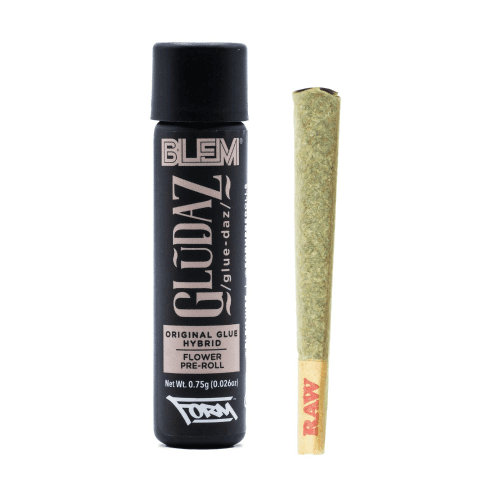
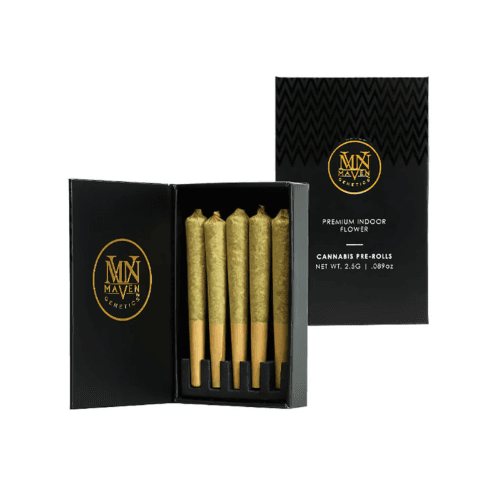
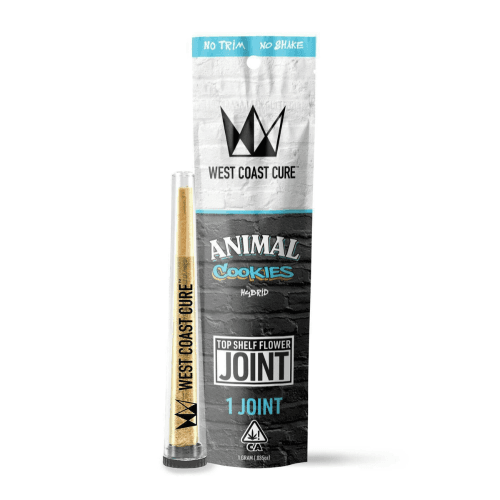
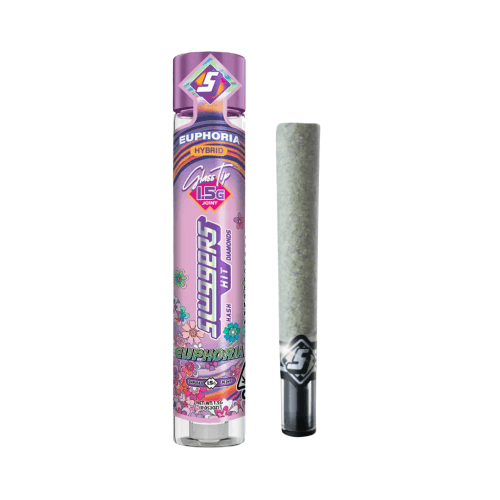
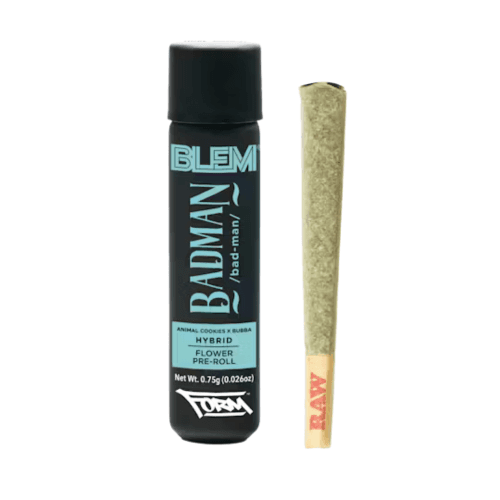
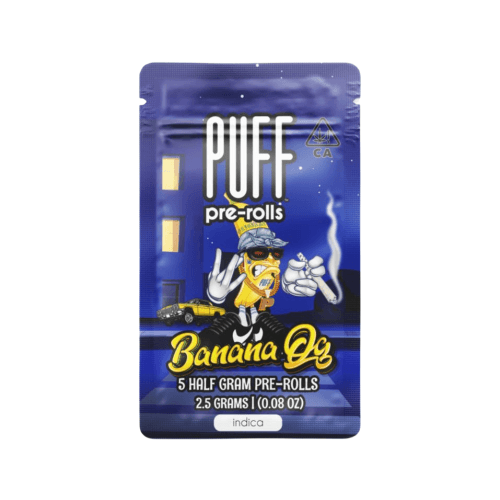
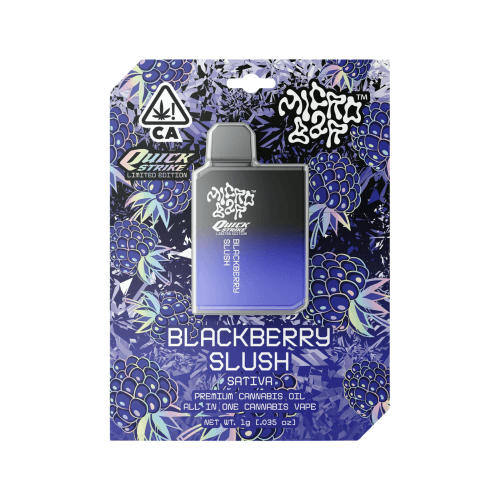
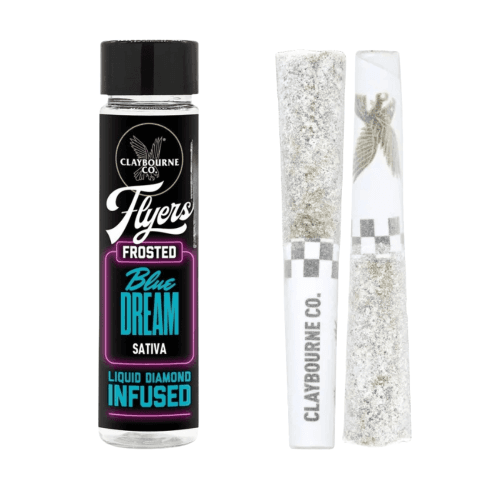
4) Flower and vaporized products

Flower and vaporized cannabis products deliver cannabinoids through inhalation. These products can produce intoxicating effects when THC is present and can affect coordination, attention, and reaction time.

Because product composition and individual responses vary, label information and applicable product testing are important when evaluating cannabis products.

Cannabis Strain Names and Product Composition

Strain and cultivar names are commonly used to describe cannabis varieties, but the name alone does not guarantee a particular cannabinoid or terpene profile.

Products with the same or similar strain names can differ between producers, cultivators, harvests, and batches. Cannabinoid concentrations, terpene profiles, and other product characteristics can also vary.

When reviewing a regulated cannabis product, available label and laboratory information may include:

  • THC and CBD concentrations
  • Other cannabinoids detected during testing
  • Individual terpenes detected during testing
  • Potency information
  • Batch or laboratory testing information

This information provides context about the tested composition of a specific product without assuming that a particular strain will produce the same experience for every person.

Drug testing and compliance: donโ€™t get cute

This is the part where fun goes to die, but it matters.

THC can trigger a positive test

If you are subject to:

โ€ฆassume THC is a risk. Even some CBD products can contain trace THC or be contaminated, especially if theyโ€™re not rigorously tested.

CBD is not a free pass

Even if CBD itself is permitted in some contexts, many CBD products are mislabeled. Choose products with:

  • third-party lab testing (COA)
  • batch-specific results
  • clear THC content labeling

If your career depends on a clean test.

CBD is not a guarantee

CBD products may contain THC, including products that are marketed primarily as CBD products. Product labeling and laboratory testing can therefore be relevant for athletes subject to drug testing.

Testing rules vary between organizations and can change over time. Athletes should consult the current rules of their governing body and understand that using a cannabis or cannabinoid product can carry testing implications.

Side Effects and General Considerations

Cannabis and cannabinoids can produce different effects depending on the product, cannabinoid content, individual response, and other factors.

Potential considerations include:

  • Impairment: THC can affect coordination, attention, reaction time, and judgment.
  • Individual responses: Some people may experience anxiety, dizziness, dry mouth, changes in appetite, or an increased heart rate.
  • Sedation: Some cannabis products may cause drowsiness or next-day impairment.
  • Drug interactions: Cannabinoids may interact with certain medications.
  • Tolerance and dependence: Frequent cannabis use can be associated with tolerance and dependence in some people.

Anyone experiencing persistent symptoms, significant pain, or concerns about cannabis use should discuss them with a qualified healthcare professional.

When Additional Guidance May Be Appropriate

Cannabis may not be appropriate for everyone. Individual factors such as medications, existing health conditions, age, pregnancy or breastfeeding, previous reactions to cannabis, and participation in drug-tested sports can affect the considerations involved.

People with questions about cannabis and a medical condition, injury, medication, or athletic participation should discuss those questions with an appropriate healthcare professional or relevant sporting organization.

Cannabis should not be used to mask significant or persistent pain that may require evaluation.

FAQs athletes ask (and the answers they need)

Will cannabis reduce inflammation and speed healing?

Research has examined cannabinoids and inflammatory signaling, but current evidence does not establish that cannabis products speed muscle healing or recovery after exercise. Findings vary across different types of studies and populations.

Are CBD topicals worth it?

Cannabinoid topicals are available in many formulations, but research into their effects on exercise-related muscle soreness and recovery remains limited. Product composition and formulation can also vary.

Should I use cannabis right after training?

There is not enough evidence to establish a general recommendation about using cannabis immediately after exercise. THC can cause impairment, so factors such as coordination, reaction time, driving, and other activities should be considered.

Does cannabis affect gains?

Research has not established a clear general effect of cannabis use on muscle growth or athletic adaptation. Effects can vary depending on the cannabinoid, frequency of use, individual response, sleep, training, and other factors.

Final Take: Cannabis, Cannabinoids and Exercise Recovery

Cannabis and cannabinoids are being studied in connection with pain perception, sleep, inflammation, stress, and other processes that can be relevant to exercise recovery. However, research specifically examining cannabis as a tool for muscle recovery in healthy athletes remains limited.

Cannabinoid effects can vary by product composition, THC and CBD content, route of administration, individual response, and other factors. Reduced soreness or changes in sleep do not necessarily indicate faster tissue recovery or improved athletic adaptation.

For athletes, additional considerations include impairment, medication interactions, product labeling, and the rules of any applicable drug-testing organization.

The most useful approach is to understand what the research does and does not establish rather than treating a particular cannabinoid, strain, terpene, or product format as a guaranteed recovery solution.

FAQ

Jenna Renz

Jenna is a California-based creative copywriter whoโ€™s been lucky enough to have worked with a diverse range of clients before settling into the cannabis industry to explore her two greatest passions: writing and weed.

  • Social media icon

Related Blogs

High-Dose vs Microdose Edibles: Which Is Right for You?

High-Dose vs Microdose Edibles: Which Is Right for You?

Walk through the edibles section and the milligram counts can be all over the map. One gummy is 2.5 mg, the next is 10 mg, and some packages are built for people with a lot more experience than most. For a beginner, that spread raises a fair question: is a tiny dose worth taking, and who actually needs a high-dose edible?

8 Min Oct 06, 2026Jenna Renz

Single Pre-Roll vs Pre-Roll Pack: When to Buy Each

Single Pre-Roll vs Pre-Roll Pack: When to Buy Each

Open the pre-roll section and you'll notice the same strain sold two ways: one joint on its own, or a pack with several. The pack looks like the better deal, and sometimes it is. But sometimes the single is the smarter buy, and a pack can quietly turn into a drawer full of joints that dry out before you finish them.

8 Min Oct 06, 2026Jenna Renz