Cannabis and Chronic Pain: What Research Says About Cannabinoids

Show Quick Read

Summary is AI-generated, newsroom-reviewed

Cannabis and cannabinoids are increasingly discussed in relation to chronic pain, including questions about pain perception, sleep, inflammation, and other biological processes.

However, cannabis products can differ substantially in cannabinoid composition, potency, formulation, and route of administration. Research findings can also vary depending on the type of pain, study design, product, and individual factors.

This guide looks at what researchers have studied about cannabis, cannabinoids, terpenes, product formats, and chronic pain. It focuses on the available research and its limitations rather than recommending specific cannabis products, strains, doses, or treatment routines.

A note before you start: This article is for general education only and is not medical advice. Chronic or unexplained pain can have many possible causes. If you have questions about your symptoms, medications, or treatment options, speak with a qualified healthcare professional. Cannabis can also cause impairment, so do not drive or operate machinery while impaired.

Understanding Different Types of Chronic Pain

Chronic pain can involve different mechanisms and symptoms, and researchers often distinguish between categories such as neuropathic, inflammatory, and musculoskeletal pain.

Neuropathic pain

Neuropathic pain involves changes or dysfunction in the nervous system and may be described as burning, tingling, shooting, or electric sensations.

Cannabinoids have been studied in relation to pain signaling and nervous-system activity, but research findings vary and do not establish a particular cannabis product or cannabinoid combination as a general treatment for neuropathic pain.

Inflammatory pain

Inflammatory pain can involve processes associated with inflammation and may occur in a range of conditions.

Researchers have investigated cannabinoids and individual cannabis compounds in relation to inflammatory signaling. Laboratory and early-stage findings do not necessarily translate into established clinical treatments for inflammatory pain.

Chronic back pain

Chronic back pain can involve multiple factors, including musculoskeletal, nerve-related, and other contributors.

Research into cannabis and chronic pain has examined pain perception, sleep, and quality-of-life measures, but the evidence varies by study and does not establish a particular strain, terpene, or product format as appropriate for chronic back pain.

Arthritis-related pain

Arthritis can involve pain, stiffness, inflammation, or changes in joint function.

Cannabinoids and topical cannabis products have been studied in different pain contexts, but evidence for specific products or formulations varies. A product's cannabinoid composition and formulation should not be treated as proof of a particular medical effect.

Cannabis and Chronic Pain: What Researchers Are Studying

Researchers have investigated cannabis and individual cannabinoids in relation to several processes relevant to chronic pain.

Areas of research include:

  • How cannabinoids interact with pathways involved in pain perception.
  • How THC and CBD affect the nervous system and subjective experiences.
  • The relationship between cannabis use and sleep in people experiencing chronic pain.
  • The role of cannabinoids and other cannabis compounds in inflammatory and neurological processes.

However, research findings are not uniform, and evidence from laboratory studies, observational research, and clinical studies should not be treated as equivalent.

Cannabis products also vary considerably in cannabinoid composition, potency, formulation, and route of administration. For these reasons, research findings involving one cannabinoid or product cannot automatically be applied to every cannabis product.

Cannabis should not be presented as a replacement for diagnosis or treatment of an underlying cause of chronic pain.

Cannabis Strain and Cultivar Terminology

Cannabis products are commonly described using terms such as indica, sativa, and hybrid. These labels are widely used in the cannabis market, but they do not necessarily provide a complete description of a product's chemical composition.

Researchers may instead examine factors such as:

  • THC and CBD concentration
  • Other cannabinoids
  • Terpene composition
  • Cultivar genetics
  • Growing and processing conditions
  • Product formulation
  • Products with similar strain or cultivar names can therefore have different chemical profiles. A strain name should not be treated as a reliable indicator of a specific medical effect or outcome.

Terpenes in Cannabis

Terpenes are aromatic compounds found in cannabis and many other plants. They contribute to the aroma and flavor of cannabis products and are also being studied for their biological activity.

Myrcene

Myrcene is an aromatic terpene commonly found in cannabis and other plants. It has been studied in laboratory and preclinical research, but findings from these studies do not establish myrcene as a treatment for chronic pain or sleep problems.

Beta-caryophyllene

Beta-caryophyllene has a peppery or spicy aroma and occurs naturally in several plants. Researchers have investigated its interaction with cannabinoid-related pathways, including its activity at CB2 receptors.

These findings are an area of scientific research, but they should not be interpreted as evidence that products containing beta-caryophyllene treat inflammatory or chronic pain conditions.

Linalool

Linalool is an aromatic compound with a floral or lavender-like scent. It occurs naturally in several plants and has been investigated in laboratory and preclinical research.

Research involving linalool is still developing, and the presence of linalool in a cannabis product does not establish that the product will produce a particular calming, sleep-related, or pain-related effect.

Cannabis Product Formats

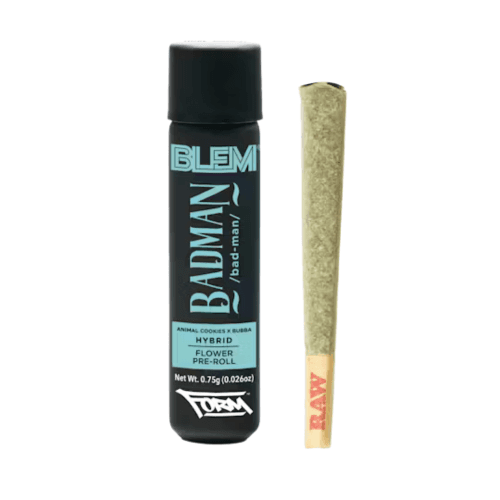
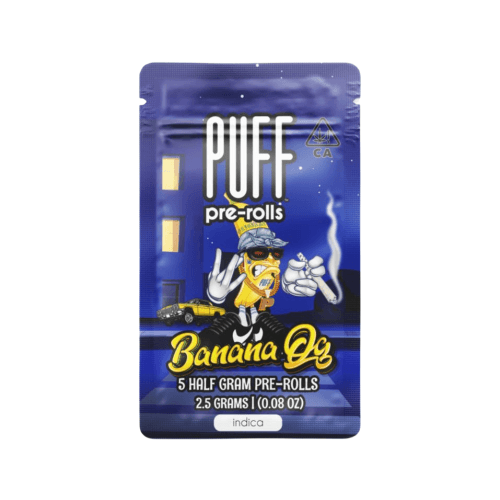
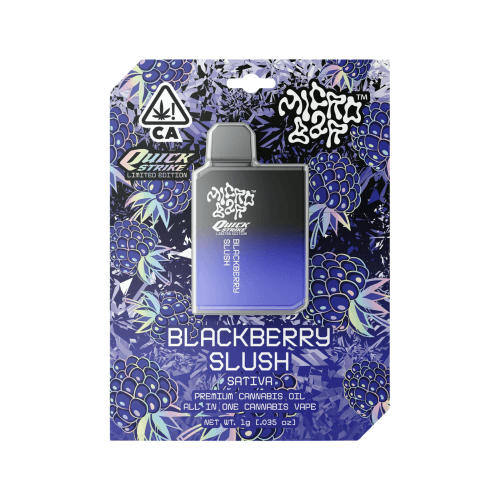
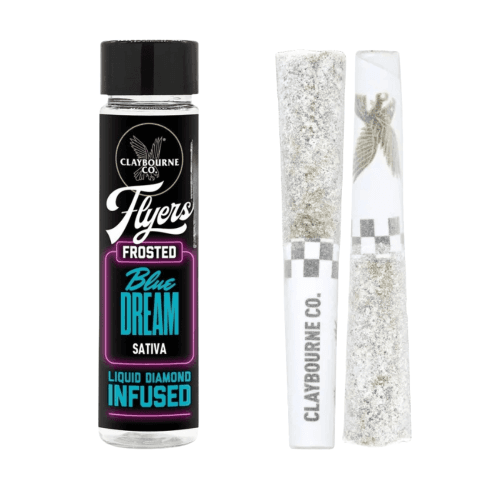
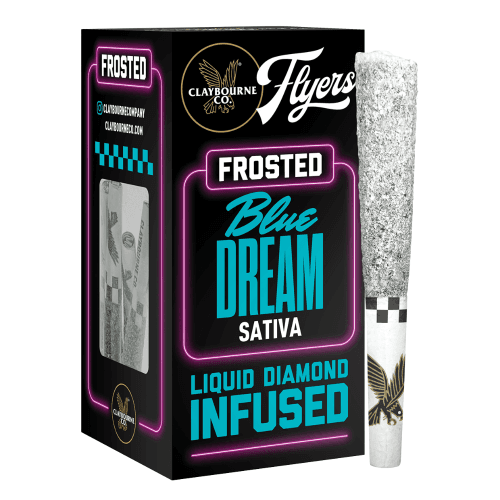
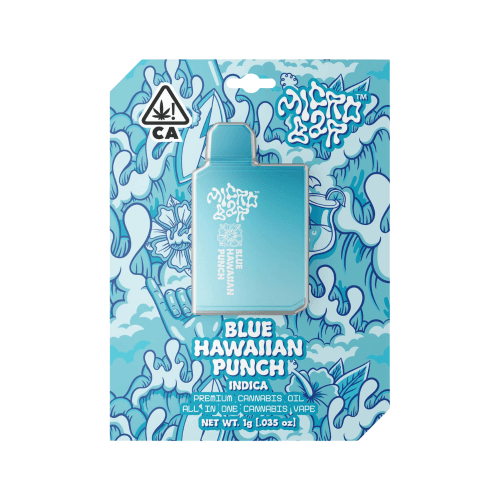
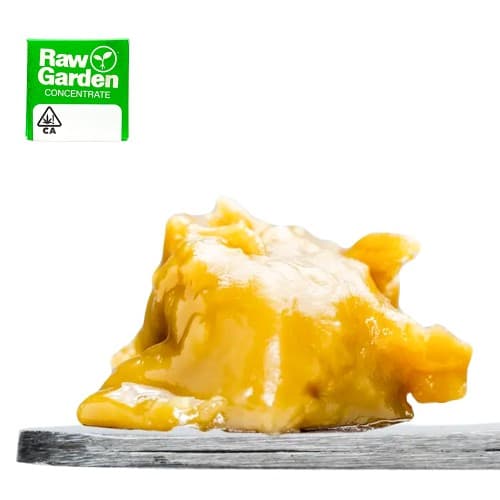
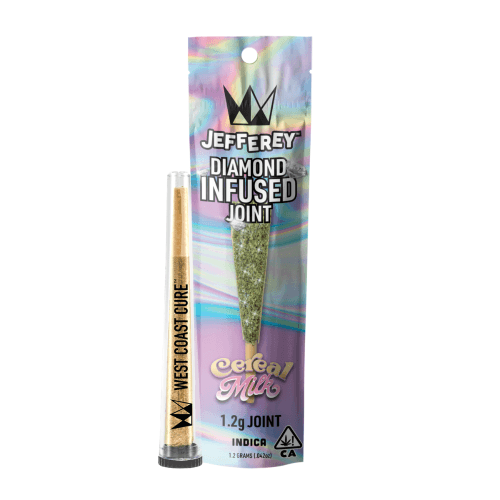
Cannabis products are available in several formats, including flower, vaporized products, topicals, edibles, tinctures, and oils.

Flower and vaporized products

Inhaled cannabis can produce effects relatively quickly compared with some other formats. The effects can vary according to cannabinoid composition, potency, individual response, and method of administration.

Smoking also involves exposure to combustion products, while vaporized products have their own considerations.

Topicals

Cannabis topicals include creams, balms, lotions, roll-ons, and other formulations intended for application to the skin.

The effects of topical products can depend on their formulation and ingredients. Research into topical cannabinoids varies by product and condition, so a topical should not automatically be assumed to provide a particular medical effect.

Edibles

Edibles contain cannabinoids in foods, beverages, gummies, and similar products.

Compared with inhaled products, edible cannabinoids are processed differently by the body and can have a delayed onset and longer-lasting effects. THC-containing edibles can also cause impairment.

Tinctures and oils

Tinctures and oils are liquid cannabinoid products that may contain THC, CBD, or other cannabinoids.

Products can differ substantially in cannabinoid concentration and formulation. Research involving one formulation cannot automatically be applied to every tincture or oil.

Safety, Side Effects, and Interactions

Cannabis can produce a range of effects depending on factors such as cannabinoid composition, potency, product format, individual response, and other substances or medications involved.

Potential effects associated with THC can include dizziness, increased heart rate, changes in perception, anxiety, impaired coordination, and impaired reaction time. Some people may also experience next-day effects, particularly with products that have longer-lasting effects.

Cannabinoids can interact with some medications, including medications that are metabolized through liver enzyme pathways. Anyone taking prescription or over-the-counter medications should discuss potential interactions with a qualified healthcare professional or pharmacist.

Additional caution may be appropriate for people who are pregnant or breastfeeding, people with certain health conditions, older adults at increased risk of falls, and anyone who needs to drive or operate machinery.

Do not drive or operate machinery while impaired.

Chronic or unexplained pain can also require medical evaluation. New, worsening, severe, or unexplained pain should not simply be managed with cannabis without considering the underlying cause.

Talking With a Healthcare Professional About Cannabis and Chronic Pain

If you are considering cannabis while managing chronic pain, it can be useful to discuss the full picture with a healthcare professional.

Topics to discuss may include:

  • The type, location, and duration of your pain.
  • Any changes in your symptoms.
  • Your current medications and supplements.
  • Any previous experiences with cannabis or cannabinoids.
  • Possible interactions or safety concerns.
  • Symptoms that may require further evaluation.

A healthcare professional can help put cannabis use into the broader context of your health and existing treatment plan.

FAQ: Cannabis and Chronic Pain

What does research say about cannabis and chronic pain?

Researchers have studied cannabis and individual cannabinoids in relation to pain perception and other processes relevant to chronic pain. Findings vary across studies, and evidence depends on factors such as the type of cannabinoid, product, study design, and population. Current research does not establish one cannabis product or formulation as appropriate for everyone with chronic pain.

What is the difference between THC and CBD?

THC and CBD are different cannabinoids that interact with the body's cannabinoid system in different ways. THC can produce intoxicating and impairing effects, while CBD does not produce the same type of intoxication. Research has examined both cannabinoids in a variety of contexts, but their effects should not be generalized to every cannabis product or medical condition.

Do indica and sativa reliably predict the effects of cannabis?

Not necessarily. Indica, sativa, and hybrid are commonly used market categories, but they do not provide a complete description of a product's chemical composition. Cannabinoid concentration, terpene profile, cultivar genetics, and other factors can vary between products.

What are terpenes?

Terpenes are aromatic compounds found in cannabis and many other plants. They contribute to the aroma and flavor of cannabis products and are being studied for their biological activity. The presence of a particular terpene should not be interpreted as proof that a cannabis product will produce a specific medical effect.

What cannabis product formats are available?

Common formats include flower, vaporized products, edibles, tinctures, oils, and topicals. These formats differ in how cannabinoids are delivered and processed by the body. Effects can also vary depending on cannabinoid composition, potency, formulation, and individual factors.

Can cannabis interact with pain medications?

Cannabinoids can interact with some medications, including medications processed through certain liver enzyme pathways. Anyone taking medication should discuss potential interactions with a qualified healthcare professional or pharmacist rather than relying on general product guidance.

Can cannabis cause impairment?

Yes. THC-containing cannabis can affect attention, coordination, reaction time, judgment, and perception. The duration and intensity of these effects can vary. People should not drive or operate machinery while impaired.

When should someone seek medical evaluation for chronic pain?

Chronic pain that is new, worsening, severe, unexplained, or associated with other concerning symptoms may require medical evaluation. Cannabis should not be treated as a substitute for identifying or addressing an underlying cause of pain.

Jenna Renz

Jenna is a California-based creative copywriter who’s been lucky enough to have worked with a diverse range of clients before settling into the cannabis industry to explore her two greatest passions: writing and weed.

  • Social media icon

Related Blogs

High-Dose vs Microdose Edibles: Which Is Right for You?

High-Dose vs Microdose Edibles: Which Is Right for You?

Walk through the edibles section and the milligram counts can be all over the map. One gummy is 2.5 mg, the next is 10 mg, and some packages are built for people with a lot more experience than most. For a beginner, that spread raises a fair question: is a tiny dose worth taking, and who actually needs a high-dose edible?

8 Min Oct 06, 2026Jenna Renz

Single Pre-Roll vs Pre-Roll Pack: When to Buy Each

Single Pre-Roll vs Pre-Roll Pack: When to Buy Each

Open the pre-roll section and you'll notice the same strain sold two ways: one joint on its own, or a pack with several. The pack looks like the better deal, and sometimes it is. But sometimes the single is the smarter buy, and a pack can quietly turn into a drawer full of joints that dry out before you finish them.

8 Min Oct 06, 2026Jenna Renz