Cannabis and Working Out: Can Weed Help You Recover Faster?

Show Quick Read

Summary is AI-generated, newsroom-reviewed

Cannabis and exercise are increasingly discussed together, particularly around questions about soreness, sleep, relaxation, and recovery. Cannabis products contain cannabinoids such as THC and CBD, which researchers have studied in connection with pain perception, inflammation, sleep, stress, and other biological processes.

However, research on cannabis and exercise recovery is still developing. Findings can vary depending on the cannabinoid, product, study design, and individual factors.

This guide looks at what research has examined about cannabis, cannabinoids, exercise, and recovery. It focuses on the evidence and limitations rather than presenting cannabis as a treatment or recommending specific products, doses, or routines.

A note before you start: This article is for general education only. It is not medical advice. Cannabis can cause impairment, and its effects can vary between individuals and products. If you have questions involving your health, medications, injuries, or athletic participation, speak with a qualified healthcare professional and follow applicable laws and sporting rules.

The Big Question: What Does Research Say About Cannabis and Recovery?

Cannabinoids have been studied in connection with several processes that are relevant to exercise recovery, including pain perception, inflammatory signaling, sleep, stress, and appetite.

Research involving exercise and healthy athletes, however, remains limited. Evidence from laboratory studies, animal research, and clinical populations cannot automatically be applied to people recovering from ordinary exercise.

An important distinction is that feeling less soreness does not necessarily mean that muscle tissue has recovered faster. Research into whether cannabis or individual cannabinoids directly improve exercise recovery remains ongoing.

Cannabis and Exercise Timing

Cannabis can affect coordination, reaction time, attention, heart rate, and perception, particularly when THC is present. These effects are relevant when considering exercise or other activities that require physical coordination and judgment.

Research has not established a general rule that cannabis should be used before or after exercise. Individual responses can also vary considerably.

For activities involving heavy loads, speed, technical movements, traffic, water, heights, or other safety-sensitive environments, impairment is an important consideration.

Cannabis, Exercise and Recovery: What Researchers Are Studying

1) Pain perception

THC and other cannabinoids have been studied in relation to how the nervous system processes pain and discomfort.

A change in perceived soreness does not necessarily indicate faster muscle repair or improved recovery. Research specifically examining exercise-induced soreness remains limited.

2) Sleep

Sleep is an important part of normal recovery. Cannabis and cannabinoids have been studied in connection with sleep, but findings vary depending on the cannabinoid, dose, frequency of use, and population studied.

THC can also cause intoxication and may affect sleep patterns in some people. Research does not establish cannabis as a general solution for sleep-related recovery.

3) Stress and relaxation

Cannabinoids can affect the nervous system and subjective experiences such as relaxation or stress. Individual responses vary, and THC can produce unwanted effects such as anxiety or impairment in some people.

Research continues to examine how these effects may relate to exercise and recovery.

4) Inflammation and soreness

Cannabinoids have been investigated in laboratory and clinical research involving inflammatory and immune signaling. However, these findings do not establish that cannabis products reduce exercise-related inflammation or accelerate muscle recovery.

Research involving healthy athletes and ordinary post-exercise soreness remains limited.

Potential Downsides and Considerations

Cannabis can affect exercise and daily activities in different ways depending on the product, cannabinoid content, frequency of use, and individual response.

Appetite and food intake

THC can affect appetite and food preferences in some people. This may be relevant to athletes whose nutrition and energy intake are closely managed.

Motivation and consistency

People can respond differently to cannabis. Some may experience relaxation or changes in motivation, while others may experience drowsiness or reduced concentration.

Tolerance and dependence

Frequent cannabis use can be associated with tolerance and dependence in some people. Increasing frequency or amount of use can also change the effects experienced over time.

Safety around exercise

THC can affect coordination, attention, reaction time, and judgment. These effects are particularly important during activities involving heavy equipment, technical movements, roads, heights, water, or other safety-sensitive environments.

Cannabis Strains, Cannabinoids and Product Information

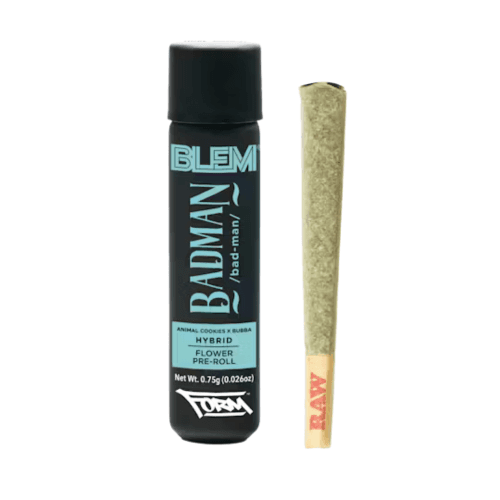
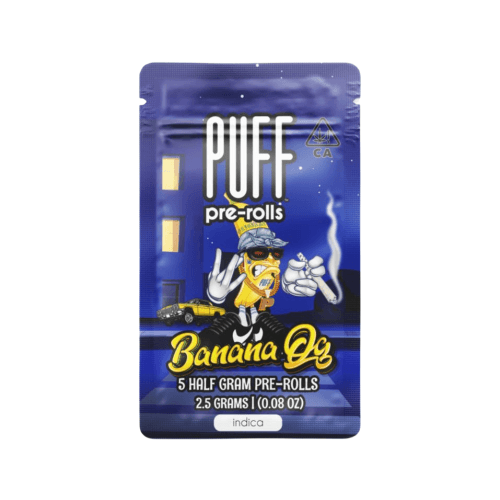
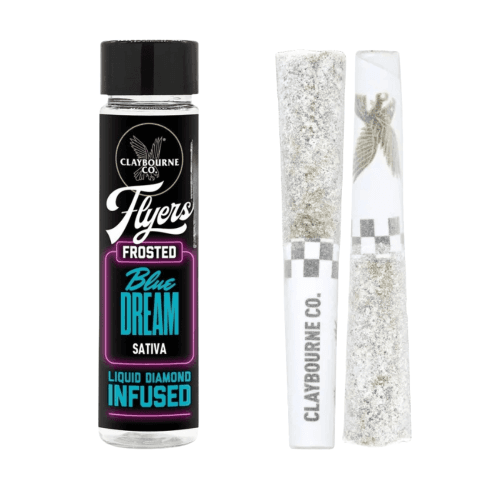
Strain names are commonly used to describe cannabis cultivars, but the name alone does not guarantee a particular chemical composition or experience.

Cannabis products can vary in:

  • THC concentration
  • CBD concentration
  • Other cannabinoids
  • Terpene profile
  • Product formulation
  • Batch and laboratory results

The same or similar strain name can also appear across products with different cannabinoid and terpene profiles.

For educational purposes, product labels and available laboratory testing can provide more specific information about the composition of an individual product than the strain name alone.

CBD Topicals: What to Know

CBD topicals include creams, balms, lotions, and other products formulated for application to the skin.

Research into topical cannabinoids is ongoing, including questions about absorption, formulation, and potential effects. Products can differ substantially in their cannabinoid concentrations and other ingredients.

The presence of CBD in a topical product does not by itself establish that the product will reduce exercise-related soreness or affect underlying muscle tissue.

Cannabis and Working Out: Can Weed Help You Recover Faster?

Cannabis Product Formats

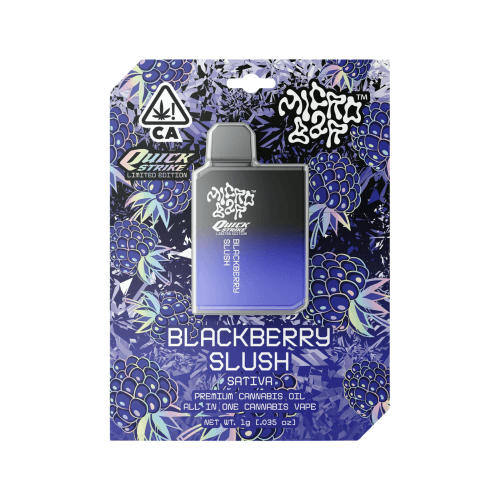
Cannabis products are available in several formats, including flower, vaporized products, tinctures, oils, edibles, and topicals.

Flower and vaporized products

These products deliver cannabinoids through inhalation. Effects can include intoxication and impairment when THC is present.

Tinctures and oils

These are liquid cannabis or cannabinoid preparations. Their cannabinoid concentrations, ingredients, and formulations can vary.

Edibles

Edibles contain cannabinoids in food, beverage, or capsule formats. Oral cannabinoids are processed through the digestive system and can differ from inhaled products in their effects.

Topicals

Topical products are applied to the skin and can contain cannabinoids alongside other ingredients. Their formulation and cannabinoid concentration vary between products.

Different formats have different absorption pathways and product characteristics. Individual responses can also vary.

Safety Considerations

Cannabis may not be appropriate for everyone. Individual considerations can include medications, existing health conditions, previous reactions to cannabis, age, pregnancy or breastfeeding, and participation in drug-tested sports.

THC can affect coordination, reaction time, attention, judgment, and perception. These effects are particularly important during exercise or other activities where impairment could create additional risks.

People with questions about cannabis and a medical condition, medication, injury, or athletic participation should speak with an appropriate healthcare professional or relevant sporting organization.

Do not drive or operate machinery while impaired.

So, What Does the Research Say About Cannabis and Recovery?

Research into cannabis, cannabinoids, exercise, and recovery is still developing. Cannabinoids have been studied in connection with pain perception, sleep, inflammation, stress, and other processes that may be relevant to recovery, but this does not establish that cannabis makes muscles recover faster.

Reduced soreness or changes in relaxation do not necessarily mean that muscle tissue has repaired more quickly or that an athlete is ready for another demanding workout.

Cannabis can also have effects that matter to athletes, including impairment, changes in coordination and attention, individual reactions, and potential implications for drug testing.

For that reason, the most useful way to approach the topic is to understand the current research, its limitations, product differences, and the potential risks rather than treating cannabis as a guaranteed recovery tool.

FAQ

Jenna Renz

Jenna is a California-based creative copywriter whoโ€™s been lucky enough to have worked with a diverse range of clients before settling into the cannabis industry to explore her two greatest passions: writing and weed.

  • Social media icon

Related Blogs

High-Dose vs Microdose Edibles: Which Is Right for You?

High-Dose vs Microdose Edibles: Which Is Right for You?

Walk through the edibles section and the milligram counts can be all over the map. One gummy is 2.5 mg, the next is 10 mg, and some packages are built for people with a lot more experience than most. For a beginner, that spread raises a fair question: is a tiny dose worth taking, and who actually needs a high-dose edible?

8 Min Oct 06, 2026Jenna Renz

Single Pre-Roll vs Pre-Roll Pack: When to Buy Each

Single Pre-Roll vs Pre-Roll Pack: When to Buy Each

Open the pre-roll section and you'll notice the same strain sold two ways: one joint on its own, or a pack with several. The pack looks like the better deal, and sometimes it is. But sometimes the single is the smarter buy, and a pack can quietly turn into a drawer full of joints that dry out before you finish them.

8 Min Oct 06, 2026Jenna Renz