What Happens After You Order Weed From Hyperwolf: A Step-by-Step Walkthrough

Ordering weed delivery for the first time can feel a little unclear if you've never done it before. What actually happens after you hit checkout? Who shows up, and what do they need from you? How long does it really take?

Here's the exact process, start to finish, so there are no surprises between placing your order and answering the door.

This walkthrough covers every step Hyperwolf actually uses, not a simplified version of it. Whether you're ordering for the first time or you've just never paid close attention to what happens between checkout and delivery, knowing the process ahead of time makes the whole experience feel a lot less like a mystery.


Step 1: Enter Your Address

Everything starts with your address, because cannabis delivery in California is tied to specific licensed service zones rather than being available everywhere at once. When you enter your address on the Hyperwolf site, the system checks whether your location falls inside an active delivery zone.

Most addresses across the core Southern California service area will come back as covered. If yours doesn't, the answer isn't necessarily a permanent no. Hyperwolf maintains a notification list for addresses just outside current coverage, so as the service area expands, those customers are among the first to know when delivery becomes available in their neighborhood.

Checking coverage first also saves time later. Rather than building a full cart and getting to checkout only to discover delivery isn't available yet, confirming your address up front means everything that follows, browsing, verification, and checkout, is time actually spent moving toward a delivery that's going to happen.


Step 2: Build Your Cart

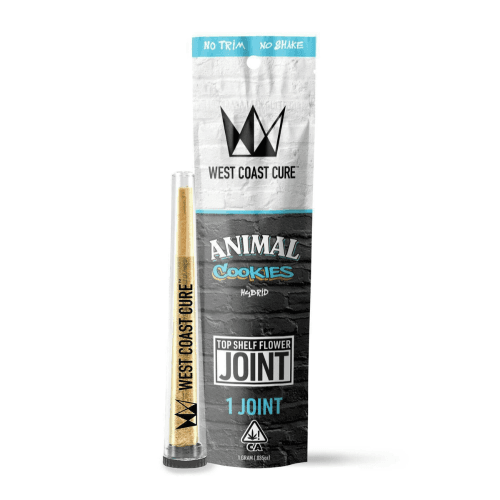
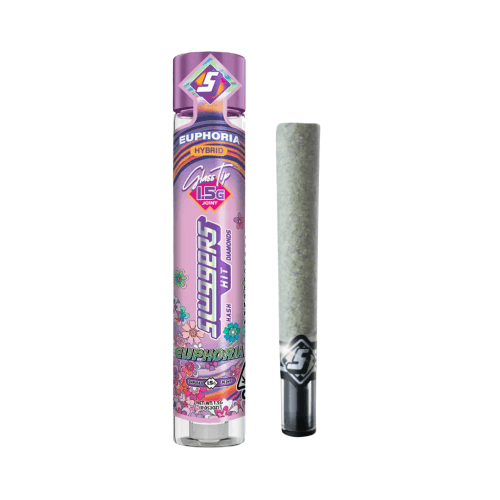
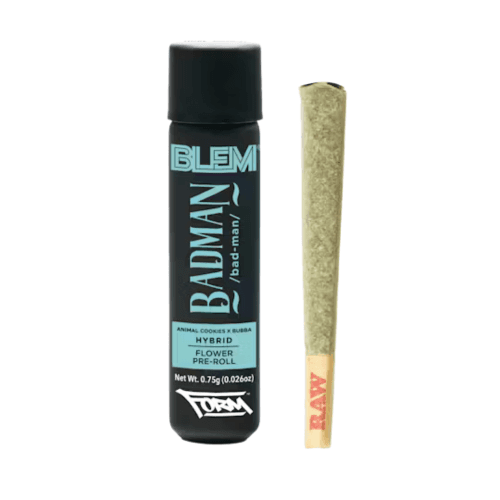
Once your address is confirmed, the actual shopping begins. Browsing works the way most online shopping does: categories for flower, edibles, concentrates, and more, with a search and filter system to narrow things down.

There's one requirement to keep in mind while building your cart: a $50 order minimum. It's a low bar compared to a lot of delivery minimums elsewhere, but it does mean a single pre-roll or a small edible pack on its own won't qualify for checkout.

What sets the browsing experience apart is the level of detail on each product page. Rather than a vague description and a price, listings include terpene profiles, cannabinoid content, expected effects, and dosage guidance where relevant. That level of detail matters most for shoppers who aren't cannabis experts and want to choose confidently rather than guessing based on a strain name they vaguely recognize.

For a returning customer, that same detail speeds things up rather than slowing them down. Someone who already knows they respond well to a particular terpene profile, or prefers a specific cannabinoid ratio for sleep versus daytime use, can filter and compare products directly instead of relying on memory or trial and error with every new order.


Step 3: Verify Your Age and ID

Cannabis delivery is a legal, regulated transaction, and that means age verification is a non-negotiable part of the process. To order, you need to be 21 or older with a valid government-issued ID, or 18 or older with a valid medical cannabis recommendation.

This step is quick and standard across the legal cannabis industry, not a Hyperwolf-specific hurdle. Verification typically happens during checkout and again in person when the driver arrives, confirming that the person receiving the order is the same person who placed it and meets the legal age requirement.


Step 4: Order Confirmed, Driver Dispatched

Once your order is placed and verified, it moves into Hyperwolf's internal process. The system assigns the order to the nearest available driver based on real-time location data, rather than working through a generic queue. From there, the order is packed at the nearest hub and checked against what was ordered before being dispatched.

It's worth remembering there are two paths an order can take at this stage. ASAP orders move through this process immediately, aiming for delivery within the standard window. Scheduled orders, whether same-day or next-day, are held and routed at the specific time the customer selected, so a delivery booked for later in the day isn't dispatched hours early or left waiting around unnecessarily.

Neither option requires extra effort from the customer beyond selecting it at checkout. The system handles the timing difference on the back end, which means someone ordering ahead for a Friday evening gets the same careful handling as someone ordering the moment they realize they want something delivered right now.


Step 5: Track Your Delivery

Once a driver is dispatched, most orders arrive within 60 to 90 minutes, depending on your specific address and current traffic conditions. That range holds up as a realistic expectation across most of the service area on a typical day, though a delivery to a busy area during rush hour may run a little longer than one to a quieter street in the middle of the afternoon.

Customers aren't left guessing during that window. Order status updates keep you informed as your delivery moves from confirmed to packed to on the way, so there's no need to wonder whether the order actually went through or got lost somewhere along the line.

That visibility matters more than it might seem on paper. Anyone who has ordered food delivery and watched a driver's location freeze on a map for twenty minutes knows how quickly uncertainty turns into frustration. Keeping customers informed at each stage isn't just a nice extra. It's part of what makes a 60 to 90 minute estimate feel trustworthy rather than like a number pulled out of thin air.


Step 6: At the Door

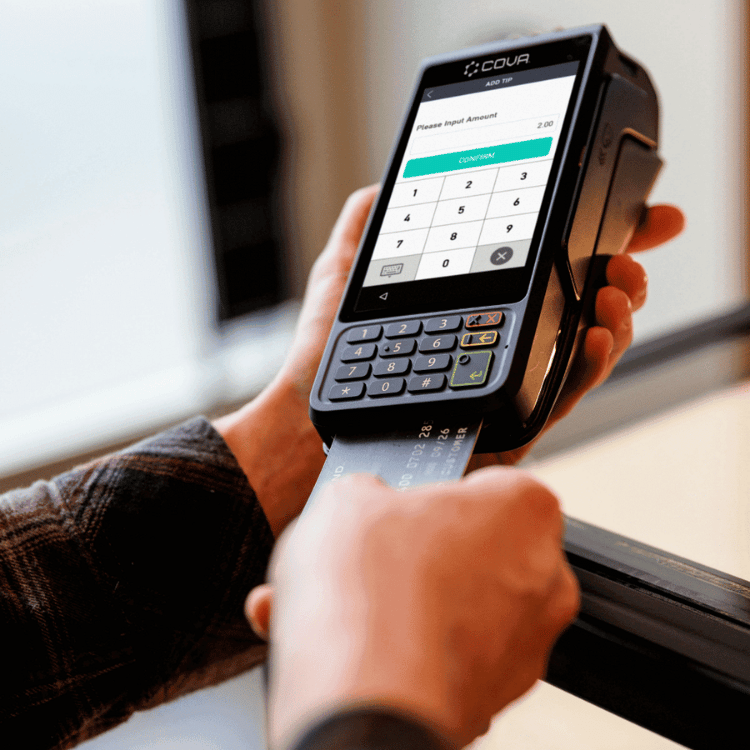
When the driver arrives, the handoff itself is quick and straightforward. ID is checked one more time to confirm the recipient meets the legal age requirement, matching the verification completed at checkout. Payment can be made with cash or card, with card payments processed securely right at the door using a mobile payment terminal, so there's no need to have exact cash on hand or handle payment in advance.

Customers can choose whether they'd rather meet the driver at their door or at the vehicle, whichever feels more comfortable or convenient given their building layout or personal preference. Every order arrives in discreet, secure packaging, with nothing on the outside indicating what's inside.

This step tends to be the part first-time customers worry about most, and it's usually over faster than expected. There's no lengthy conversation required, no upsell attempt, and no pressure to decide anything on the spot. The driver confirms ID, processes payment if it hasn't already been handled online, hands over the order, and is on their way to the next delivery. The entire interaction typically takes less time than checking out at a physical store.


What You Will Not Deal With

Compare that whole process to a typical dispensary trip, and the difference becomes obvious. There's no drive across town, no parking lot to find, and no line to stand in while other customers ahead of you take their time at the counter.

There's also no markup layered on to cover a storefront's overhead, no delivery fee tacked on above the $50 minimum, and no awkward moment at checkout where a menu price turns into a higher final number once fees get added. What you see while browsing is close to what you actually pay, and the entire process, from address entry to the knock at your door, is built to be simple enough that a first-time customer can go through it without any confusion.

Ready to see it in action? Check delivery availability on the Delivery Areas page, browse current options in the Shop, or head straight to Same-Day Weed Delivery to place your first order.

FAQ

Jenna Renz

Jenna is a California-based creative copywriter who’s been lucky enough to have worked with a diverse range of clients before settling into the cannabis industry to explore her two greatest passions: writing and weed.

  • Social Link

Related Blogs