No Middleman, No Markups: How Hyperwolf Keeps Weed Fresh and Affordable

There's a question every California cannabis shopper eventually asks: why does the same strain cost more at one place than another, and does delivery automatically mean paying extra for convenience? At Hyperwolf, the answer starts with a simple decision made years ago: cut out everything that adds cost without adding value.

Here's how that decision actually plays out, from the supply chain to the packaging that lands on your doorstep.


The Hidden Costs Baked Into Dispensary Prices

Walk into most dispensaries and the price on the shelf reflects a lot more than the flower itself. Before that product ever reaches a customer, it typically passes through a distributor who takes a cut, then a retailer who adds its own markup to cover rent, staffing, and storefront overhead. Layer in service fees, and the final price can be well above what the grower was actually paid.

None of that is inherently dishonest. Running a physical storefront is expensive, and distributors provide a real logistics function. But those costs exist in the price whether or not they benefit the customer. A shopper paying a premium isn't necessarily getting better flower. They're often just covering more links in a longer chain.

That's the gap Hyperwolf was built to close.

It's also worth noting that dispensary pricing isn't uniform, even for the exact same product. The same brand, the same strain, even the same batch can sell for noticeably different prices depending on which storefront's overhead it's helping to cover. A customer comparing prices across two dispensaries isn't really comparing the flower, they're comparing two different sets of rent, staffing costs, and distributor arrangements layered on top of a similar product.


Cutting Out the Middleman

Hyperwolf operates as a delivery-only business, which sounds like a small detail but changes the entire cost structure. There aren’t multiple physical storefronts to staff, light, and rent in a dozen locations across Southern California. There's no separate distributor taking a margin between the grower and the customer.

Instead, Hyperwolf delivery acts as both the storefront and the courier, sourcing product directly and delivering it without handing it off to a third party along the way. Removing that extra link in the chain doesn't just save money somewhere in the business. It removes an entire layer of markup that would otherwise get passed straight to the customer. The savings from skipping a physical retail footprint and a middleman distributor show up in the price on the menu, not in a bigger margin tucked away internally.

This is also why the delivery-only model doesn't automatically mean higher prices, even though many customers assume delivery is a premium convenience. The opposite tends to be true when a company builds delivery into the core business rather than bolting it onto an existing storefront as an afterthought. A dispensary that adds delivery on top of its retail overhead usually has to charge more to cover both. A company built from day one to skip the storefront entirely never carries that extra cost in the first place.


How We Keep Flower Genuinely Fresh

Cutting costs only matters if the product itself holds up, and freshness is where a lot of cannabis quietly falls apart after it leaves the farm.

Terpenes, the compounds responsible for aroma, flavor, and much of the actual experience of a strain, are fragile. Flower left in ordinary packaging can lose a significant share of its terpene content within just a week of exposure to air and fluctuating humidity. That loss doesn't show up as an obvious defect. The flower still looks fine. It just smells flatter, tastes duller, and delivers a less distinct effect than it should.

Hyperwolf addresses this directly with Boveda terpene shields, humidity-regulating packets placed inside custom retail containers designed specifically to protect flower during storage and transit. That combination keeps terpene profiles intact for 60-plus days rather than the handful of days typical of standard packaging. The result is flower that still smells and performs the way it did close to harvest, even after it's traveled through the supply chain and out for delivery.

This matters more for delivery than it might for an in-person purchase. A customer walking into a dispensary can pick up and smell a jar before buying. A delivery customer can't, which means the burden falls entirely on the seller to guarantee that what shows up at the door matches what was promised on the menu. Investing in real terpene protection, rather than treating packaging as an afterthought, is what makes that guarantee possible.


In-House Flower Plus Vetted Partner Brands

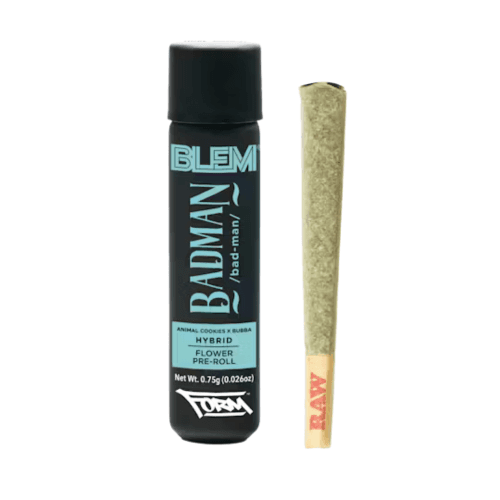
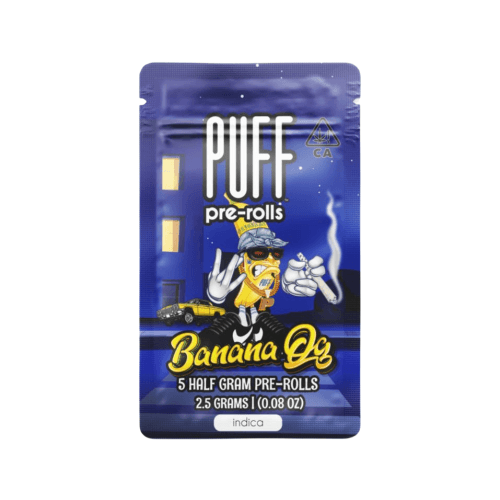
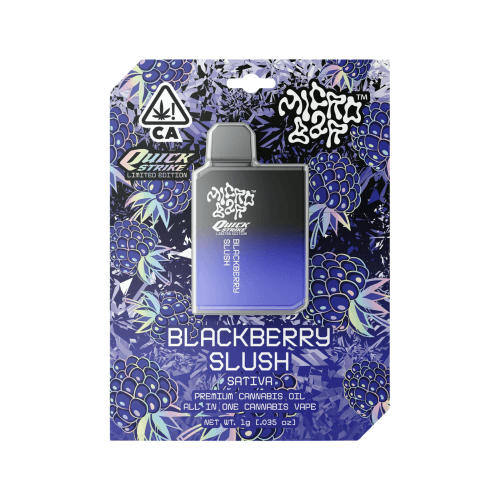
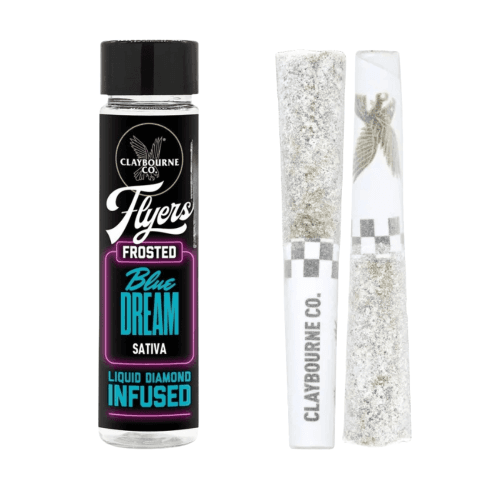
The menu itself reflects the same values that shape the pricing model. Hyperwolf carries its own in-house cultivars, grown and selected with direct oversight over quality, alongside a curated lineup of partner brands that have earned a spot on the menu rather than simply paid for shelf space.

That vetting process has a clear standard: high-grade product at an everyday, affordable price point. A brand doesn't make the cut just because it's popular or well-funded. It has to actually deliver quality that holds up, at a price that doesn't require a special occasion to justify buying it. That combination, house-grown flower plus carefully chosen partners, gives customers real variety without sacrificing either the quality bar or the price point that makes Hyperwolf worth ordering from in the first place.

The vetting process itself takes time that a lot of delivery services skip. Before a partner brand ever appears on the menu, it goes through the same scrutiny Hyperwolf applies to its own cultivars: lab results, batch consistency, and an honest look at whether the price matches the quality. Brands relying on flashy packaging without the product to back it up don't make the cut, no matter how popular they might be elsewhere. That discipline is part of why the menu stays consistent order to order.


What "No Hidden Fees" Actually Means

Pricing transparency isn't just about the sticker price on an eighth. It's also about what happens at checkout.

Hyperwolf's model is straightforward: a $50 order minimum, free delivery on orders that meet it, and no surprise service charges layered on at the last step. There's no separate delivery fee quietly added once a customer has already committed to an order, and no vague "convenience charge" that inflates the total beyond what was advertised on the menu.

Payment is kept just as simple. Customers can pay with cash or card, with no complicated payment app or extra processing fee tacked onto the transaction. The goal is that the price customers see while browsing is close to the price they actually pay, rather than a number that grows once fees get added in.

That kind of transparency also changes how customers can actually shop. When the menu price is the real price, comparing two products, or comparing Hyperwolf to a nearby dispensary, becomes a straightforward exercise instead of a guessing game that requires factoring in unknown fees on both sides. A lot of the frustration people associate with cannabis pricing doesn't come from the base cost of the flower itself. It comes from not knowing what the final number will be until checkout. Removing that uncertainty is as much a part of "affordable" as the price on the shelf.


Fresh and Affordable Is a Choice, Not a Coincidence

None of this happens by accident. A delivery-only model that skips the middleman. Packaging designed specifically to preserve terpenes for months, not days. A menu built around genuine quality rather than the biggest marketing budget. A checkout process without hidden fees.

Each piece removes cost or protects quality on its own. Combined, they're the actual mechanism behind Hyperwolf's pricing, not a slogan. Fresh and affordable aren't in tension here because the entire model was built around making sure they didn't have to be.

For the full breakdown of how pricing works order to order, visit the Transparent Pricing page, browse current selections in the Shop, or read more about the company on About Us.

FAQ

Jenna Renz

Jenna is a California-based creative copywriter who’s been lucky enough to have worked with a diverse range of clients before settling into the cannabis industry to explore her two greatest passions: writing and weed.

  • Social Link

Related Blogs