Cannabis and sleep science go hand in hand. So, how does cannabis affect sleep? Well, is all depends on what’s in the product (THC, CBD, CBN, terpenes), how often you use it, when you take it, and what kind of sleep problem you’re actually trying to solve. Yes, that’s a lot of variables. Sleep is picky like that.
This is not a “best strains for sleep” list. This is the science-first, mechanism-first breakdown: what cannabis does to sleep architecture, what changes in the short term vs long term, why tolerance can wreck your nights, and how to think about timing and formats without turning bedtime into a chemistry exam.
Let’s get into it.
The quick truth: cannabis can help you fall asleep, but it can also mess with sleep quality
Many people use cannabis because it can shorten sleep onset, meaning it helps you fall asleep faster. That part is real for a lot of users, especially with THC-heavy products.
But sleep is not just falling asleep. Sleep has structure. It has stages. It has rhythms. And cannabis, especially THC, can change those stages in ways that feel good tonight and get weird later.
Use this rule of thumb:
- Short term: THC often helps you fall asleep faster and can increase deep sleep early on, but it commonly suppresses REM sleep.
- Long term / frequent use: you can build tolerance, need more to get the same effect, and sleep can become more fragmented without it. If you stop suddenly, you may get rebound dreams and poor sleep for a while.
- CBD: tends to be less sedating in the classic sense, but may help sleep indirectly by reducing anxiety, pain, or inflammation, and in some studies may improve total sleep time depending on dose and population.
- CBN: has a big sleepy reputation, but the evidence is thinner than the marketing. It may help, especially combined with THC, but it is not a guaranteed knockout button.
Now let’s talk sleep architecture, because that’s where the real story lives.
Sleep architecture 101 (so the rest makes sense)
Your night is built from repeating cycles, typically 4 to 6 of them. Each cycle includes:
- N1 (light sleep): the “I’m drifting” stage.
- N2 (stable light sleep): the largest chunk of the night for most people.
- N3 (deep sleep / slow-wave sleep): physical restoration, immune function, tissue repair. Harder to wake from.
- REM sleep: dreaming, memory consolidation, emotional processing.
A healthy night is not “maximum deep sleep forever.” It is a balanced pattern. Mess with one stage too much and the whole system starts compensating. Sleep always wants to balance its books.
Cannabis can change the proportions of these stages, and that’s the part most “sleep gummies” ads conveniently skip.

THC and sleep: why it knocks you out (and why that can come with tradeoffs)
THC can reduce how long it takes to fall asleep
THC (delta-9-tetrahydrocannabinol) is the main intoxicating compound in cannabis. It interacts with the endocannabinoid system, especially CB1 receptors in the brain. Those receptors influence mood, stress response, appetite, and yes, sleep.
Many users report:
- faster sleep onset
- easier “shutting off the brain”
- fewer awakenings (at least at first)
For insomnia that looks like “I can’t fall asleep,” THC often feels like the answer. Sometimes it is. Sometimes it is a short-term bandage that turns into a long-term subscription.
THC commonly suppresses REM sleep
One of the most consistent findings across studies is that THC can reduce REM sleep. That means less time in the stage associated with vivid dreaming and certain kinds of memory and emotional processing.
What does that feel like?
- fewer dreams (or fewer remembered dreams)
- less REM density
- sometimes a sense of “sleeping heavy” but not necessarily waking refreshed
This is not automatically bad. For some people, it can be helpful.
A real-world example: people with PTSD often struggle with nightmares, and REM disruption can be part of that pattern. Some cannabinoid-based medicines have been explored for sleep and nightmares. But for the average person, chronically cutting REM can have consequences, especially if you’re also stressed, learning a lot, or emotionally overloaded. In other words, welcome to modern life.
THC may increase deep sleep, especially early on
THC has been associated in some research with increases in slow-wave sleep (deep sleep), at least in the short term. That sounds amazing. Deep sleep is the “recovery” stage. More of it sounds like a win.
But sleep is not a “more is always better” game. It’s a “right amounts at the right times” game. THC-induced changes can also shift how cycles unfold. And the benefits you feel in week one can fade in week four.
High doses can backfire: next-day grogginess, anxiety, and nighttime wake-ups
THC is dose-sensitive. Low-to-moderate doses can feel sedating. Higher doses can produce:
- anxiety or paranoia
- elevated heart rate
- dry mouth and discomfort
- mental stimulation in some people
- more awakenings later in the night
So yes, THC can be sedating. THC can also make you stare at the ceiling while thinking about every embarrassing thing you’ve ever said since 7th grade.
Dose matters. Product matters. Your nervous system matters.
CBD and sleep: not a sedative, but sometimes a sleep helper anyway
CBD (cannabidiol) is non-intoxicating and works differently than THC. It does not bind strongly to CB1 the way THC does, and its effects can vary by dose and by person.
Here’s what matters most:
CBD may help sleep indirectly by reducing anxiety, pain, or inflammation
If your sleep problem is driven by:
- anxious rumination
- stress response that won’t shut off
- chronic pain
- inflammation-related discomfort
Then CBD may improve sleep by improving the thing that is sabotaging sleep.
This is a critical point. Some people take CBD and say, “It didn’t make me sleepy.” That can be true. CBD is not always sleepy. But it can make sleep easier to reach if it calms the underlying driver.
CBD can be alerting at low doses for some people
CBD is weird like that. Depending on dose and timing, some people find it:
- calming but clear
- slightly alerting
- not appropriate right before bed
Don’t force bedtime CBD if it makes you feel like you just organized your entire email inbox. Take the hint.
What the research suggests (in plain terms)
The science on CBD and sleep is still evolving. There are studies showing improvements in sleep outcomes in certain populations, but results vary widely because:
- doses differ a lot
- products differ a lot
- participants differ a lot (anxiety, pain, insomnia, general population)
- many studies use mixed cannabinoid preparations, not pure CBD
The honest summary: CBD may improve total sleep time and sleep quality for some people, especially when anxiety or pain is involved, but it’s not a guaranteed sedative.
CBN and sleep: big reputation, smaller evidence
CBN (cannabinol) is mildly psychoactive and often described as “sedating.” You’ll see it marketed as the sleep cannabinoid, the bedtime cannabinoid, the “night night” cannabinoid.
Here’s the science-first take:
CBN likely isn’t a standalone knockout in most cases
The strongest claims about CBN are not matched by a large body of high-quality human sleep research. Some early studies and animal data suggest sedative potential, but we do not have the kind of robust clinical evidence that would justify the confidence level of some labels.
CBN may work better in combination, especially with THC
A more realistic interpretation: CBN may contribute to sedation when combined with other cannabinoids, particularly THC, and possibly with certain terpenes that are themselves calming.
So if you try a CBN product and it works, that does not mean CBN is a solo hero. It may be the ensemble cast.
Still, many people like CBN-forward nighttime formulas because they can feel:
- heavier
- more body-relaxing
- less mentally buzzy than THC alone
Just keep your expectations scientific. Hope for help, not magic.
Terpenes and sleep: supporting actors, not the lead
Terpenes are aromatic compounds in cannabis (and many plants) that may influence effects. The evidence in humans for terpene-specific sleep outcomes is not as strong as the marketing suggests, but terpenes likely contribute to the overall experience.
Some terpenes often associated with calming effects include:
- myrcene (often described as sedating)
- linalool (also found in lavender)
- terpinolene (can be calming for some, stimulating for others)
Use terpenes as supporting context, not as your whole plan.

Short-term vs long-term cannabis use: the honey moon phase is real
Short-term use: sleep can feel easier
In the beginning, cannabis can:
- reduce sleep onset time
- reduce nighttime anxiety
- make the bed feel like a cloud with excellent customer service
REM suppression can also reduce dream intensity, which some people love.
Long-term or frequent use: tolerance can show up, and sleep can become dependent on dosing
With regular THC use, your body can adapt. CB1 receptors can downregulate. Translation: you need more to get the same effect.
Then you might notice:
- you need a higher dose to fall asleep
- you wake up more without it
- sleep feels “lighter” when you’re not using
- your baseline insomnia feels worse
This is not moral failure. It is physiology. Your brain adjusts to repeated signals. That’s what brains do.
Withdrawal or breaks: rebound dreams and disrupted sleep can hit hard
Stop frequent THC use suddenly and you may get:
- difficulty falling asleep
- vivid dreams or nightmares (REM rebound)
- night sweats
- irritability
- restless sleep
The rebound dream phenomenon is one of the clearest “tells” that REM suppression was happening. Your brain doesn’t forget REM. It just postpones it, then collects interest.
If you are using cannabis nightly for sleep and you want to stop, do not be shocked when sleep gets worse for a bit. That doesn’t mean you “need” cannabis forever. It means your system is recalibrating.
Cannabis and insomnia: which kind of insomnia are we talking about?
Before you pick cannabinoids, get specific. “I have insomnia” can mean:
- Sleep-onset insomnia: you can’t fall asleep.
- Sleep-maintenance insomnia: you fall asleep, but wake up repeatedly.
- Early-morning awakening: you wake too early and can’t return to sleep.
- Non-restorative sleep: you sleep, but wake up wrecked.
THC-heavy products often help most with #1. They may or may not help #2 and #3, depending on dose and duration of action. Some formats wear off at 2 a.m. and then you are awake, congratulating yourself for saving money on sleep.
CBD may help if anxiety or pain is driving any of these patterns. CBN combos may help with a “heavier” feel, but evidence is still catching up.
Also: if you snore loudly, gasp, or have daytime sleepiness, consider sleep apnea screening. Cannabis is not a CPAP machine. Don’t freestyle your way through a breathing disorder.
Timing: take it too early, take it too late, regret it either way
Timing is the difference between “pleasant bedtime” and “why am I awake” or “why am I still high at breakfast.”
Use these practical guidelines:
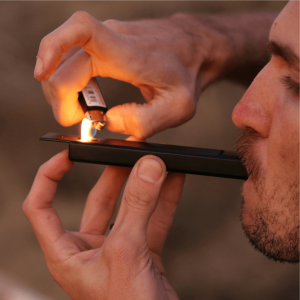
Inhalation (flower, vape): fast on, shorter duration
- Onset: minutes
- Peak: 15 to 60 minutes
- Duration: 2 to 4 hours (often longer for some people)
Good for: falling asleep quickly. Risk: wearing off mid-night, especially for sleep maintenance problems.
Edibles: slow on, longer duration
- Onset: 30 to 120 minutes (sometimes longer)
- Peak: 2 to 4 hours
- Duration: 6 to 8+ hours
Good for: staying asleep longer (sometimes). Risk: taking too much, taking it too late, next-day grogginess, and the classic “this edible ain’t anything… oh no” moment.
Tinctures / oils: middle ground (depending on how used)
- Onset: 15 to 60 minutes (sublingual can be faster than swallowed)
- Duration: often 4 to 6+ hours
Good for: more controllable dosing than edibles, less abrupt than inhalation.
Do this: start earlier than you think you need, especially with edibles.
Do not do this: take a strong edible at 10:30 p.m. and expect to be a functioning adult at 6:30 a.m.
Format matters because dose consistency matters
Sleep is routine-driven. Your brain loves patterns. Your endocannabinoid system also loves consistency, even when you wish it didn’t.
If your goal is sleep, prioritize formats with:
- predictable dosing
- repeatable onset
- clear labeling (mg THC, mg CBD, mg CBN)
The biggest problem with casual bedtime cannabis use is not cannabis. It’s chaos dosing. If you change product, dose, and timing every night, you are basically running a sleep experiment with no notes. That is not a plan. That’s bedtime roulette.
Cannabinoid combinations: what tends to feel sedating (and what tends to get messy)
Here’s the practical, science-respecting view of common combos:
THC + CBD
- CBD may reduce some THC side effects for some people (like anxiety), though results vary.
- The combo can feel calmer and less racy than THC alone.
- This can be a good starting point if THC makes you anxious.
THC + CBN
- Often marketed for sleep.
- May feel more sedating than THC alone for some users.
- Evidence is not definitive, but user reports are common.
CBD + CBN (low or no THC)
- Some people like this for nighttime calm without strong intoxication.
- If you need a strong “off switch,” this may be too gentle.
- If you want subtle support, it may be the sweet spot.
High-THC alone
- Can work fast, but can also suppress REM more and build tolerance faster.
- Higher risk of anxiety in sensitive users.
- More likely to cause next-day impairment if overused.
Do this: pick a combo that matches your problem and your sensitivity.
Do not do this: assume more THC equals more sleep. It can equal more problems.

Tolerance: the sleep thief wearing your favorite hoodie
If you use THC nightly, tolerance can creep in quietly. Then you increase dose. Then you increase again. Then sleep without it feels impossible.
If you want to reduce tolerance and sleep disruption:
- keep THC dose as low as effective
- avoid escalating dose quickly
- consider “THC-light” nights (CBD-forward)
- consider planned breaks, especially if sleep is getting fragmented
Also, be honest about your baseline: if your insomnia is driven by stress, caffeine timing, alcohol, screen habits, or untreated anxiety, cannabis can mask the symptoms without fixing the cause. You will pay that bill later.
Cannabis, dreams, and REM rebound: why quitting can feel like a horror movie marathon
REM suppression is a big reason people say cannabis “stops my dreams.”
When you stop frequent THC use, REM can rebound. That can mean:
- extremely vivid dreams
- intense nightmares
- frequent awakenings
This usually improves over time. If you are tapering or taking a break, plan for a bumpy week or two, not a magical return to perfect sleep on night one.
Do not panic. Do not catastrophize. Do not decide you are “broken.” You are recalibrating.
Safety and side effects: don’t ignore the boring stuff (the boring stuff matters)
Cannabis is not harmless. It is also not automatically dangerous. It is a drug with real effects.
Pay attention to:
- Next-day impairment: especially with edibles or higher doses. Driving while impaired is not brave. It’s stupid.
- Anxiety and panic: THC can trigger or worsen anxiety in some people.
- Mood effects: frequent use can affect mood and motivation in some users.
- Dependence risk: especially with daily use for sleep.
- Interactions: cannabinoids can interact with medications. If you take sedatives, antidepressants, blood thinners, or seizure meds, ask a clinician.
- Sleep disorders: if you suspect sleep apnea, restless legs, or narcolepsy, get evaluated. Cannabis is not the fix for those.
If you are pregnant, trying to conceive, or breastfeeding, avoid cannabis for sleep unless a qualified clinician tells you otherwise. Sleep deprivation is brutal, but so is bad prenatal exposure advice from the internet.
How to use cannabis more intelligently for sleep (without turning it into a nightly crutch)
If you choose to use cannabis for sleep, act like an adult with a plan. Here’s a practical approach:
1) Define the goal
Say it out loud:
- “I want to fall asleep faster.”
- “I want fewer wake-ups.”
- “I want less anxiety at night.”
- “I want pain relief so I can sleep.”
Different goals, different products, different timing.
2) Start low, stay low
Especially with THC. Especially with edibles.
Low doses often work better for sleep than you expect. High doses are where side effects live.
3) Pick one product and one timing window for a week
Be consistent. Keep notes. Sleep responds to patterns.
4) Don’t let cannabis replace sleep hygiene
Do the boring basics anyway:
- keep caffeine earlier in the day
- dim lights at night
- keep your room cool
- avoid alcohol close to bedtime (it disrupts sleep architecture too)
- get morning light
- keep a consistent wake time
Repetition, repetition, repetition. Your brain learns by repetition.
5) Plan tolerance breaks
If you are using THC most nights, consider periodic breaks or CBD-forward stretches. Your future sleep will thank you, even if your present self complains.

So… does cannabis help or hurt sleep?
Both. Often in that order.
In the short term, THC can help you fall asleep and may deepen early sleep, but it often suppresses REM.
Over time, frequent THC use can lead to tolerance, dependence-like patterns, and worse sleep without it.
CBD may support sleep indirectly and sometimes improves sleep outcomes, especially when anxiety or pain is part of the picture.
CBN is promising and popular, but the evidence is still catching up to the hype, and it may work best in combination.
If you want the smartest takeaway, it’s this:
Use cannabis to support sleep, not to replace sleep.
Pick the right cannabinoid mix for your actual problem. Nail your timing. Keep your dose modest. Respect tolerance. And if you’re waking up exhausted no matter what you take, stop guessing and investigate the real cause.
Your sleep is not a guessing game. Treat it like the foundation it is.
Cannabis and Sleep Science: FAQs (Frequently Asked Questions)
1. How does cannabis affect sleep onset and quality?
Cannabis, especially THC-heavy products, can help you fall asleep faster by shortening sleep onset. However, while it may feel beneficial initially, THC can alter sleep quality by suppressing REM sleep and potentially fragmenting sleep over long-term use.
2. What is the impact of THC on different stages of sleep?
THC often reduces the time it takes to fall asleep and can increase deep sleep (slow-wave sleep) early on. However, it commonly suppresses REM sleep, which is important for dreaming, memory consolidation, and emotional processing. These changes can affect overall sleep architecture and balance.
3. Can frequent cannabis use lead to tolerance affecting sleep?
Yes, with long-term or frequent cannabis use, tolerance can develop, meaning you may need higher doses to achieve the same sedative effects. This can lead to more fragmented sleep without cannabis and withdrawal symptoms like rebound dreams and poor sleep if usage stops suddenly.
4. How do CBD and CBN differ from THC in their effects on sleep?
CBD tends to be less sedating but may improve total sleep time indirectly by reducing anxiety, pain, or inflammation depending on dose and individual factors. CBN has a reputation for being sleepy but lacks strong evidence; it may help when combined with THC but isn’t a guaranteed sedative.
5. Why is balancing sleep stages important when using cannabis for sleep?
Sleep comprises cycles with stages including light sleep (N1 and N2), deep restorative sleep (N3), and REM sleep. Cannabis can shift these proportions—like increasing deep sleep but suppressing REM—which might feel good short-term but disrupts the natural balance necessary for optimal physical restoration and emotional processing.
6. What are the potential negative effects of high doses of THC on sleep?
High doses of THC can cause next-day grogginess, anxiety or paranoia, elevated heart rate, dry mouth, mental stimulation in some individuals, and increased nighttime awakenings. While low-to-moderate doses tend to be sedating, higher amounts may backfire by disturbing restful sleep.
Rewards