black and yellow banner image that says 'what is skunkweed'

The Skunky Side of Cannabis: Exploring the World of Skunkweed

If you’re sitting there, scratching your head, and wondering what is skunkweed? You’re in the right place.


Skunkweed may not sound super appealing, but it’s actually a pretty generic term among stoners everywhere. Basically, skunkweed is a type of cannabis that, true to its name, smells a lot like true skunk spray. It all started back in the 70s when people started selectively breeding cannabis for the purpose of a more pungent smell.


Knowing about skunk cannabis is important not just for navigating the world of weed, but also for appreciating the art of crafting different strains. In this blog, we’re going to dive into all the cool details about skunkweed – its characteristics, its uses, and how it’s making waves in the cannabis industry. We’ll give you all the knowledge, bust some myths, and maybe even get you interested in this intriguing variety. Let’s go!


History and Origins

The term “skunkweed” traces its origins back to the distinct aroma that these particular strains of cannabis emit. Much like the pungent scent of a skunk, the smell of skunk weed is potent and unmistakable to those familiar with it.


The early cultivation and distribution of skunkweed and other strains began primarily on the West Coast of the United States during the 1970s. It was a time of experimentation and exploration in cannabis cultivation, and skunkweed was at the forefront, becoming a popular selection among cultivators for its distinct aroma and potent effects.


The strains quickly spread across the country, and eventually to other countries like the Middle East and South America, due to the global scale of their popularity and the ease with which they could be grown even in unfavorable conditions.


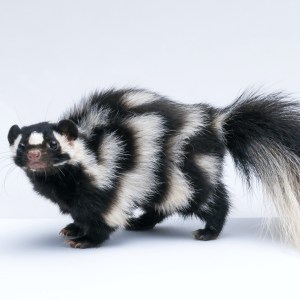
a photo of a skunk


What is Skunkweed: Differentiating Skunkweed From Other Cannabis Strains

When it comes to cannabis strains, skunkweed stands out due to its distinct characteristics.


Unlike other cannabis strains that often possess a sweet or earthy aroma, skunkweed is known for its pungent smell, akin to that of a skunk.


This unique scent is a result of the presence of specific terpenes, which are organic compounds that influence the plant’s fragrance and taste.


Key Visual and Olfactory Characteristics of Skunkweed

Visually, skunkweed plants are typically dense and bushy with vivid green leaves, often showing orange or purple hues. The buds are covered in crystalline trichomes, which signal their high THC content, though they also contain notable levels of THCa, the non-psychoactive precursor to THC. However, the most distinctive feature of skunkweed is its unmistakable, potent odor.

These skunk strains are named for their strong, skunk-like scent that can be detected from afar. This powerful aroma, combined with the plant’s rich cannabinoid profile, makes skunkweed one of the most recognizable cannabis varieties.


mature cannabis plants


Chemical Composition

The chemical composition of skunkweed, just like all cannabis strains, is mainly determined by its cannabinoid profile.


Skunk marijuana is packed with cannabinoids, with tetrahydrocannabinol (THC) and cannabidiol (CBD) being the most common ones, and THC levels often go beyond 20%.


The ratio of these compounds has a big impact on the psychoactive effects and potential therapeutic benefits of these strains.


Alongside cannabinoids, the skunkweed’s aroma, potency, and effects are also influenced by its terpene profile. Terpenes are aromatic compounds found in many plants. They produce distinctive scents such as citrus, pine, tobacco smoke, and of course, skunk in this case.


Some studies suggest that terpenes in cannabis may also contribute to its effects, a phenomenon known as the “entourage effect”, enhancing the overall impact of the strain.


Effects and Uses of Skunkweed

Skunk cannabis has some pretty surprising effects and uses. From its role in traditional medicine to its recreational applications, skunk weed goes way beyond what meets the eye.


Let’s dive into a detailed exploration of the different effects and uses of this fascinating cannabis plant variety!


a joint being passed between people


Recreational and Medicinal Applications of Skunkweed

Skunkweed is renowned for both its recreational and medicinal uses.


On the recreational front, it’s often used for its psychoactive properties, providing users with a sense of relaxation and euphoria.


In contrast, the medicinal uses of skunkweed are quite extensive. Cannabis has been used to alleviate chronic pain, reduce inflammation, and mitigate symptoms of conditions such as epilepsy, multiple sclerosis, and even certain types of cancer.


Common Reported Effects and Experiences of Skunkweed

Those who use skunkweed commonly report a variety of effects and experiences, often dependent on the strain and individual tolerance.


Most users describe feeling deeply relaxed and a little happy, while others may find themselves experiencing altered sensory perception. Some might also report heightened creativity or introspection.


However, it is key to note that skunkweed smoke can also cause less desirable effects in some individuals such as paranoia, elevated stress levels, anxiety, or dry mouth. As such, it is always recommended to use skunk weed responsibly and in a safe, comfortable environment.


Controversies and Concerns

As with all other cannabis products, skunkweed is considered a relatively taboo topic. Here’s why:


Legal Status and Regulation of Skunkweed

The legal status of skunk cannabis varies significantly worldwide, creating a controversial landscape.


In some jurisdictions, smoking skunkweed is fully legal and regulated, while in others, its possession, distribution, or use may lead to criminal charges. The inconsistency in regulations often leads to confusion and debates about its legal status.


Advocates argue for its medicinal benefits, and critics highlight the potential for misuse and addiction. This ongoing debate influences the development of laws and regulations surrounding skunk cannabis, leaving its legal status in a constant state of flux.


Safety and Health Concerns of Skunk Cannabis

Skunk weed, like any substance, comes with its own set of safety and health concerns. While some users report therapeutic effects, others express concerns about potential health risks.


Prolonged cannabis use can lead to dependency, and there are also concerns about its effect on mental health, specifically the potential to cause or exacerbate conditions like anxiety or psychosis.


Furthermore, like all plants, skunkweed can carry pesticides or other harmful substances if not properly grown and harvested, adding another layer of risk. These health and safety concerns contribute significantly to the ongoing debates around skunk cannabis.


Cultivation and Strain Variations of Skunkweed

Did you know that skunkweed has its unique cultivation process and strain variations that set it apart from other marijuana strains? Keep reading for an inside look.


Growing Conditions and Challenges of Skunkweed

Skunkweed thrives in a warm, sunny climate with temperatures ideally between 70 to 85 degrees Fahrenheit. It requires a slightly acidic to neutral pH and rich, well-drained soil to grow optimally.


One of the challenges in growing skunk cannabis is its strong, pungent odor, requiring appropriate measures for odor control. It is also susceptible to pests like spider mites, so regular checks are necessary.


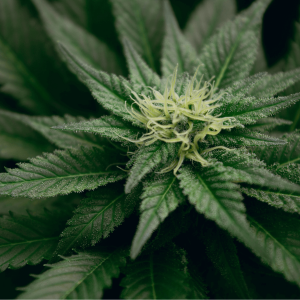
green cannabis leaves in a close up photo


Popular Skunk Strains

Several popular skunk strains have risen to prominence among cannabis enthusiasts and many growers.


The Super Skunk strain, known for its robust aroma and high yield, is preferred by commercial growers. Early Skunk is favored for its resistance to mold and robustness, making it suitable for less-than-optimal growing conditions. Other strains like Lemon Skunk and Shiva Skunk have quickly risen in popularity thanks to their skunk genetics, as well.


Finally, Skunk #1, a legendary strain, continues to be popular due to its balanced effects and consistent growth pattern.


The Skunkweed Market

The skunk cannabis market exhibits a dynamic landscape, largely determined by its availability and pricing.


Thanks to advanced indoor cultivation techniques and widespread distribution, skunk cannabis is pretty easy to find in different areas. When it comes to pricing, though, it can vary a lot based on quality, strain, and where you are.


However, skunk cannabis consumption is definitely on the rise. People are more aware of its benefits and with regulations easing up, more stoners are giving it a try. And it’s not just for fun – Skunk cannabis is getting recognized for its therapeutic uses too, so its popularity keeps growing.


an up-close image of a maturing cannabis plant


Myths and Misconceptions

An array of myths and misconceptions exists about skunkweed, often leading to unnecessary fears or misuse.


One common misconception is that all skunk cannabis plants are due to their pungent smell, they are harmful and should be avoided. This couldn’t be further from the truth! Many varieties of skunkweed are entirely safe, offering medicinal properties that can aid in managing various health conditions.


Additionally, some believe that skunk cannabis is an invasive species that negatively impacts all ecosystems. While it’s true that certain types can spread rapidly, many native ecosystems rely on skunkweed as part of their natural balance.


Dispelling these myths is crucial in appreciating skunkweed’s potential benefits and understanding its role within our ecosystems.


Conclusion

In conclusion, skunk cannabis, with its distinct characteristics and uses, has proven to be a fascinating cannabis plant variety.


Through this blog, we’ve uncovered that skunkweed is not only known for its robust survival skills but also for its diverse medicinal applications and environmental benefits.


However, it’s important to remember that like any other plant, skunkweed requires responsible cultivation and usage. Its potential lies in the hands of those who respect its properties and strive to understand its nature better.


Remember, nature gifts us with wonders like cannabis seeds; it’s up to us to unlock their potential in a sustainable and respectful way.


FAQ

Jenna Renz

Jenna is a California-based creative copywriter who’s been lucky enough to have worked with a diverse range of clients before settling into the cannabis industry to explore her two greatest passions: writing and weed.

  • Social Link

Related Blogs