black and yellow banner image for sativa vs indica vs hybrid explained

Sativa vs. Indica vs. Hybrid: What These Labels Actually Mean in 2025

Sativa vs. indica vs. hybrid (explained) is still the most common way people shop for cannabis in 2025, and it’s also one of the fastest ways to buy something that doesn’t feel like you expected.

Because here’s the plot twist: those labels do mean something, but not the thing most shoppers think they mean.

If you’ve ever said “indica knocks me out” or “sativa makes me anxious,” you’re not imagining your experience. You’re just giving credit to the wrong part of the plant. The effects you feel are usually driven by cannabinoid ratios (like THC:CBD) and terpene profiles (the aromatic compounds that do a lot more than smell pretty), plus your dose, your tolerance, and your mood that day. Yes, your mood. Cannabis is nosy like that.

So let’s myth-bust the sativa/indica/hybrid thing without being annoying about it. Then we’ll turn it into something useful: how to shop smarter using terpene info and effect-based filters, so you can stop playing strain roulette.

The 2025 reality check: sativa, indica, and hybrid are not effect guarantees

The classic story goes like this:

  • Sativa = energetic, creative, daytime
  • Indica = sleepy, heavy, nighttime
  • Hybrid = somewhere in the middle

It’s tidy. It’s memorable. It’s also not reliably predictive.

In 2025, the most honest way to describe these labels is:

  • They’re broad botanical and commercial categories.
  • They’re often used as marketing shorthand.
  • They do not consistently predict how a product will feel for you.

Why not? Because modern cannabis products are bred, crossed, selected, and renamed so extensively that the label on the jar often tells you more about the plant’s “family story” than its real-world effects in your body.

Repeat after me: labels are not effects. Labels are not effects. Labels are not effects.

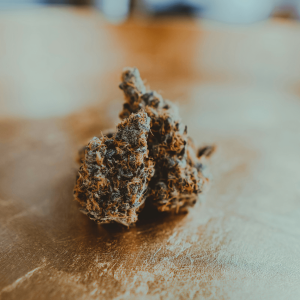
single nug

What the labels actually mean (without the fairy tale)

1) What “sativa” actually means

Historically, “sativa” refers to cannabis types that were often associated with:

  • Taller plants
  • Narrower leaves
  • Longer flowering times
  • Different growth patterns than broad-leaf varieties

That’s botanical and agricultural info. It helps cultivators. It helps breeders. It helps basically everyone… except the shopper trying to predict whether they’ll end up reorganizing their closet at 11 p.m.

2) What “indica” actually means

“Indica” historically points to cannabis types that were often associated with:

  • Shorter, bushier plants
  • Broader leaves
  • Faster flowering times
  • Different regional origins and cultivation traits

Again: useful for growing. Not a promise that your eyelids will become weighted blankets.

3) What “hybrid” actually means

“Hybrid” is the most honest label of the three, because it basically admits:

“This is a mix, and modern cannabis is mostly a mix.”

In 2025, most products on shelves are hybrids in genetic terms, even if they’re sold as “sativa” or “indica.” The label usually signals the vibe the brand wants you to expect, not a lab-verified effects guarantee.

Why the sativa/indica effect myth won’t die (and why you shouldn’t feel bad)

This myth survives because it’s convenient and it sometimes feels true.

If you’ve had “indicas” that felt heavy and “sativas” that felt bright, there’s a reason: certain terpene patterns show up more often in certain product lineages, and dispensary culture reinforced the same story for decades. Then strain names, menu categories, and budtender scripts locked it in.

But the market changed. Breeding changed. Lab testing became standard. Concentrates and vapes exploded. Edibles became precision dosed. And the old binary got left behind, still yelling into the void like a flip phone.

So yes, your experience is valid. The map is just outdated.

What actually drives effects in 2025: cannabinoids + terpenes + you

If you want a better predictor than “indica vs sativa,” focus on three buckets.

Bucket #1: Cannabinoid ratios (THC, CBD, and friends)

Cannabinoids are the primary active compounds. The big ones:

  • THC (Δ9-THC): intoxication, euphoria, altered perception, can also increase anxiety at higher doses for some people
  • CBD: not intoxicating, often described as calming or balancing, can reduce THC intensity for some users
  • Minor cannabinoids (depending on product and testing): CBG, CBC, THCV, CBN, and others, each with emerging research and lots of marketing noise

Practical truth: THC percentage alone is not the whole story, but it does matter, especially for dose and intensity. A 32% THC flower isn’t “better.” It’s just louder.

If you want predictability, start with ratios:

  • Want gentler? Consider lower THC or THC:CBD balanced options.
  • Want stronger? Fine. Just don’t confuse “strong” with “good,” and don’t confuse “good” with “right for you.”

Bucket #2: Terpene profiles (the underrated steering wheel)

Terpenes are aromatic compounds found in cannabis (and many plants). They influence smell and flavor, and they’re believed to contribute to the overall experience, especially in combination with cannabinoids.

Here are terpenes shoppers most often see on lab results and strain pages, plus the common way people describe them:

  • Myrcene: earthy, musky; often associated with “relaxing,” “heavy,” “body” effects
  • Limonene: citrus; often described as “uplifting,” “bright,” “mood”
  • Pinene: pine; often linked to “clear-headed,” “alert” feelings for some
  • Caryophyllene: peppery; often described as “grounding,” “calming,” sometimes tied to body comfort
  • Linalool: floral; often associated with “soothing,” “chill”
  • Terpinolene: herbal/sweet; often reported as “energizing” by some, but can be polarizing

Important: terpene effects are not a guaranteed pharmacological promise at typical consumer doses. But as a shopping framework, terpene profiles are still one of the best practical tools we have because they correlate with how products tend to feel for many users.

In other words: terpenes won’t predict your future, but they’ll predict it better than “indica.”

Bucket #3: You (tolerance, mindset, setting, and biology)

Cannabis is personal. Annoyingly personal.

The same product can feel different based on:

  • Your tolerance and recent use
  • Your body size and metabolism
  • Whether you ate (especially for edibles)
  • Stress levels, sleep debt, and mood
  • The setting you’re in and what you plan to do

So yes, you can buy a “sleepy indica” and still end up deep-cleaning your kitchen. Your nervous system did not read the label.

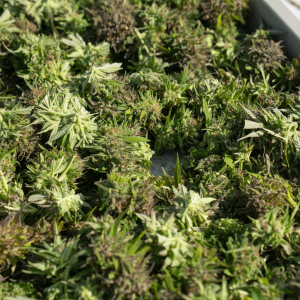
trimmed cannabis flower

Why two “indicas” can feel totally different

Because “indica” is not a chemical profile.

Two products can both be sold as “indica” and have:

  • Different THC levels
  • Different CBD content
  • Completely different terpene dominance
  • Different freshness and storage conditions
  • Different consumption methods (flower vs vape vs edible)

And method matters. A lot.

  • Inhalation (flower/vape): fast onset, easier to titrate, effects peak sooner
  • Edibles: slower onset, longer duration, harder to dose, more intense for many people
  • Concentrates: high potency, rapid intensity, more likely to feel “too much” if you overshoot

Buying by label ignores all of that. It’s like choosing wine by the color of the bottle.

The commercial truth: menus still use these labels because shoppers ask for them

Dispensaries and brands keep “sativa/indica/hybrid” categories because they’re familiar, searchable, and fast. People walk in asking for “a sativa.” People browse online filtering for “indica.” It’s retail reality.

So don’t fight the labels. Use them as a first filter, not the final decision.

Use the label to get in the neighborhood, then use terpenes and cannabinoids to pick the actual house.

How to shop smarter in 2025 (do this, not that)

Step 1: Start with the effect you want, not the plant type

Before you click anything, decide the goal:

  • Relaxation without couch-lock?
  • Sleep?
  • Daytime focus?
  • Social buzz?
  • Pain or body comfort vibes?
  • Creativity?
  • Minimal anxiety?

Say it out loud. Be specific. “Chill” is not a plan. “Chill but functional” is a plan.

Step 2: Choose a THC range you can handle

Be honest. Be brave. Be humble.

  • If you’re newer or sensitive: consider low-to-mid THC options or balanced THC:CBD
  • If you’re experienced: still pick intentionally, because high THC can bulldoze the subtle benefits of terpene nuance

If you regularly get anxious, don’t “power through” with higher THC. That’s not a personality trait. That’s just uncomfortable.

Step 3: Use terpene cues to narrow choices

Look for terpene info on strain pages, product descriptions, or lab results when available. Then match to your target effect.

Common shopper matches (not medical claims, just practical pattern-matching):

  • For sleep or deep relaxation: often myrcene-forward, sometimes linalool-forward, sometimes caryophyllene in the mix
  • For mood lift and “sunny” vibes: often limonene-forward
  • For clear-headed energy: often pinene and/or terpinolene showing up, with a careful eye on THC if you’re anxiety-prone
  • For grounded calm and body comfort: often caryophyllene-forward with supporting terpenes

Don’t treat this like gospel. Treat it like a compass.

Step 4: Read the product form like it matters (because it does)

Same strain name. Different experience.

  • Flower can feel broader and more nuanced.
  • Distillate vapes can feel sharper and more one-note if they’re light on native terpenes.
  • Live resin and rosin vapes often retain more of the original terpene character.
  • Edibles ignore most of this and bring their own chaos timeline.

If you want the most predictable “try and adjust” experience, inhalation usually wins. If you want long duration, choose edibles and plan your evening like an adult.

Step 5: Keep notes like a nerd (it pays off)

Do this for 2 weeks and you’ll shop like a professional.

Track:

  • Product name and brand
  • THC and CBD percentage or mg
  • Top terpenes (if listed)
  • Dose
  • How it felt (body vs head, calm vs racy, sleepy vs alert)
  • Any side effects (dry mouth, anxiety, fog, hunger, etc.)

Then repeat: buy what works. Not what’s trendy. Not what has a loud THC number. Not what your friend swears by while also drinking three energy drinks a day.

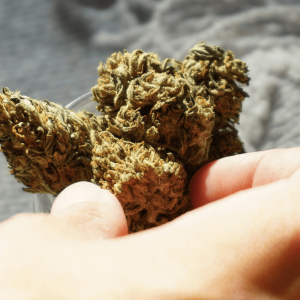
person reaching for cannabis nugs

So… should you ignore sativa/indica/hybrid completely?

No. Just stop treating it like a fortune teller.

Here’s the sane way to use the labels in 2025:

  • Sativa: often marketed for uplifting or energizing experiences; verify with terpenes and THC level
  • Indica: often marketed for relaxation or nighttime; verify with terpenes and THC level
  • Hybrid: a catch-all; verify everything, because “hybrid” can mean “anything happened here”

Treat the label like the genre of a movie. Action, drama, comedy. Helpful. Not a guarantee you’ll like it.

FAQ (the questions everyone asks, every day)

“Why does a sativa make me sleepy?”

Because it’s not the label doing that. It could be:

  • High THC and you’re over your comfortable dose
  • A terpene profile that leans relaxing
  • You used it late, you were already tired, and cannabis amplified that
  • The product is older, harsher, or just not a match

Also, sometimes your body just votes “nap.” Democracy is messy.

“Why does an indica make me anxious?”

Common reasons:

  • THC is high and you overshot your dose
  • The terpene mix doesn’t agree with you
  • You’re in a stressful setting
  • Caffeine, lack of sleep, or underlying anxiety is in the mix

Lower the dose next time. Choose lower THC. Consider a balanced THC:CBD product. Boring advice, excellent results.

“Are terpenes proven to determine effects?”

Terpenes clearly drive aroma and flavor. Their role in subjective effects is widely discussed and supported by consumer reporting, product chemistry patterns, and emerging research interest, but it’s not a simple “terpene X causes feeling Y” equation for every person at every dose.

Use terpenes as a practical shopping tool, not a medical guarantee. You want better odds, not a magic spell.

“Does ‘indica dominant’ or ‘sativa dominant’ mean anything?”

It usually means the breeder or brand is communicating a lean in plant lineage or expected vibe. It can be a hint, but it’s still not as predictive as the cannabinoid and terpene details.

The bottom line: stop buying vibes, start buying chemistry

Sativa vs. indica vs. hybrid in 2025 is best understood as a legacy labeling system that helps people navigate a menu quickly, but it’s not a reliable shortcut to the effects you’ll feel.

Want to shop smarter?

  • Choose your goal.
  • Pick a THC range you can handle.
  • Use terpene profiles and cannabinoid ratios to narrow options.
  • Use effect filters on the menu.
  • Repeat what works. Repeat what works. Repeat what works.

Do that, and the labels can stay on the shelf where they belong: helpful, familiar, and finally not in charge.

FAQ

Jenna Renz

Jenna is a California-based creative copywriter who’s been lucky enough to have worked with a diverse range of clients before settling into the cannabis industry to explore her two greatest passions: writing and weed.

  • Social Link

Related Blogs