black and yellow banner image for how to read cannabis label blog

How to Read a Cannabis Product Label: THC%, CBD%, Terpenes & More Explained

How to read cannabis label is the difference between buying what you meant to buy and accidentally taking a one-way trip to “Why is my heartbeat narrating my life story?”

If you’ve ever stared at a dispensary menu like it’s a restaurant written in algebra, this is for you. Labels look official, scientific, and slightly intimidating on purpose. But they’re not a secret code. They’re a receipt for what’s inside the package, plus clues about how it might feel.

Let’s decode the whole thing: THC%, CBD%, terpene panels, batch dates, “indica vs sativa,” lab testing, and the red flags you should not ignore.

The label is not a vibe. It’s a spec sheet.

Read it like you’re buying coffee beans, not a horoscope.

  • THC% and CBD% tell you potency, not destiny.
  • Terpenes tell you likely direction, not a guarantee.
  • Dates tell you freshness, not “still technically legal to sell.”
  • Lab results tell you what’s tested, not what’s magically safe forever.

Your goal: reduce surprises. Keep the good surprises for birthday parties.

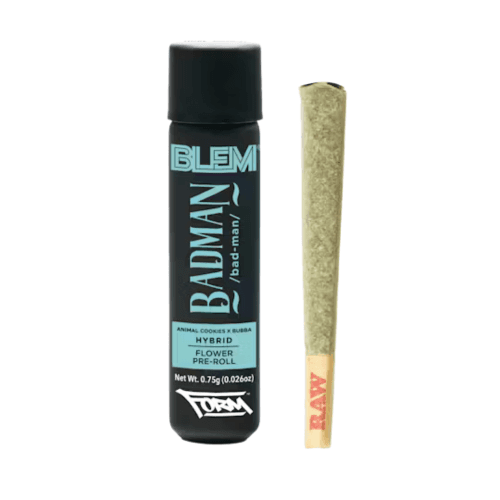
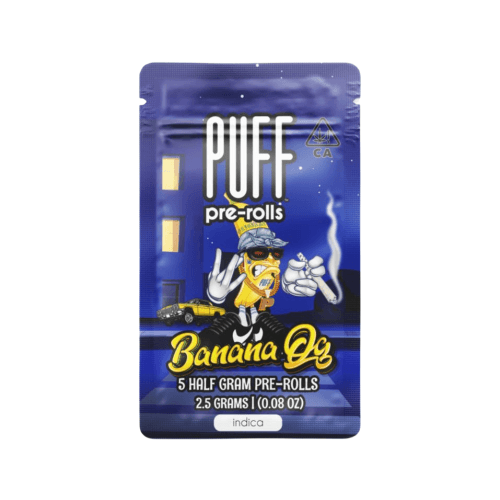
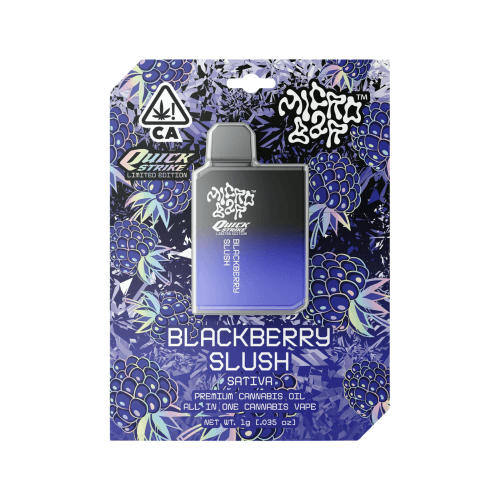
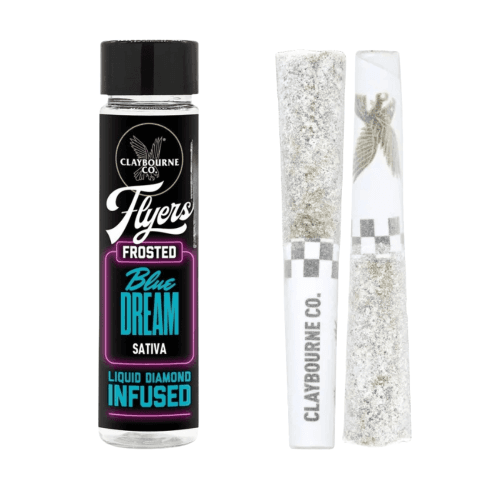
A mock cannabis label (so you know what you’re looking at)

Here’s a simple mock label you can compare to what you see on flower, pre-rolls, vapes, concentrates, and edibles.

Mock Label: “Blue Citrus Sample” (Flower)

  • Product type: Flower
  • Cultivar/Strain name: Blue Citrus Sample
  • Brand: Example Farms
  • Net weight: 3.5 g
  • Classification: Hybrid
  • Harvest date: 2026-02-12
  • Packaged date: 2026-03-01
  • Batch/Lot: BC-0212-03
  • “Third-party lab tested”: Yes
  • COA / QR code: Scan for certificate of analysis
  • Ingredients (if applicable): (Flower usually: cannabis only)
  • Warnings: For adult use only. Keep out of reach of children.

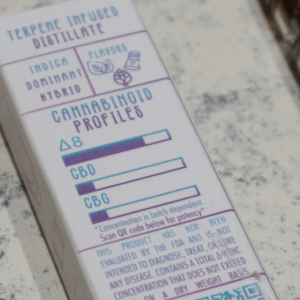
Cannabinoid Content (by %)

Terpene Profile (total: 2.4%)

Now let’s break down what each part means and how to use it when you’re ordering.

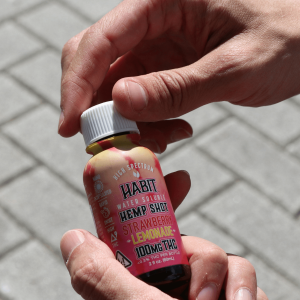
delta 9 hemp shot

THC%: what it means (and what it does not mean)

THC% is potency, not the exact intensity of your experience. It tells you how much THC is in the product by weight (commonly shown as a percentage for flower and concentrates).

What THC% is good for

Use THC% to compare products in the same category.

  • Comparing flower to flower: useful.
  • Comparing one vape cartridge to another: useful.
  • Comparing a gummy to a live rosin dab: not useful. That’s like comparing hot sauce to a campfire.

Why THC% doesn’t equal “how high you’ll get”

Your experience depends on:

  • Dose (how much you consume)
  • Tolerance
  • Method (smoke/vape hits faster; edibles hit later and longer)
  • Terpenes and minor cannabinoids
  • Set and setting (yes, your mood matters; annoying, but true)

A well-grown 18% flower with a rich terpene profile can feel “stronger” than a dry, old 28% product that tastes like attic.

THCA vs THC: the sneaky detail on many flower labels

On many flower labels you’ll see THCA listed. THCA is the acidic form that converts to THC when heated (smoked/vaped).

  • THCA is not intoxicating in raw form
  • Heat converts THCA to THC (decarboxylation)

Some labels show “Total THC,” some show THC + THCA separately. If you only see THCA, don’t panic. That’s normal.

Practical rule: if the label shows high THCA, expect it to behave like high-THC flower when smoked or vaped.

CBD%: the calm co-pilot (sometimes the hero)

CBD% tells you how much cannabidiol is present. CBD is not intoxicating, but it can influence how THC feels for some people.

How to use CBD% on labels

  • High THC + low CBD (like THC 25% / CBD 0.1%): often more intense, sharper edges for newer users.
  • Balanced or mixed ratio (like THC 8% / CBD 8% or THC 12% / CBD 6%): often more functional, steadier, less “too much.”
  • High CBD + low THC: minimal intoxication, more body-oriented effects for many.

CBD isn’t a universal “undo” button, but it’s often a smart choice if you want a more controlled experience.

Minor cannabinoids: small numbers, real impact

If the label includes cannabinoids beyond THC and CBD, that’s a good sign the brand tests more thoroughly.

Common ones you might see:

  • CBG: often described as clear-headed or “daytime”
  • CBN: often associated with sleepy effects (especially in combination with THC)
  • CBC: less commonly highlighted, sometimes linked to mood support

Don’t overthink tiny percentages. Do notice when a product consistently shows meaningful amounts.

Terpene panel: your best shortcut to predicting effects

Terpenes are aromatic compounds that also appear in many plants (citrus peels, pine needles, herbs). On cannabis labels, a terpene panel gives you clues about flavor and likely effect direction.

Two key things to read:

  • Total terpenes %
  • Which terpenes are dominant

Total terpenes: the “freshness + richness” signal

  • Around 1–3% in flower is common for quality products (varies widely by strain and curing).
  • Very low terpene totals can correlate with dull flavor and a flatter experience.

Terpenes aren’t everything, but they’re rarely nothing.

How to read the big three: myrcene, limonene, caryophyllene

Myrcene

  • Often described as: earthy, herbal, musky
  • Commonly associated with: relaxing, heavy, “sink into the couch”
  • Label clue: if myrcene is the top terpene, expect more body-forward vibes

If you want “night mode,” myrcene is frequently on that team.

Limonene

  • Often described as: citrus, bright, sharp
  • Commonly associated with: uplift, mood, energy
  • Label clue: if limonene is high, expect a more upbeat, heady direction

If you want “clean the kitchen with music on,” limonene often shows up.

Beta-Caryophyllene

  • Often described as: peppery, spicy, woody
  • Commonly associated with: grounded, calming, body comfort
  • Special nerd note: it can interact with CB2 receptors, which is why people get excited about it

If you want “chill but functional,” caryophyllene is a strong candidate.

Other terpenes you’ll see a lot (and why they matter)

Pinene (alpha/beta-pinene)

  • Smells like: pine, rosemary
  • Often linked to: alertness, clarity
  • Good for: “I want to be high, not lost.”

Linalool

  • Smells like: floral, lavender
  • Often linked to: relaxation, calming
  • Good for: winding down without getting smacked by a sedation hammer

Humulene

  • Smells like: hops, woody
  • Often linked to: earthy, mellow, grounded effects

Terpinolene

  • Smells like: sweet, floral, fresh
  • Often linked to: energetic or buzzy for some people
  • Note: It can be polarizing. Some love it. Some get anxious. Start small.

Quick terpene matching (use this at the menu)

Pick your goal, then look for dominant terpenes:

  • Chill and sleepier: myrcene, linalool
  • Uplift and social: limonene, terpinolene
  • Clear-headed: pinene
  • Body calm without total shutdown: caryophyllene, humulene

Repeat after me: read the terpenes, read the terpenes, read the terpenes.

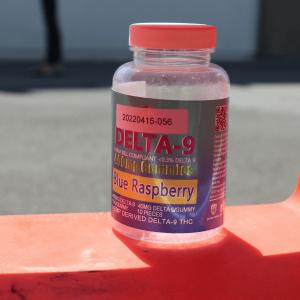
delta 9 capsules

Indica / Sativa / Hybrid: helpful shorthand, not a law of nature

Labels often classify products as indica, sativa, or hybrid. That’s not useless, but it’s not precise science either.

  • Indica on the label often signals: body relaxation, evening use, calmer vibe
  • Sativa often signals: uplifting, daytime, more cerebral
  • Hybrid often means: somewhere in the middle (or “this didn’t fit neatly in either bucket”)

Here’s the practical move: use indica/sativa/hybrid as a first filter, then confirm with terpenes and cannabinoids.

If the label says “sativa” but it’s myrcene-dominant and high in linalool, don’t be shocked if it feels more like a nap invitation.

Harvest date, package date, and batch number: freshness matters

Cannabis is agricultural. It gets old.

What to look for

  • Harvest date: when the plant was cut
  • Packaged date: when it was sealed for sale
  • Batch/Lot number: the specific production run (important for tracing lab results)

Why you should care

  • Terpenes evaporate over time.
  • Flower dries out.
  • THC slowly degrades (some converts into other cannabinoids over time).
  • Old product can feel harsher and taste worse, even if the THC% looks great on paper.

Practical rule: for flower, newer is usually better. If it’s many months old, ask yourself if you’re buying cannabis or a history lesson.

“Third-party lab tested”: what that actually means

“Lab tested” is a phrase brands love because it sounds safe. But you want specifics.

A real test should connect to a COA (Certificate of Analysis), usually via a QR code or a batch number you can look up.

What a COA should typically include

Depending on the product type and state regulations, a COA may show:

  • Cannabinoid potency (THC, CBD, minor cannabinoids)
  • Terpene profile (sometimes optional, sometimes included)
  • Microbials (mold, mildew, bacteria)
  • Heavy metals (lead, arsenic, cadmium, mercury)
  • Pesticides
  • Residual solvents (especially for extracts and vapes)
  • Mycotoxins (toxins produced by certain molds)
  • Foreign material screening

The key detail: match the COA to your product

Make sure the COA batch/lot number matches the label. If it doesn’t match, it’s the wrong report. That’s not a fun scavenger hunt. That’s a nope.

“Passed” isn’t the whole story

A COA can show pass/fail, but also actual numbers. If you’re sensitive, those numbers matter. And if a brand won’t provide a COA at all, treat that like a restaurant refusing to tell you whether the chicken is cooked.

Ingredients and additives: where the red flags live (especially vapes and edibles)

Flower labels are usually simple. Vapes, edibles, beverages, tinctures, and topicals can get… creative.

Vape additives to be cautious about

Many regulated markets restrict or ban certain additives, but you should still read closely.

Look for:

  • Added terpenes: can be cannabis-derived or botanical-derived (not automatically bad, but worth knowing)
  • Flavoring agents: ask what they are if it’s vague
  • Cutting/thinning agents: avoid anything that sounds like “we diluted this to make it flow”

Plain-English rule: you want cannabis oil and terpenes, not a chemistry set with a mango personality.

Edibles: dosage and ingredients matter more than strain names

For edibles, the label priorities change:

  • THC per serving and THC per package
  • CBD per serving (if included)
  • Number of servings
  • Onset expectations (sometimes included)
  • Allergens (gelatin, nuts, dairy, gluten)

Strain names on edibles are often marketing. Use dosage and cannabinoid ratios as your anchor.

Artificial colors, sweeteners, and “mystery blends”

Not everyone cares. Some people do. If you’re sensitive, look for:

  • Artificial dyes
  • Sugar alcohols (can upset stomachs)
  • “Proprietary blend” with no details

If the label gets coy, assume the product is doing something it doesn’t want to explain.

Net weight and serving size: don’t get tricked by packaging confidence

A sleek jar does not mean you got more cannabis.

  • Flower commonly comes in 1g, 3.5g (eighth), 7g (quarter), 14g (half), 28g (ounce)
  • Pre-roll multipacks vary widely
  • Edibles can be 10mg x 10 pieces or 100mg in one piece (read carefully)
  • Vapes are usually listed in grams (like 0.5g or 1g)

Read the number. Ignore the swagger.

Putting it together: how to choose the right product in 30 seconds

Use this quick label-first flow when you’re browsing a menu:

  • Pick your goal: sleep, calm, focus, social, pain relief, creativity.
  • Choose product type: flower, vape, edible, tincture. Don’t overcomplicate it.
  • Check THC and CBD: pick a potency you can handle, not one that can handle you.
  • Read dominant terpenes: match them to your goal (myrcene, limonene, caryophyllene are your starting trio).
  • Check harvest/pack date: fresher is usually better.
  • Confirm COA access: QR code or batch lookup. Match the lot number.
  • Scan ingredients/additives: especially for vapes and edibles.

Do it every time. Yes, every time. Consistency beats regret.

Common label traps (and how to avoid them)

Trap 1: “Highest THC = best”

Nope. Sometimes highest THC means harsh smoke, dry buds, and an experience like being yelled at by a lemon.

Trap 2: “Indica knocks me out, sativa wakes me up”

Sometimes. But terpenes and your body decide the final outcome.

Trap 3: “This edible says ‘sativa gummy’ so it’ll be energetic”

Maybe. Or maybe it’s just a gummy with THC and a dream.

Trap 4: “Lab tested” with no COA

That’s not transparency. That’s a sticker.

Trap 5: Old product with impressive numbers

Numbers can stay on the label while terpenes quietly exit the building.

cannabis and terpenes

Final checklist: read this before you hit “add to cart”

  • THC%: compare within category, not across everything
  • CBD%: use it to soften intensity or aim for balance
  • Terpenes: read dominant terpenes and total % for effect direction
  • Dates: prioritize fresher harvest/package dates when possible
  • Indica/sativa/hybrid: use as a rough filter, then verify with terpenes
  • COA: scan it, match the batch, look for real testing categories
  • Additives: especially in vapes and edibles, avoid vague “mystery” ingredients

You don’t need to become a cannabis scientist. You just need to read what’s right in front of you.

Now go shop with confidence. And please, for the love of your schedule, don’t “experiment” on a Tuesday at 2 p.m.

FAQ

Jenna Renz

Jenna is a California-based creative copywriter who’s been lucky enough to have worked with a diverse range of clients before settling into the cannabis industry to explore her two greatest passions: writing and weed.

  • Social Link

Related Blogs