Cannabis vs. Alcohol: What’s Actually the Difference for Your Body and Mind?

Cannabis vs. Alcohol: What’s Actually the Difference for Your Body and Mind?

Cannabis vs. alcohol is no longer a niche debate for wellness nerds and podcast hosts. It is a real-world question showing up at dinners, weddings, concerts, and yes, Tuesday nights when you just want to take the edge off without waking up feeling like a dried-out sponge.

And if you are part of the sober-curious wave, you are not imagining the shift. A lot of Gen Z is actively drinking less, and a noticeable chunk of Dry January participants are swapping cocktails for cannabis February through December, too. Not because cannabis is “perfect,” but because for many people it feels like a different kind of off switch.

So let’s do the comparison properly. No moral panic. No “weed is harmless” fantasies. No “alcohol is evil” speeches. Just the practical differences in how each substance works in your body and mind, how long it lasts, what the next morning looks like, and what the long-term risks actually are.

The 10-second summary (for people with a life)

  • Alcohol is a small molecule that spreads through your body fast, hits multiple brain systems at once, and can impair coordination, judgment, and sleep quality. It also creates a toxic metabolite called acetaldehyde, which contributes to hangovers and long-term damage.
  • Cannabis works mainly through your endocannabinoid system (ECS). The experience depends heavily on dose, product type, and whether you inhale or ingest. It can impair attention, reaction time, and short-term memory, but it does not create ethanol-style metabolites.
  • Onset and duration differ wildly: alcohol is relatively predictable; cannabis is predictable only if you use the right format and dose.
  • Dependence risk exists for both, but the pattern looks different.
  • The “best” choice depends on your body, mental health, goals, and the setting. Choose intentionally. Dose intentionally. Repeat: dose intentionally.

Now let’s get into what is actually happening under the hood.

What alcohol does in your body (the blunt version)

Alcohol (ethanol) is water-soluble and fat-soluble, which is a fancy way of saying it travels everywhere. Your body treats it like a toxin because, well, it is one.

How your body processes alcohol

Most alcohol is metabolized in your liver, mainly through:

  • Alcohol dehydrogenase (ADH) converting ethanol into acetaldehyde
  • Aldehyde dehydrogenase (ALDH) converting acetaldehyde into acetate, which is less harmful and eventually broken down into water and carbon dioxide

That middle step matters. Acetaldehyde is toxic and is strongly associated with hangover symptoms and tissue damage. If you have genetics that reduce ALDH activity (common in some East Asian populations), acetaldehyde can build up faster, leading to flushing, nausea, and higher risk of harm.

Alcohol also acts as a diuretic, which encourages fluid loss. Translation: dehydration and electrolyte imbalance can join acetaldehyde in kicking you while you are down.

What alcohol does in the brain

Alcohol is a “broad-spectrum” drug. It does not politely knock on one door. It barges into several rooms at once, including:

  • GABA (generally inhibitory): alcohol enhances GABA activity, producing relaxation and sedation
  • Glutamate (generally excitatory): alcohol inhibits glutamate signaling, impairing learning and memory
  • Dopamine reward pathways: contributes to the “ahh” feeling and reinforcement
  • Effects on serotonin, endorphins, and other systems also show up depending on dose and person

This is why alcohol can feel social and calming at first, then sloppy, impulsive, emotional, or aggressive later. It is not revealing your “true self.” It is changing brain signaling and lowering inhibition.

friends lighting a joint

What cannabis does in your body (the blunt version)

Cannabis works primarily through the endocannabinoid system (ECS), which helps regulate mood, stress response, appetite, sleep, pain, and memory. Your body already produces its own cannabinoid-like compounds (endocannabinoids). Cannabis introduces plant cannabinoids that interact with the same system.

The key players: THC and CBD

  • THC (tetrahydrocannabinol) is the main intoxicating compound. It binds to cannabinoid receptors, especially CB1 receptors in the brain, which is why it can alter perception, time sense, coordination, and memory.
  • CBD (cannabidiol) is non-intoxicating and interacts with the ECS more indirectly. Many people find it moderates THC’s intensity for them, though results vary.

Cannabis is not one experience. It is a category. A little like saying “beverages.” That could mean espresso, chamomile tea, or a 64-ounce energy drink.

How your body processes cannabis

THC is fat-soluble, which affects both duration and detectability. It is metabolized largely in the liver into several metabolites, including:

  • 11-hydroxy-THC (especially relevant for edibles), which can be more potent and longer-lasting than THC itself in terms of subjective effects

Important point for the hangover crowd: cannabis does not produce acetaldehyde because there is no ethanol involved. That does not mean cannabis can never produce a rough next day, but it is not the same biochemical punch as alcohol.

Onset and duration: why alcohol feels “predictable” and cannabis sometimes does not

If you want one practical reason people get into trouble with cannabis, it is this: they treat edibles like a beer. Bad plan.

Alcohol onset and duration

  • Onset: often within 10 to 30 minutes, depending on stomach contents and speed of drinking
  • Peak: commonly around 30 to 90 minutes
  • Duration: varies, but impairment can last several hours and depends heavily on amount, body size, sex, metabolism, and drinking pace

Alcohol also has a relatively straightforward relationship between “how much you drink” and “how impaired you get,” even if people love pretending otherwise. It’s important to note that excessive alcohol consumption can lead to severe hangovers, but research suggests that certain remedies may help mitigate these effects. For instance, a recent study from USC highlights the potential benefits of DHM in providing liver protection and alleviating hangover symptoms.

Cannabis onset and duration (depends on format)

Inhalation (flower, vape)

  • Onset: 1 to 10 minutes
  • Peak: 15 to 60 minutes
  • Duration: often 2 to 4 hours, sometimes longer

Edibles

  • Onset: 30 minutes to 2 hours (sometimes more)
  • Peak: 2 to 4 hours
  • Duration: 6 to 10 hours, sometimes longer

Sublinguals (tinctures, some dissolvables)

  • Onset: often 15 to 45 minutes (varies)
  • Duration: often somewhere between inhalation and edibles

Repeat after me: edibles are slow. Start low. Go slow. Do not take more after 20 minutes because “nothing is happening.” That is how you end up texting your ex, ordering 40 nuggets, and questioning whether time is real.

Intoxication effects: how each one changes your mind

People like to compare “drunk” and “high” as if they are two skins for the same video game character. They are not. However, it’s crucial to understand the health impacts associated with both substances. For example, while cannabis edibles might be a popular choice for many users due to their prolonged effects, they also come with their own set of health implications. A comprehensive guide from Options Cannabis delves into the potential health impacts of THC edibles on the liver, shedding light on an important aspect that consumers should be aware of when indulging in these products.

Alcohol: common mental effects

  • Reduced inhibition and increased risk-taking
  • Impaired judgment and decision-making
  • Slower reaction time and worse coordination
  • Emotional volatility for some people, including irritability
  • Memory gaps (blackouts) at higher doses

Alcohol also increases accident risk in a very concrete way. Driving drunk is dangerous. Swimming drunk is dangerous. Walking down stairs while drunk is a full-contact sport.

Cannabis: common mental effects (especially THC)

  • Altered perception of time and sensory input
  • Relaxation or euphoria at lower doses for some people
  • Heightened anxiety or paranoia at higher doses for some people
  • Impaired attention, reaction time, and short-term memory
  • Increased introspection for better or worse

Cannabis impairment is real impairment. Do not drive high. Do not operate machinery high. Do not “test yourself.” You are not a stunt pilot.

Social vibe: “buzz” vs “high”

Many people describe alcohol as:

  • More outwardly social
  • More “loosening”
  • More likely to lead to louder decisions

Many people describe cannabis as:

  • More inwardly focused (especially at higher THC doses)
  • More sensory and reflective
  • More likely to make you content with a couch, a snack, and a playlist you suddenly believe is genius

These are trends, not rules. Your mileage may vary, especially with dose, tolerance, and setting.

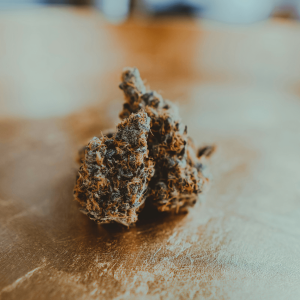
single nug

The hangover question: why the next day feels different

Let’s address the headline feature of adulthood: waking up and immediately regretting your choices.

Alcohol hangovers are biochemical, not just karmic

Alcohol’s next-day misery is driven by several factors:

  • Acetaldehyde from alcohol metabolism
  • Dehydration and electrolyte changes
  • Inflammation and immune system activation
  • Sleep disruption (alcohol can make you fall asleep faster but worsens sleep quality and fragmentation)
  • Low blood sugar in some cases

So even if you drink “good” alcohol, even if you drink water, your body is still processing ethanol and its metabolites. You can reduce the damage, but you cannot out-hack biology.

Cannabis “hangover” can happen, but it is different

Cannabis does not create acetaldehyde, and many people report less of a classic hangover. That said, some people experience next-day effects such as:

  • Grogginess (more common with high doses and edibles)
  • Brain fog or sluggishness
  • Dry mouth and mild dehydration (not the same as alcohol, but still annoying)
  • Residual anxiety if they overshot their comfortable dose
  • Poor sleep if they used the wrong product for their body

The big difference is that cannabis next-day issues are often dose and format mistakes, not a built-in toxic metabolite pipeline.

Choose wisely. Dose wisely. Sleep wisely.

Sleep: alcohol knocks you out, cannabis can nudge you (or mess it up)

Alcohol and sleep

Alcohol can feel sedating, but it tends to:

  • Reduce sleep quality
  • Increase nighttime awakenings
  • Suppress REM earlier in the night with rebound later
  • Worsen snoring and sleep apnea in susceptible people

If you drink to sleep, you may fall asleep faster and still wake up tired. The classic “I slept eight hours and feel like I got hit by a printer” effect.

Cannabis and sleep

Cannabis is complicated here because:

  • Some people find THC helps them fall asleep
  • Some people find THC increases vivid dreams when they stop
  • Higher doses can backfire and increase anxiety or restlessness
  • CBD may be calming for some people, but results vary

If sleep is your goal, do not treat cannabis like a brute-force sedative. Pick the right product type. Keep doses modest. And do not assume “more” equals “more sleep.” Sometimes more equals 2 a.m. philosophical dread.

Anxiety, mood, and mental health: choose carefully, especially if you are sensitive

Alcohol and mental health

Alcohol is a depressant in the central nervous system sense, but it also:

  • Can worsen anxiety the next day (“hangxiety” is real)
  • Can deepen depressive symptoms over time for some people
  • Lowers inhibition, which can amplify impulsive decisions
  • Can interfere with certain psychiatric medications

Alcohol can feel like relief in the moment and sabotage in the aftermath. That is not a character flaw. That is pharmacology.

Cannabis and mental health

Cannabis can:

  • Reduce stress for some people at low doses
  • Increase anxiety or paranoia for some people, especially with high-THC products
  • Impair short-term memory and focus during intoxication

If you have a history of panic attacks, start with very low THC or consider CBD-forward options. If you have a personal or family history of psychosis or schizophrenia, talk to a clinician before using THC. This is not fearmongering. It is risk management. Be an adult about it.

Addiction and dependence: yes, both can hook you, just differently

Let’s drop the tired myth that only “hard drugs” cause addiction. Both alcohol and cannabis can lead to problematic use.

Alcohol use disorder risk

Alcohol has a well-documented risk of dependence and withdrawal. Alcohol withdrawal can be dangerous and, in severe cases, life-threatening. Alcohol also has a strong cultural “normalization” factor, which can hide escalation until it is obvious.

Cannabis use disorder risk

Cannabis can also lead to dependence in some users. Withdrawal is typically not life-threatening, but it can be uncomfortable. People report:

  • Irritability
  • Sleep issues
  • Reduced appetite
  • Restlessness
  • Cravings

Risk increases with frequent use, high-THC products, and starting young. Again, this is not a lecture. It is a reminder to keep your relationship with any substance under review. If you are using it to avoid life rather than enhance life, that is a signal. Notice it.

girl lighting a joint

Long-term health risks: what we know, what we suspect, and what people ignore

Alcohol: long-term risks are clear and significant

Long-term heavy alcohol use is associated with:

  • Liver disease (fatty liver, hepatitis, cirrhosis)
  • Increased cancer risk (including breast, mouth, throat, esophageal, liver, colorectal)
  • Cardiovascular problems (especially with heavy use)
  • Cognitive decline and mood disorders
  • Increased accident and injury risk over time

Even moderate drinking is under more scrutiny lately. The “a little wine is basically a salad” era is fading.

Cannabis: risks depend heavily on how and how much

Cannabis long-term risk is more nuanced and depends on:

  • Age of initiation (adolescence is higher risk for negative brain and mental health outcomes)
  • THC potency and frequency
  • Method of use

Potential concerns include:

  • Respiratory irritation if you smoke (combustion is not your lungs’ favorite hobby)
  • Cognitive and motivational effects in heavy, frequent users (especially if starting young)
  • Increased risk of problematic use in vulnerable individuals
  • Possible mental health risks with high-THC use in susceptible populations

If you want to reduce harm, consider non-combustion options (like edibles, tinctures, or vaporization where legal and appropriate) and keep THC doses modest, especially if you are new.

Calories, cravings, and metabolism: the “body goals” section nobody asked for

Alcohol has calories. Real ones. Roughly 7 calories per gram, plus whatever sugary mixer you poured in because you “barely taste the alcohol.” Congratulations, you built a dessert.

Alcohol can also:

  • Increase appetite and lower dietary restraint
  • Disrupt blood sugar regulation
  • Reduce recovery and muscle protein synthesis after exercise when heavy

Cannabis is not inherently calorie-dense unless you consume it in food, but it can:

  • Increase appetite for some people (hello, munchies)
  • Make snacks taste like the greatest achievement of human civilization

If you care about weight or metabolic health, the substance is only part of the story. The follow-on behavior matters. Plan snacks. Choose snacks. Do not let your pantry choose for you.

Safety in the moment: overdosing, poisoning, and bad decisions

Alcohol poisoning is a serious risk

Alcohol overdose can suppress breathing and be fatal. It is one of the most normalized high-risk behaviors in modern life, which is… not great.

Cannabis “overdose” is rarely fatal, but it can still be a bad time

It is very uncommon for cannabis alone to cause fatal overdose, but high doses of THC can cause:

Also, keep cannabis away from kids and pets. Edibles can look like regular candy because they basically are regular candy with consequences.

Mixing cannabis and alcohol: pick a lane

Mixing the two can intensify impairment and increase nausea, dizziness, and poor decision-making. The order matters for many people. Alcohol can increase absorption of THC and make the cannabis experience feel stronger than expected.

If you are going to mix, keep doses low and go slow. Better idea: do not mix. You are not making a craft cocktail. You are stacking psychoactive effects.

So… is cannabis “healthier” than alcohol?

Sometimes. Sometimes not. The honest answer is annoying: it depends.

Cannabis may be a better option for some people if the goal is:

  • Relaxation with less next-day fallout
  • Avoiding acetaldehyde-related hangovers
  • Lower risk of aggressive behavior or reckless social spirals
  • A more controllable experience with careful dosing (especially with inhalation or low-dose edibles)

Alcohol may feel “easier” for some people because:

  • Dosing is culturally familiar
  • Onset is more predictable
  • Social settings often revolve around it
  • The effects are consistent for them at low to moderate levels

But “easier” does not mean “kinder to your body.”

If you want a practical framework, ask yourself:

  • What is my goal tonight? (Sleep? Social? Stress relief? Celebration?)
  • How much impairment can I safely tolerate?
  • Do I need to drive or be responsible for anyone?
  • Am I using this to enhance the moment, or escape the moment?
  • Have I eaten, hydrated, and planned for the next day?

Answer honestly. Choose accordingly.

If you want to try cannabis instead of alcohol, do this (not whatever your friend suggests)

You do not need to “keep up.” You do not need to “feel it” immediately. You do not need to take the heroic dose your veteran friend calls “a microdose.” People also call 2 a.m. pizza “a light snack.” Words are unreliable.

Step 1: Choose the right format

  • Want more control and shorter duration? Consider inhalation (where legal and appropriate).
  • Want discretion and longer effects? Consider edibles, but respect the delayed onset.
  • Want a middle ground? Consider tinctures or sublinguals.

Step 2: Start low. Go slow. Repeat: go slow.

If you are new:

  • Start with low THC, especially with edibles.
  • Wait long enough before taking more. Long enough means actually long enough.

Your goal is not to get launched into space. Your goal is to find a comfortable level where you feel better, not weird.

Step 3: Pick a vibe on purpose

  • For a calm, functional evening, many people prefer lower THC or balanced THC:CBD products.
  • For sleep, some people prefer products marketed for nighttime use, but still keep doses modest at first.

Also, set and setting matter. If you are anxious, overstimulated, or in a chaotic environment, that can shape the experience as much as the product.

Step 4: Do not drive

Not buzzed. Not “fine.” Not “I do this all the time.” Do not drive.

Step 5: Keep water and a snack nearby

Dry mouth is common. Munchies are common. Plan for both so you are not rummaging through your kitchen like a raccoon with a mission.

The sober-curious bottom line

Alcohol and cannabis are not twins. They are not even cousins who look alike in family photos. They work through different systems, metabolize differently, and tend to create different next-day outcomes.

Alcohol hits fast, spreads everywhere, impairs judgment strongly, disrupts sleep, and produces acetaldehyde, a toxic metabolite that helps explain why hangovers feel like punishment from the universe.

Cannabis works through the endocannabinoid system, varies massively by product and dose, and can be easier on the next morning for many people. But it can still impair you, still spike anxiety if you overdo THC, and still become a habit if you use it mindlessly.

Be intentional. Be boring about dosing. Be smart about setting. You will have more fun. Yes, really.

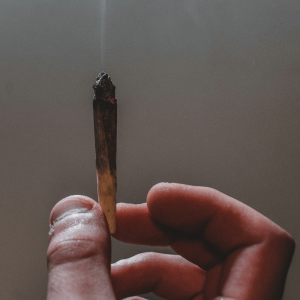
person holding up burning joint

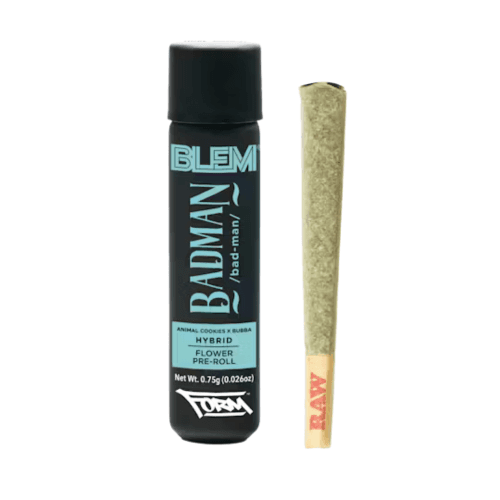
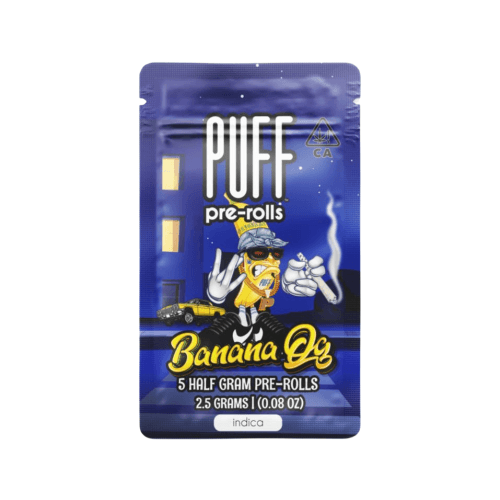
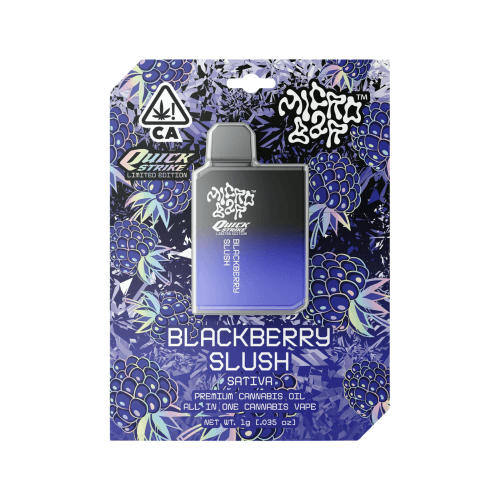
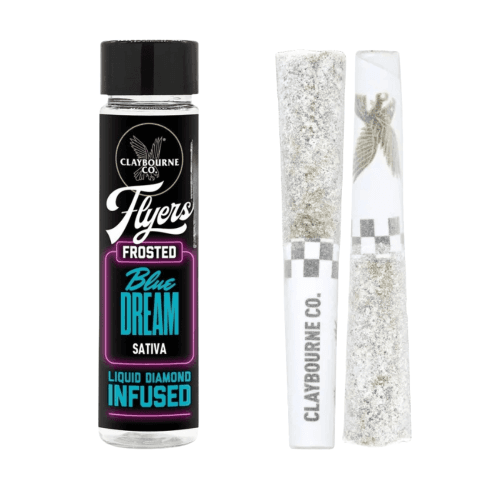
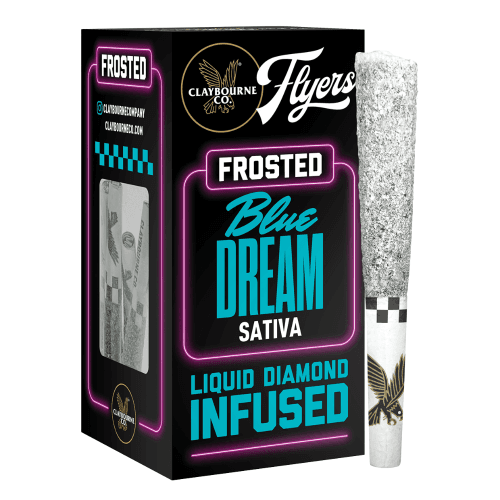
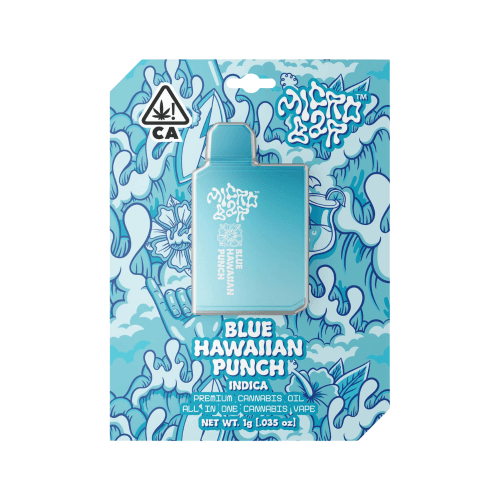
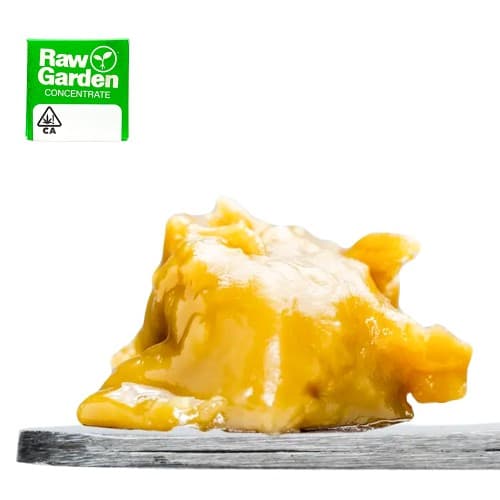
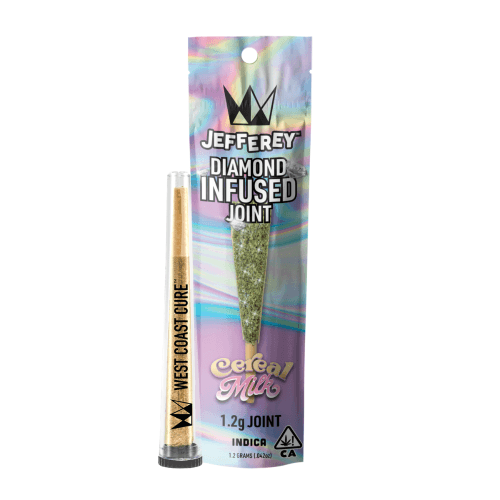
Curious about trying cannabis instead of a drink tonight? Here’s where to start on our menu.

Start with something low-dose and beginner-friendly, especially if you are new or coming from alcohol. Look for low THC options, consider balanced THC:CBD products, and pick a format that matches your timeline. Then browse our menu and choose your vibe, not your undoing.

FAQ

Jenna Renz

Jenna is a California-based creative copywriter who’s been lucky enough to have worked with a diverse range of clients before settling into the cannabis industry to explore her two greatest passions: writing and weed.

  • Social Link

Related Blogs