Low-Dose Cannabis: What to Know About THC Amounts, Effects, and Safety

Show Quick Read

Summary is AI-generated, newsroom-reviewed

Low-dose cannabis generally refers to cannabis products containing relatively small amounts of THC. The term is commonly used in discussions about products with clearly labeled, lower THC amounts, including some edibles and beverages.

The idea has become more visible as legal cannabis markets have expanded and manufacturers have introduced products with smaller serving sizes and more detailed labeling. However, there is no single THC amount that works the same way for everyone. Cannabis effects can vary according to THC concentration, route of administration, previous experience, other substances used, and individual factors.

Rather than treating a specific number such as 2.5mg as a universal dose, it is more useful to understand what low-dose labeling means, how different cannabis formats behave, and what safety considerations apply to THC-containing products.

Why 2.5mg Appears in Low-Dose Cannabis Products

A 2.5mg THC serving is one example of a lower-amount serving found in some cannabis products. It should not, however, be treated as a universal standard or as a guaranteed level of intoxication.

The amount of THC in a product is only one factor affecting its effects. Route of administration also matters. Edible cannabis can have a delayed onset and may produce intoxicating effects that last longer than expected. The CDC notes that edible cannabis can take 30 minutes to 2 hours to produce intoxicating effects, and the amount of THC listed on an edible may sometimes be difficult to measure accurately.

For that reason, lower-number labeling can be useful for understanding the amount of THC in a product, but it does not guarantee a particular experience or level of impairment.


Low-Dose Cannabis: What to Know About THC Amounts, Effects, and Safety

Why THC Amount Matters

THC concentration is one factor that can influence the intensity of cannabis effects. Higher concentrations can produce stronger effects, but the relationship between a labeled amount and a person's experience is not perfectly predictable.

The CDC notes that cannabis effects depend on factors including THC concentration, frequency of use, route of administration, previous experience, and use of other substances.

For consumers, clear labeling can therefore be more useful than marketing language about being โ€œstrong,โ€ โ€œweak,โ€ โ€œfunctional,โ€ or โ€œpremium.โ€ A lower THC amount does not mean a product is risk-free or that it will not cause impairment.


Who May Be Interested in Lower-THC Products?

Interest in lower-THC cannabis products can come from different consumer groups, including adults who prefer products with clearly defined THC amounts, people who are unfamiliar with edible cannabis, and consumers who are interested in products with smaller labeled servings.

However, demographic categories should not be treated as evidence that a particular group will experience cannabis in a specific way. Age, previous cannabis exposure, medications, alcohol or other substance use, and individual differences can all affect the experience.

Older adults should also consider that cannabis can interact with other substances or medications, making professional guidance appropriate when there are questions about potential interactions.


Cannabis and Everyday Activities

THC can affect attention, decision-making, coordination, memory, and perception. Because of this, a product described as โ€œlow-doseโ€ should not automatically be considered compatible with work, driving, exercise, social responsibilities, or other activities that require full attention.

The effects of cannabis also vary from person to person. A labeled THC amount cannot guarantee that someone will remain unimpaired or experience a particular mood, level of focus, or degree of sociability.

Anyone using cannabis should avoid driving or other activities where impairment could create a safety risk.

Low-Dose Cannabis: What to Know About THC Amounts, Effects, and Safety


Cannabis Formats and THC Labeling

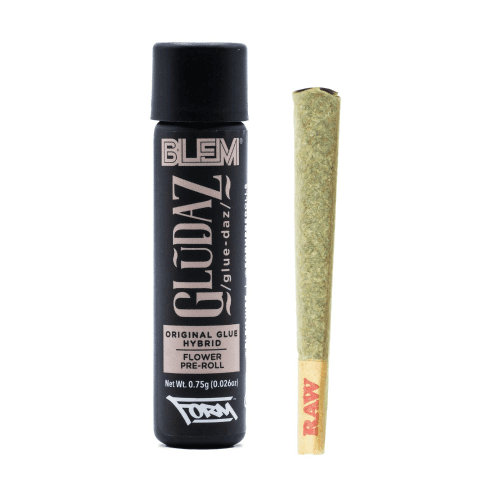
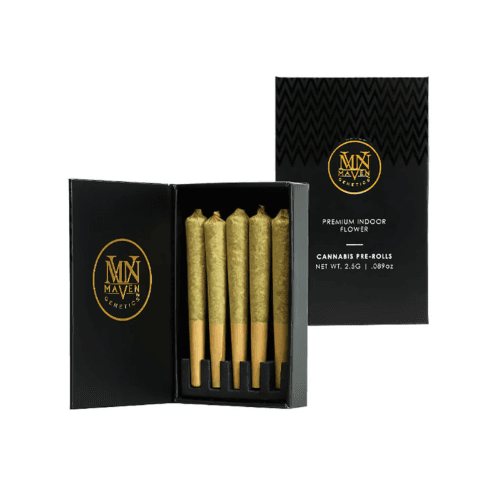
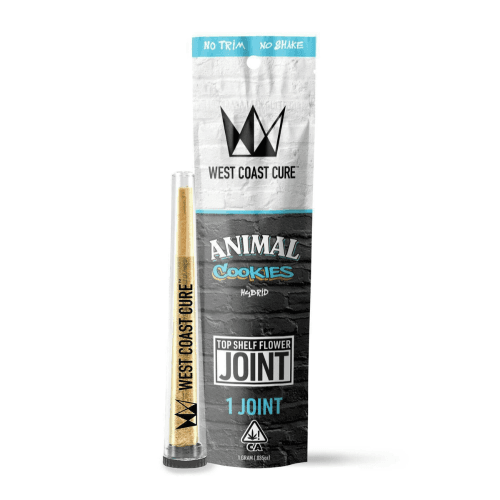
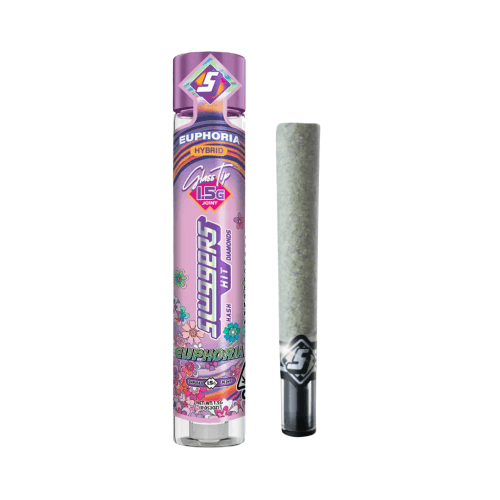
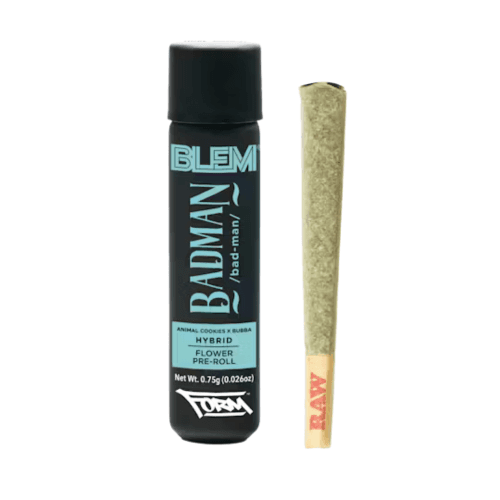
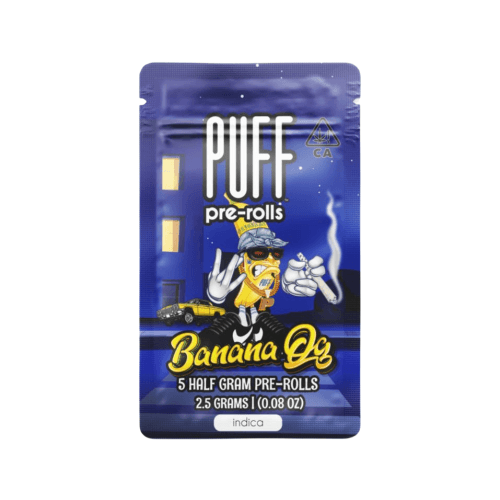
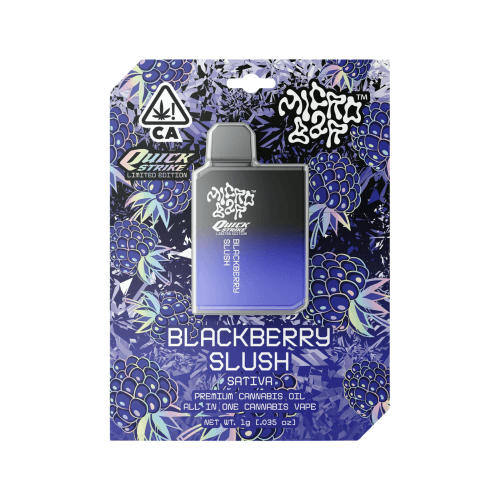
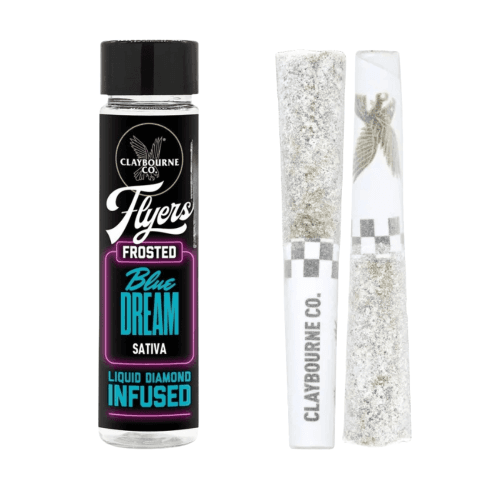
Lower-THC products can appear in several cannabis formats, including edibles, beverages, flower, and other infused products. Each route of administration can produce a different onset and duration of effects.

Edibles and Beverages

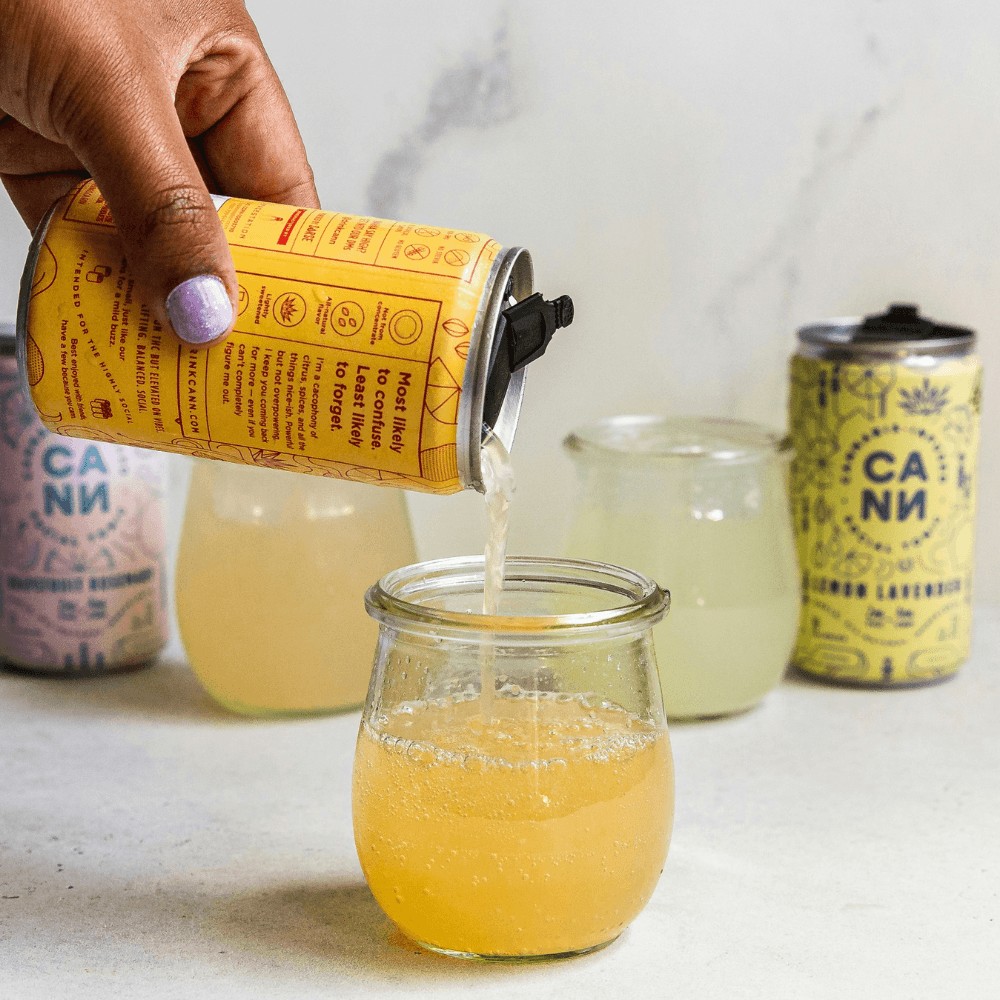
Edibles and cannabis-infused beverages can contain clearly labeled amounts of THC per serving. Their effects can be delayed, however, and the CDC notes that edible cannabis may take 30 minutes to 2 hours to produce intoxicating effects. Effects can also last longer than expected.

Flower

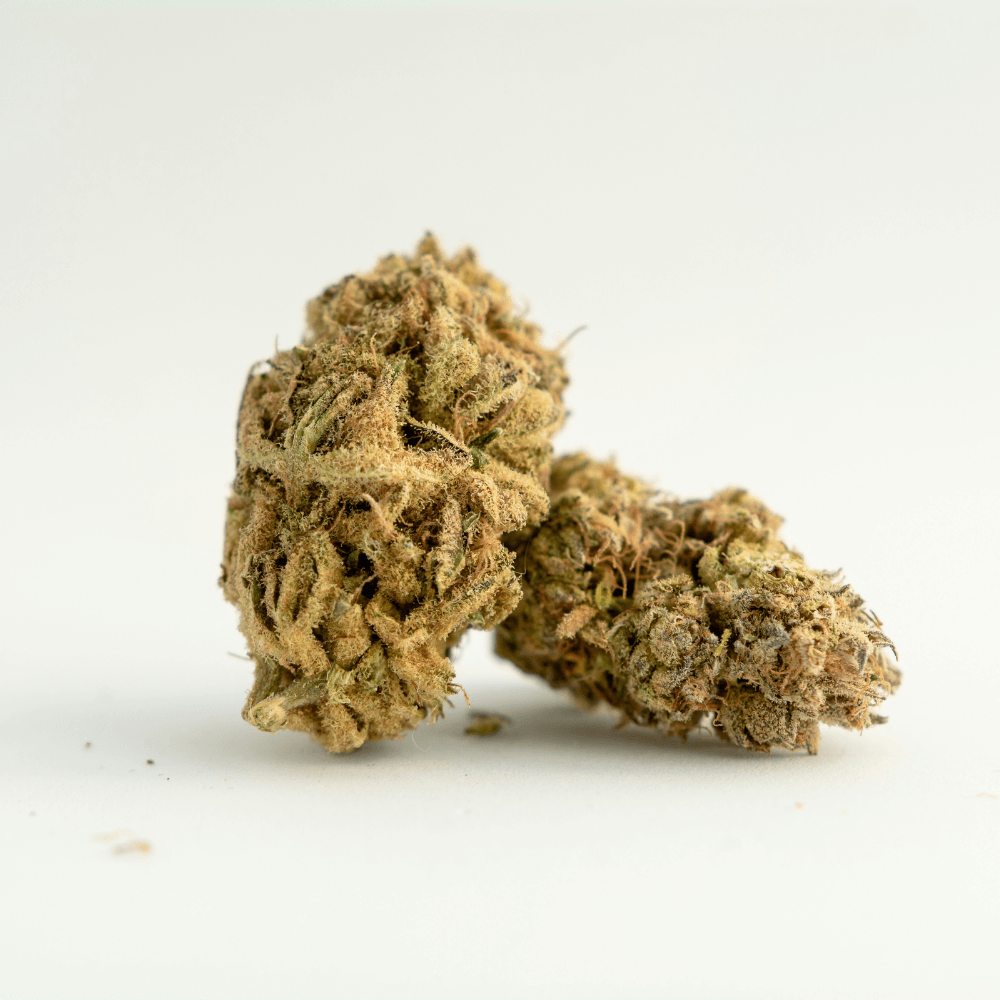
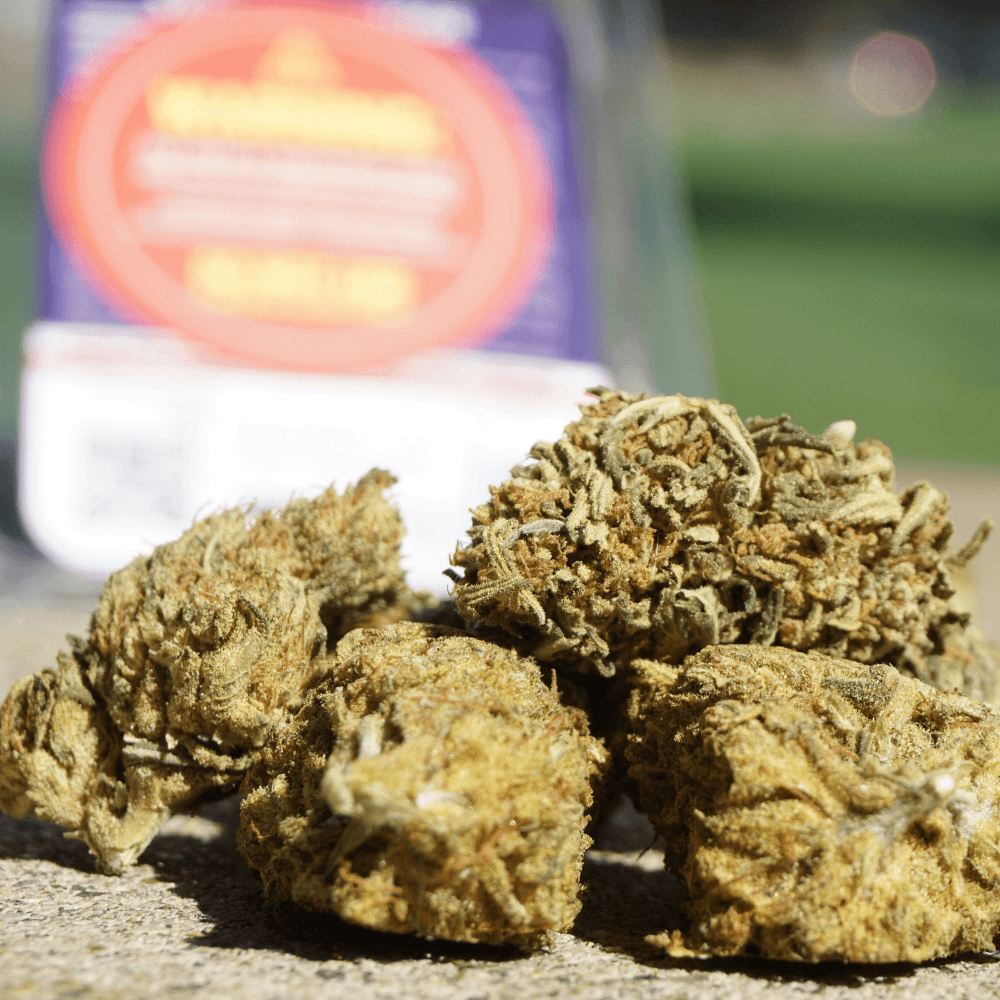
Flower is generally labeled by THC concentration rather than by a fixed amount of THC consumed in each inhalation. This makes percentage-based labeling different from the per-serving labeling used for many edible products.

Other Infused Products

Cannabis products can contain THC alone or alongside other cannabinoids such as CBD. The presence of another cannabinoid does not guarantee that THC impairment will be prevented or reversed.

The important distinction is that a product's labeled THC amount describes the product; it does not guarantee how strongly a particular person will experience it.


Cannabis and Wellness Marketing

Cannabis products are increasingly marketed using terms such as โ€œwellness,โ€ โ€œmindful,โ€ โ€œbalanced,โ€ and โ€œlow-dose.โ€ These descriptions are marketing concepts rather than evidence that a product provides a particular health or psychological benefit.

A lower THC amount may be one characteristic of a product, but it does not make the product risk-free. THC remains an impairing substance, and cannabis can affect memory, attention, decision-making, coordination, and perception.

Consumers should therefore distinguish between a product's marketing language and the information supported by its label, testing, and available scientific evidence.

Low-Dose Doesn't Mean Risk-Free

A lower THC amount does not eliminate the need to evaluate a cannabis product carefully. Useful information can include:

  • THC amount per serving or piece
  • Total THC in the package
  • Ingredient information
  • Batch or lot information
  • Laboratory testing information where available
  • Required regulatory labeling
  • Clear information about the product format

In California, for example, regulated edible cannabis products are subject to THC limits and labeling requirements. Adult-use edible products may contain no more than 10mg THC per serving and 100mg THC per package under current regulations.

These regulatory limits should not be interpreted as personal dosing recommendations. A labeled THC amount describes the product, while individual effects and impairment can vary.


Low-Dose Cannabis: What to Know About THC Amounts, Effects, and Safety

The Takeaway on Low-Dose Cannabis

Low-dose cannabis is best understood as a product category rather than a guaranteed experience. A label such as 2.5mg THC tells you how much THC is identified for that serving, but it does not establish a universal level of impairment or a predictable effect for every person.

When evaluating lower-THC cannabis products, pay attention to the labeled THC amount, product format, ingredients, testing information, and applicable regulations. Remember that THC can impair attention, judgment, coordination, and perception, and that edible products can have delayed and longer-lasting effects.

The most useful distinction is simple: lower THC does not mean no THC, and a smaller labeled amount does not guarantee a risk-free experience.


FAQs (Frequently Asked Questions)

What does 2.5mg of THC mean?

2.5mg refers to the amount of THC identified for a particular serving or portion of a cannabis product. It should not be interpreted as a universal dose or as a guarantee of a particular effect.

Is 2.5mg THC considered low-dose cannabis?

The term โ€œlow-doseโ€ is not a universal scientific classification with one fixed THC threshold. Some products and consumer discussions use 2.5mg as an example of a lower THC serving, but the amount should be considered in the context of the product, route of administration, and applicable regulations.

Does a lower THC amount mean there is no impairment?

No. THC is an impairing substance, and even products with relatively small labeled amounts can affect attention, judgment, coordination, or perception. Individual responses can vary.

Do edibles and beverages have the same onset as smoked cannabis?

No. Edible cannabis can have a delayed onset. The CDC states that edible cannabis can take 30 minutes to 2 hours to produce intoxicating effects and may last longer than expected.

Does CBD prevent THC impairment?

CBD should not be presented as a guaranteed way to prevent or reverse THC impairment. Cannabis products containing multiple cannabinoids can have different effects, and the relationship between cannabinoids is still an area of research.

Is low-dose cannabis safe for driving or other activities requiring full attention?

A lower THC amount should not be treated as permission to drive or perform activities requiring full attention. Cannabis can slow reaction time, impair coordination and decision-making, and distort perception.

Is 2.5mg a recommended starting dose?

This article should not provide an individualized starting-dose recommendation. Cannabis effects vary between individuals, and the appropriate amount cannot be determined from a single number that applies to everyone.

Jenna Renz

Jenna is a California-based creative copywriter whoโ€™s been lucky enough to have worked with a diverse range of clients before settling into the cannabis industry to explore her two greatest passions: writing and weed.

  • Social media icon

Related Blogs

High-Dose vs Microdose Edibles: Which Is Right for You?

High-Dose vs Microdose Edibles: Which Is Right for You?

Walk through the edibles section and the milligram counts can be all over the map. One gummy is 2.5 mg, the next is 10 mg, and some packages are built for people with a lot more experience than most. For a beginner, that spread raises a fair question: is a tiny dose worth taking, and who actually needs a high-dose edible?

8 Min Oct 06, 2026Jenna Renz

Single Pre-Roll vs Pre-Roll Pack: When to Buy Each

Single Pre-Roll vs Pre-Roll Pack: When to Buy Each

Open the pre-roll section and you'll notice the same strain sold two ways: one joint on its own, or a pack with several. The pack looks like the better deal, and sometimes it is. But sometimes the single is the smarter buy, and a pack can quietly turn into a drawer full of joints that dry out before you finish them.

8 Min Oct 06, 2026Jenna Renz