Live Rosin vs Live Resin: What Solventless Actually Means (and Whether It's Worth the Premium)

The debate of "Live rosin vs live resin" is a persistent one, often influenced by the price tag attached to each option.


One jar might set you back enough for a splurge, while the other could still be a treat but also requires you to keep an eye on your rent. Both products are labeled live, both advertise “full spectrum” benefits, and both have an aroma reminiscent of a tropical fruit market colliding with a gas station.


So what actually distinguishes these two, what does solventless signify, and when is the premium for live rosin (often exceeding 30%) justified?


Let's break it down in simple terms.


The one-line difference (say it out loud)

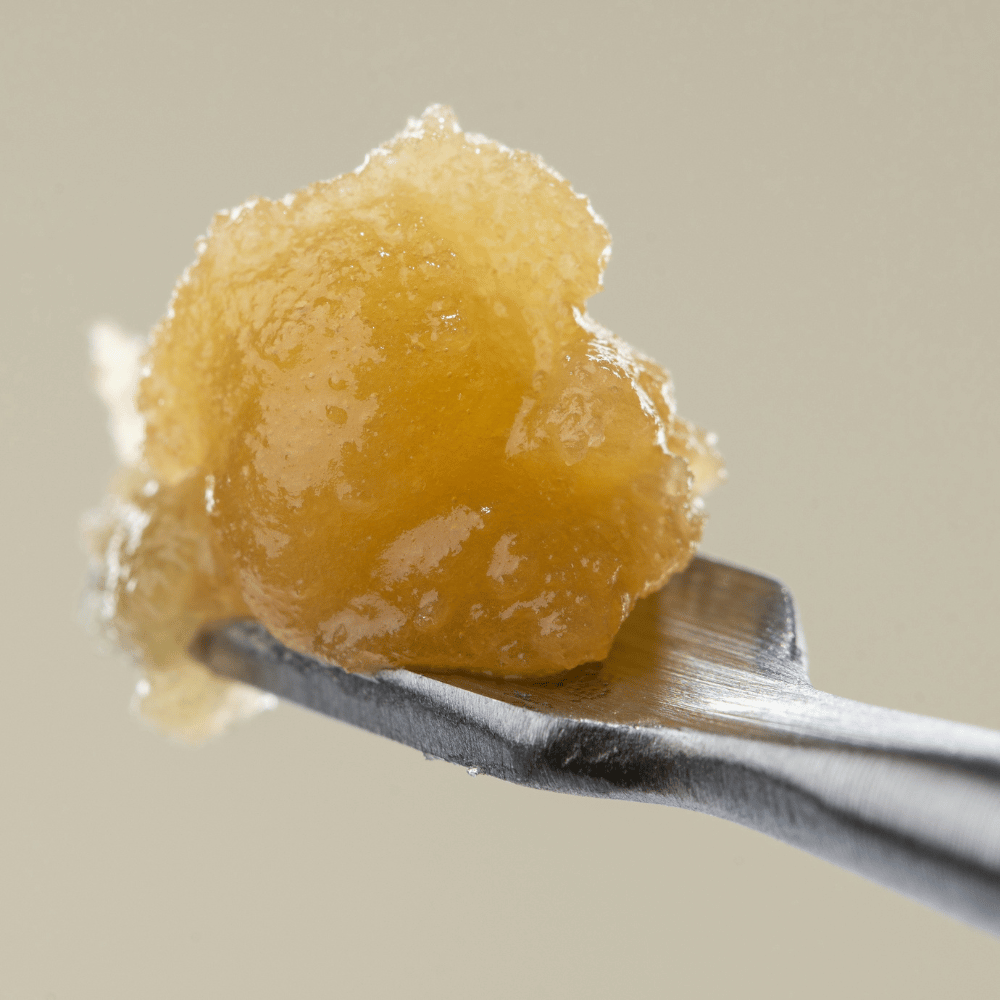
  • Live resin = produced using solvents (usually hydrocarbons like butane/propane) to extract cannabinoids and terpenes.
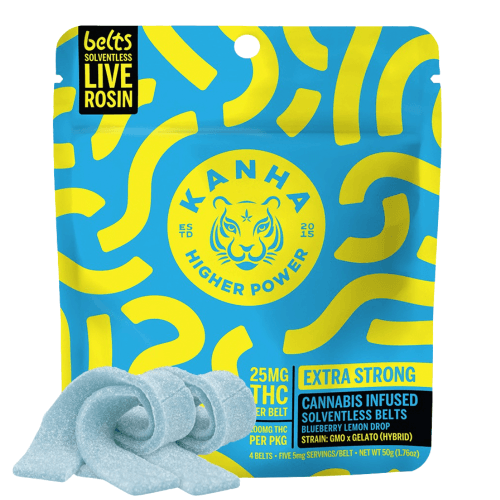
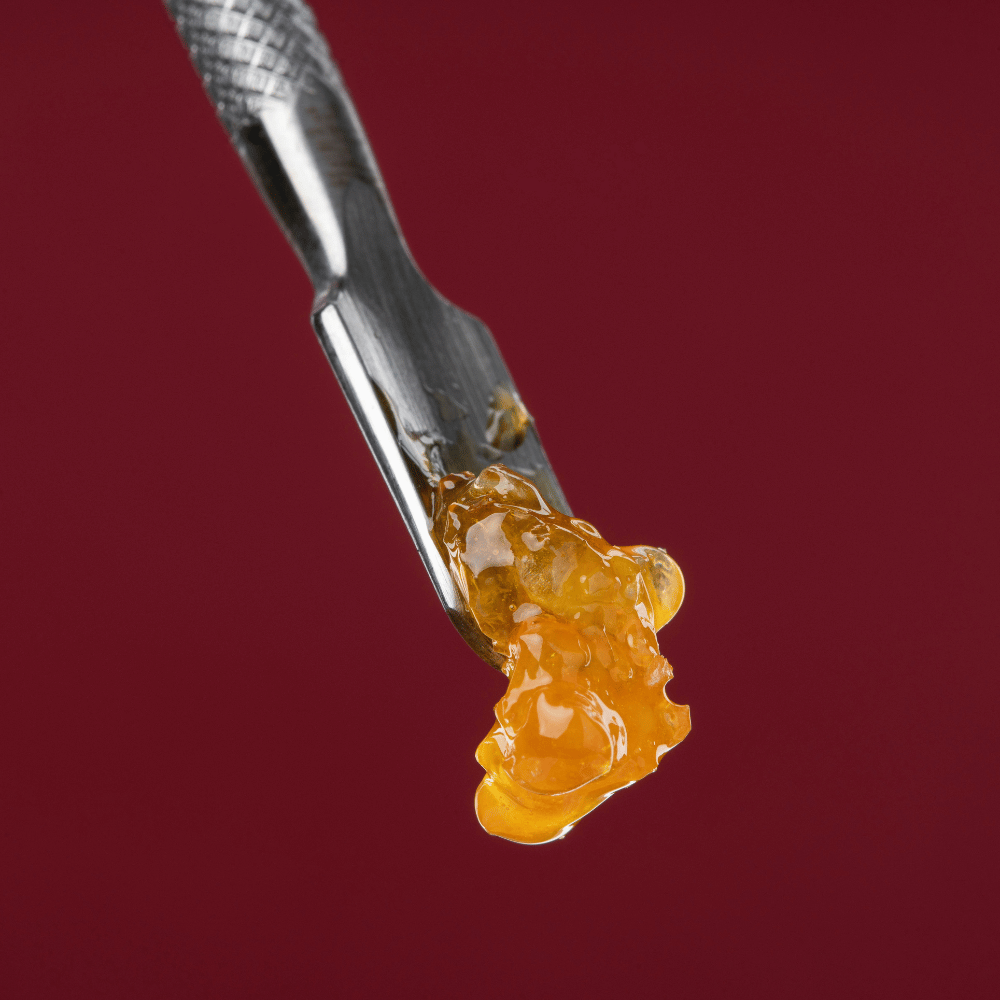
  • Live rosin = created without solvents, utilizing ice/water, heat, and pressure.


That’s the crux of it.


Now let's delve into why this minor difference in the extraction process impacts flavor, price, effects, and how some brands might misleadingly label their product as “live rosin” when it's not genuinely solventless.


What “live” actually means (spoiler: it’s about the starting material)

“Live” signifies that the plant was fresh-frozen immediately after harvest, instead of undergoing a drying and curing process first.


Why is freezing necessary?


Terpenes are sensitive molecules that can evaporate, degrade, and vanish during drying and curing. Freezing helps maintain:

  • Terpene content
  • Aromatics
  • Volatile compounds that contribute to the unique characteristics of different strains


Thus, “live” serves as a freshness strategy. It does not automatically imply superior quality. It merely indicates that the extractor began with fresh-frozen flower (or fresh-frozen biomass).


When we layer on the extraction method, we get:

  • Fresh-frozen + solvents = live resin
  • Fresh-frozen + ice/heat/pressure = live rosin


Same “live.” Different “how.”


Furthermore, the discussion around whether solventless methods are better is also worth noting. This exploration delves into aspects such as purity and quality in relation to the extraction methods used.


Solvent vs solventless: the actual extraction methods (no fluff)

1) How live resin is made (solvent extraction)

Live resin typically uses a hydrocarbon system. The basic idea:

  • Fresh-frozen cannabis goes into an extraction vessel.
  • A solvent (often butane, propane, or a blend) washes over the material.
  • The solvent dissolves cannabinoids and terpenes into a solution.
  • The solution is collected and purged to remove residual solvent.
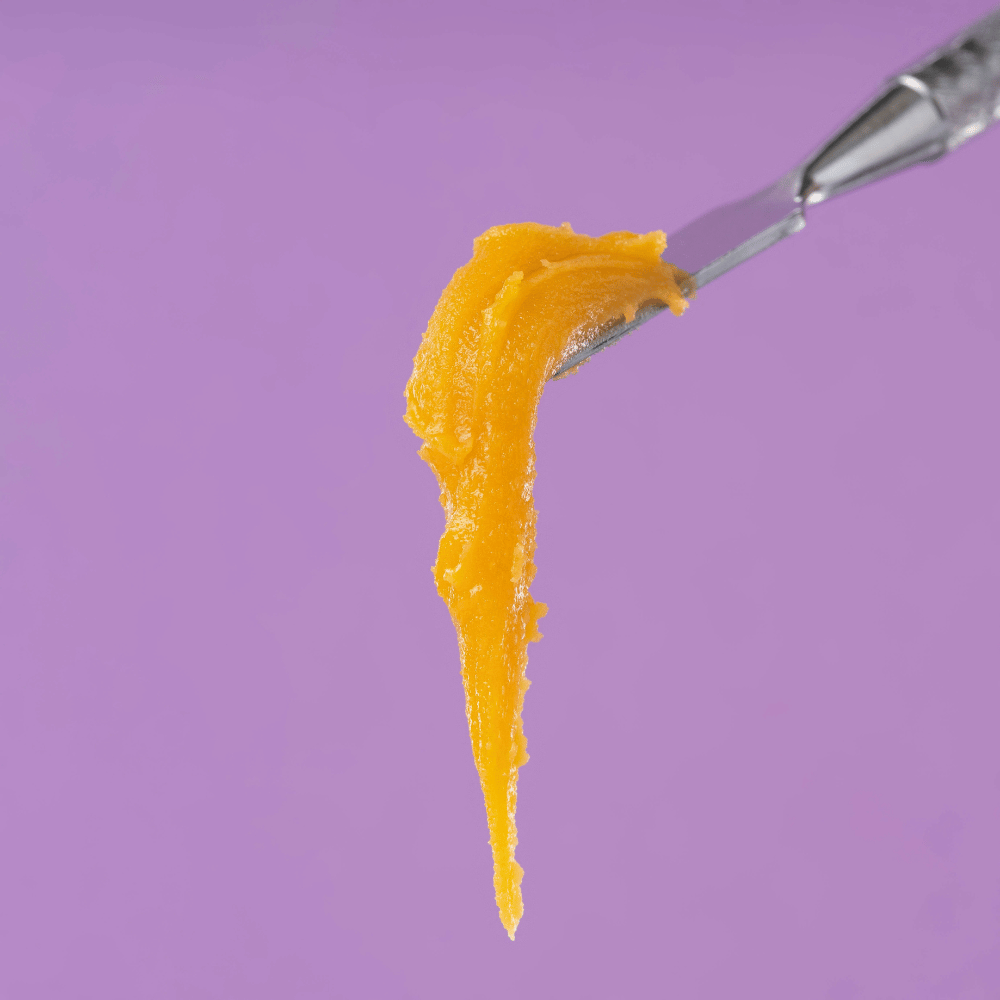
  • The extract is refined into forms like badder, sugar, sauce, diamonds, carts, and more.


Done right, it’s clean, stable, and extremely flavorful. Done wrong, it’s harsh, leaky, and smells like regret.


Key point: Solvent-based does not mean unsafe. Licensed processors use closed-loop systems and must meet strict residual solvent limits. The problem is not “solvent” as a concept. The problem is sloppy processing, sketchy labs, and marketing that treats chemistry like a horror movie.


2) How live rosin is made (solventless extraction)

Live rosin is typically made in two stages:


Stage A: Make ice water hash (bubble hash)

  • Fresh-frozen cannabis is agitated in ice water.
  • Trichome heads snap off and are captured through a series of micron screens (bags).
  • The collected resin is dried carefully (because wet hash can grow microbes or degrade fast).


Stage B: Press hash into rosin 4. The dried hash is placed in a filter bag. 5. It’s pressed under controlled heat and pressure. 6. The rosin flows out like golden sap.

No hydrocarbons. No ethanol. No CO₂. Just physics and patience.


Key point: solventless doesn’t automatically mean “better,” but it does mean the extract is made without chemical solvents. That matters to a lot of buyers, especially in 2026, when consumer behavior is clearly shifting toward solventless formats.


Why live rosin costs more (and why that premium is not a scam)

Live rosin commands a 30%+ price premium for one blunt reason: yield.


Solventless rosin yields are notoriously low because you’re basically mining trichome heads, then pressing them. There’s less “everything extraction” happening compared to solvents.

A common real-world range:

  • Live rosin yield: roughly 3% to 8% (depending on cultivar, quality, and process)
  • High-yield formats like distillate: far higher overall throughput, and far cheaper to produce per gram


So yes, you’re paying for:

  • More raw material per gram of finished product
  • More labor (ice water washing, drying, pressing, cold curing)
  • More loss at every step
  • More batch variability (nature refuses to standardize itself)


Think of live rosin like small-batch olive oil. Think of distillate like canola oil that bench-pressed a chemistry set.


Both have a place. But one is priced like it knows it’s fancy.


Flavor and effects: what people actually notice

Live resin tends to deliver:

  • Big terp flavor, often “louder” and more pungent
  • Very consistent texture options (badder, sugar, sauce)
  • Strong potency, frequently high THC
  • Great performance in vapes (especially when formulated well)


Live rosin tends to deliver:

  • A “cleaner” taste profile that fans describe as more true-to-flower
  • A softer, more nuanced terp experience (less sharp, more rounded)
  • Often a more layered effect, especially when it’s genuinely full spectrum
  • Less processing, fewer steps, and a different mouthfeel in dabs


Important: effects vary more by strain, harvest, and quality than by rosin vs resin alone. But extraction does influence which compounds show up and how intact they remain.


Also important: your rig, your voltage, and your technique can ruin either one. Don’t blame the concentrate because you cooked it like a steak.


The industry shift: why solventless is eating distillate’s lunch

Consumer trends in 2026 are pretty blunt. A huge chunk of buyers moved from “cheap and easy” distillate gummies toward solventless options. Rosin SKUs have continued to grow in licensed dispensaries, and the cultural signal is clear:


People want:

  • Fewer additives
  • More authentic cannabis flavor
  • Less “same-y” high across products
  • Better transparency


Distillate had its era. It’s still useful. But the market is voting with its taste buds.


“Solventless” is not a synonym for “untouchable purity”

Let’s keep it honest.


Solventless products can still have issues:

  • Poorly dried hash can introduce off flavors
  • Bad storage can oxidize terpenes
  • Dirty water hash can carry contaminants
  • Weak genetics can produce bland rosin
  • Overheating during pressing can degrade terps


Solvent extraction, meanwhile, can produce extremely clean, lab-tested, terp-rich concentrates when done properly.


So don’t buy rosin just to feel morally superior. Buy it because you like it. Or because your body prefers it. Or because you’re a terp goblin. All valid.


How to spot fake “live rosin” using a COA (do this every time)

This is where people get played.


Some products marketed as “live rosin” are really:

  • Distillate (high-THC, stripped profile)
  • plus
  • Added terpenes, often botanical (not cannabis-derived)


That combo can taste good. It can be effective. But it is not live rosin, and it should not be priced like it was hand-pressed by angels.


Step 1: Look at the ingredient list first (yes, before the COA)

If a “live rosin” vape or gummy lists:

  • “THC distillate”
  • terpenes
  • “botanical terpenes”
  • “flavoring agents”


Then it’s not pure live rosin. At best, it’s rosin-adjacent marketing. At worst, it’s cosplay.


Real rosin products often list something like:

  • “solventless hash rosin”
  • “live rosin”
  • “ice water hash rosin”


Ideally with no extra flavor ingredients.


Step 2: Read the COA cannabinoids section like a detective

On many COAs, distillate-heavy products show:

  • Very high THC (often in a tight, dominant band)
  • Low minor cannabinoids (CBC, CBG, CBDV, THCV, etc. often minimal)


Rosin and resin often show a more complex spread. Not always, but often.


A red flag is a product claiming “live rosin” yet testing like a near-single-ingredient THC spike.


Step 3: Check the terpene panel (if provided)

This is the biggest tell.


Watch for:

  • A terp profile that looks like a generic fragrance recipe instead of strain-typical cannabis chemistry
  • Terps that scream “botanical blend,” like a too-perfect trio of limonene, myrcene, and linalool in suspicious proportions


Cannabis-derived terp profiles often look messier and more strain-specific. Nature is not neat.


Also note: many labs do not test a full terp panel for every product. If there’s no terp report, that doesn’t automatically mean fraud. It just means you have less visibility.


Step 4: Look for processing language on the label

Phrases that can signal reformulation:

  • “terpene infused”
  • “enhanced”
  • “flavored”
  • “aromatic blend”


Phrases that usually signal the real thing:


Step 5: Match the product type to reality

Be extra skeptical of:

  • “Live rosin” products that are extremely cheap
  • “Live rosin” gummies with ultra-high THC and a candy flavor list longer than your lease
  • “Live rosin” vapes that taste like blue raspberry anything


Rosin can be used in gummies and carts, yes. But if it looks like distillate behavior and distillate pricing, it’s probably distillate.


Format breakdown: gummies, vapes, and dabs (what matters most)

1) Dabs: where rosin shines brightest

If you’re dabbing, you’re here for flavor and effect depth. This is rosin’s home turf.


Pick live rosin dabs if you want:

  • Maximum flavor fidelity
  • The “clean” solventless experience
  • The best expression of a specific cultivar


Pick live resin dabs if you want:

  • Loud terp intensity at a lower price
  • A wider range of textures and consistency
  • Strong potency with great value


Instruction: store both in a cool, dark place. Seal it. Stop leaving jars in a warm room like you want oxidation to win.


2) Vapes: the battlefield of additives and half-truths

Vapes are convenient, but they’re also where marketing gets slippery.


Live resin carts are common and often excellent because resin handles vaporization well and manufacturers have mature formulations for it.


Live rosin carts can be incredible, but they’re harder to make well and can be more finicky:

  • They may require lower temps
  • They may crystallize or clog more easily depending on formulation
  • They’re usually pricier for smaller runs and lower yields


Instruction: if you buy a rosin cart, use a low voltage setting. Don’t torch your terps and then complain the flavor is gone. You did that.


3) Gummies: the least romantic, most practical choice

Gummies are about consistency and digestion. They are not about terp nuance, no matter what the label whispers to you under dispensary lighting.


Live rosin gummies can feel more “full” and strain-like for some people, especially if the maker preserves a broader cannabinoid/terp fraction. But gummies still run through your digestive system, and that changes the experience.


Live resin gummies can be a strong middle ground. You might get more cannabis character than distillate at a lower cost than rosin.


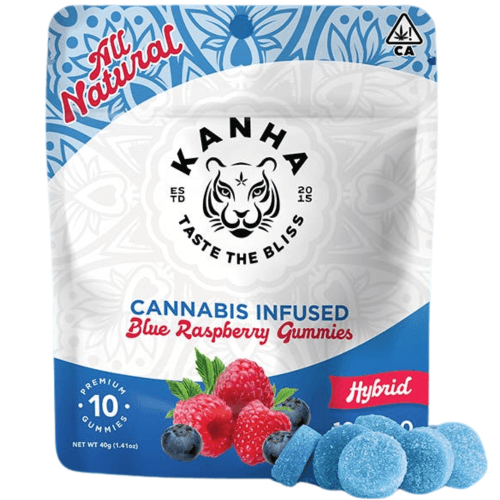
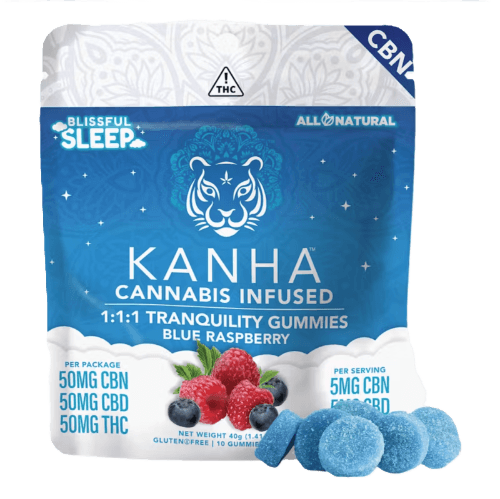
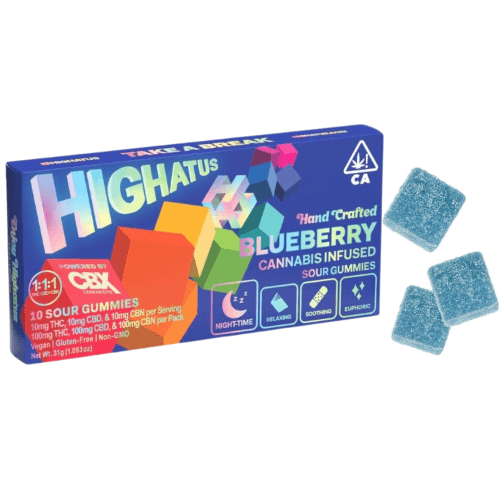
Instruction: if the gummy tastes like a fruit snack and the label lists “natural flavors” plus “terpenes,” you are not buying some sacred solventless relic. You are buying candy with THC. Again, not evil. Just don’t overpay.


So… is live rosin worth it?

Sometimes yes. Sometimes absolutely not. Sometimes it’s worth it only on weekends, like brunch.


Use this decision framework and stop guessing.


The buyer decision framework: splurge vs save (do this, thank yourself later)

Splurge on live rosin when:

  • Flavor is the whole point. You’re dabbing to taste the strain, not just to get launched.
  • You’re sensitive to solvent-extracted products. Some people report cleaner comfort with solventless (individual biology matters).
  • You want the most “true-to-flower” expression. Especially from a reputable single-source brand.
  • You’re buying for a special session. Friends over. Celebration. “I had a week” therapy.
  • The COA and label are clean. No weird additives, no “enhanced” nonsense, no vague ingredient fog.


Repeat after me: pay for rosin when rosin is the point.


Save your money and buy live resin when:

  • You want 90% of the experience for less. Live resin can be ridiculously good.
  • You’re mostly vaping. Live resin carts are often more consistent and widely optimized.
  • You care more about effect than nuance. Resin can still be full spectrum and satisfying.
  • You’re stocking up. Daily drivers should not require luxury pricing unless you enjoy financial stress as a hobby.
  • You found a trusted extractor. Brand and process matter more than the word “rosin” on a label.


Repeat after me: great live resin is not a compromise. It’s value.


Choose neither (seriously) when:

  • The product claims “live rosin” but looks like distillate with added terps.
  • The COA is missing, outdated, or doesn’t match the batch.
  • The brand won’t disclose extraction method or ingredients clearly.
  • The price is suspiciously low for supposed live rosin.
  • The labeling is doing gymnastics with words like “solventless-inspired.”


Walk away. Let someone else fund that nonsense.


Final take: buy the process, not the buzzword

“Live” tells you the plant was frozen fresh. “Rosin” tells you it was made without solvents. “Resin” tells you it was made with solvents.


That’s the truth underneath the hype.


If you’re dabbing for peak flavor and you trust the brand, live rosin can be worth the premium because the process is expensive and the yields are low. If you want a high-quality, terp-forward experience at a smarter price, premium live resin often delivers most of what you want for much less.


Read the label. Read the COA. Don’t get distracted by fancy words. Buy what matches your priorities, not what matches the loudest jar on the shelf.


FAQs (Frequently Asked Questions)

What is the main difference between live rosin and live resin?

The primary difference lies in their extraction methods: live resin is produced using solvents like butane or propane to extract cannabinoids and terpenes, whereas live rosin is made without solvents, utilizing ice, water, heat, and pressure.


What does the term 'live' mean in live rosin and live resin products?

‘Live’ indicates that the cannabis plant was fresh-frozen immediately after harvest instead of being dried and cured. This preserves sensitive terpenes, aromatics, and volatile compounds, maintaining the strain's unique characteristics.


How is live resin extracted using solvents?

Live resin extraction involves washing fresh-frozen cannabis with hydrocarbon solvents such as butane or propane. These solvents dissolve cannabinoids and terpenes, which are then collected and purged to remove residual solvents, resulting in various forms like badder, sugar, or sauce.


How is solventless live rosin produced?

Live rosin production involves two stages: first, fresh-frozen cannabis is agitated in ice water to create bubble hash by capturing trichome heads; second, the dried hash is pressed under controlled heat and pressure to extract the rosin without any chemical solvents.


Why does live rosin typically cost more than live resin?

Live rosin commands a 30%+ price premium mainly due to its low yield (3% to 8%), labor-intensive process including ice water washing, drying, pressing, and cold curing, as well as greater material loss and batch variability compared to solvent-based extractions.


Does ‘solventless’ mean that live rosin is always better than live resin?

Not necessarily. While solventless means no chemical solvents are used during extraction—which matters to many consumers—it doesn’t automatically imply superior quality. Both methods have unique benefits regarding flavor, purity, and effects depending on processing quality.

Jenna Renz

Jenna is a California-based creative copywriter who’s been lucky enough to have worked with a diverse range of clients before settling into the cannabis industry to explore her two greatest passions: writing and weed.

  • Social Link

Related Blogs