Amanita Muscaria Gummies: Effects, Safety & What to Know

Amanita muscaria gummies have become hard to miss in the mushroom-edible conversation. You may see them described as mushroom gummies, fly agaric gummies, muscimol gummies, or even “legal psychedelic” products.

But those descriptions can make the category sound simpler than it really is.

Amanita muscaria mushroom, also known as the fly agaric mushroom, is very different from psilocybin-containing “magic mushrooms.” Its best-known psychoactive compounds include muscimol and ibotenic acid, and products sold as Amanita gummies can vary considerably in what they actually contain.

Before looking at effects or product labels, that distinction is worth understanding.

A quick note: This article is for informational purposes only. In December 2024, the FDA stated that Amanita muscaria, its extracts, muscimol, ibotenic acid, and muscarine are not authorized ingredients in conventional food and advised consumers to avoid foods containing them. Laws and regulations may also vary by location.

What Is the Amanita Muscaria Mushroom?

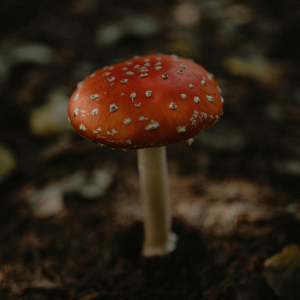
The Amanita muscaria mushroom is the iconic red mushroom covered with white spots that many people recognize from illustrations, games, and popular culture.

It is commonly called fly agaric and grows naturally in different regions around the world.

Unlike psilocybin mushrooms, Amanita muscaria does not rely on psilocybin for its psychoactive properties. Its best-known active compounds include:

  • Muscimol
  • Ibotenic acid
  • Muscarine

That difference matters because Amanita muscaria and psilocybin mushrooms can produce different effects and carry different safety concerns.

Amanita Muscaria Gummies: Effects, Safety & What to Know

What Are Amanita Muscaria Gummies?

Amanita muscaria gummies are edible products marketed as containing extracts or compounds associated with the Amanita muscaria mushroom.

They may also appear online or in stores as:

  • Amanita mushroom gummies
  • Amanita gummies
  • Muscimol gummies
  • Fly agaric gummies
  • Mushroom edibles
  • Psychoactive mushroom gummies

The gummy format can make these products look similar to ordinary supplements or cannabis gummies, but the active ingredients are very different.

Product labeling is another concern. Testing cited by the CDC has found some mushroom gummies containing substances that were not accurately disclosed on their packaging.

Amanita Gummies vs. Magic Mushroom Gummies

This is where a lot of confusion starts.

Amanita muscaria is not a psilocybin mushroom.

Traditional magic mushrooms generally refer to species containing psilocybin or psilocin. Amanita muscaria instead contains compounds such as muscimol and ibotenic acid.

In simple terms:

Amanita mushroom gummies are not the same thing as psilocybin gummies.

Their chemistry, effects, safety profiles, and regulatory treatment are different.

There is another complication: labels may not always tell the full story.

A CDC investigation of mushroom gummies found that some products contained undisclosed psilocybin, psilocin, and other substances.

Related: https://hyperwolf.com/blog/types-of-psychedelic-mushrooms

Amanita Muscaria Mushroom Effects: What Can Happen?

Searches for Amanita muscaria mushroom effects often lead to simple descriptions such as “relaxing” or “psychedelic.”

The reality is more complicated.

Reported effects associated with Amanita muscaria or products marketed as containing it can include:

  • Changes in perception
  • Drowsiness
  • Confusion
  • Agitation
  • Nausea or gastrointestinal discomfort
  • Hallucinations
  • Impaired coordination

More serious neurological effects have also been reported following substantial exposure.

The FDA notes that adverse-event reports involving Amanita-related products have included drowsiness, central nervous system depression, seizures, and hospitalizations.

The actual experience may also be difficult to predict when a commercial gummy contains ingredients that are different from those listed on its label.

Benefits of Amanita Muscaria: What Does the Evidence Say?

Online discussions about the benefits of Amanita muscaria commonly mention relaxation, better sleep, mood support, stress relief, or unusual dream experiences.

Those claims should be treated carefully.

There is currently not enough reliable human evidence to establish Amanita muscaria gummies as a proven treatment or wellness supplement for these purposes.

The FDA reviewed hundreds of publications concerning Amanita muscaria and its active constituents and concluded that the available evidence does not establish their safe use as food ingredients.

So while you may see “Amanita muscaria benefits” discussed online, marketing claims and established clinical benefits are not the same thing.

How to Take Amanita Muscaria: What Should You Know First?

People also search how to take Amanita muscaria, especially after seeing mushroom gummies or extracts marketed online.

There is no standardized FDA-approved way to consume Amanita muscaria as a food or supplement, and there is no established safe serving that applies across products.

That matters because:

  • Amanita products can vary in composition
  • Natural mushrooms can vary in active compounds
  • Commercial gummy labels may not always match their contents
  • Attempts to process the mushroom may not reliably remove harmful compounds
  • Significant neurological and gastrointestinal reactions have been reported

The FDA currently recommends avoiding foods containing Amanita muscaria or its major active constituents rather than treating them like an ordinary edible or supplement.

Are Amanita Muscaria Gummies Safe?

Safety is one of the biggest concerns surrounding this category.

The FDA concluded that Amanita muscaria, its extracts, muscimol, ibotenic acid, and muscarine do not meet the safety standard required for use in conventional food.

The CDC has also documented people requiring hospital evaluation after consuming gummies marketed as containing Amanita muscaria.

Another issue is product consistency.

Testing of mushroom gummies has identified products containing substances that were not clearly disclosed on their packaging.

So there are really two separate questions consumers need to consider:

What does the package claim is inside?

and

Does the product actually contain what the label says?

What Should You Look for on a Mushroom Gummy Label?

If you come across Amanita mushroom gummies, do not assume that professional packaging or a QR code automatically proves what is inside.

Look for:

  • Full ingredient disclosure
  • Clearly identified active compounds
  • Manufacturer information
  • Batch-specific laboratory documentation
  • Warnings and age restrictions
  • Transparent testing information
  • Clear statements about other psychoactive ingredients

Even laboratory documentation does not change the FDA's current position on Amanita muscaria as a conventional food ingredient.

For consumers comparing edible formats more generally, regulated cannabis gummies operate under a separate testing and labeling system from Amanita mushroom gummies.

Are Amanita Gummies Legal?

The legal picture is more complicated than simply calling Amanita muscaria “legal.”

Amanita muscaria is not the same substance as federally scheduled psilocybin mushrooms.

However, that does not automatically mean products containing Amanita muscaria can lawfully be added to conventional food.

The FDA considers Amanita muscaria, its extracts, muscimol, ibotenic acid, and muscarine unapproved food additives when used in conventional foods.

State and local rules may add further restrictions.

Amanita Gummies vs. Cannabis Gummies

They may both come in candy-like gummy form, but Amanita and cannabis gummies belong to very different product categories.

Amanita gummies are marketed around mushroom-derived compounds such as muscimol.

Cannabis gummies contain cannabinoids such as:

  • THC
  • CBD
  • CBN
  • Other cannabinoid combinations

Licensed cannabis markets such as California also have rules governing testing, labeling, packaging, potency, and retail sale.

That makes regulated cannabis gummies fundamentally different from loosely marketed mushroom-edible products.

What to Know Before Trusting the Hype

Amanita muscaria gummies sit in a complicated part of the edible market.

They are not psilocybin mushrooms, and they are not cannabis gummies. Research into claimed Amanita muscaria benefits is still limited, while FDA and CDC findings raise concerns about safety and product-label accuracy.

So when you see phrases such as Amanita mushroom gummies, muscimol gummies, mushroom supplements, or legal psychedelic gummies, look beyond the marketing.

Knowing what a product actually contains matters far more than what is printed across the front of the package.

FAQ

Jenna Renz

Jenna is a California-based creative copywriter who’s been lucky enough to have worked with a diverse range of clients before settling into the cannabis industry to explore her two greatest passions: writing and weed.

  • Social media icon

Related Blogs

How Long Do Edibles Take to Kick In? (The Honest, Science-Backed Answer)

How Long Do Edibles Take to Kick In? (The Honest, Science-Backed Answer)

If you have ever eaten a cannabis gummy, felt nothing after twenty minutes, and wondered whether you got a dud, you are far from alone. The single most common mistake new and even experienced edibles consumers make comes down to one simple misunderstanding: edibles do not work on the same timeline as smoking or vaping, and treating them like they do is how most uncomfortable experiences happen.

8 Min Sep 22, 2026Jenna Renz

What Are Solventless Rosin Pre-Rolls and Are They Worth the Price?

What Are Solventless Rosin Pre-Rolls and Are They Worth the Price?

Scan the pre-roll section of any California dispensary and you will notice a clear price tier at the top of the shelf. A three dollar classic joint sits next to a rosin coated pre-roll that can cost three or four times as much for a similar sized product. For plenty of consumers, that gap raises an obvious question. What is actually different about a solventless rosin pre-roll, and does it justify the extra cost?

8 Min Sep 22, 2026Jenna Renz