Rewards


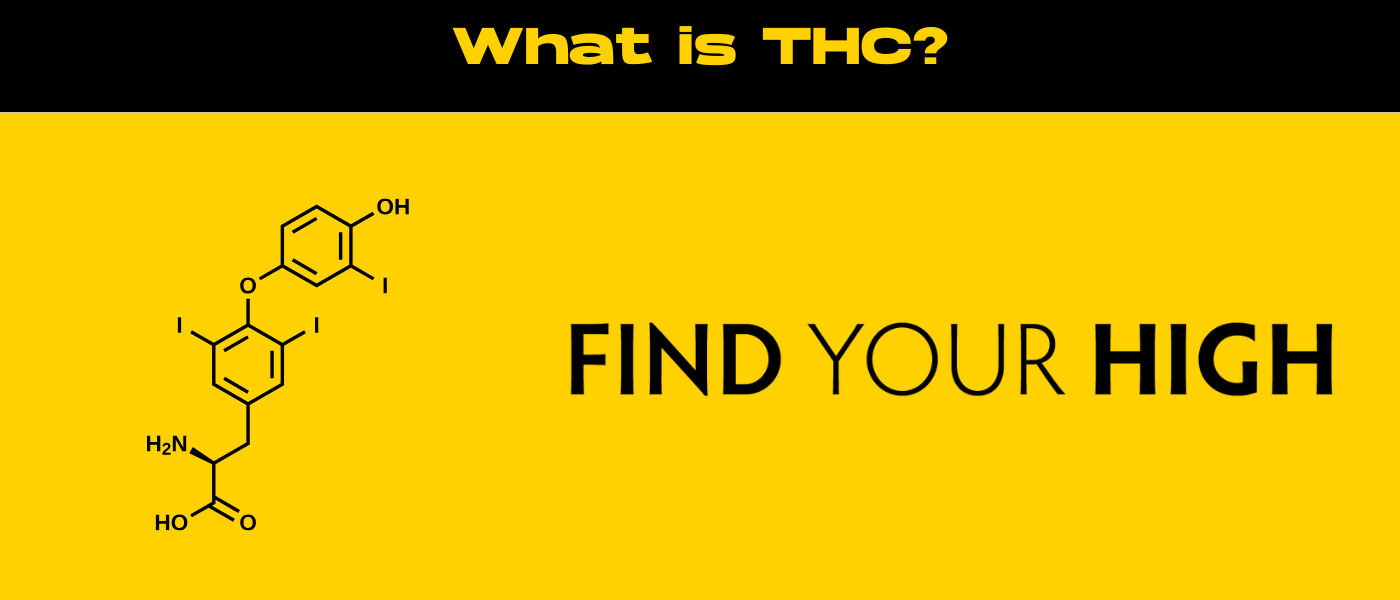
What is THC? It’s the main active ingredient in cannabis that gets you high. When people talk about feeling euphoric or experiencing the typical cannabis buzz, they’re really referring to THC affecting their brain.
With so many new people interested in cannabis, it can be difficult to find accurate information. There’s a lot of scientific language, conflicting claims, and outright myths out there. Understanding what THC means and how this classic cannabis compound works can feel like trying to understand ancient hieroglyphics.
This guide aims to simplify things. We’re going to explain everything you need to know about THC in weed—its basic chemistry, how it interacts with your body, its medical uses, ways to consume it, potential risks, and legal status. You don’t need a PhD or any prior knowledge. Just straightforward information about one of nature’s most intriguing (and debated) molecules.
Understanding THC: The Basics




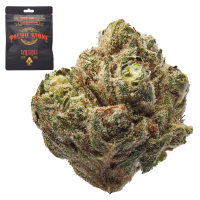
Tetrahydrocannabinol—mercifully shortened to THC—is a cannabinoid, one of over 100 naturally occurring chemical compounds produced by Cannabis sativa. Think of cannabinoids as the plant’s chemical signature, each with its own personality and effects on your body.
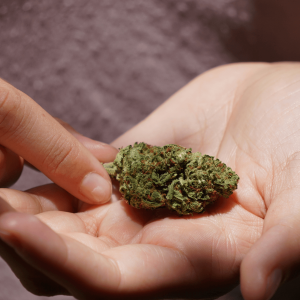
The Different Types of THC
Delta-9-THC steals the spotlight as the most abundant and extensively researched THC type. When someone asks “what is THC in weed,” they’re typically referring to this specific compound. It’s the heavyweight champion responsible for the classic cannabis high, backed by decades of scientific scrutiny and countless studies.
The THC family extends beyond delta-9, though:
- Delta-8-THC has recently emerged as the quirky cousin—chemically similar but with a slightly different atomic arrangement that produces milder psychoactive effects.
- Delta-10-THC and THCV (tetrahydrocannabivarin) round out the roster, each offering their own unique twist on the THC experience.
The Science Behind THC
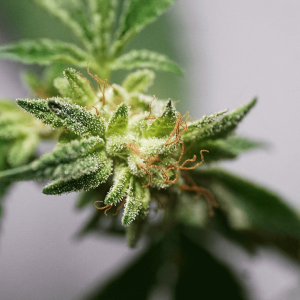
Here’s something that might surprise you: pure THC exists as a colorless, odorless oil at room temperature. The sticky, aromatic cannabis buds you’re familiar with contain THC in its acidic form (THCA), which converts to active THC through heat—a process called decarboxylation. Those glistening trichomes coating quality cannabis flowers? They’re tiny THC factories, storing this potent compound alongside terpenes and other cannabinoids that shape your experience.
How THC Works in the Body
Your body has its own internal cannabis system called the endocannabinoid system. It acts as a master regulator, controlling various functions such as mood and immune response. When THC enters your body, it tricks this system by imitating your natural cannabinoids and binding to specific receptors throughout your tissues.
The Role of CB1 and CB2 Receptors in THC’s Effects
THC affects the body through two main types of receptors: CB1 receptors and CB2 receptors.
CB1 Receptors: The Psychoactive Powerhouses
CB1 receptors are primarily located in the brain and central nervous system. They are responsible for the psychoactive effects of THC. When THC binds to these receptors, it alters communication between neurons, leading to changes in memory, coordination, pleasure, and time perception. This explains why many people experience heightened sensory perception and introspective thoughts while under the influence of cannabis.
CB2 Receptors: The Immune System Regulators
On the other hand, CB2 receptors are mainly found in peripheral tissues and immune cells. Unlike CB1 receptors, they do not contribute significantly to the “high” feeling associated with THC. However, they play a crucial role in regulating inflammation and immune function. Understanding this distinction helps clarify why some individuals may benefit from cannabis products for conditions involving pain or inflammation without experiencing psychoactive effects.
How THC Affects Neurochemistry
When THC molecules bind to CB1 receptors, they trigger a series of neurochemical events in the brain. One key outcome is an increase in dopamine release—a neurotransmitter associated with pleasure and reward pathways. This explains why many users report feelings of euphoria or relaxation after consuming cannabis.
Additionally, THC can disrupt normal signal processing within sensory systems. For example:
- Taste perception may be enhanced, making ordinary foods taste more delicious.
- Auditory perception might become more nuanced, revealing new layers or details in music.
- Visual experiences could be intensified or altered—colors appearing brighter or patterns becoming more pronounced.
These effects vary from person to person based on several factors:
- THC concentration: Higher levels of THC may lead to stronger effects.
- Individual receptor density: Some individuals naturally have more CB1 receptors than others, influencing their sensitivity to THC.
- Genetics: Genetic variations can also impact how one metabolizes or responds to cannabinoids.
By understanding how these mechanisms work together—specifically through receptor systems like CB1 and CB2—we can gain insight into our own experiences with cannabis consumption.
Exploring the Effects of THC on Different Body Systems
The endocannabinoid system is where THC does its work. It’s a complicated network of receptors and neurotransmitters that controls everything from your mood to your hunger. When THC interacts with CB1 receptors and CB2 receptors in this system, it triggers a series of effects in various body systems. To truly understand how THC works, we need to acknowledge its wide-ranging impact beyond just getting you high.
Central Nervous System (CNS)
THC affects your brain by binding to CB1 receptors, which in turn influences your mood, memory, and movement. This explains why you might feel really happy, have trouble recalling things, or notice that you’re not as coordinated as usual.
Endocrine System
THC has the potential to impact hormone production and regulation. This means it could influence hormones related to stress (like cortisol) or reproduction. The endocannabinoid system is crucial for keeping hormones balanced, and when THC enters the picture, it can temporarily disrupt this balance.
Gastrointestinal System
You know those times when you suddenly crave snacks? That’s THC at work! It activates receptors in both your gut and brain that control appetite. While some people use this effect for fun, it’s also beneficial for individuals dealing with significant weight loss issues.
Cardiovascular System
One thing to keep in mind is that THC usually causes an increase in heart rate—sometimes by 20-50 beats per minute. As your body gets used to THC over time (this is called tolerance), this effect tends to lessen. However, if you have any heart problems, it’s something worth being aware of.
Comparing THC and CBD: Understanding Their Differences
The THC vs CBD debate confuses many cannabis newcomers, but the distinction is surprisingly straightforward. CBD (cannabidiol) is cannabis’s chill cousin—a non-intoxicating cannabinoid that won’t get you high, no matter how much you consume. Both compounds come from the same plant family, yet they produce wildly different experiences.
The Psychoactive Split
THC directly activates CB1 receptors in your brain, creating that signature “high” feeling. CBD? It takes a gentler approach, influencing these receptors indirectly while interacting with other systems in your body. Think of THC as the life of the party and CBD as the designated driver.
Medical Uses and Benefits of THC: Exploring Its Therapeutic Potential
What is THC doing in medicine cabinets? Plenty, as it turns out. The medical uses of THC extend beyond recreational enjoyment, with FDA-approved medications like dronabinol (Marinol) and nabilone (Cesamet) harnessing its therapeutic properties.
Chemotherapy-Induced Nausea Relief
Cancer patients undergoing chemotherapy often face debilitating nausea and vomiting that traditional antiemetics can’t always control. THC steps in as a powerful ally here. The compound interacts with CB1 receptors in the brain’s vomiting center, effectively putting the brakes on those miserable waves of nausea. Patients report significant relief, allowing them to maintain better nutrition during treatment and improve their quality of life when they need it most.
Appetite Stimulation in HIV/AIDS Patients
Severe weight loss and appetite suppression plague many HIV/AIDS patients, creating a dangerous cycle of declining health. THC addresses this head-on by triggering what cannabis users affectionately call “the munchies.” The compound stimulates appetite through multiple pathways, including the release of ghrelin (the hunger hormone) and enhanced taste and smell perception. Clinical studies show that HIV/AIDS patients using THC-based medications experience meaningful weight gain and improved nutritional intake, helping them maintain strength and fight infections more effectively.
Methods of Consuming THC: Exploring Different Consumption Techniques
The way you introduce THC into your system dramatically impacts your experience. Each consumption method delivers different onset times, duration of effects, and intensity levels. Understanding these differences helps you choose the right approach for your needs and preferences.
1. Smoking or Vaping Cannabis Flower or Concentrates
Smoking THC remains the OG method for cannabis consumption, and there’s a reason it’s stood the test of time. When you light up flower or concentrates, THC enters your bloodstream through your lungs within seconds. You’ll typically feel the effects within 2-10 minutes—making it the fastest delivery system available.
The speed comes with a trade-off: smoking THC produces effects that peak quickly but fade relatively fast, usually lasting 2-4 hours. This rapid onset gives you precise control over your experience. Feel like you’ve had enough? Simply stop consuming. Want more? Take another hit. It’s cannabis consumption with training wheels.
Popular smoking methods include:
- Joints and blunts – Classic, portable, and social
- Pipes and bongs – Quick, efficient, and reusable
- Dab rigs – For high-potency concentrates and experienced users
Vaping offers a slightly gentler alternative to traditional smoking. Vaporizers heat cannabis to temperatures that release THC without combustion, producing vapor instead of smoke. This method reduces exposure to potentially harmful byproducts created by burning plant material. Vaping delivers similar rapid onset times as smoking but with a cleaner taste and less throat irritation.
Vaping options span two categories:
- Dry herb vaporizers – Heat ground flower to optimal temperatures
- Concentrate vaporizers and cartridges – Use THC oils or waxes for potent, discreet consumption
Both smoking and vaping excel when you need immediate relief or want to gauge your tolerance carefully. The quick feedback loop makes these methods ideal for beginners who want to start low and go slow while learning how their body responds to consuming THC.
2. Edibles: Understanding Oral Ingestion and Its Unique Effects
Oral ingestion THC through edibles represents a fundamentally different experience from smoking THC. When you bite into a THC-infused brownie, gummy, or chocolate bar, you’re signing up for a journey that plays by entirely different rules.
The digestive system processes these treats slowly, sending THC through your stomach and into your liver before it reaches your bloodstream. This detour through the liver transforms delta-9-THC into 11-hydroxy-THC—a metabolite that crosses the blood-brain barrier more efficiently and packs a considerably stronger punch. Think of it as THC’s more intense cousin who shows up fashionably late to the party.
How Long Do Edibles Take to Kick In?
Consuming THC via edibles means waiting anywhere from 30 minutes to 2 hours before feeling effects. Patience isn’t just a virtue here—it’s mandatory. The rookie mistake? Eating more because “nothing’s happening.” Don’t be that person.
How Long Do Edibles Last?
The payoff for your patience comes in duration. While smoking THC delivers a 2-3 hour experience, edibles can keep you elevated for 6-8 hours or longer. This extended timeline makes edibles particularly appealing for managing chronic conditions or when you need sustained relief without repeated dosing.
What is Different About Edible Metabolism?
What is THC doing differently in edibles? The answer lies in metabolism. The liver’s conversion process creates a more potent compound that lingers in your system, producing effects that feel qualitatively different—often described as more body-focused and sedating compared to the cerebral high from smoking THC.
3. Other Consumption Methods Worth Mentioning (Transdermal Applications)
Beyond smoking THC and consuming THC through edibles, the cannabis world offers some intriguing alternatives that deserve attention. Transdermal THC patches represent a particularly fascinating approach to cannabis consumption—think of them as nicotine patches’ cooler, more relaxed cousin.
These adhesive patches deliver THC directly through your skin and into your bloodstream, bypassing the digestive system entirely. The clever bit? They provide steady, controlled doses over extended periods (often 8-12 hours) without producing the psychoactive effects typically associated with smoking THC or other consumption methods. The THC enters your system gradually, offering therapeutic benefits while keeping your head clear.
Transdermal applications shine for medical patients seeking consistent symptom relief throughout the day without the “high.” They’re discreet, require zero preparation, and eliminate concerns about lung health or dosing miscalculations. While not as popular as traditional consuming THC methods, patches and topical applications offer a unique middle ground between efficacy and functionality—perfect for those who need medicine, not recreation.
Side Effects and Risks Associated with Using THC Products Responsibly
THC side effects range from mildly annoying to genuinely concerning, depending on dosage, individual tolerance, and consumption frequency. Understanding these potential downsides helps you make informed decisions about cannabis use.
Common Short-Term Effects
The immediate aftermath of THC consumption often includes:
- Dry mouth (cottonmouth) – that parched feeling that sends you scrambling for water
- Sedation or drowsiness – particularly with indica-dominant strains
- Confusion or disorientation – especially in unfamiliar environments
- Red eyes – caused by blood vessel dilation
- Impaired coordination and reaction time – making driving or operating machinery dangerous
The Anxiety-Paranoia Connection
Higher doses of THC can trigger intense anxiety attacks or paranoia, even in experienced users. This reaction stems from THC’s interaction with CB1 receptors in the amygdala, the brain’s fear center. New users or those consuming potent concentrates face elevated risk for these uncomfortable psychological effects.
Long-Term Use Considerations
Chronic THC consumption introduces more serious health concerns:
Cognitive impairment becomes noticeable with heavy, prolonged use. Memory formation, attention span, and executive function may suffer, particularly when use begins during adolescence while the brain is still developing.
Cannabinoid hyperemesis syndrome (CHS) presents as cyclic episodes of severe nausea and vomiting, paradoxically occurring in regular cannabis users. Hot showers temporarily relieve symptoms, but cessation of cannabis use remains the only proven cure.
Psychiatric Risks
Heavy THC use correlates with increased risk of developing or exacerbating psychiatric disorders, including:
- Psychotic episodes in predisposed individuals
- Worsening symptoms in those with existing mental health conditions
- Cannabis use disorder (dependence), affecting approximately 9% of users
The dependency risk increases significantly with daily use, early initiation, and high-potency products. While THC doesn’t produce the severe physical withdrawal seen with alcohol or opioids, psychological dependence can develop, creating difficulties when attempting to quit.
Legal Status of THC Worldwide: What You Need To Know Before Using It Legally
The legality of THC resembles a patchwork quilt—colorful, complex, and different depending on where you’re standing. Understanding what is THC from a legal perspective means recognizing that your zip code matters just as much as your dosage.
The Global Cannabis Landscape
Countries around the world have adopted wildly different approaches to THC regulation:
- Fully Legal Jurisdictions: Canada, Uruguay, and several U.S. states where adults can purchase THC products for recreational use without a prescription. These regions treat cannabis similarly to alcohol—regulated, taxed, and available through licensed retailers.
- Medical-Only Markets: Places like Germany, Australia, and the United Kingdom, where patients can access THC products with proper documentation from healthcare providers. The catch? Qualifying conditions vary dramatically, and the approval process can range from straightforward to bureaucratic nightmare.
- Strictly Prohibited Territories: Many Asian countries, Middle Eastern nations, and parts of Africa maintain zero-tolerance policies with severe penalties—including lengthy prison sentences—for possession of even trace amounts of THC.
The United States: A State-by-State Puzzle
Federal law in the U.S. classifies THC as a Schedule I controlled substance, creating a bizarre legal contradiction where state-legal dispensaries operate in technical violation of federal statutes. This means crossing state lines with THC products—even between two legal states—constitutes federal drug trafficking.
Note: Check your local laws before purchasing, possessing, or consuming any THC product. Legal status can shift rapidly through legislation or ballot initiatives, and ignorance provides zero protection against prosecution.
Conclusion & Next Steps For Beginners Exploring The World Of Cannabis!
You’ve got the THC basics down—congrats! But here’s the thing: understanding this one compound is just scratching the surface of what cannabis has to offer. Think of THC as your introduction to a much larger conversation about plant chemistry, personal wellness, and finding what works specifically for you.
Your cannabis education doesn’t stop here. Start exploring these areas to level up your knowledge:
- Strain selection: Different cannabis strains contain varying ratios of THC, CBD, and other cannabinoids. Indica-dominant strains might help with relaxation and sleep, while sativa-dominant varieties could provide more energizing effects. Hybrids? They’re the best of both worlds.
- Terpenes matter: These aromatic compounds give cannabis its distinctive smells and flavors—but they do way more than that. Myrcene, limonene, and pinene work alongside THC to shape your experience through what scientists call the “entourage effect.”
- Dosage dialing: Start low, go slow. This mantra exists for a reason. Your ideal THC dose depends on factors like body weight, metabolism, tolerance, and consumption method.
- Consumption timing: When you consume THC affects how you experience it. Empty stomach? Faster onset. With food? Longer duration but potentially more intense effects with edibles.
- Product quality: Lab-tested products from reputable sources ensure you’re getting what’s on the label—no mystery additives, accurate potency, and clean cannabis free from pesticides or contaminants.
Keep experimenting responsibly, track what works, and remember that your cannabis journey is uniquely yours. Nobody else’s experience will perfectly match your own.
FAQs (Frequently Asked Questions)
1. What is THC and why is it important in cannabis?
THC, or tetrahydrocannabinol, is the principal psychoactive compound found in cannabis. It is responsible for producing the characteristic effects of the plant, such as euphoria and altered sensory perception, making it a key component in understanding cannabis use.
2. How does THC interact with the body to produce its effects?
THC works by binding to CB1 receptors primarily located in the brain and central nervous system, and CB2 receptors found mainly in peripheral tissues and immune cells. This interaction influences various physiological processes through the endocannabinoid system, leading to effects like mood alteration, memory changes, and appetite stimulation.
3. What are the main differences between THC and CBD?
While both THC and CBD are cannabinoids found in cannabis plants, THC is psychoactive and produces intoxicating effects, whereas CBD is non-intoxicating. They affect the body differently; THC binds mainly to CB1 receptors causing euphoria, while CBD interacts more subtly with the endocannabinoid system without producing a high.
4. What medical benefits does THC offer?
THC has established therapeutic potential including relief from chemotherapy-induced nausea and vomiting, as well as stimulating appetite in patients suffering from severe weight loss due to conditions like HIV/AIDS. Its medicinal applications continue to be explored for various health conditions.
5. What are common methods of consuming THC?
Popular consumption methods include smoking or vaping cannabis flower or concentrates for rapid onset but shorter duration of effects; oral ingestion through edibles like brownies or gummies which have slower onset but longer-lasting effects due to liver metabolism; and less common methods such as transdermal patches that deliver THC through the skin for systemic effects without psychoactivity.
6. What are the potential side effects and legal considerations associated with THC use?
Short-term side effects of THC can include sedation, dry mouth, confusion, anxiety attacks, or paranoia especially at higher doses. Chronic use may lead to cognitive impairment or cannabinoid hyperemesis syndrome. Legally, THC remains regulated differently worldwide—while some countries allow medical or recreational use, others prohibit it entirely. Understanding local laws before using THC products is essential for responsible usage.
Jenna Renz

Jenna is a California-based creative copywriter who’s been lucky enough to have worked with a diverse range of clients before settling into the cannabis industry to explore her two greatest passions: writing and weed.