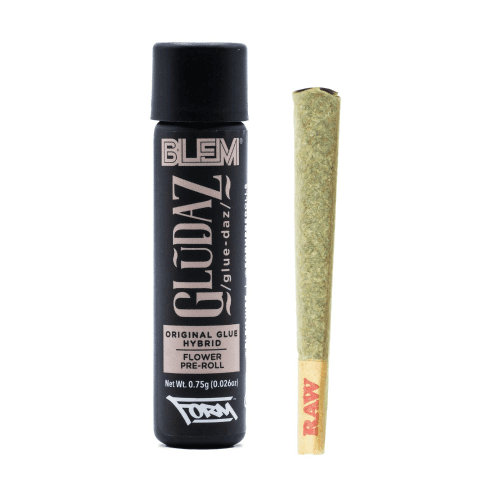
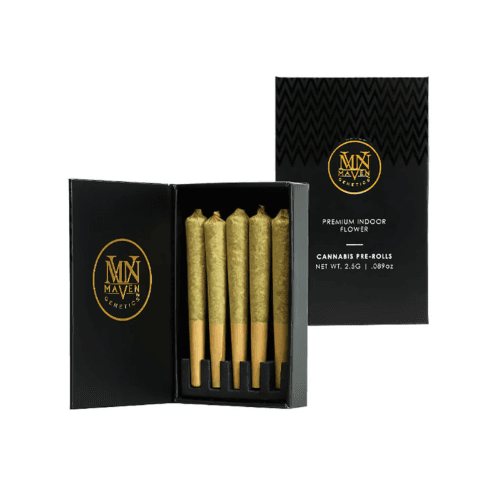
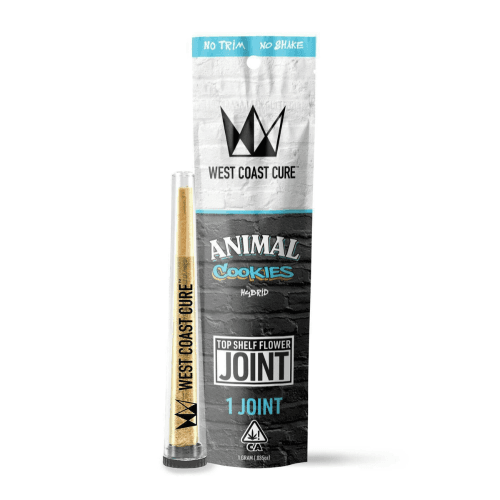
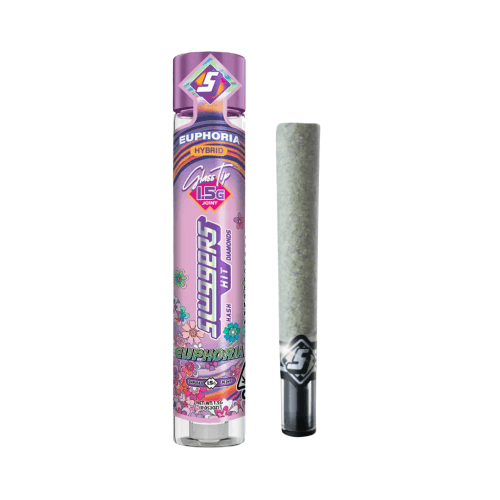
What's Actually in Your Pre-Roll? A No-BS Guide to Flower, Shake, Trim & Infused Styles

What’s actually in your pre-roll? That question is the new “what’s in your food?” for 2026, and honestly, it should be. People are skeptical. People are smart. And people are done paying premium prices for mystery tubes.


So let’s kill the confusion and translate pre-roll labels into plain English: flower vs shake vs trim, hand-rolled vs cones, infused vs “flavored”, plus the red flags that scream “cheap filler.” We’ll also cover what can legally go into a pre-roll, and how quality gets verified when a retailer actually cares about trust.


The baseline: what a pre-roll is (and what it isn’t)

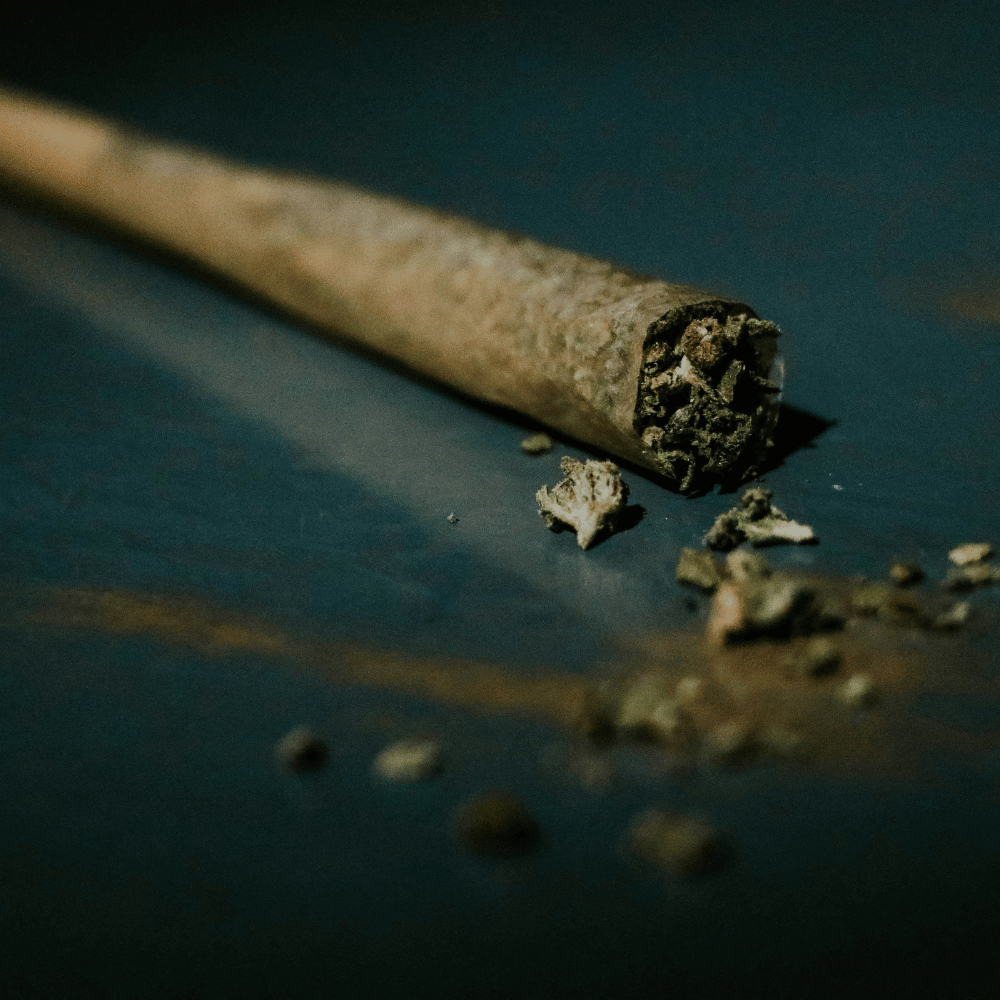
A pre-roll is simple: ground cannabis packed into rolling paper (or similar wrap) with a filter tip, ready to smoke.


A pre-roll is not automatically:

  • Top-shelf flower
  • A “joint version” of the exact same buds you’d buy in a jar
  • Stronger than flower
  • Cleaner than flower
  • Infused (unless it specifically says so)


Pre-rolls range from boutique to bargain-bin. The outside can look identical. The inside can be completely different.


What can legally go into a pre-roll?

Rules vary by state and by product category, but here’s the practical reality of what you’ll see in legal markets:


1) Cannabis material (the main event)

Most legal pre-rolls contain some mix of:

  • Flower (ground buds)
  • Shake (loose pieces that fall off buds)
  • Trim (small leaf material clipped during harvest and processing)

All three are cannabis. Only one is what most people think they’re buying when they see the word “pre-roll.”


2) Paper, filter, and packaging (the supporting cast)

Expect:

  • Rolling paper or hemp paper
  • A crutch/filter tip (paper or similar)
  • Child-resistant packaging and labeling required by the state

Nothing glamorous here. The differences are in burn quality, taste neutrality, and how well it holds together.


3) Infusion inputs (only if it’s labeled infused)

Infused pre-rolls can include:

  • Concentrates (oil, wax, live resin, rosin, etc.)
  • Kief (trichome-rich powder)
  • THCA diamonds (high-purity cannabinoid crystals)
  • Terpenes (for aroma/flavor; cannabis-derived is generally preferred)

If it’s infused, it should be stated clearly on the label, typically with potency and ingredient notes.


4) Things you should not see in legit regulated products

In licensed systems, you should not see:

  • Mystery additives not listed
  • “Spice,” synthetic cannabinoids, or unlabeled sprays
  • Random plant matter filler

If it’s legal and compliant, the product should be tracked, tested, and labeled. But “legal” does not automatically equal “great.” It just means it passed the state’s required checks.


Flower pre-rolls: the gold standard (when done right)

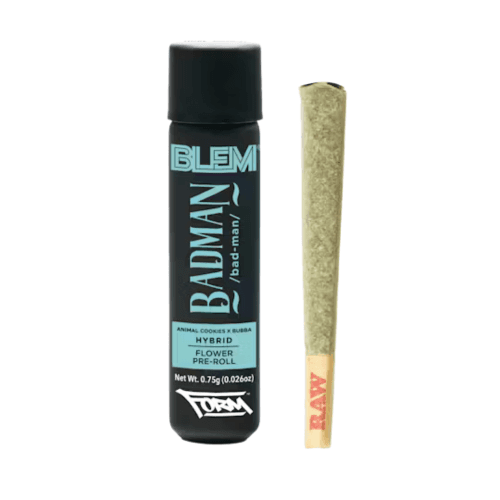
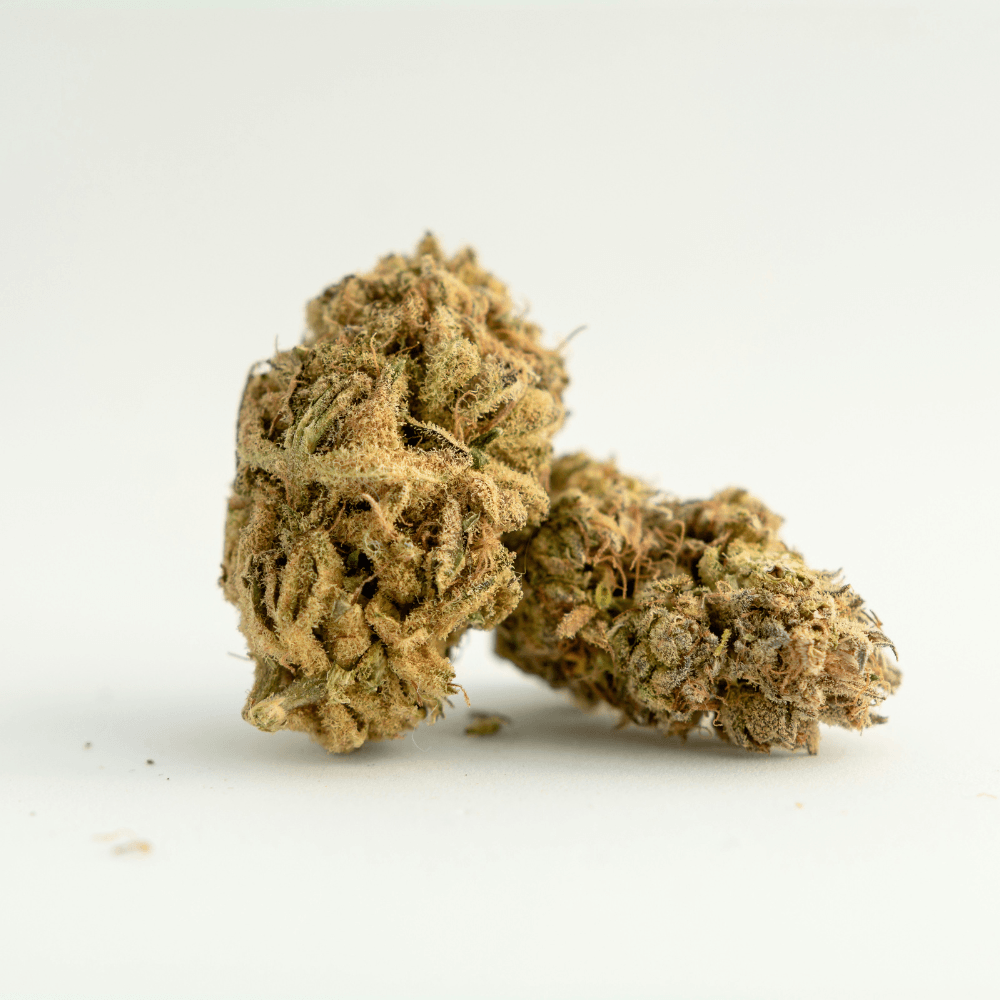
A flower pre-roll is primarily ground buds. In general, this is the cleanest, most straightforward expression of the strain.


What flower pre-rolls usually deliver

  • Better flavor and aroma
  • Better cannabinoid and terpene balance
  • Smoother burn (when ground and packed properly)
  • More consistent effects


What to look for on the label or description

  • “100% flower” or “whole flower”
  • Strain name and type (and ideally cultivar info)
  • Potency that matches reality (not cartoonish numbers)
  • Freshness cues (recent package date; stored properly)


Who should buy flower pre-rolls

Buy flower pre-rolls if you care about taste, smoothness, and the closest thing to “bud quality” in joint form. If you’ve ever taken one puff and immediately thought, “This tastes like lawn clippings,” you already understand why flower matters.


Shake pre-rolls: not evil, just misunderstood

Shake is the loose, smaller pieces of cannabis flower that break off buds during handling and packaging.

Shake can be:

  • Pretty decent (if it’s mostly small flower bits)
  • Pretty mediocre (if it’s dry, oxidized, and stripped of trichomes)
  • Pretty suspicious (if it’s basically powder and crumbs)


The honest pros of shake pre-rolls

  • Usually cheaper
  • Often higher potency than trim (not always, but often)
  • Can be perfectly fine for casual, budget-friendly sessions


The honest cons

  • More surface area means it dries out faster
  • Flavor and aroma can be muted
  • Can burn faster and harsher if too fine or too dry


Who should buy shake pre-rolls

Buy shake pre-rolls if you want value and you’re not chasing peak flavor. But be picky. “Shake” should still smell like cannabis, not like old paperbacks.


Trim pre-rolls: the budget lane (with real trade-offs)

Trim is the leaf material trimmed from the plant around the buds. It can contain trichomes, but it’s generally less potent and less flavorful than flower.


Trim is not automatically “bad.” But trim pre-rolls are commonly where brands hide cost-cutting.


What trim pre-rolls tend to be like

  • Harsher smoke
  • Faster burn and more ash
  • Less flavor and less nuanced effects
  • More variability from batch to batch


When trim pre-rolls make sense

  • If you truly only care about a low price
  • If it’s a small “try it” size and you’re experimenting
  • If you’re using it as a quick, functional option and you know what you’re getting


When to avoid trim

Avoid trim pre-rolls if you’re sensitive to harshness, care about flavor, or want consistent effects. Life is too short to cough through a joint you didn’t even enjoy.


“Full flower,” “whole flower,” “premium flower”: marketing terms you should interrogate

These phrases can be meaningful, or they can be decorative. Don’t panic, just verify.

Do this instead of trusting the buzzwords

  • Read the product description carefully
  • Check whether it specifies 100% flower
  • Look for brand/supplier credibility and batch consistency
  • If the product page is vague, treat it like a yellow flag


A good retailer and a good brand tell you what you’re buying. A sketchy one makes you guess.


Cones vs hand-rolled: it’s not just aesthetics

A lot of pre-rolls are made using cones, which are pre-formed papers filled by machine. Others are hand-rolled or finished by hand.


Cone-filled pre-rolls

Pros

  • Consistent shape and weight
  • Efficient production
  • Less labor cost (often lower price)


Cons

  • Overpacking is common, leading to tight draws
  • Fine grind can create canoeing or harshness
  • Quality depends heavily on grind and humidity control


Hand-rolled (or hand-finished) pre-rolls

Pros

  • Better attention to airflow and pack density (when done well)
  • Can burn more evenly
  • Often paired with higher-quality inputs


Cons

  • Usually more expensive
  • Still not automatically “better” if the material is mid


Here’s the rule: A perfect roll can’t save bad material. And great material can be ruined by a bad roll. You want both.


Infused pre-rolls: what infusion actually means

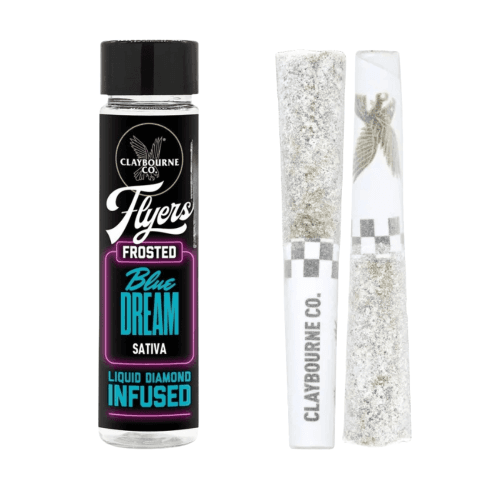
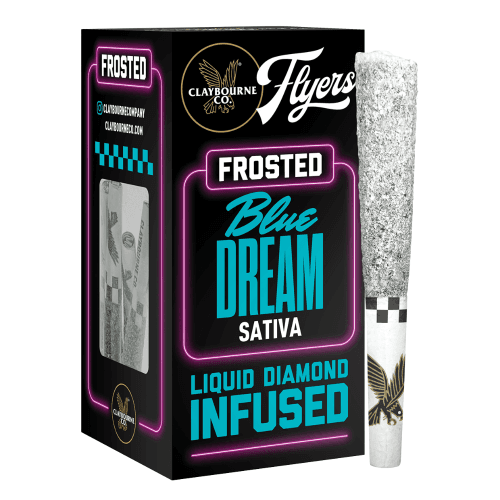
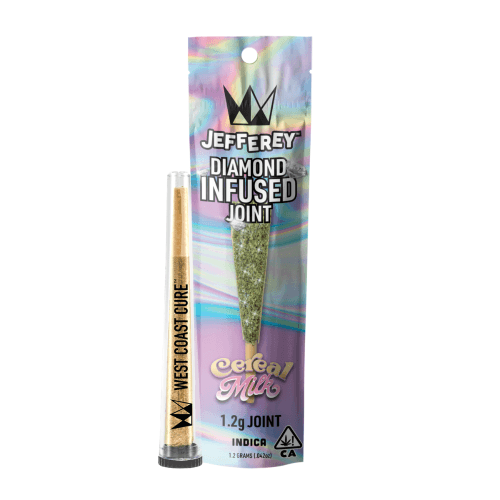
Infused” means extra cannabinoids and/or terpenes have been added to increase potency, change effects, or amplify flavor.


That can be done a few ways:

  • Mixed in (concentrate blended into ground flower)
  • Lined (oil coating inside the paper or around the flower)
  • Dusted (kief or THCA on the outside)
  • Layered (multiple infusion styles in one pre-roll)


Why infused pre-rolls feel stronger

Concentrates can be far higher in cannabinoids than flower. Combine that with flower and you get a higher total potency.


The big trade-off nobody tells you

Infused pre-rolls can be:

  • Harder to keep lit
  • More likely to run/canoe if poorly made
  • Harsher if the concentrate is low quality or overloaded
  • Overwhelming for lower-tolerance users


Buy infused pre-rolls when you want intensity. Don’t buy them to “taste the strain.” That’s like ordering a delicate pasta and dumping hot sauce on it before you even try it.


“Flavored” vs “terpene-infused”: know what you’re signing up for

Not all flavor is the same.


Cannabis-derived terpenes

These are extracted from cannabis and tend to match the plant’s natural aroma profile more closely. They usually taste more “real” and less like candy.


Botanical terpenes

These come from non-cannabis plants. They can be fine, but they can also taste perfumey or artificial if overdone.


Artificial flavoring

In regulated markets, products should disclose ingredients as required. If something tastes like blue raspberry cologne, ask questions. A lot of questions.


Your job: prefer transparency over surprise. Your lungs are not a testing lab.


Red flags on cheap pre-rolls (memorize these)

You don’t need a chemistry degree. You need instincts and a checklist. Use this.


1) No clear info on what’s inside

If the description doesn’t say flower/shake/trim, assume the cheapest option until proven otherwise.


2) Dusty grind that looks like sand

Super-fine material often means:

  • Old product
  • Over-processed product
  • A harsh, fast burn


3) Tight draw or inconsistent airflow

If you can’t pull air through it, it’s either overpacked or the grind is wrong. Either way, your experience suffers.


4) Harshness that feels immediate

Some pre-rolls make you cough because they’re strong. Some make you cough because they’re rough. Learn the difference.


5) “Insane potency” claims without context

High THC numbers can be real, but marketing loves a big number. Potency without freshness, terpene quality, and proper cure is just math.


6) Weird smell: musty, chemical, or “nothing”

Cannabis should smell like something. If it smells like damp cardboard or suspiciously like nothing at all, don’t ignore that.


7) It burns black and oily (especially for non-infused)

Ash color isn’t a perfect quality test, but consistently black, greasy burn can point to moisture issues, poor cure, or bad construction.


How quality gets verified when transparency is the point (not the tagline)

Trust in 2026 is built with receipts, not slogans. Here’s what responsible sourcing and verification usually looks like when a retailer takes it seriously.


1) Licensed, trackable supply chains

Products come from licensed brands and licensed manufacturers. That means they move through regulated channels with required labeling and compliance steps as outlined in this regulatory document.


2) Batch testing and documentation

Legal products are typically tested for core safety and compliance categories required by the state. Retailers that prioritize trust also look for:

  • Clear batch identifiers
  • Consistent COA availability where applicable
  • Accurate labeling and packaging integrity


These aspects are essential in distinguishing good weed from bad, ensuring that consumers receive quality products while maintaining transparency in the market.


3) Supplier standards and ongoing evaluation

Good suppliers do not treat pre-rolls as a dumping ground for leftovers. They treat them like a product people actually smoke, because that is exactly what it is.


Retailers like Hyperwolf emphasize supplier verification and quality screening so customers can shop with confidence, not crossed fingers. The goal is simple: know the source, know the process, and don’t sell mystery material as a “premium” experience.


How to choose the right pre-roll style (without overthinking it)

Use this quick, practical filter:


If you want the best all-around experience

Buy 100% flower pre-rolls. Repeat: 100% flower.


If you want value but still decent quality

Try shake pre-rolls from reputable brands that clearly disclose what you’re getting.


If you want the cheapest option

Buy trim only if you’re comfortable with harsher smoke and lower flavor. Don’t pretend it’s a hidden gem. It’s a budget pick. Own it.


If you want maximum punch

Buy infused pre-rolls and treat them with respect. Start slow. Drink water. Make no important decisions.


Storage and freshness: don’t let your pre-roll die of neglect

Even a great pre-roll can become sad and harsh if it dries out.


Do this:

  • Store in a cool, dark place
  • Keep it sealed until you use it
  • Avoid leaving it in a hot car (unless you enjoy regret)


Freshness matters. Freshness matters. Freshness matters.


Shop pre-rolls with full transparency

If you want to browse with clarity instead of guessing games, shop Hyperwolf’s pre-roll selection here:


And if you already know what you’re after, go straight to the product pages and read the details. Every pre-roll SKU should tell you what it is. Hold products to that standard. Hold retailers to that standard. Your trust is expensive.


The bottom line

Pre-rolls are convenient. Pre-rolls are fun. Pre-rolls are also wildly inconsistent if you don’t know what you’re buying.


So be that person. Read the label. Read the description. Choose flower when you want quality, choose shake when you want value, choose trim only when you accept the trade-offs, and choose infused when you want intensity and can handle it.


Demand transparency. Reward transparency. And the next time someone asks, “What’s actually in your pre-roll?” you’ll have an answer that doesn’t involve shrugging.


FAQs (Frequently Asked Questions)

What is a pre-roll and what does it typically contain?

A pre-roll is ground cannabis packed into rolling paper with a filter tip, ready to smoke. It typically contains cannabis material such as flower, shake, or trim, along with rolling paper, a filter tip (crutch), and child-resistant packaging. Infused pre-rolls may also include concentrates, kief, THCA diamonds, or terpenes if clearly labeled.


What are the differences between flower, shake, and trim in pre-rolls?

Flower refers to ground cannabis buds and is considered the highest quality for flavor and effects. Shake consists of loose pieces that fall off buds during handling and can vary in quality but often offers better potency than trim. Trim is leaf material clipped during harvest, generally less potent and flavorful, often used in budget pre-rolls with trade-offs like harsher smoke and faster burn.


How can I identify a high-quality flower pre-roll?

Look for labels stating "100% flower" or "whole flower," clear strain names and types, realistic potency information, and freshness indicators such as recent packaging dates. High-quality flower pre-rolls deliver better flavor, aroma, smoothness, consistent effects, and a cleaner burn.


Are infused pre-rolls different from regular ones? What do they contain?

Yes, infused pre-rolls include additional concentrates like oil, wax, live resin, rosin; kief; THCA diamonds; or terpenes to enhance potency and flavor. These must be clearly labeled as infused products with ingredient details and potency information to ensure transparency.


What should consumers avoid in legal pre-roll products?

Consumers should avoid mystery additives not listed on labels, synthetic cannabinoids or unlabeled sprays ("spice"), random plant matter fillers, and any untracked or untested products. Legal compliance ensures basic safety but not necessarily high quality.


Who should consider buying shake or trim pre-rolls instead of flower?

Shake pre-rolls are suitable for those seeking value without prioritizing peak flavor; they may have decent potency but can dry out faster and have muted aroma. Trim pre-rolls are best for budget-conscious consumers who prioritize low price over taste or smoothness but should be aware of harsher smoke and variable quality.

Jenna Renz

Jenna is a California-based creative copywriter who’s been lucky enough to have worked with a diverse range of clients before settling into the cannabis industry to explore her two greatest passions: writing and weed.

  • Social Link

Related Blogs