What Is Hash Rosin? A Connoisseur's Guide to Solventless's Most Premium Format

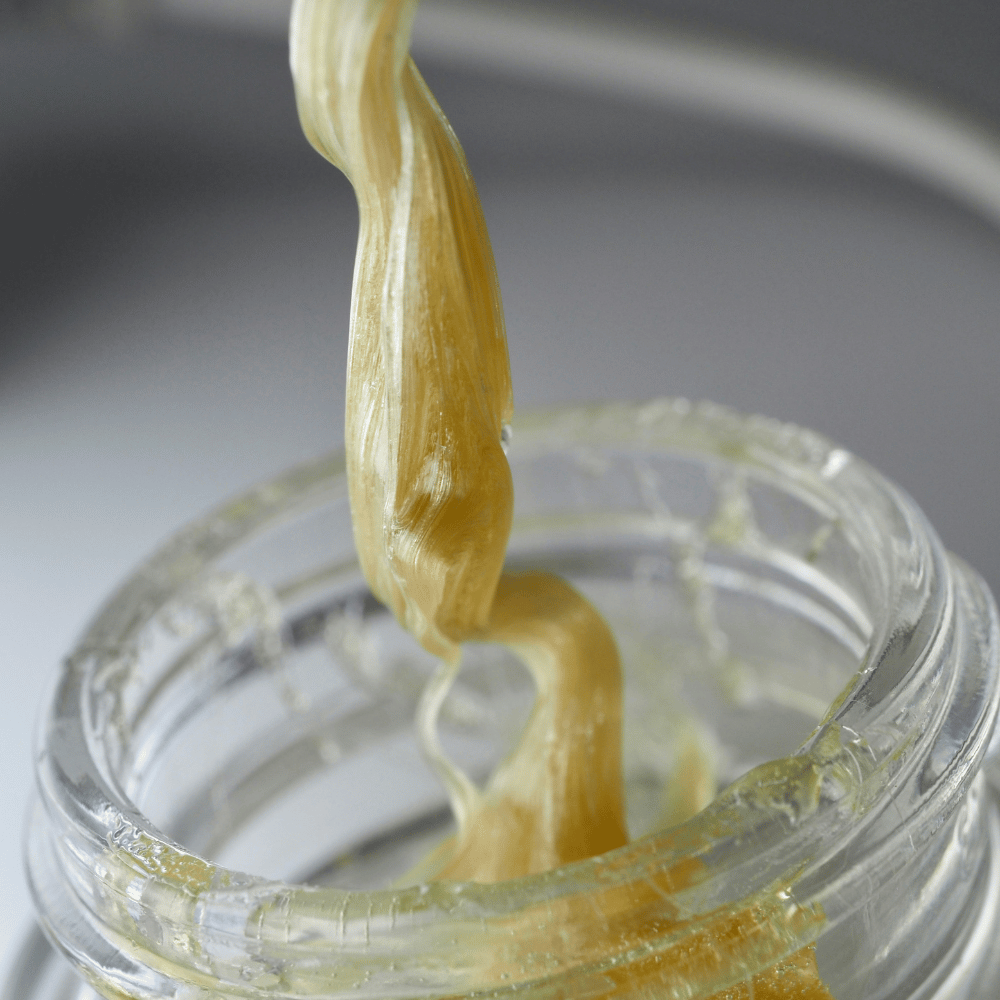
What is hash rosin? It’s the top-shelf end of solventless cannabis, made by turning trichomes into ice water hash, then pressing that hash into rosin for a ridiculously clean, loud, terp-forward concentrate.


If you already know your way around solventless, here’s the punchline: hash rosin is what happens when you remove almost everything except the best parts of the plant. Less wax. Less chlorophyll risk. More flavor. More precision. More money, too.


Hash Rosin vs Live Rosin (Yes, They’re Different)

Let’s clear up the confusion that keeps menus messy.

  • Live rosin describes the starting material: fresh-frozen cannabis that preserves volatile terpenes.
  • Hash rosin describes the intermediate step: the rosin is pressed from bubble hash (ice water hash), not from flower.


So you can have:

  • Live hash rosin (fresh-frozen → ice water hash → press). This is the celebrity.
  • Cured hash rosin (dried/cured flower → ice water hash → press). This is the well-dressed professional.
  • Flower rosin (flower → press). This is the honest workhorse, but not what we’re obsessing over today.


If you’re shopping premium solventless, you’re almost always looking at live hash rosin. If you want a deeper primer on live material and why it tastes the way it does, hit the live rosin guide.


The Ice Water Hash → Press → Rosin Pipeline (The “Nothing Sketchy Happened Here” Method)

Hash rosin earns its reputation because the process is both simple and painfully unforgiving. There’s nowhere to hide bad inputs or sloppy technique. Do it right and you get gold. Do it wrong and you get… expensive disappointment.


Step 1: Start with the right material (fresh-frozen usually wins)

Most premium hash rosin starts as fresh-frozen flower. Growers chop the plant and freeze it quickly to lock in terpenes that would otherwise evaporate during drying and curing.


This is why live hash rosin often hits you with that “just opened the jar of the plant itself” intensity. It is basically time travel for terps.


Step 2: Ice water extraction (a.k.a. bubble hash)

The frozen material is agitated in ice water. The goal is not to “grind” the plant into soup. The goal is to gently knock off intact trichome heads while keeping plant material out of the party.


Those trichome heads get filtered through micron bags (the “bubble bags”) into different size ranges. Then the hash is collected.


This is where quality gets decided. The best hash looks like clean, sandy resin glands, not greenish mush. Color matters, but texture and melt behavior matter more.


Step 3: Dry the hash (this step is make-or-break)

Wet bubble hash is fragile. If it’s not dried correctly, you can trap moisture, invite degradation, and ruin flavor. High-end producers often use freeze dryers because it preserves terps and avoids oxidation.


You want hash that’s dry, stable, and still aromatic. If it smells muted here, it won’t magically become a terp bomb after pressing.


Step 4: Press the hash into rosin

Now the fun part. Dried hash goes into a filter bag, then into a heated press. Under controlled heat and pressure, the resin liquefies and flows out as rosin.


Lower temps generally preserve terps but can reduce yield. Higher temps can increase yield but risk cooking off the good stuff. Great producers dial this in based on the cultivar, micron range, and desired consistency.


Step 5: Cure and cold storage (because terps are divas)

Hash rosin is often:

  • Cold-cured for a batter/budder texture
  • Whipped for consistency and stability
  • Jarred and stored cold to protect volatile terpenes


Treat it like premium food. Heat and air are the enemies. Light is a snitch.


If you’re shopping, prioritize brands that ship and store solventless properly. And if you’re building a cart right now, browse our solventless menu and focus on items that emphasize cold handling and terp preservation.


The Star Rating System (1–6 Stars) and What “Full Melt” Actually Means

Hash quality gets talked about like wine and judged like a science experiment. The classic solventless grading system is the 1–6 star scale, based on how cleanly the hash melts when heated.


Here’s the practical breakdown buyers actually use:


1–2 star: Cooking grade

Melts poorly, leaves a lot of residue. Often used for edibles, pre-roll infusions, or further refinement. Not what you’re buying to savor.


3 star: Mid-grade melt

Some melt, some residue. Can be decent for certain applications, but it’s not “dab-clean.”


4 star: Pretty good, still not “full melt”

Melts noticeably better, but still leaves enough behind that connoisseurs won’t call it full melt.


5 star: Near full melt

Very clean melt, minimal residue. Often excellent hash that’s close to elite.


6 star: Full melt (the unicorn)

This is the stuff that melts almost completely, bubbling away with little to no leftover contaminants. It’s rare because it requires:

  • proper genetics
  • pristine handling
  • excellent separation
  • clean heads with minimal stalk/plant contamination


Now the twist: hash rosin doesn’t need to be 6-star full melt to be premium. Many of the best hash rosins are pressed from specific micron ranges that optimize flavor and yield, not necessarily “melt rating as a standalone dab.”


Think of it like this: full melt is the purest hash experience. Hash rosin is the purest rosin experience.


Why Hash Rosin Costs More Than Live Rosin (And Yes, Even “Live Rosin” Labels)

If you’re wondering why hash rosin sits at the top of the price ladder, the answer is annoyingly simple: it’s expensive to make and easy to mess up.


You’re paying for multiple production steps, not one

Flower rosin is a single press. Hash rosin requires:


That’s more labor, more equipment, more time, more opportunities for loss.


Yield is brutal, especially for true top-shelf

Even with great material, washing can be low-yield. Pressing can be low-yield. And the best producers often sacrifice yield for quality.


Premium hash rosin can represent a tiny fraction of the original biomass. When you buy it, you’re buying concentrated scarcity.


Not all genetics “wash”

Some strains look amazing as flower and then wash like absolute garbage. If a cultivar doesn’t release trichome heads cleanly in water, the producer either:

  • doesn’t run it, or
  • runs it and charges you anyway (beware)


Great hash rosin usually comes from cultivars bred or selected with washing performance in mind.


Cold chain handling adds cost

Maintaining quality means cold storage and fast logistics. That costs money. The brands doing it right bake that into pricing.


If you’re actively shopping, compare options on our solventless products page, and cross-check:

  • genetics
  • consistency/cure style
  • storage recommendations
  • brand reputation for washing and cold chain handling


What Makes “Great” Hash Rosin: The Connoisseur Checklist

You’re past the basics, so here’s what to actually look for.


Aroma first, always

Pop the jar. Does it smell alive? Does it punch? Great hash rosin has definition: fruit has edges, gas has bite, floral notes aren’t perfumey in a weird way.

Muted aroma often means age, heat exposure, poor starting material, or rough processing.


Texture should match the style, not your expectations

Different cures and terp profiles produce different consistencies:

  • Badder/budder: common, stable, easy to handle
  • Jam: terp-heavy, often saucy with THCA crystals
  • Fresh press: glassy, volatile, often needs careful storage
  • Grease: wetter, can be amazing if it’s intentional and well-stored


Don’t get tricked by texture alone. Some of the loudest rosins look like they have stage fright.


Clean finish and minimal residue

You shouldn’t be left with a charred mess after a proper temp dab. Some residue is normal, but premium hash rosin should burn relatively clean when dabbed correctly.

And dab it correctly. Don’t take a 700°F victory lap and blame the rosin for tasting like regret.


Micron range matters (especially for true heads)

Many top producers focus on specific micron ranges (commonly in the “sweet spot” where mature heads live). The idea is simple: better heads, cleaner press, better flavor. Understanding the different microns is crucial in this regard. You don’t need to memorize numbers, but you should recognize the intent: premium producers talk about selection. Budget producers talk about “fire” and hope you don’t ask questions.


The Best Strains and Genetics for Hash Rosin (Washers, Not Posers)

Not every beautiful bud becomes beautiful hash rosin. The best hash rosin strains tend to share a few traits:

  • abundant, mature trichome heads
  • heads that separate cleanly in ice water
  • strong terp expression that survives processing
  • resin that presses cleanly without excessive contaminants


Here are common genetic families that often excel, plus what to expect. (This isn’t a guarantee, but it’s a solid shopping compass.)


GMO (and GMO crosses)

Expect funk, garlic-onion gas, and heavy potency. GMO is famous for washing well and delivering loud solventless.

Look for: GMO, Garlic Cookies, and GMO-heavy crosses.


Papaya (and tropical funk lines)

Papaya tends to produce that overripe fruit, sweet funk profile that shines in solventless. When it’s good, it’s stupidly aromatic.

Look for: Papaya crosses, fruity funk cultivars, tropical profiles that don’t smell artificial.


Zkittlez and candy-forward lines

Candy terps can translate beautifully into hash rosin, but quality varies wildly. The best versions are layered and bright, not flat and “sweet.”

Look for: Zkittlez crosses, candy-citrus blends, complex fruit profiles.


Kush and OG-influenced gas

Classic fuel, pine, earth, and lemon can be incredible in hash rosin, especially when the cultivar is a proven washer.

Look for: OG crosses that are known solventless performers, not just famous flower names.


Modern “hash breeder” staples

A lot of today’s best hash rosin comes from breeding programs that select specifically for washing yield and head quality, not just bag appeal.

If a brand highlights that a cultivar is a proven washer, believe them more than the jar artwork. The jar artwork is not washing the hash.


Why Educated Buyers Chase Hash Rosin (Beyond Bragging Rights)

Hash rosin is not just expensive because it’s trendy. It’s expensive because it solves problems that other concentrates still struggle with:

  • Purity without solvents: no hydrocarbons, no residual solvent concerns, no “it’s fine, trust me.”
  • Flavor density: fewer plant compounds means clearer terp expression.
  • High-end experience: smoother dabs at appropriate temps, more nuanced effects for many users, and a cleaner finish.
  • Batch-to-batch storytelling: genetics, wash, micron selection, cure style. It’s a whole obsessive hobby in a jar.


If you’re shopping at this level, you’re not buying “weed stuff.” You’re buying craft production. You’re buying a producer’s decisions.


How to Buy Hash Rosin Like You’ve Done This Before

Do these things. Repeat them. Thank yourself later.


Buy from brands that specialize in solventless

Specialists tend to have tighter process control, better cold chain discipline, and better cultivar selection. Generalists sometimes treat hash rosin like a side quest.

Browse our curated solventless products and stick to lines that consistently run hash-forward genetics.


Prioritize freshness and storage

Ask about:


Then store it cold yourself. Hash rosin left warm is like leaving ice cream on the counter and acting surprised when it becomes soup.


Choose genetics you actually like

Don’t buy “the best” if you hate the profile. If you don’t like GMO funk, don’t force it. You’re not being graded.


Dab at sane temps

If you want terps, chase flavor, not combustion. Keep temps moderate, use clean quartz, and stop punishing your concentrate for your torch habits.


Where Hash Rosin Fits on the Solventless Ladder

If you’re building your personal ranking, here’s the clean way to think about it:

  • Flower rosin: accessible, can be great, more plant material risk
  • Live rosin (as a concept): freshness and terp preservation
  • Hash rosin: cleaner input, cleaner output
  • Live hash rosin: the premium intersection of fresh-frozen terps and hash-level refinement


If you want the full solventless context, read our [live rosin](#) pillar, then come back and re-read this with a jar in hand. Educational, but make it delicious.


Wrap Up: Hash Rosin Is Premium Because It Has to Be

Hash rosin is premium solventless because it’s made from the best part of the plant, isolated with ice water, dried with care, and pressed with precision. It’s a process that rewards skill and punishes shortcuts.


If you’re ready to shop like a connoisseur, don’t just hunt for hype names. Hunt for washers. Hunt for freshness. Hunt for brands that respect the cold chain.


Then browse our solventless products, compare with options from our live rosin guide, and pick the jar that matches your palate.


Buy the good stuff. Store it cold. Dab it right. Repeat, repeat, repeat.


FAQs (Frequently Asked Questions)

What is hash rosin and how is it made?

Hash rosin is a premium, solventless cannabis concentrate made by turning trichomes into ice water hash (bubble hash) and then pressing that hash into rosin. This process results in a clean, terpene-rich concentrate with less wax and chlorophyll, offering enhanced flavor and precision.


How does hash rosin differ from live rosin?

Live rosin refers to the starting material—fresh-frozen cannabis flower pressed directly into rosin—while hash rosin is produced by pressing ice water-extracted bubble hash into rosin. Live hash rosin combines both methods: fresh-frozen flower is turned into bubble hash, then pressed, delivering the highest terpene preservation.


What are the key steps in producing high-quality hash rosin?

The production involves several critical steps: 1) Starting with fresh-frozen flower to preserve terpenes; 2) Gently agitating in ice water to extract intact trichome heads as bubble hash; 3) Properly drying the hash, often using freeze dryers to maintain terpene integrity; 4) Pressing the dried hash under controlled heat and pressure to produce rosin; 5) Cold curing and storing the final product to protect volatile terpenes.


Why is drying bubble hash properly important before pressing into rosin?

Proper drying of bubble hash is vital because wet or improperly dried hash can trap moisture, leading to degradation and loss of flavor. Using freeze dryers helps preserve terpenes and prevents oxidation, resulting in dry, stable, aromatic hash that produces superior flavor when pressed into rosin.


What does the star rating system mean for solventless hash quality?

The 1–6 star rating system evaluates how cleanly solventless hash melts when heated: 1–2 stars are cooking grade with poor melt; 3 stars indicate mid-grade melt; 4 stars show pretty good melt but not full melt; 5 stars represent near full melt with minimal residue; and 6 stars signify full melt—rare, high-quality hash that melts almost completely with little to no residue.


How should I store and handle hash rosin to preserve its quality?

Hash rosin should be treated like premium food: cold-cured for desired texture, whipped for consistency, jarred properly, and stored cold to protect delicate terpenes. Avoid exposure to heat, air, and light as these degrade flavor and potency. Prioritize brands that emphasize cold handling and terpene preservation during shipping and storage.

Jenna Renz

Jenna is a California-based creative copywriter who’s been lucky enough to have worked with a diverse range of clients before settling into the cannabis industry to explore her two greatest passions: writing and weed.

  • Social Link

Related Blogs