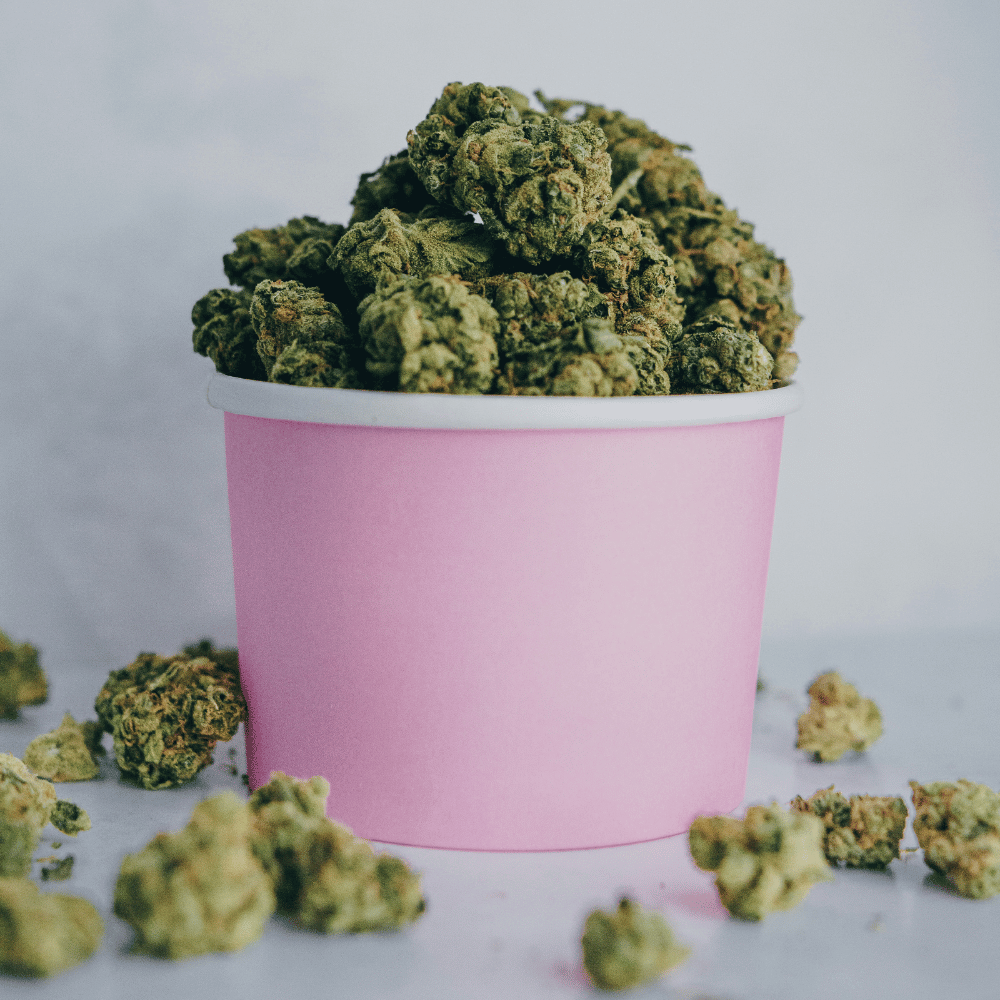
Caryophyllene Explained: The Only Terpene That Acts Like a Cannabinoid

Caryophyllene is the only terpene we know of that acts like a cannabinoid, because it binds directly to your body’s CB2 receptors. That one detail turns this “just a terpene” into a legit headline act, not background aroma.

Most terpenes flirt with your senses. Caryophyllene (also called beta-caryophyllene, BCP) goes further and interacts with your endocannabinoid system in a way that looks a lot like cannabinoid behavior, without being THC and without getting you high. If terpenes are the band, BCP is the guitarist who also happens to know first aid.

Let’s break down what it is, what it smells like, why researchers care, and where you actually find it in cannabis.


What is caryophyllene?

Caryophyllene is a sesquiterpene found in cannabis and a bunch of everyday plants. It’s especially common in:

  • Black pepper (yes, that pepper)
  • Cloves
  • Cinnamon
  • Hops
  • Rosemary
  • Oregano
  • Basil

So if you’ve ever sniffed a jar of flower and thought, “This smells spicy, peppery, kind of like a kitchen that means business,” you’ve probably met caryophyllene.

In cannabis, it’s often one of the most abundant terpenes, and it shows up across a wide range of strain types. But BCP-heavy cultivars tend to share a vibe: pepper, spice, earth, sometimes a gassy bite.


Why caryophyllene is different: it binds to CB2 receptors

Here’s the whole reason this terpene gets its own article.

Beta-caryophyllene is a selective agonist of the CB2 receptor. In plain English: it can bind to CB2 receptors in your endocannabinoid system, which are heavily involved with immune function and inflammation signaling.

Most terpenes do not do this. They may influence neurotransmitters, change how compounds cross membranes, or shape the overall feel of a cultivar through aroma and indirect effects. Caryophyllene straight up shows up with a key that fits a cannabinoid lock.

A few important clarifiers (because the internet loves to get messy):

  • CB2 is not the same as CB1. CB1 is the receptor most associated with THC’s psychoactive effects.
  • BCP does not produce a THC-like “high.” Binding CB2 is not the same experience as activating CB1.
  • This is why you’ll sometimes see BCP called a “dietary cannabinoid.” It shows cannabinoid-like activity while coming from common foods and herbs.

So yes, it’s a terpene. But it behaves like a cannabinoid in one specific, very meaningful way.


What does caryophyllene smell and taste like?

Caryophyllene’s calling card is peppery spice. Think:

  • Fresh cracked black pepper
  • Clove warmth
  • Dry wood
  • Earthy spice rack
  • Sometimes a diesel edge when paired with certain sulfur compounds and other terpenes

In cannabis, that often translates to an aroma that feels “sharp” and “deep” at the same time. It can make sweet strains feel more grounded, and it can make gassy strains feel more aggressive. Caryophyllene doesn’t whisper. It narrates.

If your nose tingles a little when you smell a cultivar, BCP might be in the room.


Potential benefits: why researchers keep looking at caryophyllene

Let’s do this responsibly: terpene research is promising, but not a permission slip to make medical claims. Human data is still limited compared to preclinical work. Still, caryophyllene stands out because it has a plausible mechanism (CB2 binding) and a growing body of research attention.


Anti-inflammatory potential (the big headline)

Because CB2 receptors are involved in inflammation and immune responses, BCP’s CB2 activity has made it a research target for anti-inflammatory applications.

In preclinical studies, CB2 activation is often associated with reduced inflammatory signaling. That doesn’t mean caryophyllene cures anything. It means scientists have a decent reason to keep testing it.

Translation: BCP isn’t “magic.” It’s just unusually well-positioned in the science conversation for a terpene.


Pain and discomfort research (closely related)

Inflammation and pain are frequent co-stars. CB2 pathways are being studied in the context of discomfort modulation, so BCP gets pulled into that orbit.

Some preclinical research suggests beta-caryophyllene may influence pain-related pathways through CB2. Again: promising, not proven as a standalone therapy, and definitely not a replacement for medical care.


Stress and mood: don’t oversell it, but don’t ignore it

People often report that BCP-heavy strains feel “settling” or “grounding,” especially when combined with other terpenes like myrcene or linalool. That could be aroma psychology, entourage effects, cannabinoid ratios, or all of the above.

The key point: caryophyllene has a more direct biological “story” than most terpenes, but your experience still depends on the whole chemical profile and your own body.


Caryophyllene vs THC and CBD: what it can and can’t do

Let’s keep expectations in check.

  • THC primarily acts at CB1 (and other targets) and can be intoxicating.
  • CBD has complex pharmacology and does not bind CB1/CB2 in the same direct way as THC; it influences many targets indirectly.
  • Caryophyllene binds CB2 selectively and is not intoxicating.

So no, caryophyllene is not “THC in disguise.” It’s more like a botanical compound with one very cannabinoid-adjacent trick.

If you’re looking for “stronger,” don’t chase terpenes. Chase accurate lab testing, dosing, and cannabinoid content. If you’re looking for “better experience,” terpenes can matter a lot, and BCP is one of the most interesting ones to pay attention to.


Where caryophyllene shows up in cannabis

Caryophyllene appears in a wide range of cultivars, but it tends to stand out in strains known for:

  • Gassy, diesel, or skunky profiles
  • Peppery, spicy, woody aromas
  • Earth-forward or “savory” flavor notes

You’ll also often see it paired with terpenes like:

  • Limonene (brightens and lifts the profile)
  • Humulene (adds earthy, hoppy bite)
  • Myrcene (adds musky depth)
  • Pinene (sharpens the nose and adds freshness)

The takeaway: caryophyllene rarely performs solo. It’s a lead singer who loves harmony.


Top caryophyllene-dominant strains to know

Caryophyllene shows up all over the place, but a few big-name strains are commonly associated with higher BCP presence. Real terpene levels vary by grower, batch, and cure, so treat this as a starting list, not a guarantee.


1) GSC (Girl Scout Cookies)

GSC is famous for its dessert-meets-diesel personality. Under the sweetness, you often get a peppery, spicy backbone that points to caryophyllene, frequently alongside limonene and humulene.

If you like your “cookie” strains less cupcake and more black pepper, look here.


2) OG Kush

OG Kush is one of the clearest examples of that earth + spice + fuel combo. Many OG expressions lean on caryophyllene to create that classic “kushy” punch that feels both sharp and heavy.

If a cultivar smells like a pine forest got into a fistfight with a gas station, OG genetics are usually nearby, and caryophyllene often is too.


3) Sour Diesel

Sour Diesel is loud. It’s sharp, it’s pungent, it’s unmistakable. While terpenes like myrcene and limonene can play major roles depending on the cut, caryophyllene frequently contributes to that biting, peppery edge that keeps the aroma from drifting into pure citrus.


4) Bubba Kush

Bubba Kush tends to be earthy, coffee-ish, and spicy. That “warm” spice note is often caryophyllene-driven, sometimes with humulene adding extra depth.

If you want your profile cozy but not sweet, Bubba is a good direction to explore.


Don’t guess: confirm caryophyllene with COAs

If you’re buying cannabis and trying to target caryophyllene specifically, do not rely on strain names alone. Names are vibes. COAs (Certificates of Analysis) are receipts.

Do this instead:

  • Find the product’s COA (usually a QR code on the label or a link on the retailer’s product page).
  • Check the terpene section and look for beta-caryophyllene or caryophyllene.
  • Compare it to other listed terpenes to see whether it’s dominant or just present.

If you want a shortcut, use a retailer that actually publishes terpene data clearly. Hyperwolf, for example, often provides COA details on product pages, and you can browse strains testing high in beta-caryophyllene by checking their lab results and terpene breakdowns. Keep it simple: click through the COA and verify BCP is near the top of the list for that batch.

Yes, this takes an extra minute. Spend the minute. Your nose deserves science.


How to “shop for caryophyllene” like a pro

Use these cues, then confirm with testing.

Follow the aroma

Ask for cultivars described as:

  • Peppery
  • Spicy
  • Clove-like
  • Woody
  • Earthy
  • Gassy with a sharp bite

If it smells like spice and attitude, caryophyllene is a good suspect.


Favor fresher, better-stored flower

Terpenes are volatile. Heat, light, and time are not your friends. If your flower is dry enough to qualify as kindling, the terpene story will be weaker.

Buy fresh. Store it airtight. Keep it cool and dark. Do that. Then do that again.


Think in profiles, not single compounds (but yes, caryophyllene is the celebrity)

Caryophyllene might be the main character, but the experience is still the whole cast: THC/CBD ratios, minor cannabinoids, and other terpenes.

Use BCP as a compass, not a guarantee.


Is caryophyllene safe?

Caryophyllene is widely present in foods and spices, and it has been used in flavoring and fragrance contexts. In cannabis, typical exposure is through inhalation or ingestion of products containing it.

But here’s the boring, necessary part:

  • If you’re inhaling anything, lung irritation risk is always on the table, even with “natural” compounds.
  • If you’re using concentrates with high terpene content, start low. Terpenes are potent aromatics and can be harsh at high levels.
  • If you have medical conditions, take medications, or are pregnant or breastfeeding, talk to a clinician before using cannabis products.

Be brave with your curiosity. Be strict with your safety.


The bottom line

Caryophyllene is the only terpene that acts like a cannabinoid in the most literal way: it binds to CB2 receptors. That makes it uniquely interesting for research around inflammation and immune signaling, and it explains why so many people pay attention to BCP-heavy strains.

Want to actually use this info?

Smell for pepper and spice. Buy from brands that publish COAs. Confirm beta-caryophyllene in the lab results. Repeat, repeat, repeat.

Because guessing is fun, but verified terpenes are funnier.


FAQs (Frequently Asked Questions)

What is caryophyllene and where is it commonly found?

Caryophyllene, also known as beta-caryophyllene or BCP, is a sesquiterpene found in cannabis and various everyday plants such as black pepper, cloves, cinnamon, hops, rosemary, oregano, and basil. It contributes a spicy, peppery aroma often associated with these herbs and spices.


How does caryophyllene differ from other terpenes in cannabis?

Unlike most terpenes that mainly influence aroma and sensory experience, caryophyllene uniquely binds directly to the body's CB2 receptors in the endocannabinoid system. This cannabinoid-like activity distinguishes it by interacting with immune function and inflammation pathways without producing a psychoactive high.


What does caryophyllene smell and taste like in cannabis strains?

Caryophyllene imparts a distinctive peppery spice aroma characterized by fresh cracked black pepper, clove warmth, dry woodiness, earthy spice notes, and sometimes a gassy or diesel edge. In cannabis, it often creates a sharp yet deep scent that can ground sweet strains or intensify gassy ones.


Why are researchers interested in the potential benefits of caryophyllene?

Researchers focus on caryophyllene due to its selective activation of CB2 receptors involved in immune response and inflammation signaling. Preclinical studies suggest anti-inflammatory properties and possible modulation of pain pathways. While promising, these findings are preliminary and do not constitute medical claims.


Does caryophyllene produce a psychoactive high like THC?

No. Caryophyllene binds selectively to CB2 receptors rather than CB1 receptors associated with THC's psychoactive effects. Therefore, it does not induce intoxication or a 'high,' making it unique among terpenes as a non-intoxicating dietary cannabinoid.


How does caryophyllene compare to THC and CBD in terms of effects?

THC primarily acts on CB1 receptors causing psychoactive effects, while CBD interacts with multiple targets without intoxication. Caryophyllene selectively activates CB2 receptors related to immune function and inflammation but does not cause a high. Each compound has distinct roles within the endocannabinoid system contributing differently to cannabis's overall effects.

Jenna Renz

Jenna is a California-based creative copywriter who’s been lucky enough to have worked with a diverse range of clients before settling into the cannabis industry to explore her two greatest passions: writing and weed.

  • Social Link

Related Blogs

Cannabis & Caffeine: How Your Morning Coffee Affects Your High

Cannabis & Caffeine: How Your Morning Coffee Affects Your High

Cannabis & caffeine can be a brilliant tag team or a chaotic duo, and your morning coffee might be doing more to your high than you think. Some people swear it sharpens the vibe. Others feel like it turns a smooth lift into a jittery overthink-fest. Both camps are right, depending on your dose, your strain, your tolerance, and whether you’ve eaten anything besides optimism.

8 Min May 15, 2026Jenna Renz