What's Actually in a Pre-Roll: Indoor vs Outdoor, Whole Flower vs Trim, and Why It Matters

What’s actually in a pre-roll is not just “weed in a cone.” It’s the difference between a clean, flavorful session and a scratchy mystery stick that makes you question your life choices.

Pre-rolls are convenient. They are also where brands can hide their sins. And because you can’t always see what’s inside, you need a better way to judge quality without performing a full CSI investigation on the tip of a joint.

So let’s make this simple.

There are two big quality levers behind most pre-rolls:

  • How the cannabis was grown: indoor vs greenhouse vs outdoor
  • What part of the plant went in: whole flower vs trim vs shake

Those two choices control the taste, the burn, the high, and yes, the price. They also explain why LA has a reputation for “indoor-quality” cannabis that people happily pay more for.

Let’s crack it open.


The pre-roll problem: you’re buying a finished product, not a visible ingredient

When you buy an eighth, you can inspect buds. When you buy a pre-roll, you’re often trusting a label and vibes. That’s not ideal in a category where quality can swing wildly based on what went into the grinder.

Some pre-rolls are basically hand-packed flower from a batch that could have been jarred and sold proudly.

Others are… let’s call them “creative repurposing.” Leftovers. Sweepings. The stuff that looks fine in a lab report but smokes like burnt lawn clippings.

If you want to buy smarter, stop thinking of pre-rolls as a format and start treating them like a quality lens. Ask two questions:

  • Where was it grown?
  • What grade of material is inside?

Do that, and you will avoid most disappointments.


Indoor vs greenhouse vs outdoor: the grow method changes everything

Cultivation method is not just trivia for weed nerds. It shapes the cannabinoid profile, the terpene expression, the smoothness, and the consistency from batch to batch.


Indoor: the controlled, premium baseline (and LA’s calling card)

Indoor flower is grown in a fully controlled environment. Light, humidity, temperature, airflow, CO₂, feeding schedules. Everything is dialed in like a spaceship.

What that usually means for pre-rolls:

  • Stronger aroma and flavor because terpenes are better preserved and expressed
  • Cleaner burn because the flower is typically dried and cured more carefully
  • More consistent effects because conditions are stable across the grow
  • Better-looking inputs which often correlates with better handling overall

Indoor is also expensive. Power, HVAC, labor, and compliance add up fast. That cost doesn’t disappear just because the flower gets rolled instead of jarred.

This is a big reason premium pre-rolls cost more. You are paying for the environment, the consistency, and the results.

And yes, this ties directly into the LA indoor-quality reputation. LA has long been a culture hub where connoisseur expectations are high. Indoor flower became the standard for “top shelf,” and that preference flows straight into pre-roll pricing and positioning. If a brand wants to signal premium in LA, “indoor” is one of the loudest ways to do it.


Greenhouse: the middle ground that can be great (or just okay)

Greenhouse flower uses sunlight, but with environmental control. Think of it as assisted nature: real sun plus fans, light deprivation, and climate management.

What that can mean:

  • Often better terpene expression than outdoor, especially with good genetics and skilled operators
  • Often less consistent than indoor, because nature still gets a vote
  • Frequently a better value when done right

Greenhouse pre-rolls can be excellent. They can also be the definition of “fine.” The deciding factor is the operator and the standards. A well-run greenhouse with careful harvesting and curing can produce flower that smokes way above its price.

If a greenhouse pre-roll is priced close to indoor, it should justify that with terpene content, freshness, and transparency about the inputs.


Outdoor: sun-grown doesn’t automatically mean low quality, but it’s riskier

Outdoor cannabis is grown under the full force of nature. Real sun, real weather, real pests, real variability.

Outdoor can produce beautiful cannabis. It can also produce harsh, inconsistent flower that feels like it was dried in a hurry and stored in a hot garage. Both exist. That is the point.


What outdoor often means for pre-rolls:

  • Wider variation in taste and effects between batches
  • Higher risk of harshness if the dry and cure were rushed
  • Often lower cost, which is why you see outdoor used in budget pre-rolls

Outdoor pre-rolls are not automatically bad. But if a brand is selling outdoor at premium pricing without explaining why it’s special, you should be skeptical. Sun-grown can be a feature. It is not a magic spell.


Whole flower vs trim vs shake: the input grade is the real tell

Now for the part most people never get told clearly.

A pre-roll can be made from:

  • Whole flower (the actual buds)
  • Trim (leafy material cut off during manicuring)
  • Shake (small broken bits that fall off buds during handling and packaging)

These are not equal. Not even close.


Whole flower: the “this is what you want” option

Whole flower pre-rolls are made from ground buds. This is the closest thing to smoking a joint you rolled yourself from a fresh eighth.


Why it matters:

  • Higher terpene content and better flavor
  • Better burn because bud structure tends to grind more evenly
  • More predictable effects because the cannabinoid profile matches the intended flower

A true whole flower pre-roll should taste like the strain. It should smell like the strain. It should not taste like paper and regret.

Also, whole flower is harder to hide. If a brand uses whole flower, they often want you to know. Which brings us to a useful rule.

If it’s whole flower, they will usually say so.

If they don’t say so, assume it isn’t.


Trim: cheaper input, harsher smoke, and the reason some joints feel “thin”

Trim is the sugar leaf and surrounding material removed during manicuring. It can contain trichomes, sure, but it also contains more chlorophyll and plant matter relative to resin.

What that does to a pre-roll:

  • Harsher smoke and a “greener” taste
  • Less distinct flavor even if the strain name on the label is fancy
  • More ash and more irritation for a lot of people

Trim pre-rolls exist because they let producers monetize material that is not attractive as jarred flower. That is not evil. It is economics.

But you should pay accordingly. If a pre-roll is trim-based, it should be priced like trim-based.


Shake: inconsistent, often stale, and usually the bottom rung

Shake is what falls off the buds. It can be decent if it’s fresh and comes from high-quality flower. It can also be dry, degraded, and inconsistent. And because it’s already broken up, it loses aroma faster.

Common shake problems in pre-rolls:

  • Stale smell and muted flavor
  • Uneven burn because particle size can be all over the place
  • Inconsistent potency because shake can be a mix of multiple parts of the plant

Shake is often used in value pre-rolls. If you just want something cheap that works, fine. But if you care about taste, smoothness, and a clean high, shake is not your friend.


Why these choices change the experience: flavor, burn, and the high

Let’s connect the dots. Indoor vs outdoor and whole flower vs trim aren’t just labels for marketing people to slap on packaging. They change the fundamentals.

Flavor and aroma: terpenes are fragile, and quality protects them

Terpenes evaporate and degrade with heat, light, oxygen, and time. Better cultivation and better handling preserve them. Whole flower usually carries more of them than trim or shake.

If your pre-roll tastes flat, it’s often because:

  • the input was low-terpene to begin with
  • the material was old or improperly stored
  • the input was trim-heavy
  • the pre-roll sat around too long after being ground

Want louder flavor? Buy pre-rolls made from fresh whole flower, ideally indoor or high-quality greenhouse, and packaged properly.


Smoothness: chlorophyll and plant matter are not your lungs’ favorite snacks

Harshness is often a plant matter problem. Trim and shake generally bring more leaf and more chlorophyll into the mix. Poor drying and curing amplify it.

If a pre-roll makes you cough like you just inhaled a campfire, it’s rarely because you’re “not built for weed.” It’s often because the input was lower grade.


Burn quality: particle size and moisture decide whether it smokes like a dream or canoe-sprints

Whole flower tends to grind into a more uniform texture. Trim and shake can turn to dust or create a weird mix of dust and chunks. That causes uneven airflow, hot spots, runs, and constant relighting.

A good pre-roll should:

  • light easily
  • stay lit without constant babysitting
  • burn evenly
  • produce ash that is not instantly black and clumpy

No, ash color is not a perfect quality test. Yes, a clean burn often correlates with better material and better cure. Don’t be dramatic about it, but don’t ignore it either.


Effects: potency is not just THC, and input grade affects the “shape” of the high

Two pre-rolls can test at similar THC percentages and feel completely different. Whole flower usually delivers a more layered effect because it retains more of the plant’s full profile.

Trim-heavy joints can feel one-dimensional. They can spike quickly and fade fast. Or they can feel oddly muddy. Not always, but often enough that it’s a pattern.

If you care about a satisfying high, prioritize:

  • whole flower input
  • freshness
  • cultivation methods with consistent outcomes, often indoor


“Why is this pre-roll so expensive?” Here’s the honest answer

Premium pre-roll pricing is easiest to understand when you stop comparing “a joint” to “a joint.”

You are paying for inputs and handling:

  • Indoor cultivation costs more than outdoor.
  • Whole flower costs more than trim.
  • Better drying and curing costs time and labor.
  • Better packaging costs more than a flimsy tube.
  • Better consistency costs more than “good luck, have fun.”

A high-quality pre-roll is not just convenience. It is a product built from premium material that could have been sold another way.

So yes, a $20 pre-roll can be absurd. It can also be totally fair if it’s indoor-grown whole flower from a reputable operator and it smokes like a dream. Judge it by what’s inside, not by your feelings about cones.


How to tell what’s inside before you buy (without a microscope)

Brands are not required to put “trim” in big bold letters. Shocking, I know. So you have to read packaging like a skeptic.

Look for these phrases (green flags)

  • “100% whole flower”
  • “ground flower” (not perfect, but usually better than “blend”)
  • “single strain” (again, not perfect, but a good sign)
  • “indoor” or “greenhouse” clearly stated
  • Harvest date and package date (freshness matters)

Treat these phrases like yellow lights

  • “blend” (blend of what, exactly?)
  • “infused” (can be great, can also be perfume on problems)
  • “terpene enhanced” (maybe; ask why it needed help)
  • “premium” with no explanation (premium is not a strain)

Ask the dispensary staff one blunt question

“Is this whole flower, or is it trim and shake?”

Say it politely. Say it clearly. Then watch what happens.

If they know immediately, good sign.

If they guess, proceed carefully.

If nobody knows, that tells you something too.


Infused pre-rolls: a quick reality check (because they complicate everything)

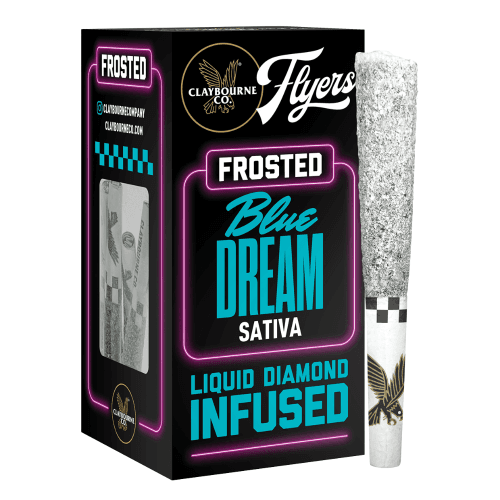
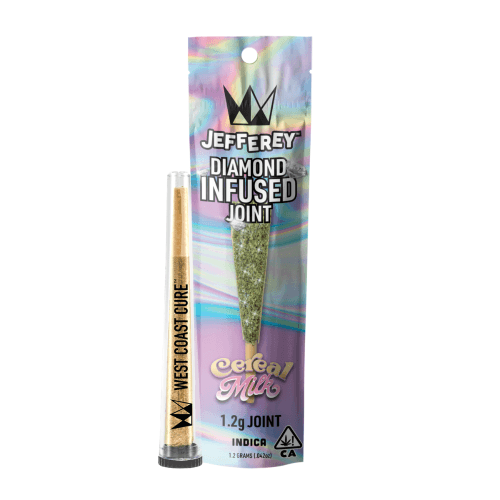
Infused pre-rolls add concentrates like live resin, rosin, distillate, diamonds, kief, and more.

They can be fantastic. They can also be a way to make low-grade base material feel stronger.

Use this rule:

If it’s infused, the base flower still matters.

Repeat it. The base flower still matters.

A great concentrate on bad trim can still taste rough and burn weird. A great concentrate on whole flower is where you get that “wow” experience people are actually chasing.

If a brand is proud of the extract but vague about the flower, be suspicious.


Why LA’s “indoor-quality” standard shows up in pre-rolls

LA has a long history of cannabis culture that rewards sensory quality. Flavor matters. Smoothness matters. Bag appeal matters. People talk. People compare. People do not politely pretend a harsh joint is “fire.”

That consumer expectation pushes brands toward:

This is also why “indoor” is often used as shorthand for premium in LA. It signals a baseline: controlled environment, consistent results, and a product built for people who actually notice the difference.


Buy smarter: the quick cheat code

If you remember nothing else, remember this:

  • Choose indoor (or high-quality greenhouse) when you want top-shelf flavor and consistency.
  • Choose whole flower when you want a smooth, strain-true smoke. This is because the whole plant offers a more comprehensive range of flavors and effects.
  • Be cautious with trim/shake unless you are intentionally buying budget.
  • Don’t let a fancy tube distract you. Packaging is not potency.

Pre-rolls are convenience, yes. But they are also a mirror. They reflect what a brand is willing to put inside when they think you won’t look.

So look anyway. Ask anyway. Read the label anyway.

Because what’s actually in a pre-roll matters. It matters. It matters.


FAQs (Frequently Asked Questions)

What are the main factors that determine the quality of a cannabis pre-roll?

The two big quality levers behind most pre-rolls are: 1) How the cannabis was grown — indoor, greenhouse, or outdoor; and 2) What part of the plant went into the pre-roll — whole flower, trim, or shake. These choices control taste, burn, high, and price.


How does the cultivation method (indoor vs greenhouse vs outdoor) affect a pre-roll's quality?

Indoor grows offer a controlled environment resulting in stronger aroma and flavor, cleaner burn, consistent effects, and better-looking inputs but at a higher cost. Greenhouse grows use sunlight plus environmental controls offering better terpene expression than outdoor and good value depending on operator skill. Outdoor grows depend on natural conditions leading to wider variation in taste and effects with potential harshness but often lower cost.


Why is indoor-grown cannabis considered premium for pre-rolls?

Indoor-grown cannabis is cultivated under fully controlled conditions—light, humidity, temperature, airflow—which preserves terpenes and cannabinoids better. This leads to stronger aroma and flavor, cleaner burns, consistent effects, and premium appearance. In places like LA where connoisseur expectations are high, indoor quality sets the top-shelf standard reflected in pre-roll pricing.


What is the difference between whole flower, trim, and shake used in pre-rolls?

Whole flower refers to ground buds—the highest quality input for pre-rolls offering optimal flavor and effects. Trim consists of leafy material cut off during manicuring which has less potency and flavor. Shake includes small broken bits that fall off buds during handling and packaging; it is generally lower quality with less desirable smoking characteristics.


How can consumers judge the quality of a pre-roll when they can't see what's inside?

Consumers should treat pre-rolls as a 'quality lens' by asking two key questions: Where was the cannabis grown (indoor, greenhouse, outdoor)? And what grade of plant material is inside (whole flower, trim, or shake)? Understanding these factors helps avoid low-quality or misleading products without needing to inspect the joint physically.


Are outdoor-grown cannabis pre-rolls always low quality?

No. Outdoor-grown cannabis can produce beautiful flower but comes with higher risk due to natural variability like weather and pests. Outdoor pre-rolls often have wider batch-to-batch variation in taste and effects and may be harsher if drying or curing was rushed. However, they usually cost less and can be good value if properly managed—though premium pricing without transparency should be questioned.

Jenna Renz

Jenna is a California-based creative copywriter who’s been lucky enough to have worked with a diverse range of clients before settling into the cannabis industry to explore her two greatest passions: writing and weed.

  • Social Link

Related Blogs